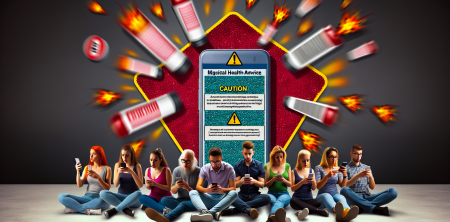
The digital age has ushered in a new frontier for accessing health information, particularly through social media platforms. A recent survey conducted by the Pew Research Center has unveiled a staggering trend: nearly 40% of adults in the United States, with that figure rising to almost 50% among individuals under 50, are turning to social media influencers and podcasts for health and wellness advice instead of seeking guidance from licensed professionals. This shift raises critical concerns about the vetting health advice we encounter on these platforms and the potential risks associated with unverified information.
The Rise of Influencer Culture in Health and Wellness
Social media has transformed how we consume information. It has empowered individuals to share their experiences and insights, but it has also blurred the lines between credible information and harmful misinformation. The Pew Research Center’s findings highlight that approximately two-thirds of social media users come across health content accidentally, suggesting that many are exposed to potentially dangerous advice without actively seeking it. This is particularly troubling for vulnerable populations who might be in search of support or solutions to their mental health challenges.
The Impact of Misleading Health Claims
Experts in mental health are increasingly alarmed by the implications of relying on influencers for health advice. With many social media personalities lacking formal training in mental health or medicine, their assertions can lead to significant risks. These individuals often present self-diagnosis as a viable option, which may contribute to delays in seeking professional help. In some extreme cases, influencer-driven narratives have been known to promote self-medication, leading to adverse health outcomes.
It is essential to acknowledge the emotional resonance of these issues. Mental health crises among youth are at historically high rates, and the appeal of relatable influencers can easily lead young people to trust unverified claims over established medical guidelines. As such, the need for vetting health advice becomes increasingly urgent.
Navigating the Misinformation Landscape
As the prevalence of health content on social media swells, it becomes imperative for individuals to develop tools to navigate this landscape effectively. Here are some actionable steps to help in vetting health advice:
- Check the Source: Always look at who is providing the information. Are they a licensed professional? Do they have credible qualifications in the field they discuss? This step is crucial in ensuring that the advice you receive is grounded in science and supported by evidence.
- Examine the Evidence: Reliable health advice should be backed by research. Look for references to peer-reviewed studies or data from reputable organizations. If the claims seem exaggerated or lack supporting information, it’s a red flag.
- Consult Multiple Sources: Do not rely on a single influencer or source for health information. Cross-reference advice with reputable health organizations and professionals to gain a well-rounded perspective.
- Trust Your Instincts: If something sounds too good to be true, it probably is. Be cautious of miraculous solutions or quick fixes, especially concerning mental health.
- Engage with Professionals: Whenever possible, seek advice from licensed mental health professionals. They can offer personalized guidance that takes into account your unique circumstances.
The Generational Divide on Health Advice
The conversation surrounding the credibility of influencer-driven health advice often reveals a generational divide. Younger audiences, particularly Gen Z, are more likely to defend the authenticity and relatability of influencers, viewing them as a source of community support in navigating mental health issues. In contrast, older generations express a growing concern over the lack of regulation and oversight surrounding health claims made by these personalities.
This divide can lead to heated debates about the place of influencers in the mental health conversation. While some argue that these figures provide essential representation and access to information, others warn that their popularity can perpetuate misinformation and harm.
Combating Misinformation: A Collective Responsibility
Addressing the challenges associated with vetting health advice is not solely the responsibility of consumers. Social media platforms, regulatory bodies, and health organizations must also play a role in combating misinformation. Here are several strategies that can be employed:
- Enhanced Regulations: Social media companies should implement stricter guidelines regarding health-related content. This could involve requiring disclosures about the qualifications of those providing health advice and promoting verified accounts.
- Awareness Campaigns: Health organizations can launch campaigns to educate the public about the risks of relying on unverified information. By providing clear guidance on how to seek credible health advice, these initiatives can empower individuals to make safe choices.
- Support for Mental Health Professionals: Investing in resources for mental health professionals to engage with social media can help counter misinformation. This includes promoting their expertise and making their voices more visible across platforms.
Conclusion: The Importance of Critical Thinking
The surge of health advice available through social media presents unique challenges and opportunities. While influencers can provide relatable insights, the potential for misinformation poses significant risks, particularly regarding mental health. As individuals, we must take proactive steps to ensure we are vetting health advice and seeking out credible sources. By combining critical thinking with a commitment to seeking verified information, we can better navigate this complex landscape and protect our well-being.
In the end, fostering a culture of informed health decision-making will require collective effort. As the conversation evolves, let us advocate for transparency, accountability, and a commitment to accuracy in the health information shared across social media platforms.

