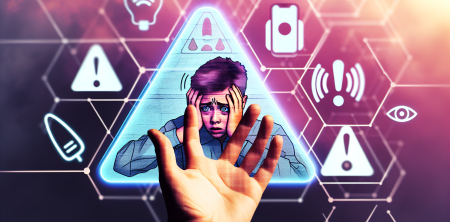
The latest report from the Centers for Disease Control and Prevention (CDC) reveals a concerning rise in teen anxiety and AI overuse among adolescents in the United States. Released on May 11, 2026, the Morbidity and Mortality Weekly Report highlights a staggering 45% increase in anxiety disorders among teenagers aged 13-17, with the culprits identified as excessive usage of AI companion apps.
Understanding the Surge in Anxiety Disorders
According to a comprehensive analysis of 2025 national health surveys conducted on a sample of 50,000 adolescents, the data paints a troubling picture. The average daily usage of AI companion apps now exceeds four hours, a trend that has alarmed mental health experts and parents alike.
The Role of AI Companion Apps
AI companion apps are designed to engage users by providing conversational interactions, emotional support, and companionship. Initially intended to enhance social connections and offer comfort, these digital entities are inadvertently replacing the vital human interactions that young people need for healthy emotional development. As they turn more to these artificial companions, many teens find themselves increasingly isolated from family and friends.
Why the rise in teen anxiety and AI usage is alarming
The CDC report suggests that the replacement of human bonds with AI interactions is a significant factor contributing to the isolation many teenagers experience today. Dr. Lena Torres, a prominent child psychologist, has dubbed this phenomenon "the silent epidemic" affecting adolescents. Her insights shed light on how reliance on AI can create a false sense of connection, ultimately leading to heightened feelings of loneliness and anxiety.
Social Media Reaction: Parents in Panic
The release of the CDC report ignited a wave of concern across social media platforms. Parents took to platforms like Facebook and Twitter to express their fears about their children's mental health, sharing alarming anecdotes about AI addiction. The hashtag #AIAnxiety quickly gained traction, with many users documenting their struggles and experiences with the technology.
- Challenges on TikTok: Several TikTok challenges emerged, focusing on the implications of AI addiction among teens. These challenges serve not only as a platform for expression but also as a means to raise awareness about the potential dangers of excessive AI usage.
- Global Concern: The conversation about teen anxiety and AI is not limited to the U.S.; it has sparked discussions worldwide, highlighting the universal nature of this growing issue.
Understanding the Irony of "Smart" Technology
One of the most ironic aspects of this situation is how "smart" technology, designed to help and connect individuals, may be contributing to a decline in mental health among users. Rather than enhancing emotional well-being, it appears to be fostering a digital dependency that exacerbates feelings of anxiety and isolation.
The Impact of Isolation on Mental Health
Research indicates that social isolation can lead to a myriad of mental health issues, including anxiety, depression, and low self-esteem. The constant interaction with AI rather than peers can deprive teens of essential experiences that aid in emotional growth and resilience. The CDC's findings resonate with other studies suggesting that the more time adolescents spend on screens, particularly with AI, the more they report feelings of anxiety.
Strategies for Parents and Caregivers
As the report continues to circulate and spark discussions, parents and caregivers are encouraged to take proactive steps to mitigate the risks associated with excessive AI usage among teens. Here are several strategies to consider:
- Set Screen Time Limits: Establishing boundaries around the use of AI apps can help limit exposure and encourage more meaningful interactions with family and friends.
- Encourage Outdoor Activities: Promoting physical activities and social outings can provide a healthy counterbalance to screen time and foster real-world connections.
- Foster Open Communication: Creating an environment where teens feel comfortable discussing their feelings and anxieties can help identify issues early and provide support.
- Educate About AI: Teaching teens about the implications of AI technology can empower them to make informed decisions regarding their interactions.
Engaging Teens in the Conversation
It is essential for parents to engage their teens in discussions about the impact of technology on their mental health. By making the conversation open and non-judgmental, caregivers can encourage adolescents to express their feelings about AI and its role in their lives. Additionally, addressing misconceptions about AI as a replacement for human connection is vital in helping teens understand the value of real relationships.
Expert Opinions on Teen Anxiety and AI
The CDC report has prompted mental health experts to weigh in on the issue. Many agree that while AI can provide certain benefits, it should never replace human interaction. Dr. Torres emphasizes the importance of teaching adolescents the value of emotional intelligence and resilience, skills that are often developed through real-life experiences rather than AI interactions.
The Future of Mental Health and AI
As technology continues to evolve, so too will its impact on mental health. The intersection of teen anxiety and AI presents an urgent challenge for parents, educators, and mental health professionals alike. Understanding the nuances of AI usage and its effects on young minds is crucial in navigating a future where technology plays an increasingly integral role in daily life.
Potential Solutions on the Horizon
In response to the CDC report's findings, several initiatives are being proposed to address the concerns surrounding teen anxiety and AI:
- Awareness Campaigns: Organizations focused on mental health are launching campaigns to educate families about the potential dangers of excessive AI use and promote healthy digital habits.
- School Programs: Implementing educational programs in schools that address technology's impact on mental health can prepare teens to navigate their digital lives responsibly.
- Research and Development: Tech companies are being urged to design AI applications that prioritize mental health, encouraging real-life interactions and providing resources for users in distress.
Conclusion: A Call to Action
As the alarming rise in teen anxiety and AI overuse becomes more apparent, it is essential for society to take collective action. This includes fostering awareness, promoting healthy habits, and encouraging open discussions about technology's role in our lives. By doing so, we can work towards a future where technology enhances rather than detracts from mental health and well-being.
In this pivotal moment, parents, educators, and technology developers must collaborate to ensure that AI serves as a tool for connection and growth rather than a source of anxiety and isolation. Together, we can navigate the complexities of this digital age, supporting our youth in their journey toward emotional health and resilience.

