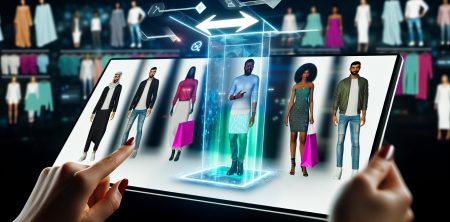
The fashion industry is in the midst of a digital transformation, and one of the most exciting advancements is the introduction of virtual try-on technology. Launched by Zara in December 2025, this innovative feature has already made waves, leading to over 7 million sessions within just four months. As online shopping continues to grow, the question arises: is this technology a mere gimmick, or could it genuinely address the significant issue of returns that plague the industry?
The Challenge of Returns in Online Fashion
Returns have become a critical problem for online fashion retailers, costing the industry billions of dollars annually. According to various reports, about 30% of all online fashion purchases are returned, which can be attributed to several factors, including sizing issues, color discrepancies, and simply selecting items that looked good in photos but didn't meet expectations in reality. These return rates not only affect profit margins but also lead to increased waste and environmental concerns.
The Role of Virtual Try-On Technology
The introduction of virtual try-on technology offers a promising solution to this ongoing dilemma. By allowing customers to virtually try on clothing items via augmented reality (AR), brands like Zara aim to enhance the online shopping experience, making it more interactive and engaging. Customers can visualize how a piece of clothing will look on them without physically trying it on, thus reducing the chances of returns.
Exploring Zara's Implementation
Zara's early adoption of virtual try-on technology came during a period of rapid growth in e-commerce, especially as consumer habits shifted towards online shopping following the pandemic. The company's app, which features this technology, has seen a surge in user engagement, with millions of sessions recorded. This level of interaction suggests that consumers are eager for innovative solutions that ameliorate traditional pain points in online shopping.
The User Experience
When using Zara's virtual try-on feature, customers can select clothing items, and the app will overlay these garments on their image in real-time. This AR experience allows users to see how different styles fit their body types, offering a more personalized shopping experience. The technology not only enhances consumer confidence in their purchases but also fosters a sense of fun and creativity in the shopping process.
Market Reactions and Trends
The launch of Zara's virtual try-on has not gone unnoticed in the broader retail market. Google Trends shows a marked increase in searches for 'Zara virtual try-on', indicating a growing interest in this technology among consumers. Additionally, social media platforms, especially TikTok and Instagram, have seen a plethora of user-generated content showcasing the technology, which has only fueled the FOMO (Fear of Missing Out) phenomenon surrounding this innovative shopping experience.
Expert Opinions: Gimmick or Game-Changer?
Industry experts are divided when it comes to assessing the long-term viability of virtual try-on technology. While some view Zara's initiative as a fleeting trend—an exciting gimmick that could fade away—others are more optimistic, believing that it holds the potential to fundamentally reshape the online fashion landscape. The disparity in opinions highlights the uncertainty surrounding the technology's future in a rapidly evolving retail environment.
Comparative Analysis: Other Brands and Technologies
Zara is not the only brand exploring virtual try-on technology. Many other fashion retailers are investing in similar innovations, aiming to enhance customer experience and reduce return rates. Brands like ASOS, Warby Parker, and L'Oreal have already implemented AR try-on solutions, each offering a unique approach to integrating this technology into their shopping platforms. These attempts underscore a collective movement within the fashion industry to adopt digital solutions that address existing challenges.
The Importance of Integration
For virtual try-on technology to achieve widespread success, it must be seamlessly integrated into existing retail platforms. The user experience should be intuitive, allowing customers to navigate and utilize the technology without frustration. Retailers that can effectively combine this technology with personalized recommendations and customer support are likely to see more significant benefits, including reduced returns and increased customer satisfaction.
Potential Environmental Impact
As the fashion industry grapples with sustainability challenges, virtual try-on technology presents an opportunity to reduce waste. With fewer returns translating to less shipping, packaging, and processing of returned items, retailers can decrease their environmental footprint. This aspect of the technology aligns with the growing consumer demand for more sustainable shopping practices, further enhancing its appeal.
Consumer Perspectives
Customer feedback surrounding Zara's virtual try-on technology has been largely positive. Many users appreciate the convenience of trying on clothes virtually, which can be especially helpful for busy shoppers or those uncomfortable with traditional fitting rooms. However, there are also concerns regarding the accuracy of AR representations and whether they faithfully depict how clothing will fit in real life. Addressing these concerns will be vital for retailers seeking to enhance consumer trust in virtual shopping experiences.
The Future of Virtual Try-On Technology
Looking ahead, the future of virtual try-on technology appears promising. As AR technology continues to advance, we can expect more sophisticated features and improved user experiences. Brands that invest in refining this technology will likely find themselves at the forefront of the retail revolution. Furthermore, the ongoing rise of social commerce may further bolster the adoption of virtual try-ons, as consumers increasingly seek interactive and engaging shopping experiences.
Challenges Ahead
Despite the excitement surrounding virtual try-on technology, there are challenges that must be addressed for its widespread adoption. Issues such as the need for high-quality imaging, variations in body types, and the necessity of creating a user-friendly interface can present hurdles that retailers must overcome. Additionally, as with any emerging technology, continued investment and innovation will be crucial to ensure that virtual try-on solutions do not become obsolete.
Conclusion: A Step Towards Transformation
Zara's launch of virtual try-on technology marks a significant step towards transforming the online fashion retail landscape. The impressive engagement metrics and rising consumer interest suggest that this technology could play a pivotal role in reducing return rates and enhancing the overall shopping experience. While debates about its long-term viability continue, there is no denying that it has already sparked a fresh dialogue about the future of digital fashion retail. As more brands experiment with and adopt this technology, we may very well see a shift in how consumers approach online shopping, moving towards a more immersive and personalized experience.

