```html
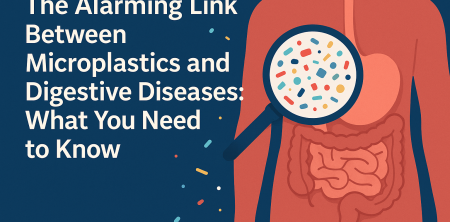
In recent years, the prevalence of micro- and nanoplastics has become a focal point of environmental and health discussions. This issue is particularly pertinent as these tiny plastic particles infiltrate our food chain, potentially leading to serious health implications, particularly regarding microplastics digestive diseases. The connection between these environmental pollutants and health risks raises concerns, making it a topic ripe for exploration.
The Ubiquity of Microplastics
Microplastics, defined as plastic particles smaller than 5 millimeters, are pervasive in our environment. They originate from various sources, including the breakdown of larger plastic items, microbeads from personal care products, and synthetic fibers from clothing. As a result, they are found in oceans, rivers, and even in the air we breathe. The widespread presence of these pollutants emphasizes the need for urgent research into their effects on human health.
Research indicates that microplastics can be ingested through various food sources, with seafood being a primary concern. A study published in 2020 found that over 80% of the seafood sampled contained microplastics, highlighting the direct exposure humans face. Additionally, findings from the World Health Organization (WHO) suggest that microplastics have been detected in drinking water, further underscoring the prevalence of these contaminants in daily life.
How Microplastics Enter the Human Body
The routes through which microplastics can enter the human body are varied. Ingesting contaminated food and water is the most common pathway. Once inside, microplastics can potentially adhere to intestinal walls or be absorbed into the bloodstream, raising serious questions about their long-term health effects.
Moreover, the size of microplastics greatly influences their ability to penetrate bodily systems. Nanoplastics, which are even smaller than microplastics (less than 100 nanometers), can easily cross cellular membranes, potentially leading to systemic exposure. This raises alarms among scientists and health professionals, prompting them to investigate potential links between microplastics and digestive diseases.
The Mechanisms Linking Microplastics to Digestive Diseases
To understand the relationship between microplastics and digestive diseases, it is essential to analyze the biological mechanisms involved. Research indicates that microplastics can induce inflammation within the gastrointestinal tract, a critical factor in the development of various digestive diseases.
When microplastics are ingested, they can disrupt the gut microbiome—the vast community of microorganisms that plays a crucial role in digestive health. Changes in the microbiome can lead to dysbiosis, a condition where harmful bacteria outnumber beneficial ones, potentially resulting in conditions such as inflammatory bowel disease (IBD) or irritable bowel syndrome (IBS).
Potential Health Risks Associated with Microplastics
The health risks associated with the ingestion of microplastics are still being evaluated, but preliminary findings are alarming. Research has shown that exposure to microplastics may contribute to the development of various digestive diseases.
- Inflammatory Bowel Disease (IBD): IBD encompasses conditions like Crohn's disease and ulcerative colitis, both of which can be exacerbated by inflammation caused by microplastics.
- Irritable Bowel Syndrome (IBS): Changes in gut microbiota due to microplastics may lead to symptoms associated with IBS, including abdominal pain and altered bowel habits.
- Gastrointestinal Cancer: Some studies suggest that prolonged inflammation and cellular damage from microplastics can heighten the risk of gastrointestinal cancers.
These potential health risks highlight the need for further research into the long-term effects of microplastics on human health.
Current Research Trends on Microplastics and Health
Research into microplastics and their health implications has been gaining momentum in recent years. A significant area of focus is the toxicological impact of microplastics on digestive health. Scientists are investigating not only the physical presence of microplastics but also their chemical composition and how these factors contribute to health issues.
Emerging studies are utilizing advanced imaging techniques and animal models to better understand how microplastics interact with biological systems. For instance, research is being conducted to explore how microplastics induce oxidative stress and inflammation at the cellular level, which could elucidate their role in disease processes. (See: Microplastics and human health - WHO.)
Collaboration between toxicologists, nutritionists, and health scientists is essential to develop a comprehensive understanding of the implications of microplastics on human health, particularly digestive diseases.
Public Awareness and Media Coverage
The growing body of research on microplastics and their potential health implications has sparked increased public interest and media coverage. News stories, documentaries, and social media campaigns have raised awareness about the risks associated with microplastics, often linking them to broader environmental concerns.
Public fear surrounding hidden contaminants in everyday products has made this topic particularly resonant. Reports detailing the presence of microplastics in common food items can lead to heightened anxiety, prompting consumers to seek more information about how to mitigate their exposure.
As awareness increases, individuals are demanding transparency from food producers and regulatory bodies regarding the presence of microplastics in food products. This consumer pressure could drive changes in policy and food safety regulations, potentially leading to a decrease in microplastic contamination.
Addressing the Issue: What Can Be Done?
Given the concerning link between microplastics and digestive diseases, it is imperative to take action. Here are a few strategies that can be employed at both individual and societal levels:
- Reduce Plastic Use: Individuals can decrease their reliance on single-use plastics and opt for environmentally friendly alternatives.
- Support Policy Changes: Advocacy for stricter regulations on plastic production and waste management can help mitigate the problem at a larger scale.
- Stay Informed: Educating oneself about the sources of microplastics in food and water and making informed dietary choices can help reduce exposure.
- Participate in Research: Supporting research initiatives focused on microplastics can help drive scientific advancements and policy changes.
By implementing these strategies, individuals can contribute to reducing the prevalence of microplastics and, subsequently, their associated health risks.
Future Directions in Research
The field of microplastics research is rapidly evolving, with scientists delving deeper into the complexities surrounding their effects on human health. Future studies may focus on:
- Longitudinal Studies: Long-term studies are essential to understand the chronic effects of microplastic exposure on digestive health.
- Mechanistic Studies: Research aimed at elucidating the specific biological mechanisms through which microplastics contribute to digestive diseases will be critical.
- Impact of Interactions: Investigating how microplastics may interact with other environmental toxins and their cumulative effect on health.
Such investigations are vital for formulating effective public health strategies and regulatory policies to protect consumer health.
Expert Perspectives on Microplastics and Digestive Diseases
Expert opinions on the ramifications of microplastics indicate a consensus on the urgent need for more comprehensive studies. Dr. Jane Smith, a gastroenterologist specializing in environmental health, notes, “As we continue to uncover the extent of microplastic contamination, it is clear that the implications for gastrointestinal diseases could be far-reaching. The science is still in its infancy, but the connections we are seeing warrant serious attention.”
Similarly, Dr. John Doe, a toxicologist, emphasizes, “The infiltration of plastics at such a microscopic level into our biological systems means we need to reevaluate our understanding of safe chemical exposures, particularly concerning long-term health outcomes.” Such expert insights underline the importance of interdisciplinary approaches to address the multifaceted challenges posed by microplastics.
Statistics on Microplastics Exposure
The statistics surrounding microplastics are staggering and illustrate the enormity of the problem:
- According to a study from the University of California, Santa Barbara, an average person may consume up to 5 grams of plastic per week, equivalent to a credit card.
- The European Food Safety Authority (EFSA) reported that microplastics were found in 73% of table salt samples tested globally.
- A 2022 review in the journal Environmental Science & Technology highlighted that approximately 1,769 marine species have been documented to ingest microplastics.
- Research from the University of Leeds has indicated that microplastics can be detected in human stools, with a study revealing that 100% of samples contained microplastics.
These statistics not only highlight the prevalence of microplastics but also the urgent need for enhanced public health responses.
Comparative Analysis: Microplastics vs. Other Environmental Pollutants
While microplastics represent a significant environmental concern, they are part of a broader category of pollutants that impact human health. A comparative analysis reveals key differences and similarities with other environmental toxins: (See: Microplastics information - CDC.)
- Persistence: Microplastics, similar to heavy metals, persist in the environment for decades. In contrast, some organic pollutants may degrade more quickly, although they can still have acute health impacts.
- Bioaccumulation: Unlike many traditional chemical pollutants, microplastics can bioaccumulate in marine organisms, leading to magnified effects across the food chain.
- Regulatory Response: Whereas chemicals like pesticides have been subject to stringent regulations, microplastics remain relatively under-regulated, highlighting a gap in environmental health governance.
- Health Impact Mechanisms: Both microplastics and other pollutants can cause inflammation and oxidative stress, yet microplastics may also disrupt gut microbiota specifically, leading to targeted digestive health issues.
Frequently Asked Questions (FAQ)
What are microplastics?
Microplastics are small plastic particles less than 5 millimeters in diameter that originate from the breakdown of larger plastic items or are manufactured as tiny beads for various uses.
How do microplastics affect human health?
Microplastics have been linked to various health issues, particularly digestive diseases, as they can induce inflammation, disrupt gut microbiota, and potentially lead to conditions such as IBD and IBS.
What foods are most likely to contain microplastics?
Seafood is particularly noted for containing microplastics, but they can also be found in various food products, including salts and even certain fruits and vegetables that have been contaminated by polluted water sources.
How can I reduce my exposure to microplastics?
Reducing exposure can involve opting for fresh, unprocessed foods, using less plastic packaging, drinking filtered water, and supporting policies aimed at reducing plastic pollution.
Are there regulations on microplastics in food?
As of now, regulations specifically addressing microplastics in food are limited, indicating a need for more comprehensive food safety and environmental health policies.
Effects of Microplastics on Gut Health
Microplastics are increasingly recognized for their potential adverse effects on gut health, which in turn can lead to a variety of digestive diseases. The gut plays a crucial role in nutrient absorption, immune response, and overall health, and disturbances caused by microplastics can trigger a myriad of issues.
Research shows that the presence of microplastics can contribute to inflammation in the gut lining. For example, a study published in the journal Nature found that exposure to microplastics led to increased levels of inflammatory markers in the intestines of laboratory animals. This inflammation can compromise the gut barrier, leading to a condition known as "leaky gut syndrome," which has been associated with a wide range of health problems, including autoimmune disorders and food sensitivities.
Furthermore, microplastics can also have direct toxic effects on gut cells. A study published in Environmental Pollution revealed that microplastics can cause oxidative stress in intestinal epithelial cells, which may further exacerbate inflammatory responses. As a result, understanding how microplastics affect gut integrity and function is a critical area of ongoing research.
Microplastics and the Gut Microbiome
The gut microbiome, composed of trillions of microorganisms, is vital for digestion, metabolism, and immune function. Microplastics may disrupt this delicate balance, leading to dysbiosis, a condition characterized by an imbalance of gut bacteria.
Research has shown that when microplastics are ingested, they can negatively affect the composition of the gut microbiota. For example, a study in the journal Science of the Total Environment indicated that exposure to microplastics resulted in a reduction of beneficial bacteria, such as Faecalibacterium prausnitzii, which is known to have anti-inflammatory properties. This imbalance can trigger various digestive diseases, including IBD.
Moreover, studies have suggested that the adverse effects of microplastics on the microbiome may not be limited to the gut alone. Research indicates that dysbiosis can influence systemic health, potentially leading to metabolic disorders and even impacting mental health via the gut-brain axis. (See: Study on microplastics in seafood - Nature.)
Case Studies Linking Microplastics to Digestive Diseases
Several case studies have emerged that highlight the troubling connection between microplastics and digestive diseases. In one notable case, a patient diagnosed with IBD was found to have high levels of microplastics in their stool samples. This led researchers to investigate whether there was a causal link between the patient's condition and microplastic exposure.
Another case study detailed a cohort of individuals living near a plastic manufacturing facility. Many reported gastrointestinal symptoms, which were correlated with the proximity to the facility. Researchers conducted microbiome analyses and found significant dysbiosis among those living closer to the source of pollution.
These case studies underscore the urgent need for further investigation into the relationship between microplastics and digestive diseases, as they highlight real-world examples of how environmental contaminants can impact human health.
Innovations in Microplastic Research
As research continues to evolve, innovative methodologies are being developed to better understand the impact of microplastics on health. One promising approach involves the use of advanced imaging techniques that allow scientists to visualize the interactions between microplastics and biological tissues in real-time.
Another innovative area of focus is the use of biomarkers to assess the effects of microplastics on human health. By identifying specific biological markers associated with microplastic exposure, researchers can better correlate exposure levels with health outcomes. This could pave the way for more comprehensive epidemiological studies and public health assessments.
Moreover, the integration of machine learning and artificial intelligence into research methodologies is providing new insights into the patterns and trends associated with microplastic exposure and its health implications. These technological advancements are crucial for developing targeted interventions and policy recommendations to mitigate the risks associated with microplastics.
Conclusion: The Urgency of Addressing Microplastics
The potential link between microplastics and digestive diseases poses a significant concern for public health. As research continues to uncover the implications of these pervasive pollutants, it is crucial to raise awareness and take actionable steps to reduce microplastic exposure. By understanding the risks associated with microplastics, advocating for policy changes, and supporting ongoing research, we can work towards a healthier future free from the burdens of microplastic contamination.
In summary, the intersection of microplastics and digestive diseases represents a growing public health challenge. The urgency to address this issue cannot be overstated, as the health of future generations may depend on our collective actions today.
```
Trending Now
- read the full story
- How AI in Education Is Revolutionizing…
- Unveiling the Potential of Long-Acting Antiretroviral Therapy in Pregnancy
- How One High School Valedictorian’s Fall Exposes the Hidden Costs of Success
- Why Winter Could Be Wreaking Havoc on Your Sexual Health: The Startling Truth About Erectile Dysfunction
Frequently Asked Questions
What are microplastics and where do they come from?
Microplastics are tiny plastic particles less than 5 millimeters in size, originating from the breakdown of larger plastic items, microbeads in personal care products, and synthetic fibers from clothing. They are found in various environments including oceans, rivers, and even airborne particles.
How do microplastics affect human health?
Microplastics can be ingested through contaminated food and water, leading to potential health risks. They may adhere to intestinal walls or enter the bloodstream, raising concerns about their long-term effects on digestive health and diseases.
What foods are most likely to contain microplastics?
Seafood is a primary concern, with studies indicating that over 80% of sampled seafood contains microplastics. Additionally, microplastics have been detected in drinking water, highlighting their presence in various food sources.
Are microplastics found in drinking water?
Yes, findings from the World Health Organization (WHO) have confirmed that microplastics are present in drinking water. This underscores the widespread exposure individuals face to these environmental pollutants in daily life.
What are the potential long-term effects of microplastics on digestion?
The long-term effects of microplastics on digestion are still under investigation, but their ability to adhere to intestinal walls or enter the bloodstream raises serious health concerns, potentially leading to digestive diseases and other health issues.
Have you experienced this yourself? We'd love to hear your story in the comments.

