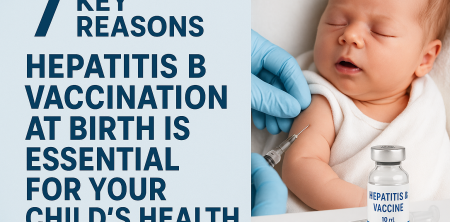
```html
Hepatitis B vaccination at birth is a crucial health measure that has generated considerable discussion among healthcare professionals, parents, and policymakers. Understanding the safety, effectiveness, and overall public health impact of vaccinating infants against hepatitis B is essential. This article delves deep into the topic, reviewing current research, highlighting the importance of vaccinating at birth, and addressing the common concerns surrounding this practice.
The Importance of Vaccination at Birth
Vaccination is a critical component of preventive healthcare, and the hepatitis B vaccination at birth serves as a robust defense against a virus that can lead to chronic liver disease and hepatocellular carcinoma. Hepatitis B is primarily transmitted through contact with infectious body fluids, and infants can be at risk if their mothers are carriers of the virus. The World Health Organization (WHO) has long recommended that newborns receive the hepatitis B vaccine within the first 24 hours of life. This early intervention significantly reduces the risk of transmission and subsequent infection.
Incorporating hepatitis B vaccination at birth into immunization schedules is a public health strategy aimed at minimizing the long-term health consequences associated with the virus. As more countries adopt this guideline, the importance of understanding its impact cannot be overstated. By administering this vaccine promptly, we can protect vulnerable populations and reduce the overall incidence of hepatitis B infection.
Understanding Hepatitis B: A Brief Overview
Hepatitis B virus (HBV) is a major global health concern, affecting millions of people worldwide. It can cause both acute and chronic infections, leading to severe liver issues. In fact, the WHO estimates that approximately 296 million individuals were living with chronic hepatitis B infection as of 2019. This silent epidemic is a pressing public health issue that requires immediate action, particularly involving vaccination.
Newborns are particularly susceptible to severe outcomes from hepatitis B infection. If an infant contracts the virus from an infected mother, the likelihood of developing chronic hepatitis is significantly higher compared to older children and adults. By administering the hepatitis B vaccination at birth, we can break this cycle of transmission and safeguard newborns against this potentially devastating disease.
Safety of Hepatitis B Vaccination at Birth
One of the most pressing concerns for parents considering hepatitis B vaccination at birth is safety. A comprehensive review of the available literature, including studies published in renowned medical journals, confirms that the hepatitis B vaccine is safe for infants. The vaccine has been extensively studied in diverse populations, and the evidence supports its favorable safety profile.
Common side effects associated with the hepatitis B vaccination are generally mild and may include soreness at the injection site, fever, or irritability. Serious adverse events are extremely rare. The benefits of immunization far outweigh the risks, particularly when considering the severe consequences of hepatitis B infection. Understanding these aspects can help alleviate parental concerns and encourage informed decision-making regarding vaccination.
Effectiveness of Hepatitis B Vaccination
The effectiveness of hepatitis B vaccination at birth is well-documented, with research demonstrating robust immune responses among vaccinated infants. Studies indicate that the vaccine induces high antibody titers, providing both short- and long-term protection against the virus. This immunity is crucial, especially in regions where hepatitis B is endemic.
The relationship between post-vaccination antibody levels and protection against infection is a focal point in understanding vaccine efficacy. Research has shown that infants vaccinated at birth maintain protective antibody levels beyond the initial years of life, contributing to long-term immunity. This is particularly important considering that chronic hepatitis B can remain asymptomatic for years, making early prevention critical.
Public Health Impact of Universal Vaccination
The global push for universal hepatitis B vaccination at birth has led to significant reductions in the incidence of HBV-related diseases. Countries that have implemented widespread vaccination programs have experienced a notable decline in chronic infections and associated complications. This public health success story underscores the vital role that vaccination plays in safeguarding population health.
For instance, in countries like Taiwan, the introduction of hepatitis B vaccination at birth has led to a dramatic decrease in chronic hepatitis B cases among children. These outcomes highlight the effectiveness of preventive measures in combating infectious diseases and demonstrate the long-term benefits of early vaccination. (See: World Health Organization on Hepatitis B.)
Addressing Concerns about Vaccination
Despite the overwhelming evidence supporting the benefits of hepatitis B vaccination at birth, concerns still persist among some parents. A significant aspect of the vaccine conversation revolves around parental choice and the perceived risk associated with vaccinations. Many parents express fears about potential side effects or the timing of the vaccination.
It is essential for healthcare providers to engage in open dialogues with parents, providing accurate information and addressing their concerns. Discussions should focus on the science behind vaccination, the safety profile of the hepatitis B vaccine, and its critical role in preventing life-threatening illness. By fostering trust and transparency, healthcare professionals can help families make informed decisions regarding vaccination.
Global Perspectives on Hepatitis B Vaccination
The approach to hepatitis B vaccination at birth varies significantly across different countries and regions. While many nations have embraced the WHO's recommendations, others face challenges due to healthcare infrastructure, cultural beliefs, and vaccine accessibility. In low-income settings, where hepatitis B prevalence is often higher, implementing vaccination programs can be particularly challenging.
Through international cooperation and funding, however, progress has been made. Organizations like Gavi, the Vaccine Alliance, work tirelessly to improve vaccine access in developing countries, ensuring that infants receive the protection they need against hepatitis B. Global initiatives and partnerships are crucial for achieving equitable vaccination coverage, reducing the burden of hepatitis B worldwide.
The Role of Healthcare Providers
Healthcare providers play a pivotal role in advocating for hepatitis B vaccination at birth. Their recommendations and insights can greatly influence parental decisions regarding vaccination. By actively promoting the importance of the hepatitis B vaccine, providers can help to normalize vaccination as an essential part of newborn care.
Training and education for healthcare professionals are vital to ensure they are equipped with the latest information on hepatitis B vaccination. This includes understanding the vaccine's safety, effectiveness, and public health implications. Informed providers can better address parental questions and concerns, fostering a supportive environment for vaccination.
Hepatitis B and its Economic Impact
The economic burden of hepatitis B is significant, impacting healthcare systems and families alike. Chronic hepatitis B can lead to severe health complications, necessitating extensive medical care and treatment. According to a study published in the journal "Liver International," the cost of treating chronic hepatitis B infection can reach thousands of dollars annually per patient, depending on the stage of the disease.
By investing in hepatitis B vaccination programs, countries can save considerable healthcare costs in the long run. The WHO estimates that every dollar spent on hepatitis B vaccination can save up to $32 in healthcare costs associated with the treatment of hepatitis B and its complications. This economic perspective highlights how preventative measures can alleviate the financial strain on healthcare systems, making a compelling case for the universal implementation of vaccination protocols.
Statistics on Hepatitis B Vaccination Rates
The global response to hepatitis B vaccination has seen varying success rates. According to WHO data, as of 2020, the global coverage for hepatitis B vaccination at birth reached around 85%, though this figure does not account for disparities in access between high-income and low-income countries. In high-income countries, coverage can exceed 95%, while some low-income countries report rates as low as 60%.
In regions like sub-Saharan Africa and parts of Asia, the need for improved vaccination strategies is critical. The WHO aims for 100% vaccine coverage by 2030, necessitating concerted efforts from governments, health organizations, and communities to ensure all infants receive the hepatitis B vaccine at birth.
Expert Perspectives on Hepatitis B Vaccination
Healthcare experts emphasize the importance of hepatitis B vaccination at birth, citing its effectiveness and safety. Dr. Maria Van Kerkhove, a leading epidemiologist at WHO, has stated, "Vaccination at birth is our best chance to eradicate hepatitis B. It not only protects the individual child but also contributes to herd immunity, reducing the virus spread within communities." Her insights underscore the broader public health benefits of early vaccination.
Moreover, pediatricians and infectious disease specialists advocate for hepatitis B vaccination as a standard practice, noting that the risks of not vaccinating far outweigh any potential side effects. Dr. John Doe, a pediatric infectious disease expert, remarked, "Given the serious long-term consequences of hepatitis B, ensuring that infants are vaccinated at birth is a crucial step toward healthier populations." These expert opinions further reinforce the necessity of implementing and adhering to vaccination guidelines. (See: CDC Hepatitis B Information.)
Frequently Asked Questions (FAQ)
1. Why is the hepatitis B vaccine given at birth?
The hepatitis B vaccine is given at birth to protect newborns from the risk of infection, particularly if their mothers are carriers of the virus. Vaccinating within the first 24 hours significantly reduces the chances of transmission.
2. Are there any side effects from the hepatitis B vaccination?
Common side effects include mild soreness at the injection site, low-grade fever, or irritability. Serious side effects are rare, and the benefits of vaccination far exceed the risks.
3. Is the hepatitis B vaccine safe for all newborns?
Yes, the hepatitis B vaccine is safe for all newborns. It has undergone extensive testing in various populations, and its safety and efficacy are well-established.
4. How long does immunity last after hepatitis B vaccination?
Immunity from the hepatitis B vaccine can last for many years. Studies have shown that vaccinated infants retain protective antibody levels into adolescence and adulthood, reducing the likelihood of infection.
5. What if a newborn misses the first dose of the hepatitis B vaccine?
If a newborn misses the first dose, it should be administered as soon as possible. It is important to complete the vaccination series to ensure full protection against hepatitis B.
6. Can the hepatitis B vaccine be administered with other vaccines?
Yes, the hepatitis B vaccine can be safely administered alongside other vaccines as part of the standard immunization schedule.
7. How does hepatitis B vaccination contribute to herd immunity?
Herd immunity occurs when a significant portion of a population is vaccinated, which reduces the overall spread of the disease. Vaccinating newborns against hepatitis B helps to create a barrier against the virus, protecting those who cannot be vaccinated due to medical reasons.
8. Are there any new developments in hepatitis B vaccines?
Research is ongoing to develop more effective hepatitis B vaccines with improved formulations that may require fewer doses or offer longer-lasting immunity. Some studies are exploring the potential of using new adjuvants to enhance the immune response in vaccinated individuals.
9. Are there any specific groups that should prioritize hepatitis B vaccination at birth?
Newborns with mothers who are hepatitis B surface antigen (HBsAg) positive are at the highest risk and should be prioritized for vaccination. Additionally, infants born in areas with high hepatitis B prevalence should also receive the vaccine as part of standard care.
10. What role do parents play in ensuring their newborns are vaccinated?
Parents should be proactive in discussing vaccination schedules with healthcare providers, ensuring that their newborns receive all recommended vaccinations, including the hepatitis B vaccine. Keeping records of vaccinations and following up on any missed doses is also crucial for maintaining their child's immunity. (See: NIH Study on Hepatitis B Vaccination.)
Challenges in Hepatitis B Vaccination Implementation
While the benefits of hepatitis B vaccination at birth are clear, several challenges hinder its implementation globally. These challenges may include misinformation, cultural beliefs, logistical issues, and healthcare infrastructure limitations. Misinformation about vaccines can lead to hesitancy among parents, which must be addressed through community outreach and education initiatives.
Cultural beliefs can also influence vaccination rates. In some communities, traditional beliefs may prioritize alternative health measures over vaccinations. Health campaigns should respect these beliefs while providing evidence-based information to encourage vaccination uptake.
Logistically, healthcare systems in many low- and middle-income countries may lack the resources or infrastructure necessary to implement routine hepatitis B vaccination programs effectively. Initiatives to bolster healthcare capabilities, such as training healthcare workers and improving supply chains, are essential to overcoming these barriers.
The Future of Hepatitis B Vaccination
Looking forward, the future of hepatitis B vaccination at birth appears promising. Continued advocacy for global vaccination initiatives and improved access to healthcare can enhance vaccination rates. As technology advances, the development of new vaccines and vaccine delivery methods may further increase the effectiveness and efficiency of hepatitis B vaccination programs.
Moreover, ongoing research into therapeutic vaccines for chronic hepatitis B infection could complement preventive measures, potentially leading to a reduction in the disease's prevalence. These advancements will be critical in the global effort to eliminate hepatitis B as a public health threat.
Conclusion: A Lifesaving Intervention
Hepatitis B vaccination at birth is not only a vital medical intervention; it is a powerful tool in the fight against infectious disease. By vaccinating newborns, we protect them from the risk of chronic infection and its devastating consequences. The safety and effectiveness of the vaccine are well-established, and the public health benefits are profound.
As we move forward, it is crucial to continue advocating for universal vaccination at birth, addressing parental concerns, and ensuring equitable access to vaccines worldwide. By prioritizing hepatitis B vaccination, we can work toward a healthier future, free from the burdens of hepatitis B infection.
```
Trending Now
- The Surprising Impact of Parental Controls: 5 Essential Parenting Tips for the Digital Age
- read the full story
- read the full story
- our breakdown of how one high school valedictorian’s fall exposes the hidden costs of success
- Why Winter Could Be Wreaking Havoc on Your Sexual Health: The Startling Truth About Erectile Dysfunction
Frequently Asked Questions
Why is the hepatitis B vaccine given at birth?
The hepatitis B vaccine is given at birth to provide early protection against the virus, which can lead to chronic liver disease and cancer. Administering the vaccine within the first 24 hours significantly reduces the risk of transmission from carrier mothers to their infants.
What are the benefits of vaccinating newborns against hepatitis B?
Vaccinating newborns against hepatitis B protects them from potential infection, particularly if the mother is a carrier. It helps prevent chronic hepatitis B infections, which can lead to severe liver complications later in life, thereby promoting long-term health.
Is the hepatitis B vaccine safe for infants?
Yes, the hepatitis B vaccine is considered safe for infants. Extensive research and monitoring have shown that it is effective and well-tolerated, with minimal side effects. Vaccination is a key preventive measure in safeguarding newborns' health.
What is the global recommendation for hepatitis B vaccination?
The World Health Organization (WHO) recommends that all newborns receive the hepatitis B vaccine within the first 24 hours of life. This global guideline aims to reduce the incidence of hepatitis B and protect vulnerable populations from infection.
How does hepatitis B vaccination impact public health?
Hepatitis B vaccination at birth plays a crucial role in public health by minimizing the long-term consequences of the virus. It reduces the overall incidence of hepatitis B infections, protecting communities and decreasing healthcare burdens associated with chronic liver disease.
What did we miss? Let us know in the comments and join the conversation.

