```html
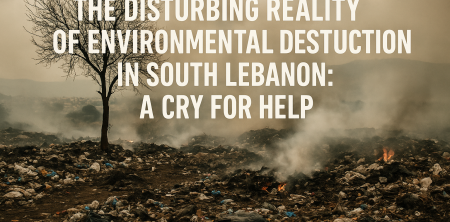
South Lebanon, a region rich in cultural heritage and natural beauty, is currently facing a devastating crisis. The environmental destruction in South Lebanon has escalated to alarming levels, presenting a dire threat to both its ecosystem and the health of its inhabitants. This article delves into the various facets of this destruction, including the impact of armed conflict, agricultural devastation, toxic pollution, and the loss of vital woodlands.
Understanding the Environmental Crisis
Environmental destruction in South Lebanon is not merely an ecological concern; it is a humanitarian crisis that intertwines with the ongoing conflicts in the region. The legacy of war often leaves behind not just physical scars but also environmental wounds that take decades to heal. The interplay of military actions and neglected environmental policy has exacerbated the degradation of South Lebanon’s landscapes.
Over the years, various international organizations, including Greenpeace, have raised alarms about the dire state of the environment in this area. Their findings reveal a troubling narrative of neglect, pollution, and ecological loss that demands immediate attention.
War and Its Ecological Footprint
Armed conflicts have been a recurrent theme in South Lebanon's history, with military engagements leading to significant environmental destruction. The use of heavy artillery, airstrikes, and landmines has not only resulted in human casualties but also in widespread ecological devastation.
For instance, white phosphorus munitions, which have been used in military operations, pose a serious threat to the environment and public health. When these munitions are deployed, they create toxic residues that contaminate the soil and water sources, leading to long-term health issues for the local population. Furthermore, the destruction of agricultural land due to warfare has left countless farmers without their livelihoods, plunging communities into food insecurity.
Destruction of Agricultural Lands
Agricultural destruction is one of the most visible impacts of environmental destruction in South Lebanon. The region has traditionally relied on farming as a primary source of sustenance and economic stability. However, due to ongoing conflicts, many farmlands have been rendered unusable.
- Soil contamination from military ordnance and chemicals used during conflicts has led to reduced agricultural output.
- Farmers are faced with the dual challenge of recovering from the physical destruction of their land and dealing with the toxic residues that remain.
- Locals have reported a decline in crop yields, resulting in diminished food quality and increased prices for consumers.
The loss of agricultural lands not only threatens local food supply but also undermines the social fabric of communities that depend on farming for their livelihood.
Toxic Rubble: A Legacy of War
The debris left behind in the wake of military conflicts poses an additional layer of environmental destruction in South Lebanon. Toxic rubble, often containing hazardous materials such as asbestos, lead, and other pollutants, has become a persistent issue.
This rubble not only contributes to landscape degradation but also poses serious health risks to individuals, particularly children who may play in these contaminated areas. Additionally, the lack of proper waste management and recycling systems leads to further environmental degradation, as these materials are often left to decay in the open.
Water Pollution and Its Consequences
Water pollution is another critical aspect of environmental destruction in South Lebanon. The contamination of water sources due to military activities, agricultural runoff, and improper waste disposal has had dire consequences for the local population.
Many residents rely on wells and other natural sources for their water supply. However, with increasing pollution levels, the safety of these water sources has come into question. Issues of waterborne diseases have become prevalent, further straining healthcare systems already burdened by conflict-related challenges.
The Loss of Woodlands and Biodiversity
The environmental destruction in South Lebanon extends beyond immediate pollution and agricultural issues; it encompasses the significant loss of woodlands and biodiversity. Forests serve as critical habitats for various species and play a crucial role in carbon sequestration, soil stability, and water regulation. (See: Understanding environmental health issues.)
Military activities, particularly deforestation during conflicts, have resulted in the loss of valuable forest areas. This not only threatens local wildlife but also contributes to climate change by reducing the region's capacity to absorb carbon dioxide. Furthermore, the loss of these trees can lead to increased soil erosion and further degradation of the land.
Human Health Implications
The impact of environmental destruction in South Lebanon is not limited to the ecosystem; it has profound effects on human health as well. Exposure to pollutants, toxic waste, and contaminated water can lead to a variety of health issues.
Residents have reported rising instances of respiratory problems, skin diseases, and other health complications linked directly to environmental pollution. Children, in particular, are vulnerable to these health risks, with long-term implications for their development and well-being.
International Response and Advocacy
In light of the environmental destruction in South Lebanon, various international organizations, including Greenpeace, have taken steps to advocate for change. These organizations emphasize the need for immediate action to address the urgent environmental issues facing the region.
Advocacy efforts include:
- Raising awareness about the environmental impacts of military actions and their long-term consequences.
- Collaborating with local communities to promote sustainable practices and environmental restoration efforts.
- Encouraging governments and international bodies to prioritize ecological health in conflict resolutions and peace-building initiatives.
Such efforts are crucial to not only healing the environment but also restoring the livelihoods of those affected by environmental destruction.
Community Initiatives for Environmental Recovery
Grassroots initiatives have emerged in South Lebanon to combat the effects of environmental destruction. Local communities are coming together to focus on sustainable agriculture, reforestation, and waste management.
These community-led efforts include:
- Implementing organic farming techniques to restore soil health and reduce reliance on chemical fertilizers.
- Organizing tree planting campaigns to replenish lost woodlands and enhance biodiversity.
- Establishing recycling programs to manage waste and reduce pollution.
By fostering a sense of ownership and responsibility, these initiatives empower communities to take charge of their environmental future.
Moving Forward: The Path to Restoration
The road to recovery for South Lebanon is fraught with challenges, but it is not insurmountable. Addressing environmental destruction in South Lebanon requires a multi-faceted approach that includes local, national, and international efforts.
Key strategies for moving forward include:
- Developing policies that prioritize environmental health as part of conflict recovery efforts.
- Investing in environmental education to raise awareness about sustainable practices among future generations.
- Engaging in dialogue between conflicting parties to ensure that environmental considerations are included in peace negotiations.
Ultimately, the restoration of South Lebanon’s environment is not just about healing the land; it is about rebuilding communities, restoring livelihoods, and ensuring a healthy future for all.
Conclusion: A Call to Action
The environmental destruction in South Lebanon stands as a testament to the far-reaching impacts of war and neglect. As the international community turns its attention to this crisis, it is imperative that collective action is taken to address the urgent need for environmental recovery.
From local grassroots initiatives to international advocacy, every effort counts in the fight against environmental degradation. By prioritizing the health of the environment, South Lebanon can begin to heal, paving the way for a brighter, more sustainable future for its people. (See: Environmental health and its impact.)
Environmental Destruction: The Economic Impact
The economic ramifications of environmental destruction in South Lebanon are profound and multifaceted. The devastation of agricultural lands directly jeopardizes food security, leading to increased dependence on imports and higher prices for basic goods. Reports indicate that agricultural production in the region has plummeted by as much as 30% in recent years, exacerbating poverty levels and driving many families into economic despair.
Moreover, the degradation of natural resources affects other sectors, including tourism, which has historically been an important economic driver. The picturesque landscapes and rich biodiversity that once attracted visitors are now marred by pollution and deforestation, leading to a decline in tourist activity. This decline not only impacts local businesses but also reduces government revenues, creating a vicious cycle of economic decline and environmental neglect.
The Role of Education in Environmental Recovery
Education plays a crucial role in addressing environmental destruction in South Lebanon. By equipping future generations with knowledge about sustainability and conservation, communities can foster a culture of environmental stewardship. Local schools have begun integrating environmental education into their curricula, emphasizing the importance of protecting natural resources.
Additionally, workshops and community programs focused on sustainable practices, such as water conservation and organic farming, are gaining traction. These initiatives help empower individuals to take proactive steps toward environmental protection, ensuring that the lessons learned today will benefit future generations.
Statistics on Environmental Health in South Lebanon
Recent studies and surveys have highlighted alarming statistics regarding environmental health in South Lebanon. For instance:
- Over 60% of residents report concerns about water quality, with many indicating that they avoid using well water due to contamination fears.
- Health clinics in the region have witnessed a 40% increase in respiratory illnesses over the past five years, a trend attributed to air and soil pollution.
- In the last decade, forest cover in South Lebanon has decreased by approximately 15%, significantly impacting local biodiversity.
These statistics underscore the urgent need for comprehensive environmental policies and effective action plans to mitigate further damage.
Expert Perspectives on Environmental Degradation
Experts in environmental science and sustainability have voiced serious concerns about the trajectory of ecological health in South Lebanon. Dr. Ahmad Khoury, an environmental scientist at the University of Beirut, states, "The environmental destruction we are witnessing is not just a by-product of war; it is a consequence of systemic neglect and a lack of cohesive policy." He emphasizes the importance of integrating environmental considerations into all levels of planning and conflict resolution.
Similarly, Dr. Leila Farah, a public health expert, warns of the long-term health implications. "The exposure to environmental toxins will have intergenerational effects on health," she explains, advocating for immediate action to address pollution and promote public health initiatives.
Frequently Asked Questions (FAQ)
What are the primary causes of environmental destruction in South Lebanon?
The primary causes include armed conflict, improper waste disposal, agricultural practices that rely on harmful chemicals, and a lack of regulatory enforcement.
How does environmental destruction affect local communities?
It threatens food security, public health, and economic stability. Many residents face rising food prices, health issues related to pollution, and loss of livelihoods.
What steps can be taken to restore the environment in South Lebanon?
Restoration efforts can include reforestation projects, sustainable farming practices, pollution control measures, and community education initiatives focused on environmental stewardship.
How can international organizations contribute to the recovery?
International organizations can provide funding, expertise, and advocacy to support local initiatives, promote sustainable practices, and engage in policy development to prioritize environmental health. (See: Research on conflict and environmental degradation.)
What role does community involvement play in environmental recovery?
Community involvement is crucial as it fosters a sense of ownership and responsibility for local resources. Engaging residents in restoration projects can lead to more effective and sustainable outcomes.
Environmental Destruction and Climate Change
The environmental destruction in South Lebanon is also intricately linked to broader issues of climate change. As the region faces increased temperatures and erratic weather patterns, the existing ecological problems are exacerbated. For instance, deforestation and land degradation not only diminish the capacity of ecosystems to cope with climate variability but also contribute to increased greenhouse gas emissions.
Recent studies indicate that South Lebanon's agricultural sector is particularly vulnerable, with predictions of decreased crop yields due to shifting climatic conditions. This adds further pressure on food security in a region already grappling with the aftereffects of conflict. Furthermore, the loss of local fauna and flora diminishes biodiversity, limiting the ecosystem's resilience to climate-related stresses.
Case Studies: Successful Restoration Initiatives
Across various parts of the world, successful restoration initiatives provide valuable lessons for South Lebanon. For example, the reforestation efforts in Costa Rica have transformed degraded lands into thriving forests, showcasing the potential of community-driven environmental recovery.
In South Lebanon, replicating such models could involve community engagement in planting native tree species, which not only restore ecosystems but also enhance local culture and identity. Additionally, programs that integrate traditional ecological knowledge with modern practices can empower communities, making them active participants in their environmental recovery.
Engaging the Youth in Environmental Action
The youth of South Lebanon represent a formidable force for change in addressing environmental destruction. Engaging young people in environmental initiatives can lead to innovative solutions and a strong commitment to sustainability. Schools and universities can play a pivotal role by incorporating environmental activism into their programs.
Initiatives such as environmental clubs, community clean-up events, and educational workshops can inspire students to take an active role in restoring their environment. By fostering leadership skills in the youth, South Lebanon can create a new generation of environmental stewards who are well-equipped to tackle the challenges ahead.
Policy Recommendations for Sustainable Development
To address the ongoing environmental destruction in South Lebanon effectively, a robust and inclusive policy framework is essential. Key recommendations include:
- Strengthening Environmental Regulations: Ensure that environmental laws are enforced to reduce pollution, manage waste effectively, and protect natural habitats.
- Promoting Sustainable Agriculture: Encourage practices that enhance soil health, such as crop rotation, organic farming, and agroforestry.
- Enhancing Collaboration: Facilitate partnerships between government bodies, NGOs, and local communities to foster a collective approach to environmental issues.
- Investing in Research: Support studies that focus on the impacts of environmental destruction and the effectiveness of restoration efforts, using data to inform policy decisions.
- Implementing Climate Adaptation Measures: Develop strategies that help communities adapt to the impacts of climate change, focusing on resilience-building initiatives.
Such policy measures will not only address current environmental challenges but also set the foundation for sustainable development in South Lebanon.
```
Trending Now
Frequently Asked Questions
What are the main causes of environmental destruction in South Lebanon?
The environmental destruction in South Lebanon is primarily caused by armed conflict, agricultural devastation, toxic pollution, and the loss of vital woodlands. Military actions leave behind ecological scars, while neglect of environmental policies exacerbates the crisis.
How does armed conflict affect the environment in South Lebanon?
Armed conflict in South Lebanon leads to significant environmental damage through the use of heavy artillery and munitions like white phosphorus. These actions contaminate soil and water sources, resulting in long-term ecological and health issues for local communities.
What role do international organizations play in addressing environmental issues in South Lebanon?
International organizations like Greenpeace have raised awareness about the environmental crisis in South Lebanon. They highlight the neglect, pollution, and ecological loss, urging for immediate action to mitigate the impacts of environmental degradation on the region.
What are the health impacts of environmental destruction in South Lebanon?
Environmental destruction in South Lebanon poses serious health risks due to toxic pollution and contaminated water sources. The use of munitions like white phosphorus can lead to long-term health issues for the local population, compounding the humanitarian crisis.
How is agricultural land affected by the conflicts in South Lebanon?
Conflicts in South Lebanon have led to the destruction of agricultural land, leaving farmers without livelihoods. This devastation contributes to food insecurity in the region, exacerbating the humanitarian and environmental crises faced by local communities.
Have you experienced this yourself? We'd love to hear your story in the comments.

