```html
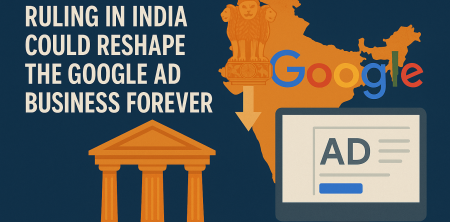
The recent ruling by the Delhi High Court on May 22 has ignited fresh debate over the practices of the Google ad business, particularly concerning its use of trademarked keywords. The court found Google liable for trademark infringement in a case brought by bathroom fittings manufacturer Hindware. The judgment awarded nominal damages of ₹3 million (approximately $31,600) to Hindware, which claimed that Google allowed competitors to use its brand name as a keyword in advertising. This situation raises significant questions about the implications of such practices for established brands and the future of digital advertising.
Understanding the Court's Ruling
The Delhi High Court's ruling is a pivotal moment in the ongoing discourse surrounding digital advertising and trademark rights. The judges criticized Google for its keyword advertising practices, stating that they enable competitors to divert potential customers away from established brands like Hindware. The implications of this ruling go beyond the immediate case and call into question the entire framework of how trademarks are treated within the Google ad business.
At the heart of the matter is the way Google allows advertisers to bid on keywords that include registered trademarks. In this instance, Hindware argued that allowing rivals to use their brand name in ad campaigns was a form of consumer deception, effectively misguiding customers searching for Hindware products. The ruling underlines the need for greater scrutiny of how digital platforms manage brand identities and compete in the online space.
Impact on Trademark Law and Digital Advertising
This case has ushered in a renewed discussion about the intersection of trademark law and digital advertising. Legal experts and business founders are contemplating how this ruling could influence future court decisions and the operational norms of companies like Google. The precedent set by this ruling might encourage more brands to challenge Google’s practices, potentially leading to a series of lawsuits focused on trademark infringement in the realm of keywords.
The implications extend beyond India, as countries worldwide grapple with similar challenges in the digital advertising landscape. The growing concern among brands about preserving their identity while competing in an increasingly crowded marketplace underscores the critical need for reform in how digital platforms operate.
Voices from the Business World
In response to the court's ruling, numerous founders and business leaders have voiced their support for Hindware's stance against Google. They argue that the ruling represents a critical step in defending brand integrity in a digital age where the lines between legitimate competition and unfair advantage are often blurred. For many, the ruling serves as a warning shot to Google and similar companies that their current practices may need to undergo rigorous reevaluation.
As the tech world watches closely, founders of various startups have expressed optimism that this case could trigger a broader movement aimed at reforming how digital advertising operates. They maintain that a system that allows rivals to capitalize on established brand names undermines fair competition and consumer trust.
The Broader Implications for Google
This ruling poses a significant challenge for the Google ad business, compelling the tech giant to reassess its keyword advertising policies. As criticism mounts, Google may need to implement changes to comply with legal standards while maintaining its position as a leader in digital advertising. This could involve revising its advertising models and introducing more stringent guidelines surrounding trademark usage in ad campaigns.
Furthermore, Google must navigate the delicate balance between allowing competition and protecting brand identity. The fallout from this ruling could result in a paradigm shift in how digital platforms manage trademarked content, ultimately affecting their revenue streams and relationships with advertisers. (See: trademark infringement overview.)
Comparing Global Regulations
The Indian ruling is part of a larger trend where countries are becoming increasingly vigilant about how digital advertising practices intersect with trademark law. In the United States and European Union, similar cases have emerged, showcasing the contentious nature of keyword advertising and trademark infringement.
For instance, the European Union has implemented strict regulations to protect consumer rights, which has prompted tech companies to adapt their advertising strategies accordingly. If other countries follow India's example, we may see a wave of lawsuits aiming to curtail the practices of major digital platforms, thereby influencing the global advertising landscape.
Long-Term Effects on Consumer Behavior
The ramifications of the Delhi High Court's ruling may extend beyond the business realm and significantly impact consumer behavior. With growing awareness of trademark issues in digital advertising, consumers may become more cautious when interacting with ads that utilize familiar brand names without proper disclosure.
Additionally, this ruling may instigate a shift in brand loyalty. If consumers perceive that they are being misled by keyword advertisements, they could develop distrust toward the platforms that allow such practices. Brands that proactively address these concerns and enhance their digital marketing strategies may find themselves better positioned to retain consumer trust and loyalty.
Legal Perspectives on Trademark and Digital Advertising
Legal experts emphasize the importance of consistency in how trademark laws are applied within the digital advertising domain. This court ruling could serve as a precedent, prompting other courts to evaluate keyword advertising practices critically and determine the extent to which they infringe upon trademark rights.
As various jurisdictions begin to define how trademark law applies to digital advertising, companies will need to remain vigilant and adaptable. The evolution of these laws will likely shape the future of digital marketing, compelling platforms like Google to alter their business models to align with legal expectations.
Actionable Steps for Brands to Protect Their Identity
In light of the recent ruling, brands need to take proactive measures to protect their identities within the online advertising space. Here are some strategies that businesses can adopt:
- Monitor Keyword Usage: Regularly track how your brand name is being used in digital advertising to identify any unauthorized usage by competitors.
- Consult with Legal Experts: Work with legal professionals to understand trademark rights and evaluate the efficacy of current advertising strategies.
- Engage in Consumer Education: Inform consumers about the importance of brand authenticity and how they can recognize genuine advertisements.
- Advocate for Policy Changes: Join industry coalitions to advocate for stricter regulations on trademark usage in digital advertising, fostering a fair competitive environment.
Conclusion: A Pivotal Moment for the Google Ad Business
The Delhi High Court's ruling serves as a pivotal moment for the Google ad business and the broader landscape of digital advertising. As this case continues to resonate through the tech industry, it emphasizes the need for greater accountability and transparency in how brands are represented in online advertising.
With discussions surrounding trademark rights gaining momentum, Google and other digital platforms may face mounting pressure to reevaluate their advertising practices. As legal frameworks continue to evolve, brands must remain vigilant, ensuring that they protect their identities while navigating the complexities of the digital marketplace.
FAQs About the Google Ad Business and Trademark Issues
What is the Google ad business?
The Google ad business refers to Google's various advertising services, including Google Ads, which allows businesses to display ads on Google search results and across the Google Display Network. It utilizes a pay-per-click model where advertisers bid on keywords to have their ads shown when users search for those terms. (See: impact of advertising practices.)
How does Google handle trademarked keywords?
Google permits advertisers to bid on trademarked keywords, but the company has guidelines that state ads must not mislead users. However, issues arise when competitors use a brand's trademark to attract customers searching for that brand, leading to potential confusion.
What are the potential consequences of the Delhi High Court ruling for Google?
The ruling could compel Google to reconsider its current advertising policies, particularly those related to trademark usage. It may also inspire other countries to implement similar legal standards, leading to broader changes in how online advertising is regulated globally.
What should businesses do if they believe their trademark is being misused in ads?
Businesses should document any instances of unauthorized use of their trademarks, consult with legal counsel specializing in intellectual property, and consider sending cease-and-desist letters or pursuing legal action if necessary.
What impact does keyword advertising have on consumer trust?
Keyword advertising can significantly impact consumer trust. If consumers feel misled by ads that use familiar brand names without proper context, they may become skeptical of the platforms hosting these ads, ultimately affecting their purchasing decisions.
Are there any alternatives to using trademarked keywords in digital advertising?
Yes, brands can focus on building their own unique keywords, emphasizing brand identity, and using descriptive terms that relate to their products or services. This approach can help improve search engine rankings while avoiding potential legal challenges associated with trademark usage.
Future Trends in Digital Advertising and Trademark Law
As the digital landscape continues to evolve, several trends are emerging that may shape the future of the Google ad business and trademark law:
- Increased Regulatory Scrutiny: Governments worldwide are likely to impose stricter regulations on digital advertising practices, particularly on how trademarks are utilized in ads.
- Emphasis on Transparency: Consumers are demanding more transparency from brands regarding how their data is used and how ads are targeted. Brands that uphold transparency will likely build stronger loyalty and trust.
- Rise of AI in Advertising: Artificial intelligence is becoming increasingly integral to digital advertising strategies, leading to more personalized and targeted ads. However, this raises new questions about data ethics and consumer privacy. Advertisers will need to navigate the ethical implications of using AI, ensuring their practices align with consumer expectations.
- Adoption of Alternative Advertising Platforms: Brands may explore alternative advertising platforms beyond Google, diversifying their marketing strategies to mitigate risks associated with regulatory changes. This diversification can lead to a more balanced advertising approach, reducing dependency on a single platform.
The Role of Social Media in Digital Advertising
Social media platforms have dramatically transformed the advertising landscape, providing brands with unique opportunities to engage directly with consumers. Companies now leverage platforms like Facebook, Instagram, and Twitter to create targeted ads that resonate with specific demographics. This shift in advertising focus can serve as a response to the challenges posed by keyword advertising and trademark infringements, as brands seek to establish a more authentic connection with their audiences.
In addition, social media allows for interactive advertising strategies, such as influencer marketing, where brands collaborate with popular figures to promote their products. These strategies often rely less on traditional keyword bidding and more on genuine content and engagement. As the digital advertising landscape continues to evolve, brands that harness the power of social media effectively may find themselves at a significant advantage over those relying solely on search engine advertising. (See: New York Times coverage of Google lawsuit.)
Building Brand Loyalty in a Competitive Landscape
In light of the complexities introduced by keyword advertising and trademark issues, building brand loyalty is more important than ever. Companies can focus on creating compelling content that showcases their values and mission, allowing consumers to connect with them on a deeper level. Engaging storytelling, customer testimonials, and transparent business practices can significantly enhance a brand's reputation and foster long-term loyalty among consumers.
Furthermore, loyalty programs and personalized marketing strategies can help reinforce consumer connections, encouraging repeat purchases and advocacy. Brands that prioritize customer experience and satisfaction are more likely to thrive amid the competitive digital landscape, where consumers have numerous options at their fingertips.
Conclusion: Navigating the Future of Digital Advertising
The interplay between trademark law and digital advertising is evolving rapidly, and the recent Delhi High Court ruling is a clear indication that businesses must adapt to these changes. As the legal landscape shifts, brands will need to be proactive in protecting their identities while also navigating the complexities of advertising on platforms like Google.
Ultimately, the future of the Google ad business and its relationship with trademark rights will depend on balancing innovation, consumer trust, and adherence to legal frameworks. In this dynamic environment, brands that remain vigilant and informed about these developments will be better positioned to thrive in the digital marketplace.
Next Steps for Brands in the Digital Advertising Space
Brands facing the evolving landscape of digital advertising should consider taking the following steps to ensure they are well-prepared:
- Conduct Regular Audits: Regularly assess your advertising strategies to ensure compliance with current legal standards and best practices in digital marketing.
- Invest in Training: Provide training for marketing teams on trademark law and ethical advertising practices, ensuring they are equipped to navigate the complexities of the digital space.
- Stay Updated: Keep abreast of changes in laws and regulations related to digital advertising and trademark issues, adjusting strategies accordingly.
- Engage with Legal Advisors: Maintain ongoing communication with legal advisors to address any concerns related to trademark usage and advertising strategies.
By taking these steps, brands can better navigate the challenges posed by the Google ad business and maintain their competitive edge in the digital advertising landscape.
```
Trending Now
Frequently Asked Questions
What was the recent ruling by the Delhi High Court regarding Google ads?
The Delhi High Court ruled that Google was liable for trademark infringement by allowing competitors to use the brand name of bathroom fittings manufacturer Hindware as a keyword in their ads. The court awarded Hindware nominal damages of ₹3 million, raising important questions about trademark rights in digital advertising.
How does the Delhi High Court ruling affect Google's advertising practices?
The ruling criticizes Google's keyword advertising practices, suggesting they mislead consumers by allowing competitors to bid on trademarked brand names. This decision could reshape how digital platforms handle trademark rights and competition in advertising.
What implications does the ruling have for trademark law?
This ruling may set a precedent for future cases involving trademark rights in digital advertising, prompting brands to challenge the practices of companies like Google. It emphasizes the need for clearer regulations on how trademarks are used online.
Why did Hindware sue Google?
Hindware sued Google for allowing competitors to use its brand name as a keyword in ads, arguing that this practice misled consumers and diverted potential customers away from its products, constituting trademark infringement.
What are the potential effects of this ruling on digital advertising?
The ruling could lead to significant changes in how digital advertising operates, potentially increasing scrutiny on how platforms manage brand identities and prompting more brands to protect their trademarks against misuse in online advertising.
Agree or disagree? Drop a comment and tell us what you think.

