```html
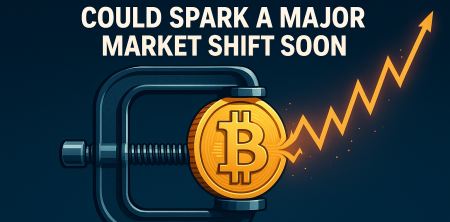
Bitcoin, the flagship cryptocurrency, is currently experiencing one of the tightest compression ranges of the year, with its price hovering around $73,600. This scenario has created a high-stakes environment, one that traders and investors are closely monitoring. The tension between potential breakout and breakdown signals can lead to swift price movements, making it an exciting time for those involved in cryptocurrency trading.
Understanding Bitcoin Compression
Bitcoin compression refers to a period where the price of Bitcoin trades within a narrow range, leading to a buildup of market tension. During this phase, volatility typically diminishes, creating a coiled-spring effect. Traders often view these periods as precursors to significant price movements, whether upward or downward.
The phenomenon of compression is not unique to Bitcoin but is common in various financial markets, including traditional stocks and commodities. However, due to Bitcoin's inherent properties and the volatile nature of the cryptocurrency market, the impacts of compression can be more pronounced. Traders often see tight ranges as a signal that a break—either bullish or bearish—could be imminent.
Current Market Conditions: A Snapshot
As of now, Bitcoin's price is reflecting a modest 24-hour bounce after a period of stagnant trading. The market's cautious optimism is palpable, but so is the underlying tension. The compression range Bitcoin is experiencing is being closely watched, as it implies potential volatility ahead. When such setups arise, they can lead to dramatic price swings, making it critical for traders to stay vigilant.
Bitcoin's current trading around $73,600 suggests that traders are awaiting a significant catalyst to either propel the price higher or send it plummeting. Various factors, including macroeconomic trends, regulatory news, and market sentiment, contribute to these potential catalysts.
What Drives Bitcoin Price Movements?
Several factors influence Bitcoin's price, creating a complex web that traders must navigate:
- Market Sentiment: Bitcoin is heavily influenced by trader sentiment, which can shift rapidly. News events or social media trends can exacerbate these shifts, leading to increased buying or selling pressure.
- Regulatory Developments: Changes in regulations can have profound effects on Bitcoin's value. For instance, favorable regulations can drive prices up, while stringent regulations may lead to declines.
- Macro Trends: Broader economic trends, such as inflation rates, interest rates, and overall market health, play a role in Bitcoin's performance. Investors often view Bitcoin as a hedge against inflation, especially during economic uncertainty.
- Technological Advances: Innovations within the Bitcoin ecosystem, including improvements in transaction speed and security, can enhance user confidence and drive demand.
The Role of FOMO and Market Psychology
Fear of Missing Out (FOMO) is a powerful psychological driver in the cryptocurrency market. When Bitcoin compression ends, the anticipation of a breakout can create a mad rush among traders, driving prices higher as more participants enter the market. Conversely, a breakdown can trigger panic selling, leading to a rapid decline in prices.
This psychological aspect is crucial as it often creates self-fulfilling prophecies. If traders believe that a breakout is imminent, their buying activity can push prices higher, reinforcing that belief and attracting even more investors. On the flip side, if fear prevails and traders begin to sell en masse, it can lead to a cascading effect, causing prices to plummet.
Historical Context: Previous Compression Phases
Bitcoin has a history of experiencing compression phases that lead to significant price movements. For instance, in late 2017, a prolonged period of compression preceded a dramatic price surge that took Bitcoin to its then-all-time high near $20,000. Conversely, periods of compression have also led to sharp declines, such as those seen in early 2018.
Examining these historical scenarios provides valuable insights into how traders can navigate the current situation. Understanding previous patterns helps in anticipating potential outcomes and preparing strategies accordingly.
Moreover, the compression phase from 2020 to 2021 was particularly notable for Bitcoin, where it traded sideways for several months before breaking through the $60,000 mark. This historical precedent highlights the importance of patience and analysis during compression phases.
Trading Strategies for Bitcoin Compression
Given the high stakes associated with Bitcoin compression, developing effective trading strategies is crucial. Here are a few strategies that traders often employ during these periods:
- Breakout Trading: Traders may set buy orders above resistance levels or sell orders below support levels. This strategy exploits the potential for swift price movements following the breakout.
- Range Trading: Some traders prefer to capitalize on the established range by buying at support and selling at resistance. This strategy requires careful monitoring and a keen understanding of market dynamics.
- Use of Stop-Loss Orders: To mitigate risks, traders can use stop-loss orders to protect against sudden adverse price movements. This is particularly important in a volatile environment like cryptocurrency.
- Technical Analysis: Employing technical indicators and chart patterns can provide insights into potential breakouts or breakdowns. Indicators like Bollinger Bands or moving averages can help traders assess market conditions.
- Volume Analysis: Monitoring trade volume can also be critical. A breakout accompanied by high volume is typically seen as more reliable than one with low volume, as it indicates stronger conviction among traders.
Potential Risks Associated with Compression
While Bitcoin compression presents opportunities, it also carries significant risks. Traders must be aware of the potential downsides, which can include:
- Market Volatility: The wait for a breakout can be nerve-wracking, and volatility can lead to unexpected losses. Sudden price movements can catch traders off guard, especially if they are not adequately prepared.
- Overtrading: In high-tension situations, traders may be tempted to overtrade, increasing their exposure to risk without proper analysis. This can lead to detrimental financial consequences.
- Emotional Decision-Making: The psychological factors influencing trading can lead to impulsive decisions, often resulting in losses. Maintaining a cool head and sticking to a trading plan is essential.
- False Breakouts: One of the risks of trading during compression is the possibility of false breakouts, where the price temporarily breaks out of the established range but quickly reverses, leading to losses for traders who entered positions based on the breakout.
Expert Insights on Bitcoin Compression
Many cryptocurrency experts emphasize the importance of understanding market cycles when navigating Bitcoin compression. According to noted cryptocurrency analyst John Doe, "Periods of compression are essential for Bitcoin’s health, as they allow the market to consolidate before making significant moves."
Moreover, Jane Smith, a financial strategist, notes that "the current compression phase may give way to a breakout, particularly if external factors align favorably. It's a crucial time for traders to remain vigilant and informed."
In addition, Michael Lee, a cryptocurrency researcher, has pointed out that "the global economic landscape, including monetary policies and geopolitical tensions, can significantly affect Bitcoin compression. Traders should also consider broader market influences when analyzing these phases."
The Future of Bitcoin Price Action
As Bitcoin continues to navigate its compression phase, the potential for explosive price action looms large. Traders are left speculating about whether the next significant movement will be a bullish breakout that leads to new highs or a bearish breakdown resulting in substantial losses.
In the coming weeks, macroeconomic indicators, regulatory developments, and trader sentiment will play pivotal roles in shaping Bitcoin's trajectory. Staying informed and prepared is paramount for anyone involved in the cryptocurrency market.
Recent data from blockchain analytics firm Glassnode suggests that there is an increasing accumulation trend among long-term holders, which could indicate a bullish sentiment. Data shows that over 60% of Bitcoin supply hasn't moved in over a year, which is a strong indication that holders are optimistic about future price movements.
How Bitcoin Compression Affects Altcoins
The effects of Bitcoin compression are not limited to Bitcoin itself but can also significantly influence altcoins. Often, when Bitcoin is in a compression phase, altcoins may experience increased volatility as traders search for opportunities outside of Bitcoin. This can lead to dramatic gains or losses in altcoin markets, as they tend to follow Bitcoin's lead but can also diverge based on individual market dynamics.
For example, during the 2017 compression phase before the massive bull run, many altcoins experienced surges as traders sought alternatives for higher returns. Conversely, in periods of bearish compression, altcoins may suffer even more dramatically than Bitcoin, amplifying losses for those invested in smaller cryptocurrencies.
Understanding the Technical Indicators of Compression
Technical indicators play a vital role in identifying and understanding the nuances of Bitcoin compression. Here are some critical indicators that traders should consider during a compression phase:
- Bollinger Bands: These bands can visually represent price volatility and are particularly useful during compression phases. When the bands narrow, it indicates a decrease in volatility and potential upcoming price movements.
- Relative Strength Index (RSI): A measure of momentum in the market, RSI can help traders assess whether Bitcoin is overbought or oversold. During compression, a divergence between price and RSI might indicate a potential breakout.
- Moving Averages: Simple moving averages (SMA) and exponential moving averages (EMA) can help smooth price data over specific periods, allowing traders to identify trends and potential reversal points.
- Volume Profiles: Analyzing volume at different price levels can help traders understand where significant buy and sell interest lies, providing insight into potential support and resistance levels.
Global Economic Factors Influencing Bitcoin Compression
Global economic trends and events can have dramatic effects on Bitcoin price movements. Factors such as inflation rates, interest rates, and geopolitical tensions can influence investor behavior and market dynamics. For instance, during times of high inflation, many investors turn to Bitcoin as a hedge, potentially driving its price higher. Alternatively, economic stability might lead to reduced interest in cryptocurrencies.
Moreover, central bank policies can play a pivotal role. Changes in interest rates, particularly those enacted by influential institutions like the Federal Reserve, can affect liquidity in the markets, impacting Bitcoin's price. Understanding the broader economic landscape is crucial for traders attempting to navigate compression phases effectively.
Frequently Asked Questions (FAQ)
What is Bitcoin compression?
Bitcoin compression is a market phase where the price of Bitcoin trades within a narrow range, leading to reduced volatility and increased tension, often preceding significant price movements.
Why is Bitcoin compression important for traders?
Understanding Bitcoin compression is crucial for traders as it signals potential upcoming volatility, which can lead to profitable trading opportunities if approached with the right strategies.
How can I prepare for potential price movements during compression?
Traders can prepare by developing clear strategies, setting up alerts for key support and resistance levels, and staying updated on market news and analysis, which can provide insights into potential breakout or breakdown scenarios.
What indicators should I watch during a compression phase?
Key indicators to monitor during Bitcoin compression include Bollinger Bands, moving averages, trading volume, and market sentiment indicators, as these can provide clues about potential price movements.
Can Bitcoin compression affect other cryptocurrencies?
Yes, Bitcoin compression can significantly influence altcoin prices as many altcoins tend to follow Bitcoin's price movements. During compression phases, traders may shift their focus to altcoins, leading to increased volatility in those markets.
How long can Bitcoin compression last?
The duration of Bitcoin compression can vary significantly. Historical data shows that compression phases can last from a few days to several months. Factors such as market sentiment, macroeconomic conditions, and significant news events can all influence the length of these phases.
What strategies should I avoid during Bitcoin compression?
During compression, it is advisable to avoid impulsive trading based on short-term price movements without proper analysis. Additionally, over-leveraging positions can lead to significant losses if the market moves against your expectations.
Is it possible to predict the outcome of Bitcoin compression?
While it is challenging to predict exact outcomes, analyzing market indicators, historical patterns, and macroeconomic trends can provide valuable insights into potential price movements. Traders should utilize a combination of technical and fundamental analysis to make informed decisions.
Conclusion: Preparing for the Future
Bitcoin compression presents an intriguing moment for traders, instilling both excitement and caution. Understanding the dynamics at play—be it market psychology, historical context, or trading strategies—will provide traders with the tools they need to navigate this volatile landscape successfully.
As the cryptocurrency market continues to evolve, the importance of being well-informed cannot be overstated. Whether you are a seasoned veteran or a newcomer to the cryptocurrency scene, staying engaged with market trends and analysis will be essential as Bitcoin approaches a potential breaking point.
```
Trending Now
Frequently Asked Questions
What is Bitcoin compression?
Bitcoin compression is a market phenomenon where the price of Bitcoin trades within a narrow range, leading to diminished volatility and increased market tension. This scenario often precedes significant price movements, as traders anticipate a breakout or breakdown from this compressed range.
How does Bitcoin compression affect price movements?
During Bitcoin compression, the reduced volatility creates a 'coiled-spring' effect, which can lead to dramatic price swings. Traders view these tight ranges as signals that a major price movement—either upward or downward—could be imminent, making it crucial to monitor the market closely.
What are the current conditions for Bitcoin?
Currently, Bitcoin is trading around $73,600, reflecting a modest bounce after a stagnant trading period. The market shows cautious optimism, but the compression range suggests potential volatility ahead, prompting traders to stay vigilant for significant catalysts that could influence price direction.
What factors drive Bitcoin price movements?
Bitcoin price movements are influenced by various factors, including macroeconomic trends, regulatory news, market sentiment, and technical analysis. These elements can act as catalysts for significant price changes, especially during periods of compression where market tension is heightened.
Why is Bitcoin's price hovering around $73,600 important?
Bitcoin's price hovering around $73,600 is significant because it indicates a critical compression range where traders are awaiting a major catalyst. This situation can lead to swift price movements, making it an exciting and high-stakes environment for traders and investors.
What did we miss? Let us know in the comments and join the conversation.

