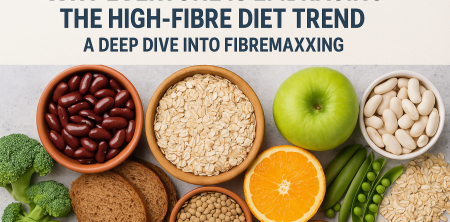
```html
The Rise of Fibremaxxing
In recent months, a new trend dubbed "fibremaxxing" has taken social media by storm, capturing the attention of health enthusiasts and casual browsers alike. This movement encourages individuals to dramatically boost their daily intake of dietary fibre, a nutrient synonymous with numerous health benefits. But what is behind this surge in popularity? Is a high fibre diet merely another nutritional fad, or does it have legitimate health benefits?
Fibremaxxing embodies a blend of wellness culture and social media identity, inviting individuals to share their fibre-rich meals and experiences, thereby fostering a community around this dietary shift. This article will delve into the fundamentals of fibremaxxing, the scientific underpinnings of a high fibre diet, and the implications of this trend for public health.
Understanding Dietary Fibre
Before examining the fibremaxxing trend, it is essential to understand what dietary fibre is and why it plays a pivotal role in our health. Dietary fibre, a type of carbohydrate found in plant-based foods, is divided into two main categories: soluble and insoluble fibre. Each type serves different functions in the body.
Soluble Fibre
Soluble fibre dissolves in water, creating a gel-like substance in the digestive system. This type of fibre is known for its ability to lower blood cholesterol levels, regulate blood sugar, and promote satiety, which aids in weight management. Rich sources of soluble fibre include oats, beans, lentils, apples, and citrus fruits. Consuming these foods can help maintain healthy cholesterol levels and potentially reduce the risk of heart disease.
Insoluble Fibre
In contrast, insoluble fibre does not dissolve in water and adds bulk to the stool, aiding in digestive health. It plays a crucial role in preventing constipation and promoting regular bowel movements. Foods high in insoluble fibre include whole grains, nuts, seeds, and the skins of many fruits and vegetables like potatoes and carrots. A diet rich in insoluble fibre can significantly contribute to a healthy digestive system.
The Benefits of a High Fibre Diet
Research consistently supports the health benefits of a high fibre diet. According to the American Heart Association, increasing fibre intake is linked to a reduced risk of heart disease, stroke, and type 2 diabetes. Additionally, a high fibre diet can aid in weight management due to its ability to enhance feelings of fullness.
Moreover, fibre is essential for gut health. A recent study published in the journal Nature found that high fibre consumption promotes the growth of beneficial gut bacteria, which in turn contributes to overall health. These bacteria ferment soluble fibres, producing short-chain fatty acids that can improve the health of the intestinal lining and reduce inflammation.
Fibremaxxing: A Social Media Phenomenon
The digital age has created a platform for trends like fibremaxxing to flourish. Social media users are increasingly sharing their fibre-filled meals, touting the benefits of their high fibre diet and encouraging others to join the movement. This phenomenon fuels a sense of community, as individuals compare their fibre intake and discuss their dietary experiences.
Fibremaxxing has become more than just a dietary choice; it has evolved into a lifestyle that emphasizes health, wellness, and community engagement. The hashtag #fibremaxxing has gained traction across platforms like Instagram and TikTok, where users post vibrant images of fibre-rich meals, from smoothies to salads, highlighting the vibrant and diverse options available.
Is Fibremaxxing Evidence-Based?
As with any health trend, it is crucial to examine the evidence supporting fibremaxxing. While general recommendations suggest a daily fibre intake of 25 grams for women and 38 grams for men, many individuals may not meet these targets. The push for a high fibre diet through fibremaxxing is rooted in sound nutritional principles. (See: Health benefits of dietary fiber.)
However, there are debates about the extreme nature of fibremaxxing. Some experts caution against radical increases in fibre intake without allowing the body to adjust. Sudden, excessive fibre consumption can lead to digestive discomfort, including bloating, gas, and cramps. Therefore, a gradual increase in fibre intake, accompanied by adequate hydration, is advised.
Foods to Include in a High Fibre Diet
To successfully embrace a high fibre diet, individuals should focus on incorporating a variety of fibre-rich foods into their meals. Here are some top choices:
- Oats: A fantastic source of soluble fibre that can help lower cholesterol.
- Beans and Lentils: High in fibre and protein, these legumes are versatile for any meal.
- Fruits: Apples, pears, berries, and citrus fruits are excellent for their soluble fibre content.
- Vegetables: Broccoli, carrots, and Brussels sprouts not only provide fibre but also essential vitamins.
- Nuts and Seeds: Almonds, chia seeds, and flaxseeds are great sources of both soluble and insoluble fibre.
- Whole Grains: Brown rice, barley, and whole wheat bread contribute significantly to your fibre intake.
The Risks of Excessive Fibre Intake
While fibre is undoubtedly beneficial, it is essential to consume it in moderation and balance. Over-consuming fibre, particularly through processed high-fibre foods, can lead to adverse health effects. Symptoms such as gas, bloating, and abdominal discomfort are common when fibre intake is significantly increased without adequate adjustment.
Moreover, individuals with certain gastrointestinal conditions may need to limit their fibre intake, particularly those with irritable bowel syndrome (IBS) or other digestive disorders. In these cases, consulting with a healthcare professional before embarking on a high fibre diet is crucial.
Expert Perspectives on Fibremaxxing
Health professionals and nutritionists have weighed in on the fibremaxxing trend, offering insights and recommendations for those considering a high fibre diet. Many experts acknowledge the potential benefits of a high fibre diet but stress the importance of a balanced approach.
Registered Dietitian Sarah Johnson notes, "Fibremaxxing can be beneficial for those looking to improve their digestive health and overall well-being. However, it’s important to prioritize a variety of nutrients beyond just fibre. A balanced diet is key to any healthy lifestyle." This perspective emphasizes the need to incorporate diverse food groups rather than focusing solely on fibre.
Practical Tips for Transitioning to a High Fibre Diet
If you’re considering adopting a high fibre diet through fibremaxxing, here are some practical tips to transition smoothly:
- Increase Gradually: Slowly increase your fibre intake to allow your digestive system to adjust.
- Stay Hydrated: Drink plenty of water, which helps fibre do its job effectively.
- Track Your Intake: Use apps or journals to monitor your fibre intake and ensure you meet your goals.
- Mix It Up: Introduce a variety of fibre-rich foods to benefit from both soluble and insoluble fibre.
- Listen to Your Body: Pay attention to how your body responds to increased fibre and adjust as necessary.
The Future of Fibremaxxing
As fibremaxxing continues to gain momentum, it will be interesting to see how it evolves in the broader context of dietary trends. With the increasing focus on gut health and the importance of a high fibre diet, it is likely that this trend will maintain its relevance in the health and wellness discourse.
Public health campaigns may also begin to incorporate elements of fibremaxxing as a part of their messaging, promoting the consumption of fibre-rich foods. The conversation around fibre is shifting from merely a nutritional guideline to a lifestyle choice, and its importance is being recognized by a growing number of individuals.
Challenges in Implementing a High Fibre Diet
While adopting a high fibre diet can be immensely beneficial, challenges may arise for individuals trying to incorporate more fibre into their meals. These challenges can include:
- Time Constraints: Preparing high-fibre meals often requires more time for cooking and planning compared to convenience foods. Pre-packaged meals tend to be lower in fibre and higher in processed ingredients.
- Cost of Fresh Produce: Many high-fibre foods, such as fruits and vegetables, can be more expensive, making it difficult for individuals on a tight budget to consistently incorporate them into their diets.
- Taste Preferences: Some individuals may find it challenging to enjoy high-fibre foods, particularly if they are used to a diet rich in processed foods and sugars. This can lead to resistance against making the transition.
- Digestive Changes: As mentioned previously, suddenly increasing fibre intake can cause gastrointestinal discomfort, which may deter individuals from sticking to their new dietary plan.
Statistics on Dietary Fibre Intake
Statistics reveal that many people fall short of recommended fibre intake levels. According to the Centers for Disease Control and Prevention (CDC), only about 5% of adults consume the recommended amount of fibre daily. This is concerning, considering the numerous health benefits associated with an adequate fibre intake. (See: CDC on health benefits of fiber.)
Furthermore, surveys have indicated that dietary fibre intake is correlated with lower rates of obesity and chronic diseases. A study published in the journal Obesity found that individuals who consumed more than 30 grams of fibre per day had a lower risk of obesity and metabolic syndrome compared to those who consumed less than 15 grams of fibre daily. This highlights the potential of a high fibre diet in combating public health crises related to obesity and related diseases.
Comparing High Fibre Diets Across Different Cultures
Different cultures around the world have unique dietary patterns that emphasize high fibre intake. For example:
- Traditional Mediterranean Diet: Known for its high consumption of fruits, vegetables, legumes, and whole grains, this diet is rich in fibre and has been linked to numerous health benefits, including reduced risk of heart disease and improved cognitive function.
- Indian Cuisine: Indian diets often include a variety of lentils, beans, and whole grains, contributing to high fibre consumption. Staples such as whole wheat roti and dal (lentil soup) are common in many meals.
- Japanese Diet: The traditional Japanese diet is rich in vegetables, fish, and fermented foods, with a strong emphasis on whole grains like brown rice and barley. This offers a diverse range of fibres that promote health and longevity.
FAQ about High Fibre Diet and Fibremaxxing
What is fibremaxxing?
Fibremaxxing is a trend that encourages individuals to significantly increase their daily dietary fibre intake, often by sharing meals and experiences on social media to foster a community around this dietary shift.
How much fibre should I consume daily?
The recommended daily fibre intake is about 25 grams for women and 38 grams for men. However, individual needs may vary based on factors such as age, sex, and overall health.
Can I eat too much fibre?
Yes, consuming excessive amounts of fibre can lead to digestive discomfort such as bloating, gas, and abdominal pain. It's important to increase fibre intake gradually and stay hydrated.
What are some easy ways to increase my fibre intake?
Simple ways to boost fibre intake include adding beans to salads and soups, snacking on fruits and vegetables, choosing whole grain options for bread and pasta, and incorporating nuts and seeds into meals and snacks.
Are there any risks associated with a high fibre diet?
While a high fibre diet is generally safe for most people, those with certain gastrointestinal issues, such as IBS, may need to limit their fibre intake. It's advisable to consult with a healthcare professional if you have any concerns.
What types of foods should I avoid on a high fibre diet?
While following a high fibre diet, it's best to limit processed foods that are low in fibre and high in sugars and unhealthy fats. Examples include sugary snacks, white bread, and processed meats.
Is there a difference between soluble and insoluble fibre?
Yes, soluble fibre dissolves in water and can help lower blood cholesterol and control blood sugar levels. Insoluble fibre does not dissolve in water and is key for digestive health, adding bulk to stool and preventing constipation. (See: WHO on healthy diets and fiber.)
Can dietary fibre help with weight loss?
Absolutely! A high fibre diet can increase feelings of fullness, decrease appetite, and promote healthy digestion, all of which can contribute to weight loss. Foods rich in fibre tend to be less calorie-dense, which can also help with weight management.
What are some high fibre snacks I can enjoy?
High fibre snacks include air-popped popcorn, raw vegetables with hummus, fruits like apples and berries, whole grain crackers, and nuts such as almonds and walnuts. These options can help you meet your fibre goals while satisfying your hunger.
The Importance of Hydration in a High Fibre Diet
One critical aspect of implementing a high fibre diet is the importance of hydration. When increasing fibre intake, especially soluble fibre, consuming adequate amounts of water is essential. Fibre absorbs water in the digestive system, which can help to soften stool and promote regular bowel movements.
Experts suggest that for every increase in fibre intake, it is advisable to increase water consumption correspondingly. Failing to do so can lead to constipation or gastrointestinal discomfort. A general rule of thumb is to aim for at least eight 8-ounce glasses of water per day, but this can vary based on individual needs, activity levels, and climate.
The Role of Fibre in Disease Prevention
A high fibre diet has been linked to the prevention of various chronic diseases. Studies have shown that diets rich in fibre can lower the risk of developing heart disease, stroke, diabetes, and certain types of cancer, particularly colorectal cancer. For instance, research indicates that for every additional 10 grams of dietary fibre consumed, the risk of developing type 2 diabetes decreases by 30%.
Moreover, fibre's ability to regulate blood sugar levels is crucial for individuals at risk of diabetes. By slowing the absorption of sugar, a high fibre diet can help manage insulin levels and improve overall metabolic health.
Conclusion
In conclusion, fibremaxxing is an exciting trend that showcases the growing interest in dietary fibre and its health benefits. While there are merits to adopting a high fibre diet, it is vital to approach this trend with a balanced perspective. By understanding the importance of both soluble and insoluble fibre, incorporating a range of fibre-rich foods, and considering individual health needs, individuals can successfully navigate the fibremaxxing journey. The conversation about dietary fibre is evolving, and it is clear that a high fibre diet has a significant role in promoting overall health and wellness.
```
Trending Now
Frequently Asked Questions
What is fibremaxxing?
Fibremaxxing is a trending dietary approach that encourages individuals to significantly increase their daily intake of dietary fibre. This movement has gained popularity on social media, where participants share their fibre-rich meals and experiences, fostering a community focused on the health benefits of a high-fibre diet.
What are the benefits of a high-fibre diet?
A high-fibre diet is linked to numerous health benefits, including improved digestive health, better blood sugar regulation, lower cholesterol levels, and enhanced satiety which can aid in weight management. Foods rich in both soluble and insoluble fibre play a pivotal role in promoting overall health and preventing chronic diseases.
What foods are high in soluble fibre?
Foods that are rich in soluble fibre include oats, beans, lentils, apples, and citrus fruits. This type of fibre is known for its ability to lower cholesterol levels and regulate blood sugar, making it beneficial for heart health and weight management.
What foods are high in insoluble fibre?
Insoluble fibre can be found in whole grains, nuts, seeds, and the skins of many fruits and vegetables. This type of fibre adds bulk to stool, aids in digestion, and helps prevent constipation, promoting regular bowel movements.
Is a high-fibre diet just a fad?
While the popularity of fibremaxxing may seem like a trend, the health benefits of a high-fibre diet are supported by scientific evidence. Incorporating more dietary fibre into your diet can lead to significant health improvements and is considered a sustainable lifestyle change rather than a passing fad.
Agree or disagree? Drop a comment and tell us what you think.

