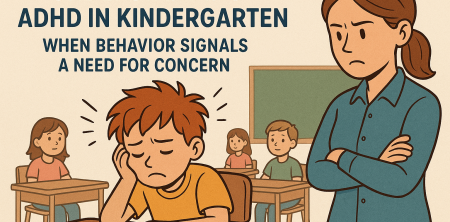
```html
Introduction: The Line Between Typical Behavior and ADHD in Kindergarten
As children transition into kindergarten, their behaviors and interactions evolve in ways that can be both exciting and challenging for parents and educators alike. One area of concern that often arises is identifying the difference between typical kindergarten behavior and signs of Attention Deficit Hyperactivity Disorder (ADHD). ADHD in kindergarten can manifest in various ways, such as impulsivity, hyperactivity, and difficulties in maintaining focus. Understanding when to be concerned is critical for early intervention and support.
1. Understanding ADHD: The Basics
ADHD is a neurodevelopmental disorder affecting children and can persist into adulthood. The symptoms include inattention, impulsivity, and hyperactivity. According to the Centers for Disease Control and Prevention (CDC), approximately 6.1 million children in the U.S. have been diagnosed with ADHD as of 2016. This statistic emphasizes the importance of recognizing ADHD, particularly in the formative years of kindergarten when behaviors are under scrutiny.
Recent research indicates that the symptoms of ADHD can present differently in young children compared to older children and adults. The diagnosis is based on criteria established in the Diagnostic and Statistical Manual of Mental Disorders (DSM-5), which includes a comprehensive evaluation of the child's behavior across multiple settings, such as home and school. Understanding these nuances is essential for parents and educators to differentiate between ADHD and typical behavior.
Furthermore, studies have shown that ADHD is often accompanied by other conditions such as anxiety and learning disabilities. These comorbidities can complicate the diagnosis and treatment process, making it crucial for educators and parents to look for a combination of symptoms rather than isolated behaviors.
According to a study published in the Journal of Child Psychology and Psychiatry, nearly 50% of children diagnosed with ADHD also show symptoms of anxiety disorders. This highlights the complexity of diagnosing ADHD, as overlapping symptoms can lead to misunderstandings about a child's challenges. Understanding these relationships can guide interventions and support strategies that address the whole child rather than focusing solely on ADHD symptoms.
2. Typical Kindergarten Behavior: What to Expect
Kindergarten is a time of exploration and learning, where children begin to develop their social skills, emotional regulation, and cognitive abilities. Typical kindergarten behavior includes a range of activities such as playing, learning new concepts, engaging in group activities, and occasionally exhibiting signs of impulsiveness or hyperactivity. It’s crucial to recognize that children at this age are still learning to manage their emotions and behaviors.
During classroom activities, children may experience fluctuations in engagement levels. For instance, a child might be attentive during storytime but lose interest during a more structured task. This variability is a normal part of development. Teachers often employ strategies to help maintain focus, such as interactive lessons and movement breaks, which are beneficial for all children, not just those with ADHD.
Additionally, children in kindergarten are typically very curious and easily distracted by their surroundings. This natural inclination can sometimes mimic behaviors associated with ADHD, like difficulty focusing or impulsivity. It is essential for caregivers to provide supportive environments where children can express themselves while also learning to channel their energy effectively.
According to a report by the National Association for the Education of Young Children (NAEYC), children in kindergarten may exhibit exploration behaviors, such as investigating classroom materials and interacting with peers, which are important for their development. Educators can create structured play opportunities that allow for exploration while teaching children to focus their attention, helping them develop essential skills in a supportive manner.
3. Recognizing the Red Flags of ADHD in Kindergarten
While all children exhibit varying degrees of impulsivity and hyperactivity, certain behaviors may signal potential concerns regarding ADHD. These red flags include consistent difficulty in focusing on tasks, excessive fidgeting, talking out of turn, and a tendency to interrupt others frequently. If these behaviors occur across multiple settings and persist over time, it may warrant further investigation.
Parents and educators should pay close attention to how children interact with peers and adults. For instance, a child with ADHD may struggle to wait their turn in games or conversations, leading to frustration among peers and teachers. Additionally, if a child shows a persistent lack of attention to details and often makes careless mistakes in schoolwork, it could indicate underlying challenges associated with ADHD.
Research suggests that children who exhibit these behaviors frequently may benefit from early screenings. The earlier these behaviors are identified, the more effectively interventions can be implemented, potentially leading to better long-term outcomes. Educators can be trained to recognize these signs, further emphasizing the importance of collaboration between parents, teachers, and mental health professionals. (See: ADHD facts from the CDC.)
A study published in the Journal of Attention Disorders indicates that children who display persistent difficulties in various environments—such as at home, in school, and during social interactions—are more likely to have ADHD. Assessing behaviors across different contexts can provide a clearer picture of a child's struggles and guide appropriate interventions.
4. The Role of Teachers and Caregivers in Observing Behavior
Teachers and caregivers are often the first to notice concerning behaviors in children. They can provide valuable insights into how a child behaves in different situations. Establishing open lines of communication between parents and educators is essential to track a child's progress and behavior effectively. Regular observations and assessments can help identify patterns that may indicate the presence of ADHD.
Teachers can utilize tools such as behavior checklists or observation logs to document specific behaviors and their frequencies. This data can then be shared with parents during regular meetings, providing a comprehensive view of the child's behavior both at home and in the classroom. Collaboration between parents and educators enhances the understanding of the child’s needs and can lead to timely interventions.
Moreover, teachers can play a proactive role by creating an inclusive classroom environment that accommodates the needs of all students. By incorporating various teaching methods and actively engaging children in learning, teachers can help minimize the impact of ADHD symptoms. Techniques such as incorporating hands-on activities or utilizing technology can cater to diverse learning styles.
In a study from the International Journal of Inclusive Education, it was shown that classrooms that employed differentiated instruction and included positive behavioral interventions saw a decrease in disruptive behaviors among students, including those with ADHD. This approach not only supports children with ADHD but also fosters a more inclusive environment for all learners.
5. Importance of Early Diagnosis and Intervention
Early diagnosis of ADHD can significantly impact a child's academic and social development. Research indicates that the sooner a child receives intervention, the better their outcomes tend to be. Effective interventions might include behavioral therapy, educational strategies, and, in some cases, medication. These approaches work best when tailored to the individual child's needs.
Early intervention can also improve a child's self-esteem and social skills, helping them navigate the often complex social environments of schools. Parents can advocate for their child by seeking evaluations from healthcare providers, which may include developmental assessments and psychological testing. These evaluations help create a comprehensive treatment plan that may involve collaboration with psychologists, special education teachers, and therapists.
Statistics show that children who receive early intervention for ADHD are less likely to face serious academic challenges later in life. A longitudinal study found that early treatment can reduce dropout rates and improve social relationships. Such findings underscore the necessity for parents and educators to act swiftly once concerns arise regarding a child's behavior.
Moreover, a meta-analysis conducted by the American Psychological Association found that early intervention programs can enhance the executive functioning skills of children with ADHD, resulting in better academic performance and social functioning. These statistics make a compelling case for prioritizing early diagnosis and intervention strategies for children exhibiting signs of ADHD.
6. Common Misconceptions About ADHD in Kindergarten
Several misconceptions surround ADHD that can hinder proper understanding and treatment. One common myth is that ADHD only affects boys, while research shows that girls also experience ADHD but may present symptoms differently. Girls might exhibit signs of inattention rather than hyperactivity, which can lead to underdiagnosis.
Another misconception is that ADHD is simply a result of poor parenting or lack of discipline. In reality, ADHD is a neurobiological condition, and blaming parents can create unnecessary stress and stigma. Understanding the complexities of ADHD is crucial for fostering supportive environments for children, where they can thrive despite their challenges.
Additionally, some might believe that ADHD is overdiagnosed, leading to unnecessary medication for children. However, expert opinions suggest that many children remain undiagnosed due to a lack of awareness or misconceptions about the disorder. It is essential for communities to engage in informative discussions to dispel these myths and foster understanding.
For example, a survey conducted by the National Institute of Mental Health indicated that many parents are not aware of the symptoms of ADHD beyond hyperactivity, leading to underreporting and underdiagnosis in girls. Education and awareness campaigns can help bridge this knowledge gap and promote early recognition of ADHD symptoms in all children.
7. Effective Strategies for Managing ADHD Symptoms in Kindergarten
Managing ADHD symptoms in kindergarten requires a multi-faceted approach that encompasses both home and school. Educators can implement structured routines, provide clear instructions, and use positive reinforcement to encourage desired behaviors. Visual schedules and timely breaks can also help maintain focus and alleviate impulsivity. (See: ADHD statistics from NIMH.)
At home, parents can create an environment that minimizes distractions during homework or quiet time. Breaking tasks into smaller, manageable steps can also enhance a child’s ability to focus. Encouraging physical activity is another effective strategy, as regular exercise can help reduce hyperactivity and improve concentration.
In recent studies, routine physical activity has been associated with improved attention spans and decreased impulsivity in children with ADHD. Schools that integrate physical activities into the daily schedule may see notable improvements in classroom behavior.
Moreover, implementing mindfulness practices can be beneficial. Simple breathing exercises or short meditation sessions can help children develop better self-regulation skills, reducing anxiety and impulsivity. Such practices can be taught at an early age and incorporated into daily routines both at home and in the classroom.
Research from the Journal of Pediatrics suggests that children with ADHD who engage in regular aerobic exercise display fewer behavioral problems and improved executive function. Schools should consider integrating physical education and movement into daily lessons to support children with ADHD effectively.
8. Resources for Parents and Educators
Numerous resources are available to assist parents and educators in understanding and supporting children with ADHD in kindergarten. Organizations such as the ADHD Coaches Organization (ACO) and CHADD (Children and Adults with Attention-Deficit/Hyperactivity Disorder) offer educational materials, support groups, and online forums for sharing experiences and strategies.
Additionally, books and online courses about ADHD can provide valuable insights into effective management techniques. Engaging with local support groups can also connect parents with others facing similar challenges, fostering a network of shared experiences and advice.
Online platforms and mobile applications have also emerged as valuable tools for tracking behaviors and implementing strategies at home and in the classroom. Apps designed for ADHD management can help parents and educators set reminders, schedule tasks, and track progress, making it easier to maintain consistency in routines.
Furthermore, many communities offer workshops and training sessions led by mental health professionals specializing in ADHD. Attending these workshops can empower parents and teachers with knowledge and skills to support children effectively.
Finally, the use of telehealth services has increased, providing access to mental health professionals for families in remote areas. These services can facilitate timely evaluations and ongoing support for children with ADHD.
9. Conclusion: Advocating for Your Child
Recognizing the signs of ADHD in kindergarten and understanding the difference between typical behavior and concerning behavior is essential for parents and educators. Advocacy plays a crucial role in ensuring children receive the support they need to succeed academically and socially. By fostering a collaborative environment and seeking appropriate resources, families can help children with ADHD navigate their early educational experiences more effectively.
As the conversation around ADHD continues to evolve, it is vital to challenge misconceptions and embrace a more informed perspective. With the right support, children with ADHD can thrive in kindergarten and beyond, paving the way for a successful educational journey.
10. Frequently Asked Questions (FAQ)
What are the most common symptoms of ADHD in kindergarten-age children?
The most common symptoms include inattention (difficulty focusing on tasks), hyperactivity (excessive movement, inability to sit still), and impulsivity (interrupting others, acting without thinking). These behaviors can significantly impact a child's learning experience.
How can parents effectively communicate concerns about ADHD with teachers?
Parents should approach teachers with specific examples of behaviors they have observed. Open dialogue is key; scheduling a meeting to discuss concerns and share observations can create a collaborative environment where both parties can work together to support the child.
What type of interventions are available for children diagnosed with ADHD?
Interventions can include behavioral therapy, medication, educational support, and strategies to improve executive functioning skills. Tailoring interventions to suit the individual child's needs is essential for achieving the best outcomes.
Are there any long-term effects of ADHD if left untreated?
Yes, untreated ADHD can lead to academic challenges, social difficulties, and low self-esteem. These long-term effects can persist into adolescence and adulthood, emphasizing the importance of early diagnosis and intervention.
Can lifestyle changes positively influence ADHD symptoms?
Absolutely. Healthy lifestyle changes, such as regular physical activity, a balanced diet, consistent sleep schedules, and mindfulness practices, can significantly improve ADHD symptoms. These changes can enhance focus, reduce impulsivity, and improve overall well-being.
What should I do if I suspect my child has ADHD?
If you suspect your child may have ADHD, the first step is to observe and document specific behaviors that concern you. Next, consult with your child's pediatrician or a child psychologist who can conduct a thorough evaluation. Early intervention and assessment can lead to effective management strategies tailored to your child's needs.
How can teachers support students with ADHD in their classrooms?
Teachers can support students with ADHD by implementing individualized learning plans, providing frequent feedback, and using visual aids. Establishing clear routines, offering movement breaks, and using positive reinforcement can also help maintain a conducive learning environment for these children.
What role do dietary changes play in managing ADHD symptoms?
Some parents find that dietary changes, such as reducing sugar intake and incorporating omega-3 fatty acids, may help manage ADHD symptoms. However, it's important to consult with a healthcare professional before making significant dietary changes to ensure that the child’s nutritional needs are met.
Are there specific educational strategies that work well for children with ADHD?
Yes, educational strategies such as breaking lessons into smaller, manageable tasks, using interactive learning methods, and incorporating regular physical activity can be beneficial. Engaging children in hands-on activities can also help maintain their interest and focus during lessons.
How can technology assist children with ADHD in their learning?
Technology can assist children with ADHD through interactive educational apps that promote learning through engagement. Tools such as timers, reminder apps, and organizational apps can help children manage their time and tasks effectively, fostering greater independence in their learning processes.
```
Trending Now
- the complete explanation
- 9 Essential Strategies for Supporting a Child with ADHD in Elementary School
- this guide on 15 essential adhd study strategies for high school success revealed
- our breakdown of unlocking the secrets: why middle schoolers with adhd struggle with executive function
Frequently Asked Questions
What are the signs of ADHD in kindergarten?
Signs of ADHD in kindergarten include impulsivity, hyperactivity, and difficulty maintaining focus. Children may struggle to follow instructions, frequently interrupt others, or have trouble sitting still. It's important for parents and educators to observe these behaviors in various settings to differentiate between typical behavior and potential ADHD symptoms.
How is ADHD diagnosed in young children?
ADHD is diagnosed in young children through a comprehensive evaluation based on criteria from the DSM-5. This includes assessing the child's behavior across multiple environments, such as home and school, and considering the presence of comorbid conditions like anxiety or learning disabilities that may complicate the diagnosis.
What should parents do if they suspect their child has ADHD?
If parents suspect their child has ADHD, they should consult with a pediatrician or a child psychologist for a thorough evaluation. Early intervention is crucial, and professionals can provide guidance on assessment and potential support strategies tailored to the child's needs.
How common is ADHD in children?
ADHD is quite common, with approximately 6.1 million children in the U.S. diagnosed as of 2016, according to the CDC. Awareness of the disorder, especially in kindergarten, is critical for timely intervention and support for affected children as they navigate their early education.
Can ADHD symptoms be mistaken for typical behavior?
Yes, ADHD symptoms can often be mistaken for typical behavior in young children. The line between normal developmental behaviors and ADHD symptoms can be blurry, making it essential for parents and educators to observe patterns over time and seek professional guidance if concerns arise.
What did we miss? Let us know in the comments and join the conversation.

