```html
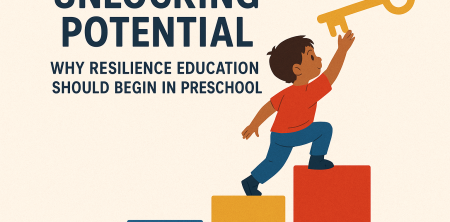
In today's rapidly changing and often unpredictable world, teaching children to be resilient is more crucial than ever. The concept of resilience education preschool is gaining momentum among educators, psychologists, and parents alike. But what exactly does it entail, and why should we start this journey at such an early age? The power of resilience can impact a child's future success, emotional health, and ability to cope with challenges. Let's explore the foundational aspects of resilience education and why it’s imperative to introduce these principles in preschool.
The Importance of Resilience
Resilience refers to the ability to bounce back from adversity, adapt to change, and keep going in the face of challenges. During preschool years, children undergo significant emotional, social, and cognitive development. They begin to form their understanding of themselves and the world around them. Introducing resilience education at this stage helps them build a solid foundation for future learning and personal growth.
Children who develop resilience are better equipped to handle stress, failure, and disappointment. According to a study by the American Psychological Association, resilient children are more likely to experience positive outcomes, such as improved academic performance, enhanced social skills, and better emotional regulation.
Building Blocks of Resilience Education
Resilience education involves teaching specific skills and strategies that help children navigate life's challenges. In a preschool setting, this can encompass various activities and lessons aimed at developing emotional intelligence, problem-solving abilities, and social skills. Here are some key components of resilience education:
- Emotional Awareness: Teaching children to recognize and express their feelings is foundational. Activities such as storytelling, role-playing, and art projects can encourage children to identify their emotions and articulate them effectively.
- Social Skills: Resilience is often rooted in strong relationships. Preschool programs that emphasize collaboration and teamwork help children build friendships and learn how to support one another in challenging situations.
- Problem-Solving: Encouraging children to view challenges as opportunities for growth fosters resilience. Engaging them in age-appropriate challenges, whether through games or classroom projects, teaches them to approach problems with a positive mindset.
- Self-Regulation: Teaching children how to manage their emotions and impulses is crucial. Mindfulness practices, such as simple breathing exercises or yoga, can introduce self-regulation techniques that children can apply when faced with stress.
Practical Applications in the Classroom
Implementing resilience education in preschool requires thoughtful strategies. Here are some practical applications that educators can incorporate into their daily routines:
1. Storytelling and Literature
Books that feature characters overcoming obstacles can serve as excellent discussion starters. Engage preschoolers in conversations about the characters' feelings and decisions. Encourage them to identify what the characters did to overcome challenges and how they might respond in similar situations.
2. Cooperative Games
Games that require collaboration, rather than competition, can help build social bonds and teach children the value of teamwork. Activities like group puzzles or relay races encourage children to support one another, fostering an environment where resilience can thrive.
3. Reflection Time
Setting aside moments for reflection can be incredibly beneficial. After an activity, gather children to talk about what went well, what was challenging, and how they felt during the process. This practice helps children articulate their experiences and learn from them.
4. Role-Playing
Role-playing different scenarios helps children practice their responses to various situations. For example, they can act out how to deal with a friend who is upset or how to handle disappointment when a game doesn’t go as planned. These exercises empower children to navigate real-life challenges.
The Role of Parents in Resilience Education
While educators play a significant role in teaching resilience, parents are equally important. They can reinforce the principles learned in preschool at home. Here are ways parents can support resilience education: (See: CDC resources on resilience in schools.)
- Model Resilience: Children learn a lot by observing their parents. When parents face challenges with a positive attitude and demonstrate problem-solving skills, children are likely to emulate those behaviors.
- Encourage Independence: Allowing children to make choices and decisions fosters a sense of autonomy. When children are given the opportunity to solve their problems, they develop confidence in their abilities.
- Open Communication: Create an environment where feelings can be expressed freely. Encourage children to talk about their emotions, challenges, and successes without fear of judgment.
The Impact of Resilience Education on Academic Performance
Research has shown a strong correlation between resilience and academic success. Children who develop resilience are more likely to engage in their studies, persevere through difficult subjects, and maintain a positive attitude toward learning. A study by the University of Pennsylvania found that resilient students had higher GPAs and lower dropout rates.
Incorporating resilience education in preschool can set children on a path toward lifelong learning. When children learn to face academic challenges with resilience, they are likely to embrace their education in a more productive and meaningful way.
Long-Term Benefits of Resilience Education
The benefits of resilience education extend far beyond preschool. Research indicates that children who develop resilience early on are better equipped to handle the pressures of adolescence and adulthood. They tend to have stronger social networks, better mental health, and improved coping strategies when faced with life’s inevitable challenges.
According to the CDC, resilient individuals are more likely to engage in positive social behaviors and less likely to engage in high-risk behaviors. This can contribute to a healthier lifestyle and overall well-being throughout life. By investing in resilience education preschool, we are not just preparing children for school; we are equipping them for life.
Challenges in Implementing Resilience Education
Despite the clear benefits, implementing resilience education in preschool settings can present challenges. Some educators may feel unprepared to teach resilience or may not recognize its importance. Additionally, tight schedules and curriculum constraints can limit the time and resources available for such initiatives.
Professional development for educators is essential. Workshops and training sessions on resilience education can help teachers feel confident in their ability to incorporate these principles into their classrooms. Schools should also consider integrating resilience education into their curricula, making it a priority alongside traditional academic subjects.
Global Perspectives on Resilience Education
Countries around the world are recognizing the importance of resilience education in early childhood settings. For instance, New Zealand has implemented a national curriculum that emphasizes the development of social and emotional skills, including resilience. Similarly, Finland's education system, known for its focus on student well-being, incorporates resilience-building practices in preschool education.
These global perspectives highlight that resilience education is not just a trend; it’s an essential component of effective early childhood education. By observing successful models from around the world, educators and policymakers can tailor resilience education to meet the needs of their communities.
Research Supporting Resilience Education
Numerous studies underline the significance of resilience education. Research published in the journal Child Development found that children who were exposed to resilience-building activities showed improved emotional regulation and social skills. Another study from the University of Michigan highlighted that early interventions focusing on resilience can significantly reduce behavioral issues in classrooms.
According to the National Association for the Education of Young Children (NAEYC), 70% of educators believe that teaching resilience is a critical component of their teaching practice. This belief is supported by findings from the Harvard Graduate School of Education, which indicated that children who learn resilience strategies tend to perform better in both social interactions and academic settings. (See: NIH insights on resilience development.)
Integrating Technology and Resilience Education
In our digital age, technology can play a pivotal role in enhancing resilience education. Interactive apps and online platforms can provide children with engaging ways to learn about emotions and problem-solving. For example, apps that allow children to navigate through social scenarios can help them practice resilience in a safe, controlled environment.
Moreover, virtual storytelling where children can choose different paths for characters can also teach decision-making and its consequences. By integrating technology into resilience education, educators can foster a modern approach to building essential life skills.
Real-Life Examples of Resilience Education in Action
Many preschools have successfully integrated resilience education into their programs. One such example is the “Resilience Project” in Australia, which introduces children to concepts of emotional intelligence through arts and crafts. Children engage in activities that encourage them to express their feelings creatively, contributing to their emotional development.
Another notable example is the “MindUp” program, which has been implemented in various preschools across the U.S. This program teaches mindfulness and self-regulation techniques through storytelling and games. Teachers report noticeable improvements in students’ focus and emotional control when these practices are applied regularly.
Frequently Asked Questions (FAQ)
What age should resilience education begin?
Resilience education can start as early as preschool. The preschool years are crucial for emotional and social development, making it an ideal time to introduce these concepts.
How can I help my child be more resilient at home?
You can encourage resilience by allowing your child to tackle challenges independently, fostering open communication about feelings, and modeling positive coping strategies during difficult times.
Are there specific activities that promote resilience?
Yes! Activities such as cooperative games, storytelling, and reflection time after tasks are effective in promoting resilience. Mindfulness exercises also play a significant role in teaching self-regulation.
Is resilience education just about coping with failure?
No, while coping with failure is an important aspect, resilience education encompasses a wide range of skills including problem-solving, emotional awareness, and the ability to adapt to change.
Can resilience be taught, or is it innate?
Resilience can indeed be taught. While some children may have a natural predisposition to resilience, education and supportive environments can significantly enhance these abilities in all children.
Strategies for Parents to Foster Resilience at Home
Building resilience doesn’t stop at school; parents play a key role in reinforcing these skills at home. Here are a few proven strategies:
- Encourage Problem Solving: When your child faces a challenge, rather than immediately offering a solution, guide them through the problem-solving process. Ask questions that encourage them to think critically about what they can do.
- Celebrate Effort, Not Just Success: Emphasize the importance of trying hard, even if the outcome isn’t what was hoped for. Celebrating effort builds a growth mindset and encourages persistence.
- Foster a Supportive Environment: Create a home atmosphere where it’s safe for children to express emotions and talk about difficulties. This can help them feel secure in sharing their feelings and fears.
- Teach Coping Strategies: Help your child learn practical coping strategies, such as taking deep breaths, counting to ten, or finding a quiet space to calm down when they are upset.
The Connection Between Resilience and Emotional Intelligence
Resilience and emotional intelligence are closely linked. Emotional intelligence encompasses the ability to recognize, understand, and manage one’s own emotions while also navigating social complexities. Children who develop emotional intelligence early on are better equipped to handle challenges and rebound from setbacks.
For example, a child who can identify that they are feeling frustrated may be more likely to seek help or try a different approach rather than giving up. Teaching emotional intelligence through activities like role-playing helps children express emotions appropriately and respond to the emotions of others, further enhancing their resilience.
Statistics on Resilience in Children
Understanding the impact of resilience education can be reinforced by some compelling statistics:
- According to a report by the American Academy of Pediatrics, children with high resilience levels are 60% more likely to overcome challenges without significant mental health issues.
- A study conducted by the National Institute of Mental Health found that resilient children are 40% less likely to develop anxiety and depression compared to their peers.
- The World Health Organization states that resilience-building interventions can reduce the incidence of mental health issues in children by up to 50%.
The Future of Resilience Education
As awareness of the importance of resilience grows, we can expect to see a continued emphasis on its integration into preschool curricula worldwide. Ongoing research will likely explore the most effective methods for teaching resilience, and technology may play an increasingly vital role in these efforts. Educators will benefit from new tools and resources designed to facilitate resilience education in a fun and engaging way.
Furthermore, the recognition that mental health is just as important as physical health in early childhood education is likely to shape policies and funding allocations in the years ahead. As resilience education becomes a staple in preschool settings, we can anticipate a generation of children better prepared to face life’s challenges head-on.
Conclusion: A Call to Action
As we explore the growing field of resilience education preschool, it’s clear that the benefits extend far beyond the classroom. By teaching young children the skills they need to thrive in the face of adversity, we are setting the stage for a healthier, happier, and more successful generation. Educators, parents, and communities must work together to prioritize resilience education in preschool settings, ensuring that our children are prepared not just for school, but for life itself. The time to act is now — the future of our children depends on it.
```
Trending Now
- Unlock Your Potential: Become the Head of Sales Education with The Land Geek
- this guide on why children with adhd struggle with phonemic awareness: understanding the challenges and solutions
- the complete explanation
- this guide on empowering students: how conflict resolution in middle school builds resilience
- the complete explanation
Frequently Asked Questions
What is resilience education in preschool?
Resilience education in preschool refers to teaching young children skills and strategies to help them bounce back from adversity and adapt to challenges. This education focuses on emotional awareness, problem-solving, and social skills, laying a foundation for their future learning and personal growth.
Why is teaching resilience important for preschoolers?
Teaching resilience is crucial for preschoolers as it equips them with the ability to handle stress, failure, and disappointment. Resilient children tend to have better academic performance, enhanced social skills, and improved emotional regulation, setting them up for long-term success.
How can resilience be taught to young children?
Resilience can be taught to young children through activities that promote emotional awareness, problem-solving, and social interaction. Techniques such as storytelling, role-playing, and art projects encourage children to recognize and express their feelings, thereby developing their resilience skills.
What are the benefits of resilience education?
The benefits of resilience education include improved emotional health, better academic performance, and enhanced social skills. Children who learn resilience are more capable of navigating challenges and are likely to experience positive outcomes throughout their lives.
When should resilience education start?
Resilience education should ideally start in preschool, as this is a critical period for emotional, social, and cognitive development. Introducing these principles early helps children build a solid foundation for coping with future challenges effectively.
Agree or disagree? Drop a comment and tell us what you think.

