```html
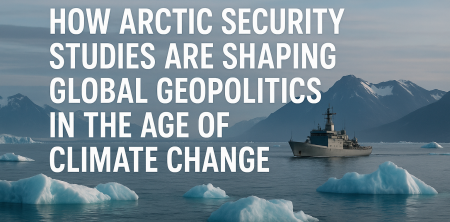
The Arctic has long been a remote corner of the world, but as climate change accelerates, it's transforming into a new arena for global power dynamics. Recent studies in Arctic security studies reveal that nations are increasingly eyeing the region not just for its natural resources but as a strategic military and geopolitical hotspot. As ice melts, previously inaccessible areas are opening up, leading to a surge in interest from major global players like the United States, Russia, and NATO. This article will explore the implications of these developments, how they intertwine with climate change, and what they mean for international stability.
The Melting Arctic: A New Frontier
Climate change has caused significant changes in the Arctic over the past few decades. The region is warming at an alarming rate, with temperatures rising twice as fast as the global average. This warming is leading to dramatic decreases in sea ice and thawing permafrost, which in turn are altering the geopolitical landscape. Scientists project that by 2040, Arctic shipping routes will be navigable for much of the year, drastically reducing travel time between major markets and increasing the potential for resource extraction.
As countries grapple with the ramifications of this transformation, Arctic security studies have become crucial for understanding the strategic interests at stake. Nations like Russia have ramped up military presence in the Arctic, reactivating old bases and establishing new ones to assert their claims over potentially resource-rich territories.
Geopolitical Rivalries: The Players in the Arctic
In the contest for Arctic dominance, several key players are emerging. The United States, Russia, Canada, Norway, and Denmark are part of the Arctic Council, an intergovernmental forum that addresses issues facing the Arctic. However, the Council is often seen as ineffective in addressing the underlying geopolitical tensions that have begun to bubble to the surface.
Russia has been particularly aggressive in asserting its claims, deploying military assets and conducting exercises in the region. The Kremlin's strategy appears to focus on expanding its territorial waters and securing Arctic shipping routes, which could become vital economic lifelines as global demand for resources grows. In response, NATO has increased its military presence in the area, conducting joint exercises and ensuring readiness to counter any potential Russian aggression.
Resource Competition: The Hunt for Oil and Minerals
Beyond military considerations, the Arctic is rich in untapped natural resources, including oil, natural gas, and minerals. Estimates suggest that the Arctic holds about 13% of the world's undiscovered oil reserves and 30% of its untapped natural gas reserves. As global energy demand continues to rise, the push to exploit these resources will likely intensify.
The race for resources adds another layer of complexity to Arctic security studies. Countries are investing heavily in technology and infrastructure to enable exploration and extraction. For instance, companies like Royal Dutch Shell and ExxonMobil have ventured into Arctic drilling, despite environmental concerns and high operational costs. The potential for environmental disasters, coupled with the geopolitical stakes, has led to fierce debates about how to balance resource extraction with sustainability.
Environmental Concerns and Security Implications
The irony of warming in the Arctic isn't lost on many. While the melting ice opens new economic opportunities, it also poses severe environmental risks that could have global repercussions. The thawing permafrost releases greenhouse gases, which could exacerbate climate change, leading to more extreme weather events globally.
These environmental concerns are intertwined with security issues. As nations vie for control over resources and shipping routes, the potential for conflict increases. Moreover, the effects of climate change in the Arctic do not remain confined to the region; they have cascading effects that impact food security, migration patterns, and resource availability worldwide.
The Role of Indigenous Communities
Indigenous communities in the Arctic have lived in harmony with these lands for thousands of years. However, they now face existential threats from both climate change and geopolitical maneuvering. Their traditional ways of life are challenged by the encroachment of industrial activities and the impacts of climate change, leading to displacement and loss of cultural heritage. (See: Arctic climate change impacts.)
In the context of Arctic security studies, it's essential to include Indigenous voices in discussions about the future of the region. Their knowledge and experience can provide valuable insights into sustainable practices and potential pathways for coexistence in an increasingly competitive landscape.
International Law and the Arctic
The legal framework governing the Arctic is complex and often contentious. The United Nations Convention on the Law of the Sea (UNCLOS) lays out guidelines for territorial claims, but many nations have conflicting interpretations. For instance, Russia has made extensive claims over the continental shelf in the Arctic, backed by scientific research, but these claims are contested by other nations.
As more nations assert their rights in the Arctic, the potential for legal disputes increases. This is where Arctic security studies come into play, analyzing how international law can mitigate conflict while promoting cooperative resource management. The effectiveness of these legal frameworks will be crucial as the region becomes increasingly contested.
Strategic Collaborations and Alliances
In a landscape fraught with competition, coalitions and partnerships have emerged as a vital strategy for navigating Arctic security. Countries are recognizing that collaboration can enhance regional stability, particularly when managing shared resources or addressing environmental issues. The Arctic Council has taken steps to foster cooperation on issues like climate change, marine pollution, and search-and-rescue operations.
However, the effectiveness of these collaborations can be limited by geopolitical tensions. As nations prioritize their strategic interests, the potential for diplomatic disputes remains high. Studying these dynamics through Arctic security studies can provide insights into how countries can align their interests while maintaining a collaborative spirit.
The Future of Arctic Security Studies
As the Arctic becomes a focal point for global geopolitics, the field of Arctic security studies will continue to evolve. The interplay of climate change, resource competition, military posturing, and indigenous rights will necessitate a multidisciplinary approach to understanding the region. Scholars and practitioners will need to work together to create frameworks that address both security concerns and the urgent challenges posed by environmental shifts.
Moreover, the role of technology in monitoring and responding to developments in the Arctic will be crucial. As nations invest in surveillance and reconnaissance capabilities, the balance between security and privacy will need careful consideration.
Impacts of Climate Change on Arctic Security
The melting of Arctic ice isn't merely an environmental concern—it's fundamentally reshaping geopolitical relationships and security dynamics. As the region warms, the traditional notions of Arctic security are being challenged. Military strategies are being re-evaluated in light of new shipping routes and resource opportunities. For instance, the opening of the Northern Sea Route has the potential to cut down shipping times from Europe to Asia by almost 40%, making it a game-changer for international trade.
With this newfound access comes the need for enhanced maritime security. Countries bordering the Arctic are recognizing that their naval capabilities must be adapted for operations in ice-covered waters. The United States has committed to revamping its Arctic strategy, focusing on improving icebreaker fleets and enhancing the capabilities of the Coast Guard.
On the flip side, increased accessibility may also lead to environmental degradation, which is a pressing concern for Arctic nations and communities. The tension between resource exploitation and environmental protection is expected to intensify, shaping the future of Arctic security. (See: Health effects of climate change.)
Technological Advancements and Arctic Monitoring
Technology plays a crucial role in Arctic security studies. Enhanced satellite imagery and remote sensing allow for better monitoring of ice conditions, environmental changes, and military activities in the region. These advancements enable countries to gather data crucial for strategic planning and decision-making. Countries are investing in artificial intelligence and machine learning to analyze vast amounts of data collected from sensors and satellites to predict trends and potential conflicts.
Moreover, the development of new technologies can also lead to more sustainable practices in resource extraction, such as using drones for surveying potential drilling sites or employing new methods to minimize the environmental impact of extraction activities. This innovation could serve as a critical tool for balancing economic interests with ecological preservation.
Arctic Security and Global Stability
The implications of Arctic security extend far beyond the region itself. The Arctic is a litmus test for international relations in the age of climate change. As nations vie for influence and control, the potential for conflict increases, which can destabilize not just the Arctic but global peace as well. The Arctic serves as a barometer for cooperation among great powers; how nations choose to engage with one another in this sensitive area can set the tone for international relations in other regions.
For instance, any military confrontations or aggressive postures could easily spill over into broader geopolitical disputes. The dynamics in the Arctic may act as a precursor for how conflicts are managed globally, especially in terms of resource scarcity and competing national interests.
FAQ: Understanding Arctic Security Studies
What are Arctic security studies?
Arctic security studies focus on understanding the geopolitical, military, and environmental dynamics that influence security in the Arctic region. This includes the interests of various nations, the impact of climate change, resource competition, and the rights of Indigenous communities.
Why is the Arctic becoming more important for security studies?
The Arctic is becoming increasingly important due to climate change, which is melting ice and opening new shipping routes and resource opportunities. This has led to heightened interest from major powers and increased military activities in the region.
What are the main challenges facing Arctic security today?
Key challenges include geopolitical rivalries, the impact of climate change on local environments and communities, legal disputes over territorial claims, and the need for sustainable resource management. These factors create a complex security landscape that requires collaboration and careful navigation.
How do Indigenous communities fit into Arctic security studies?
Indigenous communities play a vital role in Arctic security studies as they possess traditional knowledge and understanding of the land, which can inform sustainable practices and management of resources. Their perspectives are essential for creating inclusive policies and mitigating the impact of climate change and industrial activities.
What role does international law play in Arctic security?
International law, primarily through frameworks like UNCLOS, governs territorial claims and resource management in the Arctic. It aims to promote peace and cooperation among Arctic nations, although conflicting interpretations can lead to disputes. The effectiveness of these legal frameworks is crucial for maintaining stability in the region. (See: Geopolitical implications of Arctic changes.)
How can nations collaborate on Arctic security?
Countries can collaborate through multilateral forums like the Arctic Council, engage in joint military exercises, share research and technology, and foster cooperative agreements on resource management and environmental protection. Building trust and addressing common challenges are essential for effective collaboration.
What impact does climate change have on Arctic security dynamics?
Climate change significantly alters the security landscape by creating new shipping routes and resource access while simultaneously introducing new environmental risks. As the region becomes more navigable, the potential for competition and conflict over resources increases, demanding new security strategies and international cooperation.
What technological advancements are influencing Arctic security studies?
Technological advancements like satellite monitoring, AI-driven data analysis, and remote sensing improve situational awareness and operational readiness in the Arctic. These technologies aid in tracking military movements, environmental changes, and resource exploitation, thereby shaping national security policies.
How does resource management link to Arctic security?
Resource management is a critical aspect of Arctic security, as nations seek to balance economic interests with ecological sustainability. Proper management can help prevent conflicts over resources and promote cooperative agreements, contributing to regional stability.
What future trends can we anticipate in Arctic security studies?
Future trends may include increased military activity as nations vie for resources, greater emphasis on environmental protection, and enhanced multilateral cooperation to address security challenges. Arctic security studies will likely evolve to incorporate these dynamics and develop more comprehensive frameworks for understanding the region's complexities.
Conclusion: Navigating the Icy Waters Ahead
The Arctic is no longer a distant frontier; it is becoming a central stage for geopolitical conflict and cooperation. As countries jockey for position in a rapidly changing environment, the importance of Arctic security studies cannot be overstated. By understanding the complexities of the region, nations can better prepare for the challenges and opportunities that lie ahead.
The implications of our actions in the Arctic will reverberate globally, affecting not just the immediate stakeholders but the future of climate action and international relations. As we look to the future, fostering cooperation and understanding will be paramount in ensuring that the Arctic remains a region of both opportunity and peace.
```
Trending Now
- How to Cultivate Academic Resilience in Students After Poor Grades
- this guide on essential resilience activities for kindergarten: boosting emotional strength early
- this guide on 10 proven strategies for fostering student resilience during exam season
- our breakdown of how attachment theory shapes childhood resilience: key insights and practical applications
Frequently Asked Questions
How is climate change affecting Arctic geopolitics?
Climate change is rapidly transforming the Arctic by melting ice and thawing permafrost, which opens up new shipping routes and access to natural resources. This shift is prompting nations to enhance their military presence and assert territorial claims, reshaping global power dynamics in the region.
What countries are involved in Arctic security studies?
Key players in Arctic security studies include the United States, Russia, Canada, Norway, and Denmark. These countries are part of the Arctic Council, which addresses regional issues, although it often struggles to manage the growing geopolitical tensions.
Why is the Arctic considered a strategic military hotspot?
The Arctic is viewed as a strategic military hotspot due to its potential for resource extraction and new shipping routes as ice melts. Nations are increasing their military presence to secure claims over these resources and maintain influence in the region.
What are the implications of Arctic shipping routes becoming navigable?
As Arctic shipping routes become navigable, they will significantly reduce travel time between major markets, enhancing trade opportunities. However, this also raises geopolitical tensions as countries vie for control over these new commercial pathways and the resources they access.
What role does the Arctic Council play in regional geopolitics?
The Arctic Council serves as an intergovernmental forum for addressing issues in the Arctic, involving key nations like the U.S. and Russia. However, its effectiveness is often questioned due to the underlying geopolitical tensions that it struggles to resolve.
Agree or disagree? Drop a comment and tell us what you think.

