```html
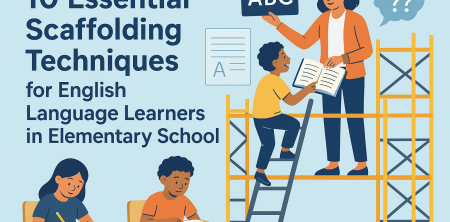
In an increasingly multicultural world, educators face the challenge of effectively teaching English Language Learners (ELLs) in elementary schools. With a diverse array of backgrounds, cultures, and languages represented in today’s classrooms, the need for effective scaffolding techniques for English language learners has never been more critical. Scaffolding is a method that provides temporary support to help students achieve a higher level of understanding and skill acquisition, and for ELL students, it can make all the difference in their educational journey.
Understanding Scaffolding
Scaffolding originated from the work of developmental psychologist Lev Vygotsky, who emphasized social interaction and the importance of guidance in learning. The concept revolves around providing tailored support that gradually fades as students gain independence. In a classroom setting, scaffolding can take many forms, including verbal prompts, visual aids, and structured group work. For ELLs, effective scaffolding techniques can bridge language gaps, enhance comprehension, and foster confidence in using English.
The Importance of Scaffolding Techniques for ELLs
Why is scaffolding crucial for ELLs? For starters, these students often arrive with varying levels of proficiency in English, and their backgrounds can significantly influence their learning experiences. Some may have been exposed to English before, while others might be encountering it for the first time. Without scaffolding, ELLs face barriers that can lead to frustration, disengagement, and a lack of academic progress.
Implementing scaffolding techniques allows educators to meet ELLs where they are, offering tailored support that can transform their learning experience. Here are several key reasons why scaffolding is essential:
- Engagement: Scaffolding techniques keep students actively involved in their learning process.
- Confidence Building: ELLs gain the confidence to use English when they receive appropriate support.
- Skill Development: Scaffolding helps ELLs develop the skills they need to independently tackle language and academic content.
- Cultural Relevance: Scaffolding can incorporate students’ cultural backgrounds, making learning more relatable.
Key Scaffolding Techniques for ELLs
Implementing effective scaffolding techniques can enhance the learning experience for English Language Learners. Here are ten essential strategies that educators can utilize:
1. Visual Aids
Visual aids are a powerful tool for ELLs. Images, charts, graphic organizers, and videos can help convey meaning and context that words alone may not express. By using visual supports, teachers can make new vocabulary and concepts more accessible, allowing students to make connections between visual representations and language.
2. Modeling
Teachers can demonstrate tasks or language structures explicitly to provide a clear example for ELLs. Through modeling, students learn not just the 'what' but the 'how' of language use. For instance, showing students how to engage in a conversation or write a paragraph can set the standard for their efforts.
3. Cooperative Learning
Encouraging group work or pair activities allows ELLs to practice their language skills in a supportive environment. Cooperative learning fosters peer interaction, giving students the opportunity to learn from one another and use language collaboratively. Assigning roles within groups can provide structure and ensure that all students contribute.
4. Sentence Frames
Providing sentence frames or starters can guide ELLs in their writing and speaking tasks. These frames give students a structure to build upon and help reduce the cognitive load of language production. For example, a frame such as "I think that... because..." can help students articulate their thoughts effectively.
5. Think-Alouds
Verbalizing thought processes during problem-solving tasks can give ELLs insight into how to approach language and content. Teachers can model think-alouds to demonstrate how to analyze a text or solve a math problem, exposing students to academic language and thinking strategies.
6. Graphic Organizers
Graphic organizers help students visually structure information, making it easier to process and retain. These tools can be particularly useful for ELLs in organizing their thoughts before writing or summarizing a text. Techniques like Venn diagrams for comparing and contrasting can clarify complex concepts. (See: Scaffolding in learning theory.)
7. Scaffolding Vocabulary
Vocabulary acquisition is critical for ELLs. Teachers can systematically introduce new words through contextualized lessons, ensuring that students understand usage, pronunciation, and meaning. Techniques such as word walls or interactive vocabulary games can reinforce learning and make it engaging.
8. Use of Technology
Incorporating technology into lessons can enhance scaffolding efforts significantly. Tools like language learning apps, educational websites, and interactive whiteboards can provide diverse ways to engage with content. These resources often include multimedia elements that cater to different learning styles.
9. Cultural Relevance
Integrating students' cultural backgrounds into lessons can make content more relatable and engaging. Recognizing the rich cultural diversity in the classroom not only validates students’ identities but also creates a common ground for discussion and learning. This contextual approach helps ELLs feel valued and included.
10. Gradual Release of Responsibility
The gradual release of responsibility model suggests moving from teacher-led instruction to independent student work. Initially, the teacher provides significant support, which is gradually reduced as students become more proficient. This technique helps ELLs transition from guided practice to independent language use.
Challenges in Implementing Scaffolding Techniques
While scaffolding techniques can be immensely beneficial, educators may face challenges in their implementation. Time constraints, large class sizes, and varying levels of student language proficiency can complicate the execution of these strategies. Moreover, without proper training in scaffolding methods, teachers may struggle to tailor their approaches effectively.
To overcome these challenges, educators can seek professional development opportunities focused on ELL instruction and collaborative planning time with colleagues. Sharing best practices and resources can also create a supportive community of educators dedicated to enhancing ELL learning experiences.
Current Relevance of Scaffolding Techniques
In recent years, the emphasis on equity and inclusion in education has increased. As schools strive to support diverse learners, the application of scaffolding techniques for English language learners remains vital. The COVID-19 pandemic further highlighted the importance of adaptable teaching methods, as many ELLs faced additional barriers during remote learning.
Educators are now re-evaluating instructional approaches, seeking to incorporate more diverse pedagogical strategies that address the unique needs of ELLs. By integrating scaffolding techniques into everyday practices, teachers are better equipped to foster language acquisition and academic success.
Practical Insights for Educators
As educators consider implementing scaffolding techniques for ELLs, several practical insights can enhance effectiveness:
- Assess individual needs: Understanding each student's language proficiency level is essential for effective scaffolding.
- Be flexible: Adapt techniques based on students’ progress, interests, and feedback.
- Encourage risk-taking: Create a safe space for students to practice their language skills without fear of making mistakes.
- Collaborate with families: Engage with ELL families to better support students’ learning and cultural integration.
Statistics on ELL Performance
Understanding the academic performance of ELLs can highlight the need for effective scaffolding techniques. According to a report from the National Center for Education Statistics (NCES), ELLs are one of the fastest-growing student populations in the U.S. However, their academic achievements often lag behind their English-speaking peers. For instance, only 36% of ELLs are proficient in reading by the end of third grade, compared to 74% of their non-ELL counterparts.
Moreover, a study conducted by the Institute of Education Sciences revealed that 60% of ELL students scored below the basic level in math assessments, indicating a significant gap in understanding crucial academic content. These statistics underscore the importance of scaffolding techniques to provide ELLs with the support needed to bridge these gaps and enhance their learning experiences.
Expert Perspectives on Scaffolding
Educational experts stress the importance of scaffolding for ELLs. Dr. Patricia Gándara, an authority on bilingual education, states that “effective scaffolding not only promotes language acquisition but also aids in cognitive development.” She emphasizes that teachers should be trained to use diverse scaffolding techniques tailored to the needs of ELLs to maximize their learning potential. (See: Education and health topics.)
Dr. Jim Cummins, a well-known researcher in bilingual education, outlines a framework for instructional support that includes scaffolding as a critical component. He argues that the goal should be to empower ELLs to use their linguistic resources while navigating the complexities of academic English. This empowerment through scaffolding can lead to greater academic success and better integration into the mainstream classroom setting.
Comparing Scaffolding with Other Teaching Strategies
Scaffolding is often compared to other instructional strategies, such as differentiated instruction and universal design for learning (UDL). While all these methods aim to enhance student learning, they approach it from slightly different angles.
Differentiated instruction emphasizes tailoring teaching methods and resources to meet the varying needs of students. It focuses on readiness, interest, and learning profiles. On the other hand, UDL aims to provide multiple means of engagement, representation, and action/expression to support diverse learners.
Scaffolding, while incorporating aspects of both strategies, is uniquely centered on providing temporary support until learners can operate independently. It focuses on building capacity and confidence in students, particularly in language acquisition. While all strategies are important, scaffolding is particularly crucial for ELLs, who often face added challenges in language and cultural transitions.
Benefits of Peer Scaffolding
Peer scaffolding, where students support each other in their learning, has also gained traction as an effective method for ELLs. By working with peers, ELLs can practice their language skills in a more relaxed environment. For instance, pairing stronger English speakers with ELLs can facilitate language learning through conversation and collaboration on projects.
Research shows that peer interactions can significantly improve language skills. A study published in the Journal of Educational Psychology found that ELLs who participated in peer-assisted learning showed a 25% increase in language proficiency compared to those who did not. This technique not only helps ELLs with linguistic skills but also fosters social connections and boosts confidence.
Frequently Asked Questions (FAQ)
1. What are scaffolding techniques for English language learners?
Scaffolding techniques are instructional strategies designed to provide temporary support to students as they learn new concepts and skills. For ELLs, these strategies can include visual aids, modeling, cooperative learning, sentence frames, and more, all aimed at helping them acquire language and academic content effectively.
2. How can I assess the needs of my ELL students?
To assess the needs of ELL students, consider using a combination of formal assessments (like language proficiency tests) and informal observations. Additionally, engaging in conversations with students to understand their backgrounds and experiences can provide valuable insights.
3. What role does family engagement play in scaffolding for ELLs?
Family engagement is crucial in scaffolding for ELLs. By collaborating with families, educators can gain a better understanding of each student’s cultural context and linguistic background. This partnership can enhance learning experiences and provide support at home, reinforcing what students learn in school.
4. How can technology be used as a scaffolding tool for ELLs?
Technology can serve as a scaffold by offering interactive and engaging resources that cater to various learning styles. Language learning apps, online games, and educational videos can provide visual and auditory support, making it easier for ELLs to grasp new concepts and practice their language skills. (See: Support for English language learners.)
5. Can scaffolding be beneficial in a remote learning environment?
Absolutely! Scaffolding techniques can be adapted for remote learning, using online tools to provide visual aids, collaborative projects, and structured guidance. Educators can utilize video conferencing tools to model language use and engage students in interactive activities, ensuring continued support even outside the classroom.
6. What role does the teacher play in scaffolding for ELLs?
The teacher's role in scaffolding for ELLs is pivotal. Teachers must be proactive in identifying students' specific needs and providing appropriate support. This includes creating an inclusive classroom environment where students feel safe to express themselves, using clear and simplified language, and gradually introducing more complex tasks as students gain confidence and skills.
7. How long should scaffolding be provided to ELLs?
The duration of scaffolding varies based on individual student needs and their progress. Teachers should continuously assess students’ understanding and skills. As ELLs demonstrate increased independence and proficiency, scaffolding can be gradually reduced, shifting responsibility from the teacher to the students. This transition should be carefully monitored to ensure that students are ready to tackle challenges on their own.
8. Are there specific strategies for younger ELLs?
Yes, younger ELLs may benefit from more tactile and visual-based scaffolding techniques. Using hands-on activities, games, and storytelling can engage young learners effectively. Incorporating songs, rhymes, and movement can also foster language development in a fun and memorable way.
9. What is the impact of cultural responsiveness on scaffolding?
Cultural responsiveness is integral to effective scaffolding. When educators acknowledge and incorporate students' cultural backgrounds into their teaching, it enhances engagement and relevance. Understanding students' cultural contexts can help teachers tailor their scaffolding techniques to better meet the needs of ELLs, making learning more meaningful and accessible.
10. How can I encourage motivation and persistence in ELL students during scaffolding?
To encourage motivation and persistence, it’s essential to create a supportive atmosphere where ELLs feel valued and capable. Celebrate their progress, no matter how small, and provide constructive feedback. Setting achievable goals, integrating interests into lessons, and fostering a sense of community can also motivate students to persevere through challenges.
Conclusion
Scaffolding techniques for English language learners are essential for promoting equitable educational practices. By understanding and implementing these methods, educators can enhance the learning experience for ELLs, helping them to not only acquire English language skills but also thrive academically. As classrooms become increasingly diverse, the ability to scaffold effectively will determine the success of ELLs in achieving their educational goals. Embracing these techniques is not just a best practice; it's a commitment to fostering an inclusive environment where every student can succeed.
```
Trending Now
- How to Cultivate Academic Resilience in Students After Poor Grades
- Essential Resilience Activities for Kindergarten: Boosting Emotional Strength Early
- our breakdown of unlocking potential: why resilience education should begin in preschool
- 10 Proven Strategies for Fostering Student…
- How Attachment Theory Shapes Childhood Resilience:…
Frequently Asked Questions
What are scaffolding techniques for English Language Learners?
Scaffolding techniques for English Language Learners (ELLs) involve providing temporary support to help students understand and acquire English skills. These methods include using verbal prompts, visual aids, and structured group work to bridge language gaps and enhance comprehension, allowing ELLs to gradually gain independence in their language use.
Why is scaffolding important for ELL students?
Scaffolding is crucial for ELL students as it addresses their varying proficiency levels in English. It helps overcome barriers that can lead to frustration and disengagement, thus facilitating active participation, confidence building, and overall academic progress in a multicultural classroom environment.
How can teachers implement scaffolding techniques?
Teachers can implement scaffolding techniques by assessing the individual needs of ELL students and providing tailored support. This may include using visual aids, simplifying instructions, encouraging peer collaboration, and gradually reducing assistance as students become more proficient in English.
What are some examples of scaffolding strategies for ELLs?
Examples of scaffolding strategies for ELLs include using graphic organizers, providing sentence starters, incorporating multimedia resources, and engaging students in cooperative learning activities. These strategies help make content more accessible and encourage language development in a supportive environment.
How does scaffolding benefit ELLs in the classroom?
Scaffolding benefits ELLs by enhancing their engagement and comprehension, reducing anxiety around language use, and fostering a sense of belonging in the classroom. As students receive appropriate support, they build confidence and progressively develop their English language skills, leading to better academic outcomes.
What did we miss? Let us know in the comments and join the conversation.

