```html
In the field of education, the term scaffolding refers to a range of instructional techniques aimed at supporting students as they develop new skills and understanding. This approach is vital for enhancing student learning experiences across all grade levels. By providing temporary support, teachers can help students grasp complex concepts and gradually work towards independence. Let's explore what scaffolding in education means, its significance, and how to effectively implement it across various grade levels.
Understanding Scaffolding in Education
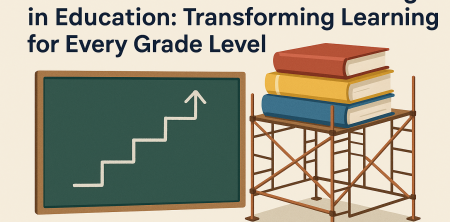
Scaffolding is derived from the construction industry, where temporary structures support a building during construction. In an educational context, it reflects an approach where teachers provide structured support to facilitate student learning. This method was popularized by educational theorists like Jerome Bruner and Lev Vygotsky, who emphasized the importance of social interaction and collaborative learning.
The essence of scaffolding lies in offering assistance tailored to a student’s current level of understanding. As students gain proficiency, the support is gradually removed, allowing them to take on more challenging tasks independently. This method not only boosts confidence but also encourages a deeper engagement with the material.
The Importance of Scaffolding
The role of scaffolding in education cannot be overstated. It serves multiple purposes:
- Enhances Understanding: Scaffolding helps students break down complex information into manageable parts, making it easier to grasp.
- Encourages Independence: As students become more confident, they learn to tackle challenges without relying on constant support.
- Promotes Critical Thinking: By encouraging students to question, analyze, and synthesize information, scaffolding fosters critical thinking skills.
- Tailors Learning Experiences: Teachers can adjust the level of support based on individual student needs, ensuring that everyone has the opportunity to succeed.
In essence, scaffolding is a teaching strategy that not only aids learning but also contributes to a more inclusive classroom environment.
Key Strategies for Effective Scaffolding
Implementing effective scaffolding requires a thoughtful approach. Here are some key strategies:
- Modeling: Demonstrate a thought process or skill before asking students to attempt it on their own. This could include showing how to solve a math problem or outlining the steps for writing an essay.
- Use of Visual Aids: Incorporate diagrams, charts, and graphic organizers to help students visualize complex concepts.
- Chunking Information: Break down lessons into smaller, more digestible sections, allowing students to focus on one aspect at a time.
- Questioning Techniques: Use open-ended questions to encourage critical thinking. This method not only promotes deeper understanding but also enables students to articulate their reasoning.
- Collaborative Learning: Facilitate group work where students can support each other’s learning. Peer interaction often leads to enhanced understanding.
- Feedback: Provide timely and specific feedback to guide students on their learning journey. Effective feedback can significantly improve student performance.
These strategies serve as building blocks for effective scaffolding in education, ensuring students receive the support they need at crucial learning stages.
Scaffolding Techniques for Early Childhood Education
In early childhood education, scaffolding lays the foundation for lifelong learning. Here are some tailored techniques:
- Pretend Play: Encouraging pretend play allows children to explore roles and develop social skills. Teachers can scaffold by participating and guiding the play.
- Storytelling: Read-aloud sessions can be scaffolded by asking questions and prompting discussions about the story. This helps children connect the narrative to their own experiences.
- Hands-On Activities: Use manipulatives for math lessons. For instance, using blocks to teach addition can help young learners visualize the process.
These techniques not only engage young learners but also promote cognitive and social development.
Scaffolding in Elementary Education
As students advance to elementary school, scaffolding takes on a more structured form. Here are effective strategies for this age group:
- Graphic Organizers: Tools like Venn diagrams or story maps help students organize their thoughts and ideas, making complex information easier to manage.
- Guided Practice: In subjects like math, teachers can provide problems with step-by-step instructions, gradually reducing support as students improve.
- Think-Pair-Share: This technique encourages students to think about a question, discuss it with a partner, and then share with the class. It fosters peer-to-peer engagement.
Implementing these strategies can significantly enhance conceptual understanding and retention in elementary students.
Scaffolding Techniques for Middle School Students
At the middle school level, students face more complex subjects and greater expectations. Scaffolding becomes crucial to their success. Here are some effective techniques: (See: Scaffolding in education.)
- Interactive Notebooks: Encourage students to maintain notebooks where they can summarize lessons, draw diagrams, and reflect on their learning. This method fosters active engagement.
- Modeling and Guided Practice: In subjects like science, teachers can model experiments and guide students through the process before allowing them to conduct their own.
- Project-Based Learning: Assign projects that require collaboration and critical thinking. Teachers can scaffold by providing resources and checkpoints throughout the project.
These strategies help middle school students develop independence while also mastering complex subjects.
Scaffolding in High School Education
High school presents unique challenges as students prepare for college and careers. Scaffolding techniques at this level should focus on promoting critical thinking and independent learning:
- Research Projects: Assign projects that require students to conduct research. Scaffold the process by providing resources and guiding them on how to evaluate sources.
- Socratic Seminars: Facilitate discussions where students explore complex texts. This encourages deep analysis and critical thinking.
- Peer Teaching: Encourage students to teach their peers about a topic. This method reinforces their understanding and promotes collaborative learning.
By integrating these methods, teachers can prepare high school students for the responsibilities of adulthood while fostering a genuine love for learning.
The Role of Technology in Scaffolding
In an increasingly digital world, technology plays a significant role in scaffolding education. Here are some ways technology enhances this approach:
- Interactive Learning Platforms: Tools like Google Classroom and Khan Academy provide resources and allow for differentiated instruction tailored to individual student needs.
- Adaptive Learning Software: Programs that adjust the difficulty of tasks based on student performance help maintain an appropriate challenge level.
- Online Collaboration Tools: Platforms such as Padlet or collaborative documents enable students to work together, enhancing peer support and learning.
Incorporating technology into scaffolding not only makes learning more engaging but also prepares students for the digital age.
Evaluating the Effectiveness of Scaffolding
Evaluating the effectiveness of scaffolding techniques is crucial for ensuring they meet educational goals. Here are ways to assess their impact:
- Student Feedback: Regularly solicit feedback from students about what strategies work for them and which do not. This helps tailor instruction to meet their needs.
- Performance Metrics: Monitor student performance through assessments and assignments. A noticeable improvement can indicate the effectiveness of scaffolding strategies.
- Observations: Engage in classroom observations to identify how students interact with the material and each other. Look for signs of engagement and understanding.
By continually evaluating scaffolding practices, educators can refine their approaches and ensure that they effectively support student learning.
Current Challenges and Future Directions
While scaffolding in education has proven effective, it faces several challenges:
- Knowledge Gaps: Teachers may lack training in scaffolding techniques, leading to inconsistent implementation across classrooms.
- Diverse Learning Needs: The increasing diversity in classrooms requires teachers to be adaptable and effective in providing personalized support.
- Time Constraints: Curriculum pressures may limit the time teachers can dedicate to scaffolding, making it challenging to implement effectively.
Looking ahead, professional development focused on scaffolding strategies and collaboration among educators can help overcome these challenges. By sharing best practices and learning from one another, teachers can enhance their effectiveness and improve student outcomes.
Scaffolding and Culturally Responsive Teaching
Integrating scaffolding with culturally responsive teaching practices can amplify its effectiveness. Culturally responsive teaching acknowledges and values the diverse cultural backgrounds of students. Here’s how to combine scaffolding with culturally responsive practices:
- Relatable Examples: When introducing new concepts, use examples and scenarios that resonate with students' cultural experiences. This helps students see the relevance of their learning.
- Inclusive Materials: Choose texts and resources that reflect diverse voices and perspectives. This not only validates students' identities but also enriches classroom discussions.
- Collaborative Grouping: Form groups that reflect diverse backgrounds, allowing students to learn from each other's perspectives and experiences. This can enhance peer support and scaffolding opportunities.
By marrying scaffolding with culturally responsive teaching, educators can create a more inclusive and effective learning environment that meets the needs of all students.
Real-World Applications of Scaffolding
Scaffolding isn't just limited to the classroom; its principles can be applied in various real-world settings. Here are some examples:
- Workplace Training: Many companies use scaffolding techniques during employee onboarding, providing new hires with structured training modules that gradually increase in complexity.
- Online Learning: E-learning platforms often employ scaffolding by offering introductory courses that build up to more advanced topics, helping learners pace their education effectively.
- Parenting Techniques: Parents can use scaffolding at home by guiding children through new tasks, such as cooking or homework, by breaking down the steps and providing encouragement.
These real-world applications demonstrate that scaffolding principles can enhance learning beyond formal educational settings, making it a valuable approach in various contexts. (See: Social and emotional learning support.)
Statistics Highlighting the Impact of Scaffolding
To understand the effectiveness of scaffolding in education, consider these statistics:
- A study by the National Center for Learning Disabilities found that students who received scaffolding saw a 30% improvement in their problem-solving skills compared to those who did not.
- Research from the University of California indicated that students engaged in scaffolded instruction performed 25% better on standardized tests than their peers.
- According to the National Educators Association, 78% of teachers reported that using scaffolding techniques led to increased student engagement and motivation.
These statistics underline the positive impact that effective scaffolding can have on student learning outcomes.
Frequently Asked Questions (FAQ)
What is the primary goal of scaffolding in education?
The primary goal of scaffolding is to support students as they learn new concepts and skills, gradually reducing assistance as they gain independence and confidence.
Can scaffolding be implemented in online learning environments?
Absolutely! Scaffolding can be effectively implemented in online learning through structured modules, interactive activities, and the use of technology to facilitate peer interactions.
How can teachers assess whether their scaffolding techniques are effective?
Teachers can use a combination of student feedback, performance metrics, and classroom observations to evaluate the effectiveness of their scaffolding techniques.
Is scaffolding suitable for all age groups?
Yes, scaffolding can be adapted for all age groups, from early childhood to high school, by modifying the techniques and support levels to match students' developmental stages and needs.
What are some common misconceptions about scaffolding?
One common misconception is that scaffolding is only about providing help. In reality, it's about providing the right amount of help at the right time and gradually removing that help as students become more competent.
Key Roles of Educators in Scaffolding
Teachers play a pivotal role in the scaffolding process. Their responsibilities extend beyond just delivering content; they must be attuned to individual student needs and adapt their approaches accordingly. Here are some key roles educators should embrace:
- Facilitator: Rather than just imparting knowledge, teachers should create an environment where students feel comfortable asking questions and exploring new concepts.
- Guide: As guides, teachers can lead students through the learning process, offering support and resources while encouraging independence.
- Observer: Teachers should continually observe student interactions and learning processes to identify when to provide support and when to step back.
- Motivator: Encouraging students and celebrating small achievements can significantly boost their confidence and willingness to tackle more complex tasks.
By fulfilling these roles, educators can enhance the effectiveness of scaffolding in their classrooms.
Integration of Scaffolding Across Curricular Areas
Scaffolding can be applied across various subjects and curricular areas. Here's how it can be effectively integrated into different domains:
Mathematics
In mathematics, scaffolding can involve providing step-by-step problem-solving strategies. For example, teachers can first demonstrate how to approach a problem using visual aids like number lines or blocks. Once students grasp the basic concept, they can be encouraged to solve similar problems independently, gradually increasing the difficulty.
Language Arts
In language arts, scaffolding can take the form of structured writing exercises. Teachers can guide students through writing a paragraph by first providing a template, then gradually moving to less structured assignments. This helps students build their writing skills incrementally.
Science
In science classes, teachers can use experiments as a scaffolding tool. Initially, students might follow a detailed procedure, but as they become more familiar with the scientific method, they can design their own experiments with minimal guidance.
Each subject area presents unique opportunities for scaffolding, and educators can tailor their strategies to fit the content and students’ learning styles.
Common Scaffolding Pitfalls to Avoid
While scaffolding can be immensely beneficial, there are common pitfalls that educators should be cautious of:
- Over-Scaffolding: Providing too much support can hinder students from developing independence. It’s crucial to find a balance and gradually reduce assistance.
- Ignoring Individual Needs: Not all students learn the same way. Teachers should be aware of different learning styles and adjust their scaffolding techniques accordingly.
- Neglecting Student Agency: Students should be encouraged to take an active role in their learning. Scaffolding should empower them rather than make them passive recipients of information.
By being mindful of these pitfalls, educators can maximize the effectiveness of their scaffolding efforts.
The Future of Scaffolding in Education
As education continues to evolve, so too will the methods and strategies for scaffolding. Here are some trends and future directions to consider:
- Personalized Learning: The integration of artificial intelligence and data analytics can help teachers provide even more tailored support to individual students, adjusting scaffolding techniques in real-time based on student performance.
- Emphasis on Student-Centered Learning: Moving towards more student-centered approaches encourages learners to take charge of their education, making scaffolding an essential tool in fostering autonomy and self-directed learning.
- Collaborative Learning Environments: As classrooms become more collaborative, scaffolding will evolve to include peer-to-peer support, where students learn to scaffold each other’s learning experiences.
By staying informed about these trends, educators can continue to implement effective scaffolding strategies that meet the changing needs of their students.
Conclusion
Scaffolding in education is not just a teaching technique; it’s a philosophy that places student learning at the forefront. By understanding its principles and implementing effective strategies across all grade levels, educators can create an environment that fosters growth, independence, and a love for learning. As we continue to evolve in the educational landscape, embracing and refining scaffolding techniques will be essential in meeting the diverse needs of our students.
```
Trending Now
- our breakdown of essential resilience activities for kindergarten: boosting emotional strength early
- Unlocking Potential: Why Resilience Education Should…
- our breakdown of 10 proven strategies for fostering student resilience during exam season
- this guide on how attachment theory shapes childhood resilience: key insights and practical applications
Frequently Asked Questions
What is scaffolding in education?
Scaffolding in education refers to instructional techniques that provide temporary support to students as they develop new skills and understanding. It involves tailoring assistance to a student's current level, gradually removing support as they gain independence and confidence in tackling complex concepts.
Why is scaffolding important in the classroom?
Scaffolding is crucial because it enhances understanding by breaking down complex information, encourages student independence, promotes critical thinking, and allows teachers to tailor learning experiences to individual needs, ensuring that all students can engage effectively with the material.
How can teachers implement scaffolding strategies?
Teachers can implement scaffolding strategies by assessing students' current knowledge, providing structured support through guided practice, modeling problem-solving techniques, and gradually reducing assistance as students demonstrate increased proficiency and confidence in their abilities.
Who developed the concept of scaffolding in education?
The concept of scaffolding in education was popularized by educational theorists Jerome Bruner and Lev Vygotsky. They emphasized the importance of social interaction and collaborative learning in supporting students' development and understanding.
What are some examples of scaffolding techniques?
Examples of scaffolding techniques include breaking tasks into smaller steps, using graphic organizers, providing sentence starters, modeling thinking processes, and using think-aloud strategies. These techniques help students understand complex concepts and gradually take on more challenging tasks independently.
Have you experienced this yourself? We'd love to hear your story in the comments.

