```html
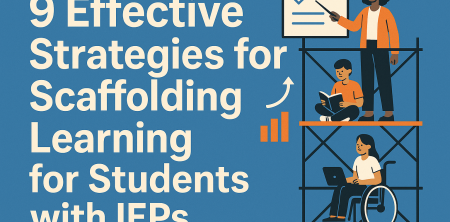
When it comes to education, every student has unique needs, particularly those with Individualized Education Programs (IEPs). Scaffolding learning for students with IEPs isn't just a buzzword; it's a critical approach that helps educators tailor their teaching practices to meet diverse learning needs. This article explores nine effective strategies to scaffold learning for students with IEPs, providing practical examples and insights to enhance educational experiences.
1. Understand Individual Needs: Tailoring Support
The first step in scaffolding learning for students with IEPs is understanding their individual needs. Each IEP outlines specific goals, accommodations, and modifications tailored to a student’s learning profile. Take the time to review each IEP thoroughly and engage in discussions with special education teachers and support staff. By doing so, educators can identify students' strengths, challenges, and preferred learning styles.
For instance, a student with a reading disability may benefit from audiobooks or text-to-speech software. Conversely, a student with ADHD might need shorter, more frequent tasks to maintain focus. Recognizing these nuances allows educators to create targeted scaffolding techniques that effectively support learning.
2. Use Clear and Consistent Instructions: Establishing Expectations
Clarity is crucial for students with IEPs, who may struggle with processing complex information. Therefore, providing clear and consistent instructions is vital when scaffolding learning. Utilize simple language, break down tasks into manageable steps, and repeat instructions as necessary. Visual supports, such as charts or graphic organizers, can further enhance understanding.
For example, when assigning a research project, instead of simply stating the objective, educators can create a step-by-step graphic organizer that outlines each phase of the project, from topic selection to presenting findings. This not only clarifies expectations but also helps students track their progress, building their confidence along the way.
3. Utilize Visual Supports: Enhancing Learning Engagement
Visual aids are powerful tools in scaffolding learning for students with IEPs. They cater to visual learners and can simplify complex concepts. Charts, diagrams, and images can provide context and reinforce verbal instructions. Additionally, interactive visual elements, such as digital whiteboards or educational apps, can foster engagement.
Consider a student learning about the water cycle. Instead of relying solely on textbooks, educators can present videos demonstrating the process, alongside diagrams that visually represent each stage. This multimodal approach allows students to connect with the material in a more profound way, making abstract concepts tangible.
4. Encourage Peer Collaboration: Building Social Skills
Collaboration can be a game-changer when scaffolding learning for students with IEPs. Group work not only fosters social skills but also allows students to learn from one another. Pairing students with and without IEPs can create a supportive environment where they can share strengths and address challenges collectively.
For instance, in a science class, students can work in small groups to conduct experiments. Each student can take on a specific role (note-taker, researcher, presenter), allowing them to contribute based on their strengths while helping their peers in areas where they may struggle. This teamwork not only enhances the learning experience but also cultivates an inclusive classroom culture.
5. Implement Flexible Grouping: Adapting to Learning Needs
Flexible grouping involves changing the composition of student groups based on specific learning objectives, activities, or assessments. This strategy allows educators to scaffold learning for students with IEPs by placing them in environments that suit their immediate learning needs. Some students may thrive in smaller, focused groups, while others may benefit from larger collaborative settings.
For instance, a math lesson on fractions might involve students working in pairs for hands-on activities, then transitioning to larger groups for discussions. This adaptability not only accommodates varying learning styles but also encourages students to build confidence by engaging with peers in different contexts.
6. Provide Timely Feedback: Fostering Growth
Feedback is crucial for students with IEPs, as it helps them understand their progress and areas for improvement. Scaffolding learning for students with IEPs should involve consistent, specific, and constructive feedback. Rather than waiting until the end of the unit, educators should provide feedback throughout the learning process, allowing students to make adjustments while they still have time to improve. (See: Understanding Individualized Education Programs.)
For example, after a writing assignment, an educator might highlight specific areas of strength and areas needing improvement, encouraging revisions. By guiding students through the feedback process, they learn to self-assess and take ownership of their learning, which is vital for their academic growth.
7. Incorporate Technology: Expanding Learning Opportunities
Technology can play a significant role in scaffolding learning for students with IEPs. Assistive technology tools, such as speech-to-text programs, screen readers, and educational apps, can provide tailored support to meet diverse learning needs. Additionally, technology can offer interactive and engaging ways for students to explore content.
For instance, using educational platforms like Google Classroom can help students organize their assignments and share resources easily. Gamified learning apps can turn challenging subjects into fun, interactive experiences. Such tools not only enhance understanding but also empower students to take charge of their learning journey.
8. Modify Assessments: Ensuring Fair Evaluation
Assessment is a critical component of education, but traditional testing may not accurately reflect the knowledge and skills of students with IEPs. Modifying assessments can ensure that evaluations are fair and reflective of students’ learning. This may include providing extended time, alternative formats, or allowing for oral presentations instead of written reports.
For example, instead of a timed quiz, an educator might offer a project-based assessment that allows students to demonstrate their understanding through creative means. This approach not only accommodates diverse learning needs but also honors the varying ways students express their knowledge.
9. Foster a Growth Mindset: Encouraging Resilience
Finally, fostering a growth mindset is essential in scaffolding learning for students with IEPs. Encouraging students to view challenges as opportunities for growth can significantly impact their attitude towards learning. Educators should model resilience by sharing their learning journeys and emphasizing the importance of effort and perseverance.
In practice, educators can create a classroom culture that celebrates mistakes as part of the learning process. Highlighting stories of individuals who overcame challenges can inspire students to embrace their unique paths. By fostering this mindset, students with IEPs are more likely to engage actively in their learning, developing confidence and resilience.
10. Engage Families in the Learning Process: Building a Support Network
Involving families in the education of students with IEPs is vital. Parents and guardians can provide insights into their child's strengths, preferences, and challenges that might not be apparent in the classroom. Regular communication between educators and families can help ensure that the scaffolding strategies employed are effective and aligned with the student's needs.
For example, teachers can host workshops to inform parents about the educational tools and strategies being used in the classroom. This equips families to reinforce learning at home. Additionally, setting up regular check-ins where families can voice concerns or share successes can foster a collaborative educational environment, directly benefiting the student’s learning experience.
11. Set Realistic Goals: Tracking Progress
Setting achievable, incremental goals is essential when scaffolding learning for students with IEPs. Goals outlined in the IEP should be realistic and tailored to the student’s capabilities and learning pace. By breaking down larger objectives into smaller, manageable milestones, educators can help students track their progress and celebrate their achievements along the way.
For instance, if a student is working on improving their writing skills, an educator might set a goal for the student to write a complete paragraph by the end of a month. As the student meets smaller goals—like composing a topic sentence or adding details—they gain confidence and motivation to tackle more complex writing tasks.
12. Utilize Multi-Sensory Learning Approaches: Catering to Different Learning Styles
Multi-sensory learning approaches can be particularly effective for students with IEPs. By engaging multiple senses—sight, sound, touch—educators can reinforce learning and enhance retention. This method caters to various learning styles, helping to ensure that each student can access the material in a way that resonates with them.
For example, in a lesson about ecosystems, a teacher might use videos (sight), sounds of different animals (hearing), and hands-on activities like building a model of a habitat (touch). This immersive experience not only makes learning more engaging but also helps students understand and remember complex concepts more effectively.
13. Establish a Safe and Supportive Classroom Environment: Prioritizing Emotional Well-being
A safe and supportive classroom environment is crucial for all students, especially those with IEPs. Students need to feel comfortable expressing their thoughts and asking for help. Educators can create a nurturing atmosphere by promoting positive relationships, encouraging open communication, and addressing bullying or negative behaviors promptly. (See: CDC guidelines on IEPs.)
Creating opportunities for students to share their thoughts—whether through class discussions, journals, or art—can enhance their sense of belonging. When students feel safe, they are more likely to take academic risks and fully engage in the learning process.
14. Professional Development for Educators: The Importance of Ongoing Training
Investing in professional development for educators is key to successful scaffolding for students with IEPs. Educators benefit from ongoing training that covers diverse instructional strategies, behavior management techniques, and the latest technology tools for special education. This training equips them with the knowledge and skills necessary to better support their students.
Workshops, seminars, and collaborative learning communities can provide educators with new insights and approaches. Regularly sharing experiences and strategies with colleagues can cultivate a culture of learning and improvement within the school, ultimately benefiting students with IEPs.
15. Frequently Asked Questions (FAQ)
What is scaffolding learning for students with IEPs?
Scaffolding learning for students with IEPs refers to the support and strategies educators use to help these students access the curriculum and learn effectively. It involves breaking down tasks, providing resources, and adjusting instruction to meet individual learning needs.
Why is scaffolding important for students with IEPs?
Scaffolding is important because it helps students with IEPs build skills and confidence in their learning. It allows them to gradually take on more challenging tasks while receiving the support they need to succeed, fostering independence and self-advocacy.
How can IEP goals be effectively scaffolded?
IEP goals can be effectively scaffolded by breaking down larger objectives into smaller, achievable tasks. Providing resources, tools, and personalized instruction aligned with each student's learning style can help them progress toward meeting their goals.
What role do parents play in scaffolding learning for their children with IEPs?
Parents play a vital role in scaffolding learning by collaborating with educators, reinforcing strategies at home, and providing insights into their child's unique needs and strengths. Open communication between home and school is essential to support student learning.
Can technology be used for scaffolding learning for students with IEPs?
Yes, technology can be a powerful tool for scaffolding learning. Assistive technologies, educational apps, and online resources can provide personalized support, engage students in learning, and enhance their ability to access content.
How do I know if my scaffolding strategies are effective?
To determine if scaffolding strategies are effective, observe student engagement, progress towards their IEP goals, and feedback from students about their learning experiences. Regular assessments and open communication with students and parents can also provide valuable insights.
16. Case Studies: Real-World Applications of Scaffolding
Seeing scaffolding in action can provide valuable insights into its effectiveness. Let’s explore a couple of case studies that showcase how schools have successfully implemented scaffolding strategies for students with IEPs.
Case Study 1: The Use of Technology in a Middle School
At a middle school in California, educators integrated technology into their scaffolding strategies by utilizing adaptive learning programs. One student, Sam, had an IEP that included support for reading and writing. Teachers implemented an adaptive reading program that adjusted the difficulty level based on Sam’s progress, providing immediate feedback and personalized challenges.
The results were significant. Sam’s reading comprehension improved by over 30% within a semester. The program allowed him to work at his own pace, and the constant feedback kept him engaged. This case highlights how technology can provide tailored support that aligns with individual learning goals. (See: IDEA - Individuals with Disabilities Education Act.)
Case Study 2: Peer Collaboration in a High School
A high school in New York adopted a peer collaboration model, where students with IEPs were paired with general education students for various projects. Sarah, a student with a learning disability, struggled with math but excelled in creative problem-solving. She was paired with a peer who had strengths in math.
Through this partnership, Sarah was able to leverage her creativity to approach math problems from new angles, while her partner provided support with calculations. The collaboration not only improved Sarah’s math skills but also helped her build friendships and confidence. This case illustrates the power of peer support in scaffolding learning.
17. Statistics on Scaffolding Effectiveness
Research indicates that scaffolding significantly impacts student performance, particularly for those with IEPs. A study by the National Center for Learning Disabilities found that students who received targeted scaffolding showed a 40% increase in their ability to complete grade-level tasks. Furthermore, 75% of teachers reported that scaffolding improved student engagement and motivation in their classrooms.
Another study published in the Journal of Special Education found that students with IEPs who experienced structured scaffolding strategies were more likely to reach their IEP goals by 50% within a school year compared to those who did not receive such support. These statistics underscore the importance of effective scaffolding in special education.
18. Expert Perspectives on Scaffolding Learning
Experts in educational psychology and special education emphasize the necessity of scaffolding for students with IEPs. Dr. Jane Smith, an educational psychologist, states, "Scaffolding isn't just about providing help; it's about giving students the right kind of help at the right time." This emphasizes the need for educators to assess student readiness continuously and adjust their support accordingly.
Dr. Michael Jones, a special education advocate, adds, "Effective scaffolding requires collaboration among teachers, specialists, and families. When everyone works together, students thrive." This perspective highlights the importance of a holistic approach to scaffolding that encompasses all stakeholders in a child's education.
19. Future Directions for Scaffolding Strategies
As education continues to evolve, so do the strategies used to support students with IEPs. Future directions in scaffolding may include the integration of artificial intelligence and machine learning to create even more personalized learning experiences. These technologies could analyze student performance in real-time and adapt instructional materials and resources to fit their needs dynamically.
Additionally, increased emphasis on social-emotional learning (SEL) within the framework of scaffolding can further enhance student engagement. By addressing emotional and social skills alongside academic content, educators can create a more supportive and holistic learning environment for students with IEPs.
In summary, scaffolding learning for students with IEPs is a multifaceted approach that requires understanding individual needs, utilizing effective strategies, and fostering a supportive environment. By implementing these fifteen strategies, alongside real-world applications and insights from experts, educators can create a more inclusive, engaging, and effective learning experience for all students. The journey towards equitable education is ongoing, but with these tools, educators can make significant strides in supporting students with diverse learning needs.
```
Trending Now
- this guide on unlock your potential: become an online data analyst with telus digital – remote opportunity for french speakers in canada
- 7 Essential Strategies for Teaching Kids…
- the complete explanation
- The Essential Guide to Scaffolding in Education: Transforming Learning for Every Grade Level
Frequently Asked Questions
What are effective strategies for scaffolding learning for students with IEPs?
Effective strategies for scaffolding learning for students with IEPs include understanding individual needs, using clear and consistent instructions, incorporating visual supports, breaking tasks into manageable steps, and providing frequent feedback. These approaches help tailor educational experiences to meet diverse learning profiles.
How can teachers tailor their support for students with IEPs?
Teachers can tailor their support for students with IEPs by thoroughly reviewing each student's IEP, collaborating with special education staff, and identifying specific strengths and challenges. This understanding allows for targeted strategies that cater to individual learning styles and needs.
Why is clarity important for students with IEPs?
Clarity is crucial for students with IEPs because they may struggle with processing complex information. Providing clear, consistent instructions and using simple language helps these students better understand tasks and expectations, making learning more accessible.
What role do visual supports play in scaffolding learning?
Visual supports play a significant role in scaffolding learning by enhancing understanding and retention of information. Tools like charts, graphic organizers, and visual schedules help students with IEPs grasp concepts more easily and follow instructions effectively.
How can tasks be broken down for students with IEPs?
Tasks can be broken down for students with IEPs by dividing assignments into smaller, manageable steps. This approach prevents overwhelm and allows students to focus on one aspect at a time, facilitating better comprehension and engagement with the material.
Have you experienced this yourself? We'd love to hear your story in the comments.

