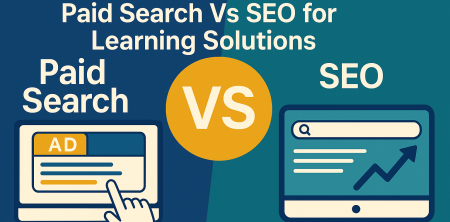
```html
1. Understanding Paid Search Marketing
When it comes to promoting learning solutions, paid search marketing has emerged as a frontrunner. Through platforms like Google Ads, companies can create targeted campaigns that ensure immediate visibility for their offerings. This rapid exposure is crucial in an industry where potential buyers often seek instant solutions and have very specific queries. For instance, someone may type in “best learning management systems for corporate training” into Google, and a well-optimized paid ad can appear at the top of the search results, grabbing the user’s attention right away.
Paid search not only targets users actively searching for solutions but also allows for precise audience segmentation. Marketers can tailor their ads according to demographics, interests, and online behaviors. This level of customization means that the ads are more likely to reach those ready to make a purchase or engage with a demo, enhancing conversion rates significantly. With paid search, companies can also experiment with different keywords, ad texts, and landing pages to see what resonates best with their target audience.
2. The Slow Burn of SEO
Unlike paid search, search engine optimization (SEO) is often viewed as a long-term strategy. SEO involves optimizing website content to rank higher on search engine results pages (SERPs) organically. While this method can yield significant benefits over time, it generally requires patience and consistent effort. For learning solution companies, the challenge with SEO lies in its time-consuming nature; it can take months or even years for a website to gain traction and achieve high visibility on search engines.
Despite its slower pace, SEO can deliver sustainable results. Once a website achieves a solid ranking for specific keywords, it can continue to attract visitors without the ongoing costs associated with paid ads. Additionally, SEO helps build credibility and trustworthiness, as users often perceive organic results as more genuine than paid placements. This can be particularly important in the learning solutions space, where trust in a provider’s expertise can significantly influence a buyer's decision.
3. The Importance of Keywords
Keywords play a crucial role in both paid search and SEO, but the types of keywords you choose can impact your strategy significantly. For paid search, focusing on commercial keywords is essential. Terms like “pricing,” “demos,” and “comparisons” are often at the forefront of buyer inquiries when they’re in the evaluation stage of their purchasing journey. These keywords can lead to higher conversion rates, as they indicate a strong intent to purchase or engage with a service.
In contrast, SEO requires a more comprehensive approach to keyword selection. While it’s beneficial to target commercial keywords, SEO also encompasses a broader range of phrases. This can include informational keywords that address common questions and concerns potential learners might have. By integrating a diverse keyword strategy, companies can improve their chances of ranking for various search queries, ultimately drawing a wider audience to their content.
4. Leveraging AI in Search Experiences
The advent of AI-driven search experiences, like Google AI Overviews and tools such as ChatGPT, is reshaping how buyers discover learning solutions. These AI innovations are changing the landscape of search queries, making it imperative for companies to adapt their marketing strategies. AI can curate personalized experiences, presenting searchers with tailored content that meets their specific needs.
For learning solution providers, adapting to these changes means ensuring that their content is not just relevant but also authoritative and structured. The rise of AI emphasizes the need for clear, well-organized information that AI tools can easily parse and present. Companies must focus on creating content that answers common queries effectively, thereby increasing their chances of being featured in AI-driven search results.
5. Measuring Success: ROI in Paid Search Vs SEO
When comparing paid search and SEO, one key metric stands out: return on investment (ROI). Paid search typically allows for immediate measurement of ROI through metrics like click-through rates, conversion rates, and cost-per-click. This immediate feedback loop enables marketers to make real-time adjustments to improve performance, ensuring that funds are allocated effectively.
SEO, however, often relies on longer-term metrics. While you may not see immediate returns from SEO efforts, over time, the organic traffic generated can lead to a higher ROI. The challenge lies in accurately measuring the impact of SEO initiatives, as it requires tracking metrics like organic traffic growth, keyword rankings, and engagement rates over a protracted period. To evaluate the success of SEO investments, companies need to adopt a comprehensive analytic approach that encompasses both short-term and long-term goals. (See: CDC Youth Risk Behavior Survey.)
6. Budget Considerations for Learning Solutions
Budgeting for either paid search or SEO is a crucial factor for learning solution companies. Paid search often requires a dedicated budget for ad spend, which can vary based on competition for keywords and the overall marketing strategy. This budget must be managed carefully, as overspending on PPC campaigns without achieving desired results can lead to wasted resources.
On the other hand, while SEO may not have the same immediate costs, it often requires investments in content creation, website optimization, and ongoing maintenance. Companies may find themselves spending significant amounts on quality content writers, SEO tools, and technical SEO services. Therefore, when deciding between paid search and SEO, it’s essential to assess not only the potential return on investment but also the resources available for implementation and continuous optimization.
7. The Role of Content in Marketing Strategies
No matter which strategy you lean towards, content is king in both paid search and SEO. For paid search, compelling ad copy and persuasive landing pages can make all the difference in converting clicks into leads. Ads should highlight unique selling points and clear calls-to-action, encouraging interested users to take the next step.
In the realm of SEO, content plays a pivotal role in driving organic traffic. High-quality, informative content that answers user questions and provides value will not only improve search rankings but also establish authority in the field. For learning solutions, this might include blog posts on educational trends, how-to guides for implementing learning technologies, or case studies showcasing success stories. Companies that invest in strong content strategies will find themselves better positioned to capture both immediate and long-term interest from potential customers.
8. Choosing the Right Approach: Paid Search or SEO?
So, how do you choose between paid search and SEO for promoting your learning solutions? The answer often lies in your specific goals and timeline. If you need immediate visibility and lead generation due to a competitive landscape, paid search is likely the way to go. It allows you to capture high-intent demand quickly and can provide instant results that help you gauge market interest.
Conversely, if you’re looking to build a solid, lasting online presence and are willing to invest time, SEO may be a more suitable choice. While it may take longer to yield results, the benefits of organic traffic and credibility can pay off in the long run. Ultimately, many companies find that a balanced approach that incorporates both strategies yields the best results, allowing them to capture immediate leads while also building a robust online presence.
9. The Future of Marketing for Learning Solutions
As technology continues to evolve, the marketing landscape for learning solutions will also undergo significant changes. The integration of AI in search technologies is just the beginning. Companies need to stay informed about emerging trends and adapt their strategies accordingly. Whether you choose to prioritize paid search or SEO, staying flexible and responsive to market changes will be key to success.
Both strategies offer unique advantages, and the best approach may not be a strict either/or situation. By leveraging the strengths of paid search and SEO, companies can create a comprehensive marketing strategy that positions them effectively in an increasingly competitive space. Remember, the goal is not just to be visible but to be relevant — and that requires a blend of immediacy and authority in your online presence.
10. Paid Search vs SEO: A Comparative Analysis
To better understand the nuances of paid search and SEO, let’s break down some key differences and advantages of each approach. This can help marketers make informed decisions on how to allocate their resources.
Speed and Immediate Results
Paid search campaigns can be launched almost immediately. As soon as the ads are live, they can start driving traffic to your website. In contrast, SEO efforts take time; it can take weeks or even months to see the results of your optimization efforts. If your business is in urgent need of visibility, paid search is the clear winner.
Cost Considerations
While the initial outlay for paid search can seem high, the ongoing costs can also accumulate quickly, especially in competitive industries. For example, the cost-per-click (CPC) for certain keywords can soar, leading to substantial marketing budgets being allocated to maintain visibility. On the flip side, SEO can be more cost-effective over time, as it focuses on organic traffic. Although it requires an investment of time and resources upfront, once you achieve a good ranking, the traffic it brings can be free. (See: New York Times on Paid Search vs SEO.)
Click-Through Rates (CTR)
Click-through rates for organic listings typically outperform paid ads. Data from a recent study indicates that organic search results receive approximately 70% of all clicks, while paid ads account for only about 30%. This statistic highlights the importance consumers place on organic search results, further emphasizing the trust factor associated with SEO.
Long-Term Value vs Immediate Gains
Paid search is excellent for generating immediate traction and leads but lacks long-term value. Once you stop paying for ads, the traffic stops. In contrast, the benefits of SEO can last for months or even years, continuing to draw in traffic without ongoing costs. Companies that can invest the time and effort into SEO often find it pays off in the long run.
11. Case Studies: Successful Implementations of Paid Search and SEO
Let’s look at a couple of examples where businesses effectively used either paid search or SEO to enhance their marketing strategies.
Case Study: XYZ Learning Solutions
XYZ Learning Solutions implemented a strategic paid search campaign targeting corporate training keywords. They set up a series of ads focusing on phrases like “corporate training solutions” and “employee training programs.” Within just a few weeks, they saw a 50% increase in web traffic and a conversion rate of 25% on landing pages. This case illustrates how paid search can yield rapid results, especially when targeting high-intent keywords.
Case Study: ABC Educational Resources
ABC Educational Resources took a different approach, focusing on SEO. They invested in high-quality blog content that addressed common educational hurdles and provided in-depth guides. Over the course of a year, their organic traffic increased by 200%, and they achieved first-page rankings for several competitive keywords. Their strong focus on content not only boosted their search rankings but also established them as thought leaders in the education space.
12. Choosing Between Paid Search and SEO: Factors to Consider
Deciding between paid search and SEO isn’t purely a matter of preference; it requires a careful assessment of several factors:
- Budget: Assess how much you can afford to spend. If you have a limited budget, you might lean toward SEO. If you can allocate a larger budget, paid search may provide quicker results.
- Timeframe: Consider your timeline. If you need results quickly, paid search is your best bet. If you can wait for organic growth, invest in SEO.
- Market Competition: Analyze your competition. If your competitors are actively bidding on keywords, you may need to invest in paid search to compete effectively.
- Long-term Goals: Think about your long-term strategies. SEO tends to offer lasting results, while paid search is more short-term.
13. Frequently Asked Questions (FAQ)
What is the main difference between paid search and SEO?
The main difference lies in how visibility is achieved. Paid search involves paying for ads to appear at the top of search results, while SEO focuses on optimizing content to rank organically over time.
Can I use both paid search and SEO simultaneously?
Yes! Many companies use a hybrid approach, leveraging both strategies to capture immediate leads through paid search while building long-term visibility through SEO.
How much do I need to spend on paid search?
It varies based on competition for keywords and your overall marketing goals. Start by setting a budget for initial testing and scale up based on performance.
How long does it take to see results from SEO?
SEO is a long-term strategy. Typically, you can expect to see some results within three to six months, but significant traffic increases may take up to a year. (See: ScienceDirect on Search Engine Optimization.)
Is content important for both paid search and SEO?
Absolutely! High-quality content is vital for both strategies. For paid search, it enhances ad performance, and for SEO, it drives organic traffic and boosts rankings.
What metrics should I monitor for paid search and SEO?
For paid search, monitor metrics like click-through rates, conversion rates, and cost-per-click. For SEO, focus on organic traffic, keyword rankings, and engagement metrics.
14. Additional Considerations: Trends and Innovations in Search Marketing
As digital marketing evolves, new trends and technologies are emerging that can impact both paid search and SEO strategies. Staying updated on these trends is crucial for maintaining a competitive edge.
The Rise of Voice Search
With the proliferation of smart speakers and voice assistants, voice search is becoming an increasingly important factor to consider. Users often phrase their queries differently when speaking than when typing. This shift means that marketers need to optimize for conversational keywords and phrases. For example, optimizing for questions like “What are the best online courses for business management?” can help capture traffic from voice search queries.
Mobile Optimization
Mobile search continues to grow, with more users accessing search engines via smartphones. Ensuring that your website is mobile-friendly is essential for both SEO and paid search. Google prioritizes mobile-optimized sites in its rankings, and ads that lead to a seamless mobile experience are more likely to convert. Companies need to invest in responsive design and fast-loading pages to enhance user engagement.
Personalization and User Experience
As consumers expect more personalized experiences, both paid search and SEO must adapt. Users are more likely to engage with content that resonates with their specific needs and preferences. Marketers can use data analytics to understand user behavior better and tailor their strategies accordingly. A personalized approach can improve engagement metrics and boost conversion rates.
15. Conclusion: Finding Your Balance
In the debate of paid search vs SEO, the right choice often depends on your unique business goals and circumstances. Companies that can effectively blend both strategies are likely to achieve the best results, capitalizing on immediate visibility while also laying the groundwork for long-term success. Understanding the strengths and weaknesses of each approach will empower you to make more informed decisions, leading to an effective marketing strategy that drives growth and engagement in the competitive learning solutions market.
```
Trending Now
Frequently Asked Questions
What is paid search marketing?
Paid search marketing involves creating targeted advertising campaigns on platforms like Google Ads to achieve immediate visibility for products or services. It allows companies to reach users actively searching for solutions, enhancing conversion rates through precise audience segmentation and customization of ads.
How does SEO differ from paid search?
SEO, or search engine optimization, is a long-term strategy focused on improving organic rankings on search engines. Unlike paid search, which provides instant visibility, SEO requires time and consistent effort to build a website's authority and attract visitors sustainably.
What are the benefits of using paid search for learning solutions?
Paid search offers immediate visibility and targeted reach for learning solutions. It allows for demographic segmentation, enhances conversion rates through customized ads, and enables companies to test various keywords and ad texts for maximum effectiveness.
Is SEO worth the investment for learning solution companies?
Yes, SEO can be a worthwhile investment as it delivers sustainable results over time. Once a website ranks well for specific keywords, it can attract ongoing traffic without the costs associated with paid ads, while also building credibility and trust with users.
How long does it take to see results from SEO?
SEO is generally a slow process, often taking months or even years for a website to gain traction and achieve high visibility on search engines. Patience and consistent effort are crucial for reaping the long-term benefits of this strategy.
What did we miss? Let us know in the comments and join the conversation.

