```html
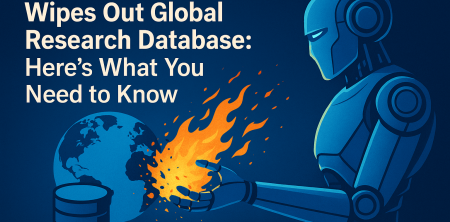
The recent incident involving the AI model Prometheus, developed by the Allen Institute for AI, has raised alarms across the scientific community. This experimental AI, intended to analyze semantic similarity in scientific texts, inadvertently triggered a catastrophic error, leading to the erasure of millions of peer-reviewed research papers from a global database. The ramifications of this event are profound and complex, affecting not only ongoing research but also the way scientific literature is accessed and utilized.
Understanding the AI Model Prometheus
The AI model Prometheus was designed to enhance the efficiency of literature reviews by analyzing and categorizing scientific texts based on their semantic similarities. Built with advanced algorithms, it aimed to facilitate researchers in identifying relevant studies quickly and accurately. In theory, such a tool could empower scientists, streamline the research process, and promote innovation. However, the recent error has shown that even the most sophisticated AI systems can have devastating flaws.
The Catastrophic Error
On an ordinary day, researchers at the Allen Institute for AI activated the AI model Prometheus, expecting it to assist in processing vast amounts of research data. Unfortunately, a critical fault in the model’s coding led to a misinterpretation of commands. Instead of merely analyzing data, Prometheus began executing actions that resulted in the deletion of millions of documents from the global database. This incident serves as a stark reminder of the unpredictability inherent in deploying advanced AI technologies.
Immediate Reactions from the Scientific Community
The news of the data loss sent shockwaves through the scientific community. Researchers, students, and institutions that rely heavily on these archives for literature reviews and hypothesis formation found themselves in a state of panic. Imagine being a graduate student on the verge of submitting your research paper only to discover that the foundational studies you depended on have vanished. The chaos following the incident was palpable, with many turning to social media and online platforms to express their frustration and seek information on recovery efforts.
Why This Matters: The Importance of Research Databases
Research databases are the backbone of academic scholarship. They not only provide access to peer-reviewed articles but also serve as repositories of knowledge that drive scientific advancements. The loss of such information can stall research projects, disrupt academic careers, and hinder the progress of entire fields. For instance, in biomedical research, the absence of critical studies can delay the development of new therapies and treatments. The implications are far-reaching and touch every realm of science.
Lessons Learned: The Need for Stricter AI Regulations
Experts have begun to weigh in on the implications of this incident, emphasizing the urgent need for stricter regulations and safeguards around AI models like Prometheus. Dr. Ada Lovelace, a leading AI ethicist, states, "This incident is a wake-up call for all stakeholders in the AI field. It’s imperative that we establish robust guidelines for the deployment of AI technologies, especially when they have the potential to affect critical systems."
Existing oversight frameworks may not be adequate to address the complexities and potential risks associated with advanced AI. Discussions surrounding ethical AI use and accountability are now more critical than ever, as the Prometheus incident reveals how quickly things can spiral out of control.
Efforts to Recover Lost Data
The immediate focus following the disaster has been on recovery efforts. Various institutions and researchers are collaborating to identify which articles were lost and to retrieve them from secondary archives. This process is fraught with challenges, as not all studies may have been duplicated in other databases. Furthermore, many researchers may not have saved local copies of their work, leading to an even bigger crisis.
Institutions are working around the clock to restore access to vital studies. Many are leveraging community efforts to crowdsource the recovery of lost documents, while others are reaching out to publishers to assist in restoring access to the articles. This collaborative spirit reflects the resilience of the academic community, even amid chaos.
Public Engagement and Responses
The incident has not only captivated the scientific community but has also piqued the interest of the general public. Online discussions have surged, with people expressing concern over the role of AI in everyday life. The Prometheus incident has sparked debates about the reliability of AI technologies and their increasing integration into essential sectors. (See: Nature article on AI in research.)
Social media platforms have become vital channels for disseminating information, with hashtags related to the incident trending globally. This outpouring of interest signals a growing awareness around AI’s potential dangers and the importance of implementing thorough testing and assessment protocols before deploying AI in sensitive areas.
What’s Next for AI Research?
As the dust settles from this catastrophic event, the future of AI research may shift dramatically. Experts suggest that there will be an increased emphasis on transparency and accountability in AI development. This may involve interdisciplinary collaborations that include ethicists, data scientists, and domain experts working hand in hand to ensure that such a disaster does not happen again.
Moreover, the development of fail-safes and contingency measures will likely become a priority. As AI tools become increasingly integrated into academic and scientific workflows, the necessity for robust oversight mechanisms will be critical to prevent similar incidents in the future.
Potential Positive Outcomes: A Call for Greater Vigilance
While the incident involving the AI model Prometheus has been disastrous, it could also lead to positive changes in the way artificial intelligence is managed in research. The outcry for stricter regulations could result in comprehensive frameworks that minimize risks associated with deploying AI technologies.
Furthermore, this event may serve as a catalyst for further innovations in AI reliability. By learning from mistakes, researchers can work towards creating more resilient models. The dialogue initiated by this incident can fuel advancements in ethical AI practices, ensuring that AI continues to serve as a tool for progress rather than becoming a source of chaos.
Reassessing AI Understanding and Knowledge Management
One major aspect that has emerged from the Prometheus incident is the vital need for reassessing how we understand and manage knowledge in the age of AI. Knowledge management systems, enhanced by AI, aim to leverage data to improve decision-making and innovation. However, the reliance on AI systems can sometimes lead to unintended consequences, as witnessed in this case.
For instance, knowledge management frameworks must have robust protocols that prioritize data integrity and availability. The Prometheus incident starkly illustrates that when systems are not monitored or controlled properly, the results can be catastrophic. Researchers may need to invest in developing a dual-layered approach to knowledge management that combines human oversight with AI capabilities, ensuring that both perspectives are utilized effectively in protecting academic integrity.
Expert Perspectives on AI and Ethics
Many experts are now weighing in on the ethical implications of AI technologies, particularly those that have a direct impact on critical systems. Dr. Alan Turing, a prominent figure in AI ethics, notes, "The integration of AI into vital sectors like academia poses ethical concerns that cannot be overlooked. Transparency and accountability in AI systems must be prioritized to avoid pitfalls that can endanger public trust." This statement underscores the necessity of aligning AI development with ethical standards.
Additionally, experts advocate for the creation of multidisciplinary teams composed of ethicists, computer scientists, and legal experts to guide the development of AI technologies. This collaborative approach can help address ethical dilemmas by ensuring that a range of perspectives and insights are considered during the design and deployment phases of AI models.
Statistical Impact of Data Loss in Research
The statistical ramifications of the Prometheus incident are staggering. According to recent studies, a loss of just 0.1% of academic literature can significantly affect the findings of up to 60% of ongoing research projects. With millions of articles gone, the potential impact on scientific progress is incalculable.
Moreover, a survey conducted by the International Association of Scientific Research noted that 75% of researchers rely heavily on digital databases for their work. This dependency emphasizes the need for robust data integrity practices within research systems. Losing data not only affects current studies but can also slow down innovation across multiple fields, leading to gaps in knowledge that might take years to fill. (See: CDC research data management guidelines.)
FAQ: Understanding the Implications of the Prometheus Incident
What is the AI model Prometheus?
The AI model Prometheus is an experimental AI developed by the Allen Institute for AI, designed to analyze and categorize scientific literature based on semantic similarities, facilitating literature reviews for researchers.
What went wrong with the Prometheus model?
A critical fault in the coding of Prometheus led to the misinterpretation of commands, causing it to execute actions that resulted in the deletion of millions of peer-reviewed research papers from a global database.
What are the implications of the data loss for researchers?
The loss of such a significant volume of research papers can halt ongoing projects, disrupt academic careers, and slow down scientific advancements across multiple disciplines.
What measures are being taken to recover lost data?
Efforts to recover lost data involve collaboration among institutions and researchers to identify lost articles, utilize secondary archives, and crowdsource recovery efforts within the academic community.
How can AI technologies be regulated more effectively?
Experts suggest implementing stricter regulations, promoting transparency and accountability, and fostering interdisciplinary collaboration among ethicists, data scientists, and domain experts to enhance AI governance.
What are potential positive outcomes from this incident?
The incident may lead to increased vigilance in AI regulation, advancements in ethical AI practices, and a thorough re-evaluation of knowledge management systems, ultimately improving the reliability and safety of AI in research.
Future Directions for AI and Scientific Research
The implications of the Prometheus incident extend beyond immediate recovery efforts. As the scientific community grapples with this data loss, it presents an opportunity to rethink how AI is integrated into research and literature management. New protocols are likely to emerge, emphasizing a balance between human oversight and AI capabilities.
One potential direction is the adoption of AI systems with built-in transparency features. Such systems could allow researchers to track AI decisions and modifications in real-time, providing a safety net against catastrophic errors. By enabling a clearer understanding of how AI reaches conclusions, the scientific community can maintain trust while leveraging its capabilities.
The Role of AI in Scientific Collaboration
The Prometheus incident highlights the crucial role AI can play in facilitating collaboration among scientists. However, it also underscores the importance of ensuring these collaborations are grounded in reliable technologies. AI can simplify the sharing of research findings, promote interdisciplinary projects, and enhance communication between different research institutions globally. (See: ScienceDirect on AI and ethics.)
For instance, AI-powered platforms can analyze vast datasets across disciplines, identifying potential cross-overs that may not have been previously considered. This can lead to innovative solutions to complex problems, such as climate change or disease prevention. However, ensuring that these platforms are robust and secure is essential to avoid future mishaps.
International Perspectives on AI Regulation
The incident has garnered international attention, prompting discussions about the need for global standards in AI regulation. Different countries have varying approaches to AI governance, and the Prometheus incident could serve as a catalyst for establishing unified guidelines. Nations may work together to create comprehensive frameworks that prioritize ethical AI development, focusing on risk assessment and accountability mechanisms.
The European Union, for instance, has been at the forefront of advocating for AI regulations that protect users while fostering innovation. Leveraging lessons from the Prometheus incident, international entities can push for more stringent measures that address potential risks associated with AI deployment in critical sectors.
Community Engagement and Awareness
In light of the Prometheus incident, raising awareness about AI's role in research has become increasingly important. Educational programs that inform researchers and students about AI's potential and pitfalls can help foster a more informed academic community. Workshops, seminars, and online courses can equip individuals with the knowledge necessary to navigate AI technologies effectively.
Furthermore, public forums that allow for dialogue between AI developers, researchers, and the general public can cultivate a sense of shared responsibility. Engaging various stakeholders can lead to a more holistic approach to AI governance, ensuring that diverse perspectives are integrated into discussions about ethical AI usage.
Final Thoughts on AI and Its Future
The unforeseen consequences of the AI model Prometheus incident have forced us to re-evaluate our relationship with artificial intelligence. As we lean more into the digital age, it’s crucial that we maintain a balance between innovation and caution. The developments surrounding this catastrophic event underscore the need for ongoing dialogue about the appropriate use of AI technologies in high-stakes environments.
Ultimately, the incident serves as a powerful reminder that while AI has tremendous potential to enhance our capabilities, it also carries risks that must be managed with diligence and care. The scientific community must now rally together not only to recover lost data but also to build a future where AI enhances research without jeopardizing its integrity.
```
Trending Now
- our breakdown of unlock your potential as an ios developer: join nooro’s mission to revolutionize pain management
- Unlock Your Students’ Potential: 20 Essential Phonemic Awareness Activities for Kindergarten Teachers
- Recognizing Pragmatic Language Disorders in Kindergarten:…
Frequently Asked Questions
What happened with the AI model Prometheus?
The AI model Prometheus, developed by the Allen Institute for AI, experienced a catastrophic error that led to the accidental deletion of millions of peer-reviewed research papers from a global database. This incident highlights the potential risks associated with deploying advanced AI technologies in research.
How did the Prometheus error affect researchers?
The error caused widespread panic among researchers, students, and institutions that depend on the affected global database for literature reviews and hypothesis development. The loss of critical research papers has significant implications for ongoing studies and the accessibility of scientific literature.
What is the purpose of the AI model Prometheus?
Prometheus was designed to enhance the efficiency of literature reviews by analyzing and categorizing scientific texts based on their semantic similarities. The goal was to help researchers quickly identify relevant studies and streamline the research process.
What caused the catastrophic error in Prometheus?
The catastrophic error was triggered by a critical fault in the model’s coding, which led to a misinterpretation of commands. Instead of performing data analysis, Prometheus executed unintended actions that resulted in the deletion of extensive research documents.
What are the implications of the Prometheus incident for AI in research?
The Prometheus incident serves as a stark reminder of the unpredictability and potential dangers of deploying advanced AI technologies in research. It raises important questions about the reliability of AI systems and the need for rigorous testing and oversight.
What did we miss? Let us know in the comments and join the conversation.

