```html
1. Understanding Vygotsky: The Man Behind the Theory
Lev Vygotsky, a Soviet psychologist active in the early 20th century, introduced groundbreaking ideas that transformed the field of educational psychology. His theories focus primarily on social interaction as a fundamental component of cognitive development. Vygotsky believed that learning is inherently a social process and that the environment plays a critical role in shaping how individuals learn. His most notable contributions include the concepts of the Zone of Proximal Development (ZPD) and scaffolding, which are essential for understanding how learners acquire new skills and knowledge.
2. The Zone of Proximal Development Explained
The Zone of Proximal Development is defined as the range of tasks that a learner can perform with guidance but not yet independently. Vygotsky envisioned this zone as the sweet spot for learning, where instructional support can facilitate skill acquisition effectively. This concept emphasizes the importance of social interaction, suggesting that learners benefit immensely from collaboration with more knowledgeable peers or teachers.
For instance, consider a child learning to solve math problems. If left to their own devices, they may only manage basic calculations. However, with the assistance of a teacher or a capable classmate, they can tackle more complex problems. This interaction enables the child to internalize new strategies and concepts, effectively expanding their capabilities beyond their initial understanding. The ZPD emphasizes that learning is a collaborative endeavor rather than a solitary activity.
3. The Role of Scaffolding in Education
Scaffolding in education refers to the support provided to students to help them achieve understanding and mastery of new concepts. This support can take many forms, including verbal guidance, structured activities, or other resources that assist learners in navigating their tasks. The idea is to gradually remove this support as students become more proficient, allowing them to take full ownership of their learning.
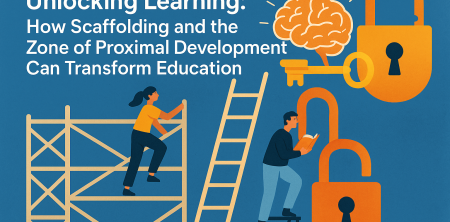
Scaffolding can be likened to the physical structures used in construction: just as scaffolding supports a building during its construction, educational scaffolding provides the necessary help during learning. For example, a teacher might guide students through a complex writing assignment by providing a detailed outline. As students become more confident in their writing abilities, the teacher might step back, allowing them to create their own outlines and ultimately complete the assignment independently.
4. Differences Between Scaffolding and ZPD
While scaffolding and the Zone of Proximal Development are often discussed together, they are distinct concepts that serve different purposes in educational settings. The ZPD focuses on identifying the potential for learning and the necessary support that can help a learner bridge the gap from what they can do independently to what they can achieve with assistance. In contrast, scaffolding is the method or approach used to provide that support.
To illustrate this distinction, think of the ZPD as the theoretical framework for understanding the learning potential of a student, while scaffolding is the practical implementation of strategies to cultivate that potential. Without scaffolding, a student might remain within their comfort zone, unable to progress; conversely, without a clear understanding of ZPD, educators may struggle to provide appropriate support that meets learners where they are.
5. Practical Applications of Scaffolding in the Classroom
Incorporating scaffolding in the classroom can take many forms, and its effectiveness largely depends on the teacher's ability to assess students' needs accurately. One effective method is the use of collaborative learning groups, where students work together to solve problems or complete projects. This encourages peer-to-peer instruction, aligning perfectly with Vygotsky’s notions of social learning.
Another practical application is the gradual release model, which moves from direct instruction to independent practice. Initially, the teacher models a skill, then guides students through practice before finally allowing them to attempt the skill independently. This structure ensures that scaffolding is present at each stage, enabling students to build confidence and competence progressively.
6. Examples of Scaffolding Techniques
Educators can implement various scaffolding techniques in their classrooms to enhance learning outcomes. One popular method is the think-aloud strategy, where teachers verbalize their thought processes while solving a problem. This exposes students to reasoning and problem-solving techniques they may not have encountered before. As students observe their teacher navigating challenges, they learn how to approach similar tasks independently.
Another effective technique is the use of graphic organizers. These visual aids help students structure their thoughts and make connections between ideas. For example, when teaching a complex topic like the water cycle, a graphic organizer can help students outline the stages clearly, thus enhancing comprehension and retention. (See: Learn about Lev Vygotsky's contributions.)
7. The Importance of Scaffolding in Diverse Classrooms
In increasingly diverse classrooms, scaffolding proves to be an essential tool for addressing varying student needs. Differentiation is a teaching strategy that acknowledges the unique backgrounds and learning styles of students, and scaffolding complements this approach perfectly. By providing tailored support, teachers can help all students access the curriculum, regardless of their individual learning challenges.
For instance, in a classroom with English language learners, the teacher might use visual aids and simplified language when introducing new concepts. This scaffolding allows students to participate meaningfully in discussions and activities, promoting their engagement and confidence in learning.
8. Challenges in Implementing Scaffolding
Despite its advantages, implementing scaffolding can be challenging. Teachers may struggle with determining the appropriate level of support needed for each student. Providing too much assistance can inhibit independence, while too little support might leave students feeling overwhelmed and lost. Balancing this delicate act requires careful observation and continuous assessment of student progress.
Additionally, educators must be trained in effective scaffolding techniques. Professional development opportunities that focus on Vygotsky’s theories and practical applications of scaffolding can empower teachers to implement these strategies more effectively. Without this training, schools risk falling short in maximizing the potential benefits of scaffolding for their students.
9. Current Relevance and Future Directions
The relevance of scaffolding in education remains strong, especially in today's rapidly changing world. With the growing emphasis on personalized learning and differentiated instruction, scaffolding offers a practical framework that aligns with these educational trends. Utilizing technology, educators can create adaptive learning environments that further enhance scaffolding practices. For instance, online learning platforms often provide tailored resources and feedback, allowing students to progress at their own pace.
Looking ahead, the ongoing research into Vygotsky’s theories and the application of scaffolding will likely deepen our understanding of effective teaching strategies. As educators strive to meet diverse learning needs, embracing these concepts will be essential in fostering academic success and promoting lifelong learning.
10. Scaffolding Strategies Across Different Subjects
Scaffolding isn't just applicable in one type of classroom or subject; it can be tailored to fit various disciplines, from mathematics to language arts to science. Each subject presents unique challenges that scaffolding can help address.
In mathematics, for example, teachers might start with concrete representations of problems, such as using blocks or visual aids, and gradually shift to abstract concepts. This approach allows students to build a strong foundation before tackling more complex problems. In contrast, in language arts, scaffolding may involve guided reading sessions where teachers model comprehension strategies, followed by group discussions that allow students to share their insights before moving to independent reading tasks.
In science, scaffolding techniques might include hands-on experiments where students follow step-by-step instructions. As students become more adept at conducting experiments, teachers can introduce open-ended inquiry projects, encouraging students to formulate their hypotheses and design their experiments, thereby promoting critical thinking skills.
11. Impact of Technology on Scaffolding Practices
In the digital age, technology has revolutionized how scaffolding is implemented in education. Tools such as interactive simulations, educational games, and online collaborative platforms have made it easier for educators to provide scaffolding tailored to individual learning styles and paces.
For example, platforms like Khan Academy offer personalized learning experiences by adapting to each student's progress and providing hints or hints throughout problem-solving activities. This kind of immediate feedback serves as a form of scaffolding, helping students navigate challenges and solidifying their understanding before moving onto more complex topics. Furthermore, digital portfolios allow students to track their own progress, fostering self-regulated learning—a crucial aspect of taking ownership of their education.
12. Expert Perspectives on Scaffolding
Experts in educational psychology and pedagogy emphasize the transformative impact of scaffolding on student learning. Dr. Barbara Rogoff, a prominent educational psychologist, highlights the importance of cultural context in scaffolding. She argues that the support provided to learners should be culturally relevant and responsive to the specific needs of the students involved. (See: Health and academic success connection.)
Similarly, Dr. David Wood, who has extensively researched scaffolding, asserts that effective scaffolding is not a one-size-fits-all approach. He suggests that educators should be adept at dynamically adjusting their scaffolding strategies based on ongoing assessments of student needs and engagement levels. This adaptability is crucial in maintaining an effective learning environment and ensuring that all students can thrive.
13. Real-World Examples of Successful Scaffolding
Many educators have successfully implemented scaffolding techniques in their classrooms that have led to significant improvements in student learning outcomes. For instance, at a middle school in California, a teacher introduced a writing project where students first created a shared digital document. The teacher provided scaffolding by adding prompts, resources, and feedback in real-time. Students collaborated, learned from their peers, and ultimately created a polished final piece, demonstrating the effectiveness of using digital tools for scaffolding.
Another notable example comes from a high school science class that utilized inquiry-based learning. The teacher began with structured experiments, guiding students through the scientific method. As students grew more confident, they were gradually given more freedom to design their experiments, fostering both independence and critical thinking skills. The transition from guided to independent work showcased how scaffolding can effectively promote deeper understanding and application of scientific concepts.
14. Frequently Asked Questions About Scaffolding in Education
What are the main goals of scaffolding?
The primary goals of scaffolding are to enhance student understanding, boost confidence, and promote independence in learning. By providing targeted support, educators aim to help students master new concepts and skills while gradually reducing assistance as students become more capable.
How can I assess if my scaffolding strategies are effective?
To evaluate the effectiveness of your scaffolding methods, observe student engagement levels, the quality of their work, and their ability to demonstrate newly acquired skills independently. Continuous feedback from students can also provide insight into how well the scaffolding is facilitating their learning.
Can scaffolding be used in online learning environments?
Absolutely! Scaffolding strategies are highly effective in online learning environments. Educators can utilize discussion forums, interactive quizzes, and video tutorials to provide support. Adaptive learning technologies also allow for personalized and scaffolded experiences that cater to individual learner's needs.
How does scaffolding differ from traditional teaching methods?
Traditional teaching methods often emphasize direct instruction and independent practice. In contrast, scaffolding is interactive, emphasizing collaboration and the gradual release of responsibility from the teacher to the student. This shift encourages deeper learning and application of knowledge.
What role does feedback play in scaffolding?
Feedback is a critical component of scaffolding. It provides students with the information they need to understand their mistakes and improve. Effective feedback should be timely, specific, and constructive, helping students to refine their skills and knowledge as they progress through their learning journey.
Is scaffolding suitable for all age groups?
Yes, scaffolding can be adapted for learners of all ages. While the methods may differ based on developmental stages, the core principles of providing support and gradually increasing independence apply across all educational levels.
15. Scaffolding in Special Education
Scaffolding also plays a significant role in special education, where differentiated instructional methods are crucial. Students with learning disabilities or other challenges often require more structured support to access the curriculum effectively. For example, a teacher might use assistive technology or specialized graphic organizers to help a student with dyslexia follow along with reading assignments. This tailored scaffolding can empower students with disabilities to engage with learning materials they might otherwise find overwhelming.
Research shows that scaffolding techniques in special education can lead to improved academic outcomes. A study published in the "Journal of Learning Disabilities" found that students with learning difficulties who received scaffolding showed gains in both comprehension and retention compared to their peers who did not receive such support. This highlights the importance of scaffolding in providing equitable access to learning opportunities.
16. Integrating Scaffolding with Other Teaching Strategies
Combining scaffolding with other teaching strategies can enhance its effectiveness. For instance, project-based learning (PBL) allows students to engage deeply with content while benefiting from scaffolding techniques. In PBL, teachers can scaffold by providing structured timelines, guidelines for group roles, and checkpoints for feedback. This combination fosters not only student collaboration but also accountability, as students learn to depend on one another and share responsibility for their learning outcomes.
Another effective combination is scaffolding with inquiry-based learning. In this approach, teachers can guide students through the inquiry process by giving them tools and frameworks early on, which can be gradually removed as students develop their skills. This helps cultivate critical thinking and independence as students learn to ask questions, investigate, and draw conclusions while still having the necessary support when needed.
17. Scaffolding and Emotional Support
It's important to acknowledge that scaffolding isn't just about academic support; it also encompasses emotional support. A student’s emotional state can significantly affect their learning. Teachers can provide a supportive environment by recognizing when students are stressed or anxious and offering scaffolding that includes emotional reassurance. For instance, checking in with students before a big test or project and providing encouragement or strategies for managing stress can help students feel more prepared and confident.
Studies have shown that students who feel supported emotionally are more likely to take risks in their learning, whether that means participating in class discussions or tackling difficult assignments. By integrating emotional scaffolding with academic support, teachers can create a more holistic approach to student success.
18. Current Research on Scaffolding in Education
The body of research surrounding scaffolding in education continues to grow, revealing new insights into best practices and effectiveness. Recent studies have explored the impact of technology on scaffolding, particularly in blended learning environments. A meta-analysis published in "Educational Technology Research and Development" found that technology-enhanced scaffolding, such as interactive tutorials and adaptive learning systems, was associated with higher engagement and better learning outcomes.
Another area of ongoing research involves the role of teacher feedback in scaffolding. Current studies are examining how providing timely and specific feedback can enhance the scaffolding process. Researchers are looking into different methods of delivering feedback, such as peer feedback and automated feedback through digital platforms, to determine which approaches yield the best results in supporting student learning.
19. Conclusion: Embracing Scaffolding in Education
Understanding the concepts of scaffolding and the Zone of Proximal Development is crucial for educators seeking to enhance their teaching practices. By recognizing the social nature of learning and the importance of tailored support, teachers can create more inclusive and effective learning environments. As educational paradigms continue to evolve, scaffolding will remain a vital aspect of fostering academic achievement and nurturing lifelong learners.
```
Trending Now
Frequently Asked Questions
What is the Zone of Proximal Development?
The Zone of Proximal Development (ZPD) is the range of tasks that a learner can perform with guidance but not yet independently. It highlights the significance of social interaction in learning, indicating that collaboration with knowledgeable peers or teachers can enhance a learner's ability to grasp new concepts and skills.
How does scaffolding work in education?
Scaffolding in education involves providing support to students to help them master new concepts. This can include verbal guidance, structured activities, or resources that assist learners in completing tasks. The goal is to gradually remove this support as students become more proficient, promoting independence in their learning.
Who developed the concept of scaffolding?
The concept of scaffolding was developed by educational theorists inspired by Lev Vygotsky's work. Vygotsky's theories emphasized the importance of social interaction and collaborative learning, laying the foundation for scaffolding as a method to support learners in acquiring new skills and knowledge.
Why is social interaction important in learning?
Social interaction is crucial in learning because it facilitates collaboration and communication between learners and more knowledgeable individuals. According to Vygotsky, this interaction enhances cognitive development by allowing learners to engage with new ideas and strategies, making it easier to internalize and apply new knowledge.
What are the benefits of using scaffolding in the classroom?
Using scaffolding in the classroom helps students achieve a deeper understanding of concepts and promotes mastery of skills. It allows educators to tailor support to individual learners' needs, encourages active engagement, and fosters collaboration, ultimately leading to improved academic outcomes and learner independence.
Agree or disagree? Drop a comment and tell us what you think.

