```html
Dyslexia affects millions of children and adults worldwide, making reading a strenuous task. Central to understanding this learning difference is dyslexia phonemic awareness, a crucial cognitive skill that influences reading proficiency. In this article, we’ll explore what dyslexia is, how phonemic awareness plays a pivotal role in reading, and practical strategies to assist those who struggle with dyslexia.
What is Dyslexia?
Dyslexia is a specific learning disability that impacts an individual's ability to read, spell, and write. Research indicates that dyslexia is not a reflection of intelligence; rather, it arises from differences in how the brain processes language. According to the International Dyslexia Association, approximately 15-20% of the population exhibits some symptoms of dyslexia, with varying degrees of severity.
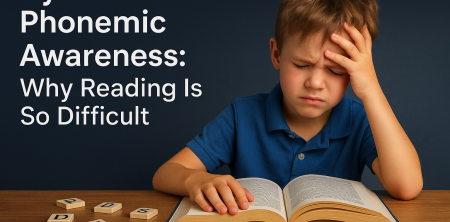
Common symptoms of dyslexia include difficulty with phonemic awareness, challenges in decoding words, and slow reading speed. As a result, children with dyslexia often experience frustration and anxiety, impacting their overall academic performance and self-esteem.
The Importance of Phonemic Awareness
Phonemic awareness refers to the ability to recognize and manipulate the sounds (or phonemes) in spoken language. This skill is crucial for learning to read and write because it forms the foundation for understanding the relationship between letters and sounds. For children with dyslexia, developing phonemic awareness can be particularly challenging, leading to difficulties in decoding words and fluency in reading.
Studies have shown a strong correlation between phonemic awareness and reading success. In fact, the National Reading Panel concluded that explicit instruction in phonemic awareness can significantly improve reading skills among struggling readers. Without this foundational skill, children may find it hard to understand the connections between letters and sounds, which can lead to persistent reading difficulties.
How Phonemic Awareness Affects Reading Development
Phonemic awareness encompasses several sub-skills, such as:
- Identifying sounds in words (e.g., recognizing that the word “cat” consists of three sounds: /k/, /æ/, and /t/).
- Segmenting sounds (breaking a word down into its individual sounds).
- Blending sounds (combining individual sounds to make a word).
- Manipulating sounds (changing, adding, or deleting sounds in words).
For children with dyslexia, these tasks can seem daunting. When phonemic awareness is lacking, it affects their ability to decode unfamiliar words. Instead of sounding out the word, they may guess based on context or rely heavily on memorization – strategies that can lead to further confusion and frustration.
Cognitive Underpinnings of Dyslexia
Understanding the cognitive aspects of dyslexia provides insight into why phonemic awareness is so elusive for many who experience this learning difference. Research suggests that individuals with dyslexia may have differences in brain structure and function, particularly in areas related to phonological processing. For example, studies using neuroimaging techniques have shown reduced activation in the left hemisphere of the brain, which plays a critical role in language processing.
Moreover, the phonological deficit hypothesis postulates that difficulties in phonemic awareness are a core characteristic of dyslexia, influencing various aspects of language acquisition. This deficit can interfere not only with reading but also with spelling and writing, compounding the challenges faced by individuals with dyslexia.
Practical Strategies to Enhance Phonemic Awareness
There are effective strategies parents, educators, and tutors can implement to help children improve their phonemic awareness: (See: National Institute of Child Health and Human Development on dyslexia.)
- Play Phonemic Awareness Games: Engage children in fun activities that focus on sounds. Games like rhyming, sound matching, or even simple clapping to syllables can enhance phonemic awareness.
- Use Multi-Sensory Approaches: Approaches that combine visual, auditory, and kinesthetic learning can make phonemic awareness more accessible. For example, using letter tiles to spell out words while saying them aloud can reinforce sound-letter connections.
- Incorporate Phonemic Awareness Activities into Daily Routines: Simple activities such as singing songs, reading aloud, and playing word games can help reinforce phonemic skills in a natural and engaging way.
- Seek Professional Help: Consider enlisting the services of a reading specialist or a tutor trained in structured literacy programs tailored to assist children with dyslexia. These professionals can provide targeted interventions focused on phonemic awareness.
Current Relevance and Research Trends
The conversation around dyslexia and phonemic awareness has gained momentum in recent years, with numerous studies highlighting the importance of early intervention. Efforts to integrate phonemic awareness training into school curricula are also becoming more prevalent. Educational institutions are increasingly recognizing the need for tailored instruction that accommodates diverse learning styles.
Moreover, technology is playing a role in addressing the challenges faced by individuals with dyslexia. Innovative apps and software tailored to enhance phonemic awareness and reading skills are emerging, providing users with engaging, interactive ways to practice and improve. Tools such as these can help bridge the gap for students struggling with traditional teaching methods.
The Role of Parents and Educators
Parents and educators play a critical role in supporting children with dyslexia. Understanding the challenges faced by these students is the first step. Parents can create a supportive home environment by maintaining open lines of communication, encouraging reading for pleasure, and celebrating small achievements. It’s essential to foster resilience and a love for learning, even when challenges arise.
Educators, on the other hand, can benefit from professional development focused on dyslexia awareness and effective instructional strategies. By equipping themselves with the knowledge and tools to support students with phonemic awareness difficulties, they can make a substantial difference in their students’ reading journeys.
Future Directions in Dyslexia Research
As research continues to evolve, there is hope for a deeper understanding of dyslexia and its associated challenges. Future studies are likely to focus on refining phonemic awareness training methods and developing interventions that cater to individual learning needs.
Additionally, researchers are exploring the genetic and environmental factors that may contribute to dyslexia. As we uncover more about its origins, we’ll be better positioned to develop effective prevention and intervention strategies.
Final Thoughts: Empowering Those with Dyslexia
Understanding the links between dyslexia phonemic awareness and reading proficiency is essential for empowering individuals with dyslexia. By providing support, resources, and tailored strategies, we can help these individuals not only improve their reading skills but also develop a positive self-image.
As society becomes increasingly aware of the challenges faced by those with dyslexia, the hope is that interventions will become more accessible and effective, paving the way for a brighter future in literacy for all learners.
Understanding Phonemic Awareness in Depth
Phonemic awareness forms the backbone of effective reading instruction, especially for children with dyslexia. It's not merely about recognizing sounds; it’s about manipulating them in ways that allow children to make sense of the written word. Effective phonemic awareness training goes beyond rote memorization; it involves engaging children in activities that highlight how words are constructed from sounds.
For instance, teaching children to break words into syllables can help them grasp larger phonemic structures. This skill is crucial as it allows them to tackle more complex vocabulary. For example, breaking down the word “elephant” into “el-e-phant” can help them decode and pronounce it correctly. This kind of segmentation is a vital skill that can be enhanced through targeted practice.
Statistics and Facts about Dyslexia and Phonemic Awareness
Statistics reveal the widespread impact of dyslexia and the crucial role of phonemic awareness:
- According to the National Institute of Child Health and Human Development, about 40% of children with dyslexia struggle with phonemic awareness.
- Research shows that children who receive systematic phonemic awareness instruction can improve their reading skills by as much as 50%.
- Children who struggle with phonemic awareness are at a higher risk for long-term academic challenges, making early intervention essential.
Expert Perspectives on Phonemic Awareness
Experts in the field of education and psychology often emphasize the significance of phonemic awareness in the context of dyslexia. Dr. Sally Shaywitz, a renowned neurologist and co-director of the Yale Center for Dyslexia & Creativity, states, “Dyslexia is not about the words themselves but about the underlying processes that allow us to decode those words.” This highlights the importance of focusing on phonemic awareness as a critical skill that needs attention during early reading instruction.
Another expert, Dr. Richard Wagner, a leading researcher in the field of reading disabilities, emphasizes that phonemic awareness is foundational to the reading process. He argues that without strong phonemic awareness, children may struggle throughout their academic careers, as reading is a complex task that relies on the ability to process sounds efficiently.
Common Misconceptions about Dyslexia and Phonemic Awareness
There are several misconceptions regarding dyslexia that can hinder understanding and support for affected individuals:
- Dyslexia is a result of low intelligence: Many believe that dyslexia correlates with lower intelligence, but this is not true. Individuals with dyslexia can be highly intelligent; they simply process language differently.
- Dyslexia only affects reading: While reading is significantly impacted, dyslexia can also affect writing, spelling, and even oral language skills.
- Phonemic awareness is inherent: Some assume that children will naturally develop phonemic awareness. In reality, it often requires explicit instruction and practice, especially for those with dyslexia.
Frequently Asked Questions (FAQs)
What age should phonemic awareness skills be developed?
Phonemic awareness typically begins to develop in preschool and should be reinforced in early elementary school. Early intervention is crucial for helping children with dyslexia.
Can children with dyslexia improve their phonemic awareness?
Yes, with targeted training and practice, children with dyslexia can make significant improvements in their phonemic awareness skills. Consistent practice with engaging activities can lead to better outcomes.
Are there specific resources for teaching phonemic awareness?
Numerous resources are available, including books, educational websites, and specialized programs designed for teaching phonemic awareness. Some popular resources include "The Phonemic Awareness Kit" and apps like "Reading Rockets."
How can teachers assess a child's phonemic awareness?
Teachers can use informal assessments such as sound matching games, rhyming activities, and phoneme segmentation tasks to evaluate a child's phonemic awareness. Structured assessments are also available through educational testing tools.
What are some engaging activities to support phonemic awareness?
Activities can include singing songs that emphasize sounds, using flashcards with pictures and corresponding sounds, or playing interactive games that require sound manipulation. The key is to make them fun and engaging to maintain children's interest.
Is phonemic awareness training enough to support children with dyslexia?
While phonemic awareness training is essential, it should be part of a comprehensive approach that includes phonics instruction, vocabulary development, and reading comprehension strategies. A holistic approach ensures better outcomes.
The Link Between Phonemic Awareness and Other Literacy Skills
While phonemic awareness is crucial for reading development, it doesn't exist in isolation. This skill interconnects with other literacy components, including phonics, vocabulary, and comprehension. Phonemic awareness acts as the gateway to phonics, where children learn to associate sounds with letters and letter combinations. When children understand that sounds make up words, they are better equipped to tackle the complex rules of phonics.
Research supports the idea that strong phonemic awareness leads to improved vocabulary and comprehension skills. As children become proficient in decoding words, their ability to understand and engage with texts also grows. When students can read fluently, they can focus more on what they’re reading rather than struggling to pronounce words, allowing for better comprehension and retention of information.
Phonemic Awareness Activities for the Classroom
Teachers can implement several engaging activities to foster phonemic awareness in the classroom:
- Sound Sorting: Provide pictures of objects or animals and have children sort them based on the initial sounds. This helps reinforce sound recognition.
- Phoneme Deletion Games: Ask children to say a word and then remove a sound. For example, if you say "star" and ask them to say it without the /s/, they should say "tar."
- Rhyme Time: Encourage children to come up with rhyming words. This reinforces sound awareness and can be done through playful poetry or songs.
- Sound Walks: Take children on a walk around the school or neighborhood and have them listen for specific sounds or words starting with a targeted phoneme.
Resources for Parents Supporting Phonemic Awareness
Parents are often a child's first teachers and can leverage various resources to support phonemic awareness development at home. Some helpful strategies include:
- Literature Choices: Choose books with rhythmic text or repeated phrases that children can predict and participate in reading. Books like "Brown Bear, Brown Bear, What Do You See?" by Bill Martin Jr. are excellent for this.
- Apps and Online Games: There are many educational apps available that focus on sound recognition and phonemic skills. Look for those designed specifically for early literacy learners.
- Daily Reading Routines: Incorporate reading into daily routines. Whether it’s bedtime stories or a dedicated reading time, consistent exposure to language and sounds reinforces phonemic skills.
- Encourage Play: Engage in games that emphasize sounds, such as “I Spy” with phonemes or other interactive sound games that make learning enjoyable.
Looking Ahead: The Future of Dyslexia and Phonemic Awareness Research
The field of dyslexia research is continuously evolving, with promising developments on the horizon. Future research may delve deeper into personalized learning approaches, utilizing artificial intelligence and data analytics to tailor phonemic awareness instruction to individual needs. As educators gain access to more sophisticated tools, they can track progress and adapt strategies in real-time, ensuring that interventions are effective.
In addition, there is a growing focus on inclusive education practices that aim to create environments where all learners, regardless of their challenges, can thrive. Schools are increasingly implementing universal design for learning (UDL) principles, which advocate for flexible learning environments that accommodate individual learning differences.
As we look toward the future, the integration of phonemic awareness training in both special and general education settings holds great potential for improving literacy outcomes for all students, particularly those with dyslexia.
Conclusion
Empowering children with dyslexia through phonemic awareness instruction is vital for their academic success. By understanding the complexities of dyslexia and implementing tailored strategies that foster phonemic awareness, parents and educators can make a significant difference in helping these children develop their reading skills. It’s clear that with the right support, individuals with dyslexia can not only learn to read but can also discover a love for literacy, transforming their educational experience and future possibilities.
```
Trending Now
Frequently Asked Questions
What is dyslexia and how does it affect reading?
Dyslexia is a specific learning disability that impacts an individual's ability to read, spell, and write. It arises from differences in how the brain processes language, not from a lack of intelligence. Individuals with dyslexia often struggle with phonemic awareness, decoding words, and reading fluency, leading to frustration and difficulties in academic performance.
What is phonemic awareness and why is it important?
Phonemic awareness is the ability to recognize and manipulate the sounds in spoken language. It is crucial for learning to read and write, as it helps children understand the relationship between letters and sounds. For those with dyslexia, developing phonemic awareness can be especially challenging, affecting their reading success.
How can phonemic awareness improve reading skills in children?
Research indicates a strong correlation between phonemic awareness and reading success. Explicit instruction in phonemic awareness has been shown to significantly enhance reading skills among struggling readers, including those with dyslexia. This foundational skill helps children decode words and improves their overall reading fluency.
What are the common symptoms of dyslexia?
Common symptoms of dyslexia include difficulty with phonemic awareness, challenges in decoding words, slow reading speed, and frustration while reading. Children with dyslexia may also experience anxiety related to academic performance, which can affect their self-esteem and overall learning experience.
What strategies can help children with dyslexia?
Practical strategies to assist children with dyslexia include using explicit phonemic awareness instruction, incorporating multi-sensory learning techniques, and providing supportive reading environments. Additionally, fostering a positive attitude towards reading and offering emotional support can significantly benefit children struggling with dyslexia.
Agree or disagree? Drop a comment and tell us what you think.

