```html
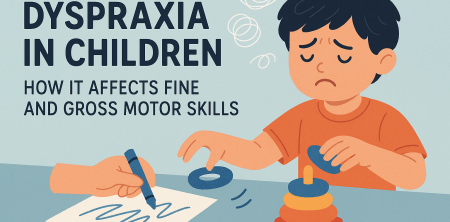
When it comes to developmental disorders in children, few topics are as often overlooked as dyspraxia in children. This lesser-known condition can have a profound impact on a child's ability to perform everyday tasks that require coordination and skill. In this comprehensive article, we’ll explore what dyspraxia is, how it affects both fine and gross motor skills, and what parents and educators can do to support affected children.
What is Dyspraxia?
Dyspraxia, also referred to as Developmental Coordination Disorder (DCD), is a motor skill disorder that affects coordination and movement in children. It’s not a reflection of intelligence; many children with dyspraxia often excel academically. However, the condition can lead to difficulties in areas that require physical coordination, impacting both fine and gross motor skills.
Estimates suggest that dyspraxia affects approximately 5-10% of school-age children, making it a significant issue that merits attention. While the precise causes of dyspraxia are still not fully understood, it is believed to be linked to neurological development. Children with dyspraxia often find it challenging to plan and execute movements, which can lead to frustration and a lack of confidence.
Understanding Fine and Gross Motor Skills
Before delving into how dyspraxia affects motor skills, it’s crucial to differentiate between fine and gross motor skills:
- Fine Motor Skills: These involve the small muscles of the hands and fingers, which are essential for tasks such as writing, buttoning shirts, or using utensils.
- Gross Motor Skills: These pertain to larger muscle groups and involve movements such as running, jumping, or throwing a ball.
Both types of motor skills are essential for daily activities and overall development. Children with dyspraxia often experience difficulties in both areas, which can affect their academic performance, social interactions, and self-esteem.
How Dyspraxia Affects Fine Motor Skills
Fine motor skills involve intricate hand-eye coordination and dexterity. For children with dyspraxia, these skills can present significant challenges. Tasks that seem simple to others, like holding a pencil or tying shoelaces, may require extensive effort and practice.
Common difficulties include:
- Handwriting: Many children with dyspraxia struggle with writing legibly due to poor grip strength and coordination.
- Self-Care Tasks: Activities such as brushing teeth, buttoning clothing, or using scissors can be overwhelming.
- Art and Craft Activities: Engaging in activities that require precision, like drawing or painting, can be frustrating.
These challenges can lead to a cycle of frustration and anxiety, which may discourage the child from participating in activities that foster fine motor skills.
How Dyspraxia Affects Gross Motor Skills
Gross motor skills encompass larger movements that involve whole-body coordination. Children with dyspraxia may struggle with balance, body awareness, and timing when performing these activities. Here are some specific impacts:
- Balance Issues: Many children with dyspraxia find it difficult to balance, making activities like riding a bike or climbing playground equipment challenging.
- Coordination Problems: Tasks such as jumping rope or playing sports can be daunting, leading to social withdrawal.
- Timing Difficulties: Activities that require precise timing, like catching a ball or running in sync with peers, can be particularly problematic.
The challenges associated with gross motor skills can hinder children's participation in sports and physical activities, which are critical for social interaction and building self-esteem. (See: Child Development Fact Sheet.)
Recognizing the Signs of Dyspraxia
Identifying dyspraxia in children can be challenging, especially since the symptoms can vary widely. Parents and teachers should be aware of common signs, which may include:
- Delayed milestones in physical development, like crawling or walking.
- Frequent tripping or falling.
- Poor handwriting or difficulty with tasks requiring fine motor skills.
- Struggling to follow instructions that involve multiple steps.
- Difficulty with tasks that require coordination, like playing sports.
If you notice these signs in your child, it’s important to consult with a healthcare professional for a comprehensive evaluation. Early detection can lead to more effective interventions.
Diagnosis and Evaluation of Dyspraxia
Diagnosing dyspraxia typically involves a multi-faceted approach. Healthcare professionals will assess motor skills, cognitive abilities, and overall development. Standardized tests may be used to evaluate fine and gross motor skills, and it's essential to rule out other conditions that might be contributing to the child's challenges.
Experts often rely on input from parents and teachers, as they can offer valuable insights into the child’s behavior and abilities in different environments. A comprehensive evaluation may include:
- Physical examinations to assess coordination and motor skills.
- Cognitive assessments to evaluate learning abilities.
- Behavioral assessments to understand social interactions.
Only through a thorough evaluation can professionals determine whether a child meets the criteria for dyspraxia. This process can take time, but it lays the groundwork for effective treatment and support.
Intervention and Support Strategies
Once a diagnosis has been made, the focus shifts to intervention strategies. While there is no cure for dyspraxia, various approaches can help children develop essential skills and improve their quality of life.
Here are some common intervention strategies:
- Occupational Therapy: This therapy is often the cornerstone of intervention, focusing on improving fine motor skills, coordination, and daily living activities.
- Physical Therapy: For children struggling with gross motor skills, physical therapy can enhance strength, balance, and coordination.
- Speech and Language Therapy: Some children with dyspraxia may also experience speech difficulties. Addressing these issues early can boost confidence and communication skills.
- Assistive Technology: Tools such as adaptive utensils, specialized writing instruments, or software can help children complete tasks more independently.
Involving teachers and school staff in the intervention process is equally important. Creating an accommodating school environment can significantly enhance a child’s experience and support their learning.
The Role of Parents and Caregivers
Parents and caregivers play a crucial role in supporting children with dyspraxia. Your attitude and approach can help your child develop resilience and confidence. Here are some actionable steps to take:
- Encourage Participation: Encourage your child to participate in activities they enjoy, even if they struggle. Celebrate their efforts, not just achievements.
- Create a Routine: Establishing a consistent routine can help children feel secure and better manage daily tasks.
- Focus on Strengths: Help your child identify and nurture their strengths. This can boost self-esteem and motivate them to tackle challenges.
- Open Communication: Maintain open lines of communication with teachers and therapists. Regular updates can help you stay informed about your child's progress.
Being proactive and supportive can make a world of difference in your child’s journey with dyspraxia.
Educational Accommodations and Strategies
In the classroom, teachers can implement various strategies to accommodate children with dyspraxia. Here are some effective strategies that can enhance learning: (See: CDC on Dyspraxia.)
- Modified Assignments: Adjusting writing assignments to include typing or allowing extra time can relieve some pressure.
- Multi-Sensory Learning: Engage multiple senses when teaching new concepts. Using tactile materials can help reinforce learning.
- Clear Instructions: Break down tasks into small, manageable steps and provide clear, concise instructions.
- Peer Support: Pairing children with dyspraxia with supportive classmates can foster social interaction and collaboration.
Creating an inclusive educational environment encourages children with dyspraxia to develop their skills while feeling supported and understood.
Current Research and Future Directions
The understanding of dyspraxia in children is evolving, with ongoing research exploring its causes, effects, and effective interventions. Recent studies are focusing on:
- Genetic Factors: Researchers are investigating the potential genetic links to dyspraxia, looking for markers that might indicate susceptibility.
- Neurodevelopmental Insights: Advances in neuroimaging are shedding light on how brain development relates to motor skills.
- Intervention Efficacy: Ongoing trials are assessing the effectiveness of various therapeutic interventions, seeking to refine and improve treatment options.
As more findings emerge, they will contribute to a better understanding of how to support children with dyspraxia more effectively.
Supporting Social Skills Development
Children with dyspraxia often face challenges not just in physical coordination, but also in social interactions. This can lead to feelings of isolation or difficulty in forming friendships. Here are some strategies that can help enhance their social skills:
- Role-Playing: Engage in role-playing exercises that simulate social situations. This can help children practice responses and improve their confidence in social settings.
- Social Stories: Create social stories that illustrate appropriate social behavior in various contexts, helping children understand social cues.
- Group Activities: Encourage participation in group activities that focus on cooperation rather than competition. This can build teamwork skills while reducing pressure.
By integrating social skills training into daily activities, parents and teachers can help children with dyspraxia feel more comfortable and capable in social contexts.
FAQs about Dyspraxia in Children
What are the signs of dyspraxia in children?
Signs of dyspraxia can include delayed motor milestones, difficulties with coordination, struggles with fine motor tasks, and challenges in following multi-step instructions. Children may also exhibit frustration or avoidance of activities requiring coordination.
How is dyspraxia diagnosed?
Dyspraxia is diagnosed through a combination of physical exams, assessments of motor and cognitive skills, and input from teachers and parents. Evaluations are often conducted by healthcare professionals experienced in developmental disorders.
Can dyspraxia be treated?
While dyspraxia cannot be cured, various interventions such as occupational therapy, physical therapy, and speech therapy can significantly improve a child's motor skills and quality of life. Tailored support can help children develop effective coping strategies.
Is dyspraxia associated with other disorders?
Many children with dyspraxia may also experience other challenges such as ADHD, learning disabilities, and speech difficulties. It’s essential for parents and caregivers to be aware of these potential co-occurring conditions to seek appropriate support. (See: NIH on Coordination Disorders.)
How can teachers support students with dyspraxia?
Teachers can provide support by offering modified assignments, using multi-sensory teaching methods, and creating a supportive classroom environment. Building inclusive practices will help children with dyspraxia thrive academically and socially.
What role does physical activity play for children with dyspraxia?
Physical activity is crucial for children with dyspraxia. Engaging in sports or physical activities can improve coordination, strength, and self-esteem. It’s essential to create a supportive and low-pressure environment for them to explore these activities.
Common Misconceptions about Dyspraxia
There are several misconceptions surrounding dyspraxia that can lead to misunderstanding and stigma. Addressing these misconceptions is crucial for fostering a supportive environment for affected children.
- Dyspraxia is just clumsiness: While clumsiness is a characteristic of dyspraxia, the condition is much more complex and affects various aspects of a child’s life, including academic performance and social skills.
- Children will outgrow dyspraxia: Some people believe that children will eventually overcome dyspraxia as they mature. However, for many, the challenges persist into adolescence and adulthood, requiring ongoing support.
- Dyspraxia is a result of laziness: This misconception can be particularly harmful, as it can lead to negative reinforcement. Dyspraxia is a neurological issue, not a reflection of a child’s motivation or effort.
By clarifying these misconceptions, we can create a more inclusive environment that understands and accommodates the unique needs of children with dyspraxia.
Advocating for Rights and Resources
Advocacy is vital for children with dyspraxia to ensure they receive the support and resources they need. Here are some ways parents and educators can advocate effectively:
- Awareness Campaigns: Participate in or initiate awareness campaigns in schools and communities to educate others about dyspraxia and its implications.
- Utilize Available Resources: Research and compile resources available for families, including support groups, educational materials, and therapy options.
- Work with Schools: Engage in discussions with school administrators and teachers to ensure appropriate accommodations are in place for children with dyspraxia.
- Connect with Professionals: Establish relationships with healthcare and educational professionals who specialize in dyspraxia. Their expertise can guide effective interventions.
Advocacy not only benefits individual children but also works towards improving understanding and accommodations for future generations.
Conclusion
Dyspraxia in children is a complex condition that presents unique challenges in both fine and gross motor skills. Raising awareness, understanding, and support can make a significant difference in the lives of affected children. With tailored interventions, supportive educational approaches, and a nurturing home environment, children with dyspraxia can thrive and lead fulfilling lives. By focusing on their capabilities and fostering their strengths, we can help them navigate their challenges and achieve their full potential.
```
Trending Now
Frequently Asked Questions
What is dyspraxia in children?
Dyspraxia, or Developmental Coordination Disorder (DCD), is a motor skill disorder that affects children's coordination and movement. It is not linked to intelligence but can significantly impact daily tasks requiring physical coordination, influencing both fine and gross motor skills.
How does dyspraxia affect fine motor skills?
Children with dyspraxia may struggle with fine motor skills, which involve small muscle movements necessary for tasks like writing, buttoning shirts, or using utensils. This can lead to challenges in academic performance and self-esteem.
What are gross motor skills and how are they affected by dyspraxia?
Gross motor skills involve larger muscle groups and movements such as running, jumping, or throwing. Children with dyspraxia often face difficulties in these areas, which can hinder their physical activities and social interactions.
What causes dyspraxia in children?
The exact causes of dyspraxia remain unclear, but it is believed to be linked to neurological development. Factors influencing a child's motor skills may include genetic predispositions and environmental influences during early development.
How can parents support a child with dyspraxia?
Parents can support children with dyspraxia by encouraging practice in fine and gross motor activities, providing a structured environment, and collaborating with educators and therapists to develop tailored strategies that enhance their child's coordination and confidence.
What did we miss? Let us know in the comments and join the conversation.

