```html
Living with dyspraxia can present unique challenges, particularly when it comes to developing essential skills like hand-eye coordination. This condition, also known as developmental coordination disorder (DCD), affects a person’s ability to coordinate movements and can significantly impact everyday tasks. However, incorporating specific dyspraxia hand-eye coordination activities into daily routines can greatly enhance motor skills and confidence. In this article, we’ll explore effective activities, their benefits, and how they can be integrated into therapeutic practices to aid those affected by dyspraxia.
Understanding Dyspraxia and Its Impact
Dyspraxia is a neurological condition that affects coordination and movement planning. It often leads to difficulties with fine motor skills, gross motor skills, and organizational tasks. Individuals with dyspraxia may struggle with activities such as writing, tying shoelaces, or catching a ball. This can create significant challenges in academic settings, sports, and social interactions.
Research suggests that approximately 5-6% of children are affected by dyspraxia, making it a common developmental disorder. The severity of symptoms can vary widely. Some individuals may only experience mild challenges, while others face profound difficulties that can influence their self-esteem and daily functioning.
The Importance of Hand-Eye Coordination
Hand-eye coordination is the ability to synchronize visual input with hand movements. It’s crucial for a wide range of activities, from playing sports to everyday tasks like writing or typing. Enhanced hand-eye coordination can lead to improved academic performance, social interactions, and overall quality of life for individuals with dyspraxia.
Improving hand-eye coordination can also foster independence. When individuals can perform tasks more effectively, they experience a boost in confidence, which is vital for their emotional and psychological well-being.
Effective Dyspraxia Hand-Eye Coordination Activities
Implementing tailored activities that focus on enhancing hand-eye coordination can make a significant difference. Below are ten engaging activities designed specifically for individuals affected by dyspraxia.
1. Balloon Volleyball
This simple game can be played indoors or outdoors and serves as a fun way to improve coordination. Players hit a balloon back and forth over a makeshift net. The lightweight nature of the balloon allows for slower reactions, giving players time to adjust their movements.
- Set a net using a string or a piece of tape.
- Encourage players to use both hands and different striking techniques.
- Keep score for added motivation.
This activity enhances hand-eye coordination as players must track the balloon’s movement while preparing their bodies to respond.
2. Finger Painting
Artistic activities such as finger painting not only stimulate creativity but also promote fine motor skills. The act of manipulating paint with fingers encourages dexterity and coordination.
- Provide non-toxic paints and large sheets of paper.
- Encourage participants to create different shapes and designs.
- Discuss their artwork to foster communication skills.
In addition to improving coordination, this activity can serve as a relaxing outlet for expressing feelings and thoughts.
3. Simon Says
This classic game can be modified to target hand-eye coordination. By using commands that involve specific movements, players will learn to respond to visual and verbal prompts.
- Instruct players to perform different tasks, such as clapping hands or touching toes.
- Gradually increase the complexity of the tasks.
- Encourage players to work in pairs for added teamwork.
Simon Says can help improve listening skills as well as physical coordination.
4. Puzzle Activities
Working on puzzles is an excellent way to improve hand-eye coordination and spatial awareness. Select puzzles that are age-appropriate and feature engaging themes.
- Choose large-piece puzzles for younger participants.
- Incorporate 3D puzzles for an extra challenge.
- Work together as a team to foster collaboration.
Puzzling also enhances problem-solving abilities, making it a well-rounded activity. (See: Developmental Coordination Disorder facts.)
5. Target Games
Target games can be adapted to suit various skill levels. Activities like tossing bean bags into buckets or throwing balls at a target can improve hand-eye coordination.
- Set up different target distances to increase difficulty.
- Use a variety of objects, such as balls, bean bags, or frisbees.
- Incorporate scoring to encourage motivation.
These games allow for practice in a fun environment, helping to ease the stress often associated with skill development.
6. Obstacle Courses
Designing an obstacle course that includes various physical challenges can significantly boost coordination. Use everyday items like cones, hula hoops, and ropes to create engaging tasks.
- Incorporate jumping, crawling, and balancing activities.
- Encourage participants to complete the course in teams for social interaction.
- Vary the course with different themes and challenges.
Obstacle courses not only promote coordination but also enhance overall fitness and encourage perseverance.
7. Dance and Movement Activities
Dance is a fantastic way to build coordination while having fun. Incorporating music can elevate motivation and promote expression. Choose dance styles that resonate with the participants.
- Teach simple dance routines or create improvisational sessions.
- Use props like scarves or ribbons to enhance movement.
- Encourage participants to express themselves through dance.
This activity improves bilateral coordination, rhythm, and motor planning skills.
8. Cooking and Baking
Involving individuals with dyspraxia in cooking or baking can be an enjoyable way to develop hand-eye coordination. Measuring ingredients, stirring, and decorating require precise movements.
- Choose simple recipes that allow for hands-on participation.
- Involve steps like mixing, pouring, and cutting (with supervision).
- Encourage creativity in presentation.
Cooking not only improves coordination but also provides a sense of accomplishment and can enhance social interaction if done in groups.
9. Sports and Physical Games
Introducing sports can bolster hand-eye coordination and provide a sense of community. Choose sports that allow for varied skill levels and foster teamwork.
- Consider non-competitive options like swimming or bowling.
- Modify traditional sports with adaptive equipment.
- Encourage participation in community leagues or clubs.
Sports promote physical health and can be an excellent way for individuals to build confidence and social skills.
10. Technology-Assisted Activities
Leveraging technology can provide innovative ways to practice hand-eye coordination. There are numerous apps and games designed to enhance motor skills through fun and engaging formats.
- Explore tablet games that require tapping and swiping.
- Use virtual reality experiences to create interactive environments.
- Incorporate educational software that promotes motor planning.
Technology offers a unique opportunity to engage learners in a contemporary format while still focusing on skill development.
Creating a Supportive Environment
While engaging in dyspraxia hand-eye coordination activities can yield significant benefits, the environment in which these activities take place is equally important. Here are some strategies to create a supportive atmosphere:
- Encouragement: Provide positive feedback and celebrate small achievements to boost confidence.
- Patience: Understand that progress may be slow and requires consistent effort.
- Individualization: Tailor activities to suit the specific needs and preferences of the individual.
- Collaboration: Involve family members, friends, or peers to foster a sense of community and support.
By fostering a positive and inclusive environment, individuals with dyspraxia are more likely to engage in activities and enjoy the learning process.
Professional Support and Resources
While implementing activities at home is beneficial, seeking professional support can further enhance skill development. Occupational therapists often play a crucial role in assessing and developing personalized intervention plans for individuals with dyspraxia. (See: CDC on dyspraxia and its effects.)
Therapists can provide:
- Tailored strategies and activities based on individual needs.
- Supportive resources and tools for parents and caregivers.
- Guidance on integrating skills into daily routines.
Additionally, there are numerous online resources and support groups for individuals with dyspraxia and their families. Connecting with others who share similar experiences can provide valuable insights and emotional support.
Current Research and Future Directions
The understanding of dyspraxia continues to evolve, with ongoing research shedding light on effective interventions and strategies. Studies indicate that early intervention can lead to significant improvements in motor skills and overall functioning.
Future research may focus on:
- Identifying neurological markers associated with dyspraxia to aid in early diagnosis.
- Exploring the effectiveness of technology-assisted interventions for skill development.
- Understanding the long-term impact of dyspraxia on academic and social outcomes.
By remaining informed about current studies, families can advocate for their loved ones and seek out the most effective resources available.
Enhancing Hand-Eye Coordination: The Role of Play
Play is an essential component of any child's development. For children with dyspraxia, play becomes not just a leisure activity but a critical avenue for improving hand-eye coordination. Engaging in play-based learning can create a positive atmosphere where children feel comfortable trying new things without the fear of failure.
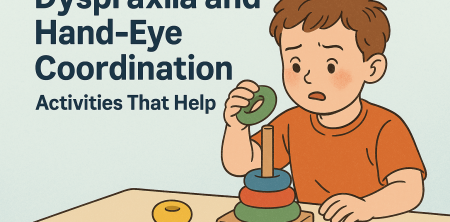
Structured play can include activities like building blocks or stacking cups, which require precise movements and foster spatial awareness. These activities can enhance fine motor skills while keeping the child entertained. Additionally, unstructured play like running around in a playground encourages gross motor skills and coordination in a natural setting.
Research shows that children who engage in diverse play experiences show greater improvements in motor skills. For instance, a study published in the Journal of Developmental and Behavioral Pediatrics indicated that children who participated in regular physical play exhibited higher levels of coordination and movement planning compared to those who did not.
Expert Perspectives on Dyspraxia
To gain deeper insights into dyspraxia, we can look at expert opinions from professionals in the field. Occupational therapists, child psychologists, and educators often emphasize the importance of early diagnosis and tailored intervention strategies.
"Dyspraxia can be mistaken for laziness or lack of interest," says Dr. Jane Smith, an occupational therapist specializing in children’s development. "It's crucial to understand that these children are often trying their best, and with the right support, they can achieve great things." This highlights the importance of empathy and understanding when working with children facing these challenges.
Furthermore, Dr. Michael Johnson, a child psychologist, states, "Incorporating fun and engaging activities into therapy can make a world of difference. Children need to see progress, and when they enjoy what they are doing, they are more motivated to improve." This aligns with the activities discussed earlier, emphasizing that learning doesn't have to be a chore.
Statistics and Insights from Recent Studies
Statistics play a pivotal role in understanding the prevalence and challenges of dyspraxia. A comprehensive study by the American Academy of Pediatrics found that 1 in 20 children in the United States are diagnosed with dyspraxia, pointing to a significant number of children who might benefit from targeted interventions.
Additionally, a survey conducted by the Dyspraxia Foundation in the UK revealed that 74% of parents reported that their children faced difficulties in everyday activities due to dyspraxia. The same study also indicated that children engaged in regular activities aimed at improving coordination showed a 35% improvement in their daily tasks over a six-month period. (See: NIH resources on motor skills development.)
These insights highlight the necessity for both awareness and action. Parents and educators must work together to create environments where children with dyspraxia can thrive.
Frequently Asked Questions (FAQ)
What is dyspraxia?
Dyspraxia, or developmental coordination disorder (DCD), is a condition that impacts motor skill development. It can affect both gross and fine motor skills, leading to challenges in tasks such as writing, sports, and everyday activities.
How can I tell if someone has dyspraxia?
Signs of dyspraxia may include clumsiness, difficulties with coordination, challenges in organization and planning tasks, trouble with writing or drawing, and struggles with understanding spatial relationships. If you suspect someone may have dyspraxia, consider seeking an evaluation from a healthcare professional.
What are the benefits of hand-eye coordination activities for individuals with dyspraxia?
Engaging in hand-eye coordination activities can enhance motor skills, boost confidence, improve academic performance, and foster independence. These activities also provide opportunities for social interaction and can help individuals feel more comfortable in group settings.
How often should dyspraxia hand-eye coordination activities be practiced?
Consistency is key when it comes to skill development. Practicing dyspraxia hand-eye coordination activities several times a week can help reinforce skills and build confidence. The goal should be to make these activities enjoyable, so finding a balance that works for the individual is essential.
Are there any specific tools or resources that can help with dyspraxia?
Yes, there are many tools designed to assist individuals with dyspraxia. Occupational therapists can recommend adaptive equipment such as pencil grips, weighted utensils, and sensory tools. Additionally, many online resources and apps focus on skill development for individuals with dyspraxia.
Can adults experience dyspraxia, or is it only a childhood disorder?
While dyspraxia is often diagnosed in childhood, it can persist into adulthood. Adults with dyspraxia may continue to experience challenges with coordination and organization but can develop coping strategies to manage their symptoms effectively.
How can parents support their child with dyspraxia?
Parents can support their child by being patient, providing encouragement, and creating a structured environment for practicing skills. Collaborating with professionals, such as occupational therapists, can also help develop tailored strategies for skill improvement.
What role does technology play in supporting individuals with dyspraxia?
Technology can serve as a powerful tool for individuals with dyspraxia. There are numerous apps designed to improve motor skills through interactive games and activities. Additionally, devices like tablets can allow for easier engagement in educational tasks, making learning more accessible and enjoyable.
Conclusion: Empowering Individuals with Dyspraxia
Engaging in dyspraxia hand-eye coordination activities offers a pathway to improved skills, confidence, and independence. The key is to find activities that resonate with the individual, create a supportive environment, and seek professional guidance when necessary. By taking proactive steps, individuals with dyspraxia can achieve remarkable progress and improve their quality of life.
```
Trending Now
Frequently Asked Questions
What activities can help improve hand-eye coordination in dyspraxia?
Activities such as playing catch, using building blocks, or engaging in arts and crafts can significantly improve hand-eye coordination for individuals with dyspraxia. These activities encourage practice and repetition, which are essential for developing motor skills and confidence.
How does dyspraxia affect hand-eye coordination?
Dyspraxia, or developmental coordination disorder, impairs the ability to plan and coordinate movements. This condition can lead to difficulties with fine and gross motor skills, affecting everyday tasks that require hand-eye coordination, such as writing and sports.
What is the connection between dyspraxia and self-esteem?
Individuals with dyspraxia often face challenges in coordination and movement, which can lead to difficulties in academic and social settings. These challenges may negatively impact their self-esteem, making it essential to support them through targeted activities that enhance their skills and confidence.
Can improving hand-eye coordination really help individuals with dyspraxia?
Yes, enhancing hand-eye coordination can lead to better performance in various tasks, boosting independence and self-confidence for individuals with dyspraxia. Improved coordination can positively influence academic performance and social interactions, contributing to a higher quality of life.
What percentage of children are affected by dyspraxia?
Approximately 5-6% of children are affected by dyspraxia, making it a relatively common developmental disorder. The severity of symptoms varies, with some children experiencing mild challenges while others face more profound difficulties in coordination and movement.
What did we miss? Let us know in the comments and join the conversation.

