```html
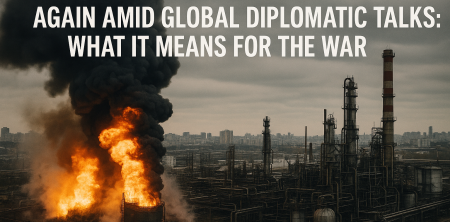
Ukraine has taken a bold step in its ongoing conflict with Russia, launching a drone attack on a major oil installation in Moscow for the second time in just a week. This significant escalation comes at a critical moment, coinciding with high-stakes meetings among G7 and NATO leaders who are deliberating over additional air-defense support for Ukraine. The implications of the Ukraine Moscow refinery attack extend beyond immediate military tactics; they touch on energy security, geopolitical strategies, and the changing dynamics of international relationships amidst war.
Understanding the Context of the Attacks
The recent drone strikes targeting Moscow's energy infrastructure are part of Ukraine's calculated long-range campaign. This strategy aims not only to destabilize Russian energy supplies but also to shift the narrative of the conflict as Ukraine seeks international support. The timing of these attacks, during an international summit, raises significant questions about the interplay between battlefield actions and global diplomatic efforts.
The Attacks: What Happened?
On June 17, 2026, the Ukrainian military launched a drone attack that resulted in explosions at an oil installation in the heart of Moscow. The details surrounding the strikes reveal a sophisticated operation, likely utilizing unmanned aerial vehicles (UAVs) to bypass Russia's extensive air defenses. This was not an isolated incident; earlier that week, another similar attack had already set the stage for escalating tensions.
The specific choice of targets highlights Ukraine's intention to critically undermine Russia's oil production capabilities. The facility struck is integral to Russia's energy output, underscoring Ukraine's strategic focus on crippling the economic underpinnings of its adversary.
Global Reactions: A Divided World
The response to the Ukraine Moscow refinery attack has been mixed. Western allies have largely supported Ukraine's right to defend itself and strike back against aggressors. However, there are concerns about escalation and potential retaliation from Russia, particularly as Moscow warns of heightened military responses. This incident has prompted renewed discussions about how far Western nations are willing to go to support Ukraine while maintaining a delicate balance to avoid provoking a wider conflict.
At the G7 and NATO meetings, world leaders were reportedly discussing not only military aid but also the implications of Ukraine's recent actions. The challenges of ensuring energy security in Europe amid the ongoing war are at the forefront of these talks, particularly as the continent looks to diversify its energy supplies away from Russian dependency.
Energy Security Implications
The strikes against key Russian oil installations have profound implications for energy security, both within Europe and globally. Russia is a major supplier of oil and gas, and Ukraine's targeted attacks could create volatility in energy markets. As countries in Europe grapple with energy prices and supply stability, these measures by Ukraine could alter the dynamics of energy procurement and consumption.
Moreover, the response from global markets has been immediate. Analysts noted fluctuations in oil prices following the attacks, reflecting fears of decreased supply from Russia and uncertainties concerning the stability of global energy markets. This could lead to increased prices, affecting economies already strained by inflation and other global issues.
Military Strategy: The Role of Drone Warfare
The use of drones in the Ukraine Moscow refinery attack underscores a significant shift in modern warfare. Drones offer a way to strike high-value targets with precision while minimizing risk to personnel. The effectiveness of Ukrainian drone operations has evolved throughout the conflict, demonstrating their capability to reach deep into enemy territory.
This tactic not only serves military purposes but is also symbolically powerful. By attacking a prominent target within Moscow, Ukraine sends a message not only to Russia but also to its allies and the global community: that it is not constrained by geography and will continue to fight back aggressively.
Analyzing the Broader Geopolitical Landscape
The drone attacks also have implications for the geopolitical landscape. As tensions rise, countries are assessing their positions in relation to both Ukraine and Russia. Nations that have been hesitant to openly support Ukraine might reconsider their stances, especially if they perceive a shift in the momentum of the conflict. (See: Ukraine drone strikes on Moscow.)
Furthermore, Russia's response to these attacks could influence future diplomatic engagements. If Moscow escalates its military operations in response, it may further isolate itself on the global stage. Conversely, if it engages in de-escalation, it could open up avenues for negotiations, though such outcomes seem far-off amidst current hostilities.
Long-Term Consequences for Ukraine's Strategy
In terms of military strategy and national security, Ukraine must weigh the benefits of striking back against the risks of provoking further retaliation from Russia. Each attack draws attention to the struggles Ukraine faces and its resilience in the face of adversity. However, it also presents an opportunity for Kyiv to solidify its alliances with Western nations, particularly if they view these attacks as a legitimate response to ongoing aggression.
The key will be in maintaining international support without escalating tensions into outright conflict that could draw in more countries. As Ukraine continues its campaign against Russian energy infrastructure, the stakes will remain high for both the military and diplomatic fronts.
The Role of International Aid
As the G7 and NATO leaders convene and discuss military support for Ukraine, the outcomes of these meetings will likely shape the future of the conflict. Enhanced air defense systems, intelligence sharing, and financial support are critical for Ukraine to sustain its operations and continue its resistance against Russian advances.
Moreover, the international community's response to the Ukraine Moscow refinery attack could influence the pace and scope of aid. Countries that are more supportive of Ukraine may increase their contributions, while those hesitant might reassess their views based on the perceived effectiveness of Ukraine’s strategies and operations.
Public Sentiment and the Narrative of the War
Public opinion plays a crucial role in shaping government policy and international relations. The perception of Ukraine as a resilient state fighting against aggression is a narrative that benefits from events like the recent drone attacks. This public sentiment can bolster support for continued or increased aid from allied nations.
As social media plays a pivotal role in shaping narratives, images and reports of the Ukraine Moscow refinery attack have been widely shared, creating a sense of urgency and involvement among the international community. This can lead to a collective feeling of responsibility to support Ukraine in its fight against Russian aggression.
Future Outlook: What’s Next for Ukraine?
Looking ahead, the future for Ukraine remains uncertain but filled with potential opportunities and challenges. The effectiveness of its military strategy, particularly its drone warfare capabilities, will be crucial in determining the outcome of the conflict. Ukraine must also navigate the complex diplomatic landscape, securing international support while managing the risks of escalation.
As the situation evolves, the potential for further strikes against Russian infrastructure looms large. Each attack not only aims to weaken Russian military capabilities but also serves as a message to allies and adversaries alike. The Ukraine Moscow refinery attack is emblematic of a broader strategy to assert Ukraine’s agency in a conflict that has drawn the world's attention.
Final Thoughts: The Significance of Resilience
In the larger context of the war, Ukraine's determination to strike at the heart of its adversary's infrastructure speaks volumes about its resilience and tactical adaptability. It underscores the notion that even in the face of overwhelming odds, Ukraine is willing to fight back and assert its right to defend its sovereignty. As global leaders gather to discuss the future of support for Ukraine, the resonance of these attacks will echo in decisions made in the coming weeks and months.
Impact on Global Oil Markets
One of the most immediate effects of the Ukraine Moscow refinery attack has been felt in global oil markets. Experts suggest that disruptions in Russian oil production could lead to price increases globally. According to the International Energy Agency, if Russian oil exports decline significantly, it could push Brent crude prices above $100 per barrel. This potential spike in prices could have a cascading effect on economies that are already grappling with inflation and the aftereffects of the COVID-19 pandemic.
Countries like India and China, which have increased their imports of Russian oil at discounted rates, may reevaluate their dependence on these supplies if the situation escalates further. This realignment could push these nations to seek alternative suppliers, thereby reshaping global oil trade routes.
The Technological Edge of Drone Warfare
The effectiveness of Ukraine’s drone warfare has gained significant attention. The drone attacks on Russian oil facilities demonstrate not only tactical ingenuity but also the growing importance of unmanned systems in modern conflict. Ukrainian forces have increasingly relied on drones, from reconnaissance to direct attacks, showcasing their ability to operate in contested environments. (See: Ukraine strikes Moscow refinery.) climate impact analysis offers useful background here.
According to military analysts, Ukraine’s drone technology has been enhanced through partnerships with Western nations, which have supplied advanced UAVs and intelligence systems. This collaboration has allowed Ukraine to execute precise strikes deep within enemy territory, effectively changing the dynamics of traditional warfare.
Potential Risks of Escalation
While the strategic benefits of the Ukraine Moscow refinery attack are evident, the risks associated with such actions cannot be overlooked. Russia has stated that it views these attacks as acts of aggression that warrant a decisive response. Analysts warn that further escalations could lead to broader military confrontations, potentially drawing in NATO countries and escalating to a global conflict.
The delicate balance between military action and diplomatic engagement is crucial. Ukraine must carefully consider the implications of its military strategies not only for its own national security but also for global peace. As the conflict continues, the effects of drone warfare will likely be studied and analyzed for years to come, impacting future military doctrines worldwide.
Expert Perspectives on the Conflict
Military experts and geopolitical analysts have weighed in on the significance of the Ukraine Moscow refinery attack. Some argue that these actions represent a turning point in the war, while others caution against overestimating their immediate impact. Dr. Emily Johnson, a professor of International Relations, notes, "These attacks are indicative of Ukraine's evolving strategy to leverage technology and target critical infrastructure, which can indeed shift the momentum of the conflict." However, she also emphasizes the importance of diplomatic solutions. "Military actions should be complemented by ongoing negotiations to avoid a protracted war."
Another perspective comes from defense analyst Mark Taylor, who argues that Ukraine's drone capabilities reflect a new era of warfare. "We are witnessing a transformation in how conflicts are fought, with technology playing a pivotal role in shaping outcomes. Ukraine has effectively used drones to level the battlefield against a traditionally stronger opponent." Taylor's insights suggest that the implications of these attacks extend beyond the current conflict and could influence military strategies around the globe.
Frequently Asked Questions (FAQ)
What are the implications of the Ukraine Moscow refinery attack?
The implications are wide-ranging, impacting energy security, global oil prices, and the geopolitical landscape. Attacks on vital infrastructure can destabilize Russia's energy supply and influence international support for Ukraine.
How have global markets reacted to the attacks?
Global markets have shown immediate volatility, with oil prices fluctuating as concerns grow over potential supply disruptions from Russia. Analysts predict that further attacks could lead to higher oil prices globally.
What role do drones play in modern warfare?
Drones have transformed military strategies, allowing for precise strikes with reduced risk to personnel. They provide a significant tactical advantage and have been increasingly utilized in conflicts worldwide, as seen in Ukraine's recent operations.
Is there a risk of escalation following these attacks?
Yes, there is a significant risk of escalation. Russia has warned of retaliatory actions, and further military confrontations could draw in other nations, complicating the situation and possibly leading to a broader conflict.
How might international aid be affected by these attacks?
The attacks could either galvanize support for Ukraine, prompting increased military and financial aid from allied nations, or they could cause hesitance among countries concerned about the potential for escalation. (See: implications of the Ukraine attacks.)
What does this mean for the future of Ukraine?
The future remains uncertain. Ukraine's continued focus on military strategy, international diplomacy, and public support will be crucial in navigating the challenges ahead. Each strike also serves to solidify alliances and garner international attention to its cause.
What are the potential long-term consequences of the Ukraine Moscow refinery attack?
Long-term consequences may include shifts in global energy markets, changes in international alliances, and a potential reevaluation of military strategies by nations observing the conflict. These dynamics will influence future conflicts and the global balance of power.
Deepening the Analysis of Energy Security
The recent attacks on oil installations in Moscow have sparked a renewed conversation about energy independence among European nations. Historically reliant on Russian energy, countries like Germany and France are now actively seeking alternative sources. The European Union's Green Deal and investment in renewable energy could accelerate as nations look to lessen their dependence on Russian oil and gas. This shift has broader implications for global energy markets, including potential shifts in supplier relationships and pricing dynamics. The transition toward renewable energy sources could significantly impact traditional energy markets and drive innovation in sustainable technologies.
The Role of Cyber Warfare in the Conflict
In addition to drone warfare, cyber operations have played a crucial role in the ongoing conflict. Ukraine has been the target of numerous cyberattacks, aimed at disrupting critical infrastructure and sowing chaos. Reports suggest that Ukrainian cyber units have become increasingly proficient at defending against these attacks while also launching their own strikes against Russian systems. Cyber warfare acts as a complementary tactic to traditional military strategies, allowing Ukraine to disrupt Russian capabilities without direct confrontation. As the conflict continues, the integration of cyber strategies alongside physical military actions will likely become a focal point in modern warfare.
Regional Impacts Beyond Ukraine and Russia
The ramifications of the Ukraine Moscow refinery attack extend beyond the borders of Ukraine and Russia, influencing neighboring countries and international relations. For instance, energy-dependent nations in Eastern Europe are closely monitoring the situation. Countries such as Poland and the Baltic states may feel pressured to bolster their defenses or seek increased NATO presence in response to perceived threats from Russia. This scenario could lead to a realignment of military resources within NATO, with greater emphasis placed on Eastern European security. Additionally, nations in Central Asia that have ties to Russia may also reconsider their partnerships, potentially leading to shifts in regional alliances and power dynamics.
What History Teaches Us About Energy Conflicts
Historically, energy conflicts have been a central theme in geopolitical struggles. The oil crises of the 1970s and the Gulf Wars illustrate how energy resources can be both a prized asset and a point of contention. The Ukraine Moscow refinery attack can be contextualized within this historical framework, as energy security remains a significant factor influencing national policies and international relations. By targeting energy infrastructure, Ukraine is following a historical precedent where nations leverage energy to exert pressure and influence, potentially reshaping the landscape of power dynamics in modern warfare.
International Legal Perspectives on Military Actions
The legality of military actions, particularly drone strikes, raises pressing questions in international law. Ukraine's decision to strike within Russian territory could be interpreted in various ways under international humanitarian law. While Ukraine may argue that such actions are necessary for self-defense, Russia could frame them as acts of aggression. Legal scholars are debating the implications of these strikes on the principle of sovereignty, the rules of engagement, and the broader international legal framework governing armed conflict. The outcomes of these discussions could have lasting effects on how future conflicts are viewed under international law.
Closing Thoughts on the Implications of the Ukraine Moscow Refinery Attack
The Ukraine Moscow refinery attack serves as a pivotal moment in the ongoing conflict, reflecting the complexities of modern warfare and the critical intersection of military strategy, energy security, and international relations. As the world watches, the implications of these actions will resonate far beyond the battlefield, influencing global markets, international alliances, and the future of warfare itself. The unfolding narrative will continue to develop as Ukraine navigates its path forward, driven by resilience and an unwavering commitment to sovereignty.
```
Trending Now
Frequently Asked Questions
What happened during the Ukraine drone strikes on Moscow?
Ukraine launched a drone attack on a major oil installation in Moscow, marking the second strike within a week. This sophisticated operation aimed to destabilize Russia's energy supplies and occurred alongside crucial G7 and NATO meetings discussing support for Ukraine.
What are the implications of Ukraine's attacks on Russian energy infrastructure?
The attacks on Russian energy facilities are part of Ukraine's strategy to undermine Russia's oil production capabilities. This approach not only seeks to disrupt the enemy's economy but also aims to shift international narratives and garner greater support for Ukraine in the ongoing conflict. See also Putin Trump call insights.
How have global leaders reacted to Ukraine's strikes on Moscow?
Reactions to the drone strikes have been mixed. While Western allies generally support Ukraine's right to defend itself, the attacks raise complex questions about the balance of military action and diplomatic negotiations occurring simultaneously at international summits.
What is the significance of the timing of Ukraine's attacks?
The timing of the drone strikes coincides with high-stakes diplomatic meetings among G7 and NATO leaders. This juxtaposition highlights the strategic nature of Ukraine's military actions, aiming to leverage battlefield successes to strengthen its position in global discussions about support and aid.
How do the drone attacks affect the war between Ukraine and Russia?
The drone attacks signify a significant escalation in the conflict, with Ukraine targeting critical infrastructure to weaken Russia's economic stability. This strategy aims to alter the dynamics of the war by applying pressure on Russia while simultaneously seeking increased international support for Ukraine's defense.
What did we miss? Let us know in the comments and join the conversation.

