```html
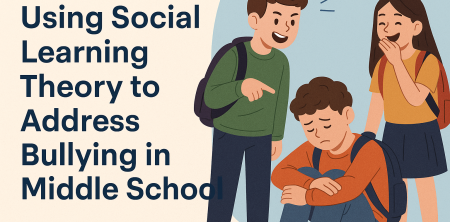
Bullying remains a pervasive issue in middle schools across the globe. As students navigate their formative years, issues of peer pressure, social dynamics, and identity often manifest in harmful ways. Addressing bullying requires a nuanced approach that goes beyond mere disciplinary actions. One effective framework for understanding and combating bullying is the social learning theory bullying, which emphasizes the role of observation, imitation, and reinforcement in shaping behavior. By applying this theory, educators, parents, and policymakers can create environments that discourage bullying while promoting positive behaviors.
Understanding Social Learning Theory
Social learning theory, developed by psychologist Albert Bandura in the 1960s, posits that people learn behaviors through observation and imitation of others, especially role models. This theory suggests that individuals do not merely learn through direct experience or reinforcement but also by watching how others behave and the consequences that follow. In the context of bullying, this means that students may adopt aggressive behaviors if they observe peers or adults engaging in such actions without facing repercussions.
At its core, social learning theory consists of several key components:
- Attention: Learning occurs when individuals pay attention to a behavior.
- Retention: Observers must be able to remember the behavior they have witnessed.
- Reproduction: The ability to reproduce the behavior is necessary for learning to take place.
- Motivation: Individuals are more likely to imitate behaviors that they believe will lead to positive outcomes.
The Dynamics of Bullying in Middle Schools
Middle school is a tumultuous time, characterized by significant social changes and increased peer influence. According to the National Center for Educational Statistics, approximately one in five students reports being bullied at school, making it an urgent issue for educators and parents alike. Bullying can take various forms, including verbal, physical, social, and cyberbullying. Each type has its own dynamics and impacts, but all share the common thread of power imbalances among peers.
Middle school students are particularly vulnerable to bullying due to their developmental stage. They are striving to establish their identities and gain acceptance from their peers, which can lead to anxiety and insecurity. As they observe their peers and adults in their environments, they may internalize aggressive behaviors as a means to fit in or assert dominance.
Applying Social Learning Theory to Combat Bullying
Utilizing social learning theory bullying as a framework for intervention can offer practical strategies for reducing bullying behavior in schools. Here are some key applications:
1. Modeling Positive Behavior
Teachers and school staff play a crucial role as role models. By demonstrating respectful and inclusive behavior, educators can set the standard for acceptable interactions among students. For instance, when teachers actively promote teamwork and cooperation in classrooms, students are more likely to imitate those behaviors. Workshops and training sessions can provide educators with strategies for modeling conflict resolution, empathy, and kindness.
2. Creating Opportunities for Positive Peer Interactions
Encouraging cooperative learning and group activities can foster positive relationships among students. By providing structured opportunities for collaboration, schools can help students build friendships based on mutual respect rather than competition or aggression. Activities such as team sports, group projects, and peer mentoring can create environments where positive behaviors are recognized and rewarded.
3. Reinforcing Positive Behavior
Positive reinforcement is a critical component of social learning theory. Schools should establish clear expectations for behavior and recognize students who exemplify these standards. This can include verbal praise, awards, or incentives for students who demonstrate kindness, inclusivity, and support for their peers. By celebrating positive behavior, schools not only encourage those individuals but also create a culture where such behaviors are valued.
The Role of Bystanders in Bullying
Bystanders can have a significant influence on bullying situations. Research shows that when peers intervene or report bullying, it can lead to a decrease in such behaviors. Educating students about their role as bystanders and empowering them to take action can be an effective bullying prevention strategy.
Incorporating social learning theory into bystander intervention programs can further enhance their effectiveness. By teaching students how to intervene safely and appropriately, schools can change the narrative around bullying. When students see their peers stepping in to help victims, they may feel more compelled to do the same. (See: Social Learning Theory on Wikipedia.)
Parental Involvement and Social Learning
Parents and guardians play a vital role in shaping their children's behaviors and attitudes towards bullying. Engaging parents in discussions about social learning theory can help them understand how their actions and words influence their children's perceptions of acceptable behavior.
Schools can facilitate this by hosting workshops or informational sessions to educate parents on recognizing bullying behaviors and how to address them effectively. Encouraging open communication between parents and children can create a supportive environment where kids feel safe discussing their experiences at school.
Curriculum Integration: Teaching Empathy and Respect
Incorporating lessons on empathy, respect, and conflict resolution into the school curriculum can reinforce the principles of social learning theory. By explicitly teaching students about the impact of their actions on others, schools can help foster a culture of kindness and understanding.
For example, literature and social studies classes can include discussions about the consequences of bullying, using real-life case studies to illustrate the emotional and psychological effects on victims. Role-playing scenarios can also be effective in helping students practice how to respond to bullying situations.
Leveraging Technology in Bullying Prevention
The rise of digital communication has introduced new dimensions to bullying, particularly through social media. Addressing cyberbullying is essential for effective prevention strategies. Social learning theory can be applied in digital contexts by promoting positive online behavior and teaching students how their online actions can affect others.
Schools can establish clear guidelines for online interactions and provide resources for students to learn about responsible digital citizenship. By recognizing and addressing cyberbullying, educators can ensure that anti-bullying efforts extend beyond the classroom and into students' online lives.
Monitoring and Evaluation: Assessing the Impact of Interventions
To gauge the effectiveness of bullying prevention programs based on social learning theory, schools must implement monitoring and evaluation strategies. Surveys, focus groups, and behavioral observations can provide valuable insights into the prevalence of bullying and the effectiveness of intervention efforts.
Regular assessments allow schools to adjust their strategies as needed, ensuring that they remain responsive to the changing dynamics of student interactions. By continuously evaluating the impact of their initiatives, educators can refine their approaches and enhance the overall school climate.
The Current Relevance of Social Learning Theory in Bullying Prevention
As society becomes increasingly aware of bullying's impact on mental health and academic achievement, the relevance of social learning theory in addressing these issues cannot be overstated. With the rise of initiatives focused on social-emotional learning (SEL) in schools, there is a growing recognition of the importance of creating a supportive and inclusive environment.
By harnessing the principles of social learning theory, educators and policymakers can develop comprehensive strategies to address bullying at its roots. These strategies not only target aggressive behaviors but also promote the development of empathy, resilience, and positive peer relationships.
Challenges in Implementing Social Learning Theory
While the application of social learning theory in bullying prevention is promising, there are challenges that schools may face. One significant challenge is the variability in student backgrounds and experiences. Not all students come from supportive or nurturing environments, which can affect how they interpret and imitate behaviors they witness in school.
Additionally, some students may not have strong role models at home. To address this, schools must work to create a consistent environment that reinforces positive behaviors across all settings. This includes engaging with community resources and collaborating with local organizations to ensure that students receive support both in and out of school.
Statistics on Bullying in Schools
Understanding the prevalence and impact of bullying is crucial for developing effective prevention strategies. According to the National Center for Educational Statistics, around 20% of students aged 12-18 experienced bullying in 2018. Moreover, a study published in the Journal of Adolescent Health found that victims of bullying are at a higher risk for depression, anxiety, and other mental health issues. (See: CDC resources on bullying prevention.)
Research also indicates that students who are bullied are more likely to engage in self-harming behaviors, and the effects of bullying can persist into adulthood, affecting career opportunities and relationships. Highlighting these statistics can help educators, parents, and policymakers recognize the urgency of addressing bullying and the potential long-term consequences of neglecting this issue.
Expert Perspectives on Social Learning Theory and Bullying
Experts in psychology and education emphasize the importance of understanding the social dynamics that contribute to bullying. Dr. Dan Olweus, a pioneer in bullying research, argues that prevention requires a whole-school approach that involves students, teachers, and parents. He highlights the significance of creating a positive school climate and the role of adult supervision in minimizing bullying incidents.
Furthermore, Dr. Albert Bandura himself has noted the importance of self-efficacy in social learning. For students to adopt positive behaviors, they must believe they can make a difference. This highlights the importance of empowering students through programs that build their confidence and equip them with the skills necessary to intervene in bullying situations.
Real-Life Examples of Successful Interventions
Several schools have successfully implemented social learning theory-based interventions to reduce bullying. One notable example is the Olweus Bullying Prevention Program, which has been adopted by schools worldwide. The program focuses on increasing awareness of bullying, improving peer relations, and providing effective interventions. Schools that have implemented this program report significant reductions in bullying incidents and an increase in student well-being.
Another success story is the use of peer mediation programs, where trained students help mediate conflicts between their peers. This approach not only reduces bullying but also empowers students to take an active role in conflict resolution. By incorporating social learning theory into these interventions, schools can create a more supportive atmosphere that encourages positive interactions.
Frequently Asked Questions (FAQ)
What is social learning theory in the context of bullying?
Social learning theory explains how individuals learn behaviors through observation and imitation of others. In bullying, students may mimic aggressive behaviors they see in their peers or adults, especially when those behaviors seem to go unpunished.
How can parents support their children in relation to bullying?
Parents can support their children by fostering open communication, discussing bullying openly, and encouraging empathy and kindness in interactions with others. Engaging in role-playing scenarios can also help children practice how to respond to bullying situations.
What are some effective strategies for schools to combat bullying?
Effective strategies include modeling positive behavior, creating opportunities for positive peer interactions, reinforcing good behavior, and implementing bystander intervention programs. Additionally, incorporating social-emotional learning into the curriculum can also help address the root causes of bullying.
How important is it to involve the entire school community in bullying prevention?
Involving the entire school community—including educators, parents, students, and local organizations—is essential for creating a consistent and effective approach to bullying prevention. A collective effort helps establish a supportive environment where positive behaviors are reinforced, and bullying is less likely to occur.
What role does technology play in bullying?
Technology can both facilitate and combat bullying. Cyberbullying is an increasing concern as more students engage in online interactions. However, schools can leverage technology for educational purposes, teaching students about responsible digital citizenship and encouraging positive online behavior.
Exploring Cultural Influences on Bullying Behavior
Understanding the cultural context in which bullying occurs is essential for effective intervention. Different cultures may have varying definitions of acceptable behavior, which can influence how children perceive or respond to bullying. For instance, in some cultures, assertiveness may be encouraged, while in others, communal values may promote harmony over conflict. Recognizing these cultural nuances allows educators to tailor their approaches to bullying prevention.
Additionally, cultural narratives around power dynamics can shape students' understanding of bullying. For example, in societies that celebrate hierarchical structures or dominance in social interactions, aggressive behaviors might be normalized, making intervention more complex. Schools should consider these cultural contexts when developing programs to combat bullying to ensure they resonate with all students.
Long-term Effects of Bullying on Victims
The repercussions of bullying extend far beyond the immediate emotional distress it causes. Victims often experience long-term effects that can affect their physical and mental health well into adulthood. Studies have shown that individuals who were bullied in childhood are at a higher risk for anxiety disorders, depression, and low self-esteem as adults.
Moreover, the impact of bullying can impede academic performance and hinder social development. Victims may struggle with forming healthy relationships, leading to isolation and loneliness. Understanding these long-term consequences underscores the importance of addressing bullying early and effectively.
The Role of School Policies in Bullying Prevention
Effective anti-bullying policies are crucial for implementing social learning theory principles in schools. Clear guidelines that define what constitutes bullying and outline appropriate responses are essential. Policies should be communicated regularly to students, staff, and parents to ensure everyone understands their role in prevention.
Furthermore, school policies should incorporate training for teachers and staff on identifying and addressing bullying behaviors. Regular review and updates to policies based on feedback and evolving social dynamics are necessary to keep them relevant and effective. Schools should also establish a reporting mechanism that encourages students to come forward without fear of retaliation.
Integrating Mental Health Resources into Bullying Prevention Efforts
Access to mental health resources is a critical component of a comprehensive approach to bullying prevention. Schools should provide mental health support not just for victims but also for perpetrators and bystanders. Counseling services can help victims process their experiences and develop coping strategies, while perpetrators can receive guidance on changing their behaviors and understanding the impact of their actions.
Integrating mental health education into the curriculum can also promote a better understanding of emotional well-being. Teaching students to recognize signs of distress in themselves and others fosters a compassionate environment, where students are encouraged to support one another.
Conclusion: A Call to Action
Addressing bullying in middle schools is not just a matter of discipline; it requires a concerted effort to reshape the cultural norms that underlie aggressive behavior. By leveraging social learning theory, schools can create environments that foster respect, empathy, and positive interactions among students. Implementing these strategies can significantly reduce bullying incidents and promote a healthier school climate. The time to act is now — let’s work together to make our schools safe and supportive for all students.
```
Trending Now
Frequently Asked Questions
What is social learning theory in the context of bullying?
Social learning theory, developed by Albert Bandura, explains how individuals learn behaviors through observation and imitation. In bullying, students may mimic aggressive behaviors they see in peers or adults, especially if these actions go unpunished. Understanding this theory helps educators and parents address bullying more effectively.
How can social learning theory help reduce bullying in schools?
By applying social learning theory, educators can create environments that discourage bullying. This includes modeling positive behaviors, reinforcing non-aggressive interactions, and addressing the consequences of bullying. Through observation and imitation, students are more likely to adopt positive behaviors when they see them rewarded.
What are the key components of social learning theory?
The key components of social learning theory include attention, retention, reproduction, and motivation. For effective learning, individuals must pay attention to behaviors, remember what they observed, be able to reproduce those behaviors, and be motivated to imitate actions they believe will lead to positive outcomes.
Why is bullying a significant issue in middle schools?
Bullying is particularly prevalent in middle schools due to the intense social dynamics and peer pressure that characterize this age group. Approximately one in five students report being bullied, making it crucial for educators and policymakers to adopt comprehensive strategies to address and prevent bullying.
What role do educators play in combating bullying?
Educators play a vital role in combating bullying by creating a supportive environment that promotes positive behavior. They can utilize social learning theory to model appropriate interactions, implement anti-bullying programs, and actively address instances of bullying to foster a safe school climate.
What did we miss? Let us know in the comments and join the conversation.

