```html
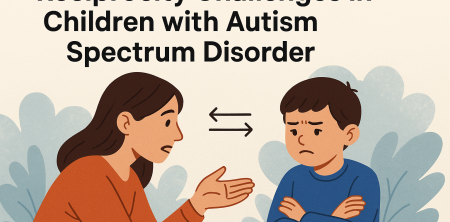
Reciprocity is an essential element of human interaction, encompassing the mutual exchange of actions, emotions, and responses. However, for many children with Autism Spectrum Disorder (ASD), these reciprocity challenges can present significant hurdles in social development. In this article, we will explore the intricacies of autism reciprocity challenges, delving into their implications, underlying factors, and strategies for promoting more effective social engagement.
Understanding Autism Spectrum Disorder
Autism Spectrum Disorder is characterized by a range of developmental conditions that affect communication, behavior, and social interaction. The phrase “spectrum” highlights the broad range of symptoms and abilities that individuals with autism may exhibit. According to the Centers for Disease Control and Prevention (CDC), about 1 in 44 children in the U.S. is diagnosed with ASD, reflecting a growing awareness and understanding of this complex condition.
Diagnosing autism typically involves observing behavior and developmental milestones, particularly in areas such as social communication. While some children may excel in specific skills or interests, they often struggle with the reciprocal nature of social interactions, which is a key focus of this article.
The Nature of Reciprocity in Social Interactions
Reciprocity in social interactions refers to the give-and-take nature of communication. In typical conversations, individuals naturally respond to each other’s verbal and non-verbal cues. This might involve maintaining eye contact, taking turns speaking, and expressing emotions such as empathy or joy. However, children with autism may exhibit a range of challenges in these areas, leading to difficulties in forming and maintaining relationships.
For instance, a child with autism might struggle to initiate a conversation or respond appropriately to social cues, which can lead to misunderstandings or social isolation. These challenges can stem from various factors, including differing sensory processing experiences, difficulties with emotional regulation, and variations in cognitive processing.
The Impact of Reciprocity Challenges
The implications of autism reciprocity challenges are profound. Children may find it difficult to make friends, participate in group activities, or express their feelings effectively. This can lead to frustration and anxiety, further complicating their social experiences. Additionally, a lack of reciprocal communication can hinder their ability to understand social norms and expectations.
Research indicates that social skills are vital for children’s overall development, impacting their academic performance, emotional well-being, and future opportunities. A study published in the journal Autism Research highlighted that children with better social reciprocity skills tend to have more positive outcomes in terms of friendships and academic performance, underlining the necessity of addressing these challenges early.
Understanding the Causes of Reciprocity Challenges
Understanding the root causes of reciprocity challenges in children with autism is vital for developing effective interventions. Several factors contribute to these difficulties:
- Neurological Differences: Children with autism often exhibit differences in brain activity and structure, particularly in areas associated with social processing. These neurological variations can affect their ability to read social cues and engage in reciprocal interactions.
- Sensory Processing Issues: Many children with autism experience sensory sensitivities, which can overwhelm them in social situations. This might make it harder for them to focus on conversations or respond appropriately.
- Language Development: Children with autism often have unique communication styles, which can complicate reciprocal interactions. Some may be non-verbal, while others might have advanced vocabulary but struggle with pragmatic language skills.
- Social Motivation: Research suggests that children with autism may have lower motivation to engage socially, partly due to difficulties understanding the social rewards of interaction.
Recognizing Signs of Reciprocity Challenges
Recognizing the signs of autism reciprocity challenges is a critical step towards finding appropriate support. Some common indicators include:
- Limited eye contact or facial expressions in social situations.
- Difficulty initiating or sustaining conversations.
- Challenges in understanding or responding to emotions.
- Struggles with turn-taking in conversations or play.
- Preference for solitary play or activities over group interactions.
Parents, educators, and caregivers should be vigilant in identifying these signs, as early intervention can lead to better outcomes in developing social skills. (See: CDC Autism Spectrum Disorder facts.)
Strategies for Supporting Children with Autism
To support children facing autism reciprocity challenges, several strategies can be implemented that focus on enhancing social skills:
1. Social Skills Training
Structured social skills training programs can be highly effective. These programs often involve role-playing, modeling appropriate behaviors, and practicing turn-taking in a safe environment. By providing children with clear examples of how to engage in reciprocal interactions, they can build confidence in their social abilities.
2. Using Visual Supports
Visual supports, such as social stories or visual schedules, can help children understand social interactions and expectations. These tools provide concrete examples of what to expect in social situations, making it easier for them to navigate complex social dynamics.
3. Creating a Safe Environment
Fostering a safe and supportive environment can encourage children to practice their social skills without fear of negative judgment. This can include small group activities, peer mentoring, or social clubs specifically designed for children with autism.
4. Encouraging Play-Based Learning
Engaging children in play-based learning can enhance their social skills. Activities such as cooperative games or team projects promote interaction and require reciprocal communication, allowing children to practice in a fun and engaging setting.
5. Involving Peers
Peer involvement can be beneficial. Educating peers about autism and the challenges faced by their classmates can foster understanding and empathy, creating a more inclusive environment. Encouraging peer partnerships can also provide children with models of appropriate social behavior.
The Role of Families in Supporting Social Reciprocity
Families play a crucial role in supporting children with autism in overcoming reciprocity challenges. Effective strategies include:
- Modeling Social Behavior: Parents and siblings can model effective communication and social skills at home, providing children with examples to emulate.
- Encouraging Participation: Families can encourage participation in social activities while being mindful of the child's comfort level. Gradually introducing social settings can help build confidence.
- Open Communication: Establishing open lines of communication allows children to express their feelings and concerns regarding social interactions, fostering a supportive dialogue.
By actively engaging in their child's social development, families can create a nurturing environment that promotes growth and understanding.
Current Research and Future Directions
Current research continues to explore the nuances of autism reciprocity challenges, seeking innovative ways to address them. For instance, studies are examining the effectiveness of technology, such as apps and virtual reality, in teaching social skills. These tools can provide immersive experiences where children can practice interactions in a controlled setting.
Moreover, there is a growing emphasis on understanding the individual experiences of children with autism. Research indicates that what works for one child may not necessarily apply to another, highlighting the importance of personalized approaches to social skill development. This focus on individualized learning is reshaping the way educators and therapists approach autism interventions. There's a fuller look at basic communication strategies.
Understanding Emotional Reciprocity
Emotional reciprocity refers to the ability to share emotions with others and respond to their emotional expressions. This aspect of reciprocity is particularly challenging for children with autism, as they may struggle to interpret emotions in facial expressions and tone of voice. A study found that only 30% of children with autism could accurately interpret basic emotional expressions, compared to a much higher percentage in typically developing peers.
Encouraging emotional reciprocity involves teaching children to recognize and respond to emotions through various techniques. For example, using picture cards that display different emotions can help children identify feelings in themselves and others. This practice not only enhances their emotional literacy but also improves their ability to engage in reciprocal emotional exchanges. (See: NIH on autism diagnosis.)
Peer Relationships and Autism
Forming peer relationships is crucial for social development in children. However, children with autism often face considerable barriers in making friends. Studies reveal that children with autism may prefer solitary play or exhibit limited interest in social interactions, making it difficult to establish connections with peers.
Schools can play a significant role in facilitating peer relationships. Structured activities, such as buddy systems or group projects, can encourage children with autism to interact with their peers in a supportive environment. Educators can also promote understanding and acceptance among all students by incorporating lessons about diversity and inclusion into the curriculum.
Statistics on Autism and Social Skills
Understanding the scope of autism and its impact on social skills can be illustrated through statistics. Research has shown that:
- Approximately 40% of children with autism are non-verbal, which significantly affects their ability to engage in reciprocal communication.
- Only 20% of children with autism develop age-appropriate social skills by adolescence, highlighting the need for early intervention and support.
- A survey indicated that nearly 70% of parents report their children with autism struggle to make friends, pointing to the necessity of focused social skills training.
Expert Perspectives on Autism Reciprocity Challenges
Experts in the field of autism education and therapy emphasize the importance of understanding reciprocity challenges. Dr. Lisa Shulman, a clinical psychologist specializing in autism, notes that “the ability to engage in reciprocal interactions is foundational for building friendships. The earlier we can address these challenges, the better the outcomes for these children.”
Furthermore, Dr. Andrew McCarthy, a speech-language pathologist, suggests that “using a multi-faceted approach that includes both direct teaching of social skills and naturalistic opportunities for practice can significantly improve children’s ability to reciprocate in social situations.”
These expert insights reinforce the significance of tailored interventions and collaborative efforts among families, educators, and therapists.
Exploring Long-Term Outcomes
When we discuss autism reciprocity challenges, it’s crucial to consider the long-term outcomes for children as they transition into adolescence and adulthood. Research suggests that early intervention can lead to significantly improved social outcomes. A longitudinal study spanning several years found that children who received targeted social skills training showed marked improvement in their ability to form friendships and maintain relationships into their teenage years.
Additionally, as adults, individuals who had received early intervention displayed a higher likelihood of achieving educational and vocational goals. This highlights the importance of not just immediate social skills but also the broader implications of fostering strong reciprocal interactions.
Community Involvement and Support Networks
Community involvement plays a significant role in helping children with autism develop social reciprocity skills. Local organizations and support groups can provide opportunities for children to interact in structured environments. Programs focused on social integration can enhance peer relationships and provide children with more chances to practice social skills.
Involvement in community activities, such as sports teams, art classes, or social clubs, can also create avenues for children to engage with peers. These interactions can help normalize social skills development and promote inclusivity. Community events that celebrate neurodiversity can further raise awareness and foster acceptance among the general population, benefiting children with autism as they navigate social environments. (See: WHO fact sheet on autism.)
Strategies for Educators and Schools
Educators and schools hold a critical responsibility in addressing autism reciprocity challenges. Here are some strategies that can be effective: (tips for emotional regulation)
- Inclusive Classroom Practices: Implementing inclusive practices that allow for mixed-ability groups can provide children with autism the opportunity to engage with their peers in meaningful ways. This can include group projects where tasks are assigned based on each child's strengths.
- Social Skills Groups: Schools can offer dedicated social skills groups where children can practice and develop their reciprocal communication skills in a structured setting. These groups can be led by trained professionals who can guide interactions and provide feedback.
- Peer Buddies: Establishing a peer buddy system can connect children with autism to supportive classmates. This not only fosters friendships but also helps educate peers on autism, resulting in a more inclusive school environment.
FAQs about Autism Reciprocity Challenges
What are the main challenges children with autism face regarding social reciprocity?
Children with autism often struggle with initiating and maintaining conversations, understanding social cues, and expressing emotions. These challenges can lead to difficulties in forming friendships and participating in group activities.
How can parents help their children improve social reciprocity skills?
Parents can help by modeling appropriate social behaviors, encouraging participation in social activities, and using resources like social stories and visual supports to teach social cues and expectations.
Are there specific therapies that can improve social skills for children with autism?
Yes, therapies such as Applied Behavior Analysis (ABA), social skills training, and speech therapy can be effective. These therapies often focus on teaching communication skills, emotional recognition, and appropriate social interactions.
Can technology assist in developing social skills for children with autism?
Absolutely! Technology, including apps and virtual reality programs, can provide interactive and engaging ways for children to practice social skills in a safe environment, making learning more enjoyable and effective.
How important is peer interaction for children with autism?
Peer interaction is critical for social development. Engaging with peers can help children with autism learn social norms, practice reciprocal communication, and develop friendships, which are essential for their overall well-being.
Conclusion: Moving Forward with Understanding
Addressing autism reciprocity challenges requires a multifaceted approach that encompasses understanding, support, and innovation. By recognizing the unique experiences of children with autism and implementing tailored strategies, we can foster more successful social interactions. As research continues to uncover new insights into autism, there is hope for improved support systems that empower children to thrive socially. With a commitment from families, educators, and communities, we can create an environment where children with autism are not only understood but also celebrated for their individuality.
```
Trending Now
Frequently Asked Questions
What are reciprocity challenges in children with autism?
Reciprocity challenges in children with Autism Spectrum Disorder (ASD) refer to difficulties in the mutual exchange of actions, emotions, and responses during social interactions. These challenges can hinder effective communication, making it hard for children with autism to initiate conversations, respond to social cues, and form relationships.
How does Autism Spectrum Disorder affect social interaction?
Autism Spectrum Disorder affects social interaction by impacting communication skills and the ability to engage in reciprocal exchanges. Children with ASD may struggle with interpreting verbal and non-verbal cues, which can lead to misunderstandings and social isolation, significantly affecting their social development.
What strategies can help improve social engagement in children with autism?
To improve social engagement in children with autism, strategies such as social skills training, role-playing, and using visual supports can be effective. Encouraging structured playdates and fostering environments that promote interaction can also help children practice reciprocal communication.
What is the role of eye contact in social reciprocity for children with autism?
Eye contact plays a crucial role in social reciprocity, as it helps facilitate connection and understanding during interactions. Children with autism often struggle with maintaining eye contact, which can hinder their ability to engage effectively in conversations and interpret social cues.
How common is Autism Spectrum Disorder in children?
Autism Spectrum Disorder is relatively common, with the Centers for Disease Control and Prevention (CDC) reporting that about 1 in 44 children in the U.S. is diagnosed with ASD. This statistic reflects a growing awareness and understanding of the condition's complexities.
Agree or disagree? Drop a comment and tell us what you think.

