```html
Understanding Emotional Regulation for Kids
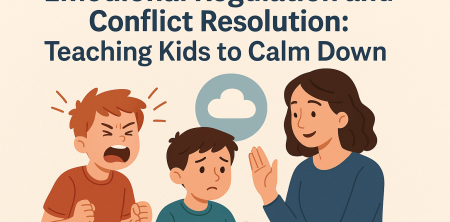
Emotional regulation for kids is a crucial skill that helps children manage their feelings in a healthy way. It involves recognizing their emotions, understanding what triggers them, and learning how to express those feelings appropriately. When children can regulate their emotions, they're not only better equipped to handle day-to-day challenges but also more adept at resolving conflicts with peers and family members.
In a world where emotional expression is often misunderstood or stigmatized, teaching kids how to navigate their feelings is essential. Children who can manage their emotions tend to perform better academically, have healthier relationships, and possess higher self-esteem. Therefore, understanding the foundation of emotional regulation is the first step in equipping kids with the tools they need.
The Importance of Teaching Emotional Regulation
Why is emotional regulation for kids so critical? Studies indicate that children who lack emotional regulation skills are more prone to behavioral problems, anxiety, and depression. In fact, a report from the American Psychological Association emphasizes that emotional dysregulation can lead to significant difficulties in social interactions and academic performance.
By teaching emotional regulation, parents and educators can help children learn how to:
- Identify their feelings
- Understand the impact of their emotions on behavior
- Develop coping strategies to manage overwhelming feelings
- Resolve conflicts without resorting to violence or aggression
These skills not only contribute to personal well-being but also foster a more harmonious environment in schools and homes.
Recognizing Emotions: The First Step
Recognizing emotions is the cornerstone of emotional regulation for kids. Children often struggle to articulate what they're feeling, which can lead to frustration and acting out. One effective way to help them recognize their emotions is through the use of emotion charts or feeling wheels. These visual aids can provide a vocabulary that kids can use to identify their feelings.
For example, when a child feels angry, they could look at a chart and find related emotions (like frustrated, annoyed, or furious). By providing them with the language to express their feelings, you empower them to articulate what’s going on inside their heads. This acknowledgment is vital for kids to start managing rather than suppressing their emotions.
Teaching Coping Strategies
Once children can recognize their emotions, the next step is teaching them coping strategies. Here are a few effective methods:
Deep Breathing Techniques
Breathing exercises can be incredibly effective for kids. Simple techniques like the “5-5-5” method—where they breathe in for five seconds, hold for five seconds, and exhale for five seconds—can help them regain control during moments of emotional upheaval. Practicing this regularly, even when they’re calm, can make it easier for them to use these techniques during stressful situations.
Mindfulness and Visualization
Mindfulness practices, such as guided imagery or visualizing a peaceful place, can help children calm their minds. Teaching them to focus on their breath or visualize calming landscapes can significantly reduce anxiety and anger. Apps designed for children that focus on mindfulness can be useful in creating a routine around these practices.
Physical Activity
Encouraging physical activity can also be a great outlet for kids. Whether it’s dancing, running, or engaging in sports, moving their bodies helps to channel pent-up energy and emotions. Physical activity stimulates endorphin production, which can naturally elevate mood and promote emotional balance.
Conflict Resolution: A Necessary Skill
Conflict is an inevitable part of life, especially for children who are still learning how to interact socially. Emotional regulation for kids plays a significant role in how they handle conflicts. Children who can regulate their emotions are less likely to resort to aggressive behaviors or angry outbursts during disagreements. (See: CDC resources on emotional health.)
Teaching conflict resolution skills can enhance their ability to resolve issues peacefully. Here are some key strategies:
Active Listening
Active listening is a pivotal element in conflict resolution. Teach kids to listen without interrupting, ensuring they understand the other person's perspective. This practice fosters empathy, which is crucial when navigating disagreements. You can facilitate role-playing activities that allow them to practice effective listening.
Finding Common Ground
Encourage children to look for common interests during conflicts. When they focus on shared goals, it becomes easier to find a resolution. For instance, if two kids are arguing over a toy, asking them to brainstorm ways they can share or take turns can promote cooperation.
Using “I” Statements
Encourage children to express their feelings using “I” statements rather than “you” statements. For example, instead of saying, “You never let me play,” they can say, “I feel sad when I can’t use the toy.” This method reduces defensiveness and promotes understanding.
Role-Playing Scenarios
Role-playing can be an invaluable tool for teaching emotional regulation and conflict resolution. Create scenarios that your children might encounter, such as disagreements with friends or feeling overwhelmed by schoolwork. Act out these situations to give them a safe environment to practice their emotional responses and conflict resolution strategies.
For example, if your child struggles with a peer conflict, you can play the roles of both your child and their friend. This allows them to see different perspectives and come up with resolutions collaboratively. Role-playing not only provides practice but also builds confidence in handling real-life situations.
The Role of Parents and Educators
Parents and educators play a vital role in fostering emotional regulation for kids. Consistent modeling of emotional expression and regulation is essential. When parents demonstrate healthy coping mechanisms, children are more likely to adopt those strategies themselves.
Additionally, creating an open environment where kids feel safe expressing their feelings is crucial. Encourage them to talk about their emotions without fear of judgment. When children see that their feelings are valid, they’re more likely to engage in productive discussions about conflicts and emotional responses.
Incorporating Technology Wisely
In today's digital age, technology can be both a blessing and a curse. While screens can often lead to overstimulation, certain apps and online resources can support emotional regulation for kids. Look for apps that focus on mindfulness, emotional intelligence, and stress management.
For instance, apps that offer guided meditations, breathing techniques, or emotional journaling can be beneficial. However, it’s essential to set boundaries on screen time and ensure that technology complements rather than replaces traditional emotional learning methods.
Evaluating Progress
Finally, evaluating progress is essential for reinforcing emotional regulation skills. Regularly check in with your child about their emotional experiences. Ask questions like, “How did you feel when that happened?” or “What did you do to calm down?” Monitoring their emotional growth enables you to adjust your approach as needed.
Consider creating a chart that tracks their progress in managing emotions and resolving conflicts. Celebrate their successes, no matter how small, to encourage continued growth and motivation.
Common Challenges in Emotional Regulation
Even with the best intentions and strategies, challenges will arise. It’s not uncommon for kids to revert to old habits or struggle with recognizing their emotions. Understanding these challenges can help parents and educators devise better strategies for support. (See: NIH on behavior and emotional regulation.)
Overwhelming Situations
Children may find themselves in overwhelming situations where they can't identify their feelings or how to cope. For instance, during a particularly stressful day at school, a child might feel a mix of anxiety and frustration but can't articulate it. In these cases, offering a calming presence and a safe environment can help them process their emotions more effectively.
Peer Pressure and Social Dynamics
As kids grow, social dynamics become more complex, adding layers to their emotional experiences. Peer pressure can lead to heightened anxiety or insecurity. Conversations around these topics, coupled with role-playing scenarios where they can practice handling peer pressure, can equip them with the tools they need to remain resilient.
Encouraging Emotional Intelligence
Emotional regulation is closely tied to emotional intelligence (EI), which is the ability to recognize, understand, and manage emotions effectively. Teaching children about EI can provide them with a broader framework for understanding their feelings and those of others.
Here are a few strategies to enhance emotional intelligence:
- Model Emotional Intelligence: Show children how you manage your emotions in various situations. Share stories about times you felt overwhelmed and how you coped.
- Encourage Empathy: Discuss characters in books or movies and their emotional responses. Ask your child how they think those characters feel and why.
- Discuss Consequences: Help kids understand the impact of their emotions on others. For instance, if they lash out in anger, discuss how it affects their friends.
Involving the Community
Emotional regulation isn't just a family affair; it can also involve schools and community programs. Collaborating with educators and community leaders can create a supportive network for children. Schools can implement programs focusing on social-emotional learning (SEL), which emphasizes emotional intelligence, empathy, and conflict resolution.
Additionally, community workshops can be held to educate parents and caregivers on emotional regulation strategies. This can foster a collective understanding and create a more emotionally aware environment for kids.
Frequently Asked Questions
What age should children start learning emotional regulation?
Children can begin learning emotional regulation skills as early as preschool. Simple concepts like identifying basic feelings can be introduced at a young age, while more complex strategies can be developed as they grow older.
How can I tell if my child struggles with emotional regulation?
Signs that your child may struggle with emotional regulation include frequent tantrums, difficulty calming down after upsetting events, anxiety about social interactions, or trouble expressing their feelings appropriately. Observing their behavior in various settings can provide insight into their emotional control.
What are some effective resources for teaching emotional regulation?
There are numerous books, apps, and online resources designed to help kids learn emotional regulation. Books like "The Color Monster" by Anna Llenas introduce emotions in a kid-friendly way. Apps like "Headspace for Kids" offer mindfulness exercises tailored for children. Always look for resources that engage your child and make learning about emotions fun.
How can schools support emotional regulation for kids?
Schools can support emotional regulation by incorporating SEL programs into their curriculum. Training teachers to recognize emotional challenges and equipping them with strategies to address these can foster a supportive classroom environment. Additionally, providing resources for parents and encouraging open conversations about emotions can also help.
Engaging Activities to Foster Emotional Regulation
In addition to the strategies already mentioned, there are numerous engaging activities that can help children practice emotional regulation in a fun and interactive way. Here are a few ideas:
Emotion Charades
This game can be a fun way to teach kids about different emotions. Write down various emotions on slips of paper and have children take turns acting them out while others guess the emotion. This not only builds recognition but also encourages empathy as kids learn to interpret emotions through facial expressions and body language.
Feelings Journals
Encouraging children to keep a feelings journal can be a powerful tool for processing emotions. They can write or draw about their feelings throughout the day, helping them to articulate what they're experiencing. This practice also promotes reflection and can aid in developing coping strategies for future challenges.
Story Time Discussions
Reading books that focus on emotions can be a great starting point for discussions. After reading, ask your child how they think the characters feel and how they would handle similar situations. This encourages them to think critically about emotional responses and how to manage them.
Statistics on Emotional Regulation in Children
Understanding the impact of emotional regulation on children can be further emphasized through statistics. Research has shown that:
- Children with strong emotional regulation skills are 20% more likely to report positive social interactions with peers.
- A study found that kids who participate in social-emotional learning programs show a 23% improvement in academic performance.
- Approximately 50% of children who struggle with emotional regulation may face challenges such as anxiety, depression, or behavioral issues later in life.
These statistics highlight the importance of early intervention and the long-term benefits of teaching emotional regulation skills.
The Long-Term Benefits of Emotional Regulation
Fostering emotional regulation skills in childhood can lead to numerous benefits that extend into adulthood. Adults who were taught emotional regulation as children often exhibit:
- Improved relationships: They tend to have healthier relationships due to their ability to communicate effectively and empathize with others.
- Better job performance: Emotional regulation is linked to better stress management, leading to increased productivity and job satisfaction.
- Resilience: Adults who are adept at regulating their emotions are better equipped to handle life’s challenges and setbacks.
By investing in emotional regulation education for kids, parents and educators are not just addressing immediate emotional needs but also preparing them for success in life.
Conclusion: Cultivating Lifelong Skills
Teaching emotional regulation for kids is not just about managing feelings—it's about preparing them for life. The skills they learn today will serve them well into adulthood, helping them navigate relationships, handle stress, and resolve conflicts effectively. As parents, educators, and community members, investing time and resources in teaching these essential skills can lead to healthier, happier future generations.
```
Trending Now
Frequently Asked Questions
What is emotional regulation for kids?
Emotional regulation for kids is the ability to recognize, understand, and manage their emotions in a healthy way. It involves identifying feelings, understanding triggers, and expressing emotions appropriately, which helps children navigate daily challenges and resolve conflicts effectively.
Why is emotional regulation important for children?
Emotional regulation is crucial for children as it helps them manage behavioral problems, anxiety, and depression. It fosters better social interactions, academic performance, and overall well-being, enabling kids to handle emotions constructively and build healthier relationships.
How can parents teach emotional regulation to their kids?
Parents can teach emotional regulation by helping children identify their feelings, understand their emotional impact, and develop coping strategies. Encouraging open discussions about emotions and providing supportive environments are effective ways to enhance these skills.
What are the signs of emotional dysregulation in children?
Signs of emotional dysregulation in children include frequent outbursts, difficulty managing anger, withdrawal from social situations, and trouble concentrating. These behaviors can indicate a struggle with recognizing and regulating emotions effectively.
What coping strategies can help children manage overwhelming feelings?
Coping strategies for children may include deep breathing exercises, talking about their feelings, engaging in physical activity, or using creative outlets like drawing. Teaching these strategies helps children find constructive ways to calm down and process their emotions.
What did we miss? Let us know in the comments and join the conversation.

