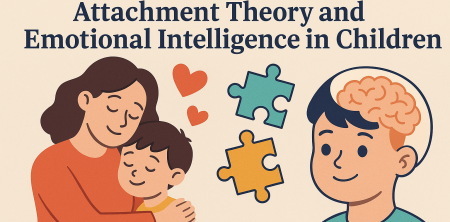
Understanding the intricacies of children's emotional development is crucial for fostering their overall well-being. The connection between attachment theory and emotional intelligence plays a significant role in shaping how children navigate their relationships and manage their emotions. This article dives deep into these interconnected constructs, exploring their backgrounds, key points, and practical implications.
What is Attachment Theory?
Attachment theory, first developed by British psychologist John Bowlby in the mid-20th century, focuses on the bonds formed between children and their primary caregivers. Bowlby posited that children are biologically predisposed to form attachments as a means of survival. These attachments create a secure base for children, allowing them to explore the world while knowing they have a safe haven to return to.
Mary Ainsworth further expanded on Bowlby's ideas through her research, notably the "Strange Situation" experiment. This study categorized attachment styles into secure, anxious-ambivalent, and avoidant, providing insights into how children respond to separation from their caregivers and their subsequent reunion. Understanding these attachment styles is essential for deciphering children's emotional responses and behavior throughout their development.
The Role of Emotional Intelligence
Emotional intelligence (EI) refers to the ability to recognize, understand, and manage one's own emotions and those of others. Daniel Goleman popularized this concept in the 1990s, emphasizing its importance in personal and professional success. Children with high emotional intelligence can empathize with others, handle interpersonal relationships judiciously and empathetically, and effectively communicate their feelings.
It’s important to note that emotional intelligence isn't solely an innate trait; it can be nurtured and developed over time. Research suggests that a child's environment, especially early experiences with caregivers, profoundly influences their emotional intelligence. This is where attachment theory and emotional intelligence intersect.
How Attachment Styles Influence Emotional Intelligence
Research has shown that the attachment style a child develops significantly affects their emotional intelligence. Securely attached children, who have caregivers that are responsive and nurturing, are more likely to develop better emotional regulation skills. They learn to express their feelings openly and seek support when needed, leading to higher emotional intelligence.
On the other hand, children with anxious or avoidant attachment styles often struggle with emotional intelligence. Anxiously attached children might exhibit heightened anxiety in social situations, fearing abandonment. They may have difficulties interpreting social cues, leading to misunderstandings in their interactions. Avoidantly attached children typically suppress their emotions and may find it challenging to connect with others, resulting in lower levels of empathy and social competence.
Research Findings Linking Attachment Theory and Emotional Intelligence
A multitude of studies has examined the relationship between attachment styles and emotional intelligence. For instance, one study found that children with secure attachments scored significantly higher on measures of emotional recognition and empathy than their insecurely attached peers. This suggests that secure attachment provides a foundation for emotional awareness and understanding.
Another study indicated that children with avoidant attachments often have difficulty in self-regulating their emotions. They might struggle to identify their feelings accurately, leading to challenges in managing stress and navigating social situations. These insights reinforce the idea that fostering secure attachments can have long-term benefits for a child's emotional development. (See: Attachment Theory overview.)
Practical Insights for Parents and Educators
Understanding the connection between attachment theory and emotional intelligence can help parents and educators create supportive environments that nurture children's emotional growth. Here are some practical insights:
- Be Responsive: Caregivers should respond promptly and appropriately to a child's emotional needs. This fosters a sense of safety and security.
- Encourage Expression: Teach children to express their feelings in healthy ways. Validate their emotions, letting them know it’s okay to feel upset, happy, or confused.
- Model Emotional Intelligence: Children often learn by example. Demonstrating emotional intelligence through your interactions can provide a concrete model for them to emulate.
- Provide Conflict Resolution Skills: Equip children with skills to manage conflicts and understand different perspectives. This will enhance their empathy and social capabilities.
The Importance of Early Interventions
Early interventions can profoundly influence a child’s attachment style and emotional intelligence. Programs that educate parents about responsive caregiving and emotional coaching can help create secure attachments from the start. For example, parenting classes that focus on understanding child development and emotional needs can empower parents to foster healthier emotional climates.
Moreover, school-based programs focusing on social-emotional learning (SEL) can significantly enhance children's emotional intelligence. Such programs often incorporate lessons on empathy, emotional regulation, and relationship skills, directly tying back to the principles of attachment theory.
Current Relevance in Education and Mental Health
In recent years, the connection between attachment theory and emotional intelligence has garnered increased attention in educational and mental health settings. Schools are increasingly recognizing the importance of social-emotional learning as a vital aspect of curricula. This shift is essential as children face unprecedented challenges, from academic pressures to social media dynamics.
Additionally, mental health professionals are integrating attachment-based approaches in therapy, helping children understand their emotional responses through the lens of their attachment histories. This can be particularly beneficial for children who have experienced trauma, as it allows for a deeper understanding of their emotional struggles and pathways to healing.
The Long-Term Impact of Attachment and Emotional Intelligence
The long-term effects of secure attachment and high emotional intelligence can be profound. Research indicates that children with secure attachments are more likely to have positive relationships in adolescence and adulthood. They tend to have better mental health outcomes and are more resilient in the face of challenges.
Conversely, children with insecure attachment styles may struggle with relationships and emotional regulation throughout their lives. They can experience difficulties in both personal and professional settings, which reinforces the critical importance of fostering secure attachments in childhood.
Navigating Adult Relationships
The influence of attachment theory and emotional intelligence extends beyond childhood into adult relationships. Adults who experienced secure attachments as children are generally better equipped to form healthy, stable partnerships. They often display effective communication skills, higher levels of trust, and better conflict resolution abilities in their relationships.
In contrast, individuals with insecure attachment styles may find themselves repeating patterns of unhealthy relationships. For instance, an anxiously attached adult might struggle with jealousy and fear of abandonment, while an avoidantly attached adult may distance themselves from their partners to avoid vulnerability. Understanding these patterns allows adults to work on their emotional intelligence, thereby fostering healthier relationships. (See: CDC on attachment and child development.)
The Intersection of Attachment Theory and Workplace Dynamics
Emotional intelligence also plays a crucial role in workplace dynamics. Employees with high emotional intelligence tend to create positive work environments, fostering collaboration and reducing conflicts. The attachment styles developed in childhood can influence how people interact with colleagues and manage workplace stress. For example, securely attached individuals may be better at handling criticism and providing constructive feedback, essential skills for any professional setting.
Companies are now recognizing the importance of emotional intelligence in their hiring processes. Assessments that determine a candidate's emotional awareness and interpersonal skills have become common practice. Training programs that focus on developing emotional intelligence can lead to improved team dynamics and employee satisfaction.
Expert Perspectives on Attachment Theory and Emotional Intelligence
Experts in psychology and child development emphasize the critical role of both attachment theory and emotional intelligence in shaping individuals. Dr. Sue Johnson, a prominent clinical psychologist, argues that “emotional intelligence is directly linked to the kinds of attachment relationships we have. Secure attachment fosters emotional awareness, which is fundamental for both personal and relational growth.” Her work highlights how understanding our attachment history can illuminate patterns in our adult relationships.
Another expert, Dr. Daniel Siegel, combines neuroscience and attachment theory, proposing that understanding our emotional brains can lead to better emotional regulation and interpersonal relationships. He emphasizes the role of mindfulness in developing emotional intelligence, suggesting that parents and educators incorporate mindfulness practices into their teachings to help children better manage their emotions.
Real-World Examples of Attachment and Emotional Intelligence
To understand how attachment theory and emotional intelligence manifest in real-life situations, consider the following examples:
- Classroom Dynamics: In a classroom setting where the teacher fosters a secure attachment with students, such as through consistent responses to their emotional needs, students often show higher engagement levels. They are more likely to participate in class discussions and collaborate with peers. In contrast, classrooms where teachers are emotionally distant may see students with anxious or avoidant attachment styles, leading to disengagement and behavioral issues.
- Friendship Groups: Children with secure attachments tend to form healthier and more resilient friendships. They can navigate conflicts, demonstrate empathy, and provide support to their friends. In contrast, children with insecure attachments may struggle to maintain friendships, often misinterpreting social cues or withdrawing when faced with emotional challenges.
- Workplace Collaboration: In a corporate team setting, employees who understand their attachment styles and have developed a high emotional intelligence are better at navigating team dynamics. For instance, a team leader who demonstrates emotional awareness and responsiveness can cultivate a collaborative environment, where team members feel valued and understood.
Statistics on Emotional Intelligence and Attachment
Research continues to shed light on the importance of emotional intelligence and attachment. Some relevant statistics include:
- According to a study published in the journal Child Development, 75% of children with secure attachments reported higher emotional intelligence compared to their insecurely attached peers.
- A meta-analysis found that individuals with higher emotional intelligence had a 63% greater likelihood of success in leadership roles, linking back to their capacity to form secure attachments and navigate interpersonal dynamics effectively.
- Research from the Yale Center for Emotional Intelligence indicates that schools implementing social-emotional learning curricula see a 20% increase in students' self-reported emotional intelligence scores.
FAQs about Attachment Theory and Emotional Intelligence
What are the main attachment styles?
The main attachment styles identified by Mary Ainsworth include secure, anxious-ambivalent, and avoidant. A fourth style, disorganized attachment, was later added by researchers. Secure attachment is characterized by a strong, healthy bond with caregivers, while anxious-ambivalent leads to clinginess and fear of abandonment. Avoidant attachment involves emotional distance, while disorganized attachment often results from trauma or inconsistent caregiving.
How can parents promote secure attachment?
Parents can promote secure attachment by being responsive to their child's needs, providing consistent care, and fostering open communication. It’s important to create a safe environment where children feel comfortable expressing their emotions without fear of judgment.
Can emotional intelligence be taught?
Yes, emotional intelligence can be taught and developed over time. Programs focusing on social-emotional learning in schools, as well as parenting programs that emphasize emotional coaching, can significantly enhance emotional intelligence in both children and adults.
What impact does insecure attachment have in adulthood?
Insecure attachment can lead to various challenges in adulthood, including difficulties in forming healthy relationships, managing emotions, and coping with stress. Adults with insecure attachments may experience anxiety and depression more frequently, highlighting the need for supportive interventions.
How does culture influence attachment styles and emotional intelligence?
Culture plays a significant role in shaping attachment styles and emotional intelligence. Different cultures have varying expectations regarding emotional expression and caregiving practices. These cultural norms can affect how children develop their emotional skills and the types of attachment they form with their caregivers.
What resources are available for parents interested in fostering emotional intelligence?
There are numerous resources available for parents looking to foster emotional intelligence in their children. Books such as "Emotional Intelligence 2.0" by Travis Bradberry and Jean Greaves offer insights and practical strategies. Workshops on emotional intelligence and parenting classes can also provide valuable tools and support. Additionally, many online platforms offer courses focused on emotional intelligence development for both adults and children.
How can educators incorporate attachment theory into their teaching practices?
Educators can incorporate attachment theory into their teaching by building strong relationships with students. This involves being responsive to their emotional needs, establishing consistency in classroom management, and promoting a growth mindset. Creating a safe learning environment where students feel valued and understood can significantly enhance their emotional intelligence and overall academic performance.
Nurturing Future Generations
The intricate relationship between attachment theory and emotional intelligence offers a roadmap for nurturing emotionally healthy future generations. By fostering secure attachments and promoting emotional intelligence from a young age, we can equip children with the tools necessary to navigate the complexities of life. Parents, educators, and mental health professionals all play pivotal roles in this journey. Their collective efforts can create a supportive environment that not only honors children’s emotional needs but also empowers them to thrive in their personal and social lives.
Trending Now
Frequently Asked Questions
What is the importance of attachment theory in child development?
Attachment theory is crucial in child development as it explains how the bonds formed between children and their caregivers influence emotional growth. Secure attachments foster confidence and exploration, while insecure attachments can lead to difficulties in emotional regulation and relationships later in life.
How does emotional intelligence affect children's relationships?
Emotional intelligence significantly impacts children's relationships by enabling them to understand and manage their emotions and empathize with others. Children with high emotional intelligence can navigate social interactions more effectively, leading to healthier friendships and better conflict resolution skills.
What are the different attachment styles in children?
Children exhibit various attachment styles, including secure, anxious-ambivalent, and avoidant. These styles, identified by Mary Ainsworth's research, influence how children respond to separation from caregivers and their ability to connect with others, shaping their emotional and social development.
Can emotional intelligence be developed in children?
Yes, emotional intelligence can be nurtured and developed in children. By providing a supportive environment, teaching emotional regulation skills, and encouraging empathy, caregivers can help children enhance their emotional intelligence, leading to improved social skills and emotional well-being.
What role do caregivers play in a child's emotional development?
Caregivers play a pivotal role in a child's emotional development by providing a secure base for exploration and emotional support. Their responses to children's needs and emotions help shape attachment styles and influence the development of emotional intelligence, impacting how children relate to others.
What's your take on this? Share your thoughts in the comments below — we read every one.

