```html
Avoidant attachment is a term that resonates within the fields of psychology and relationship studies. At its core, it signifies a tendency to keep emotional distance from others. Individuals with avoidant attachment often struggle with social interactions, demonstrating unique patterns in their social skills and emotional intelligence. This article aims to explore the profound impact of avoidant attachment on social skills and emotional intelligence, providing insights and practical advice for those looking to understand and improve these aspects in themselves or others.
What is Avoidant Attachment?
Avoidant attachment is one of the styles identified in attachment theory, which was developed by psychologist John Bowlby and further expanded by Mary Ainsworth. This theory posits that the bonds formed between children and their caregivers fundamentally shape their relational patterns in adulthood. Individuals categorized as having an avoidant attachment style often exhibit a reluctance to rely on others, stemming from early experiences where their emotional needs were not adequately met.
The characteristics of avoidant attachment generally include a strong emphasis on independence, discomfort with intimacy, and a tendency to suppress emotions. While these traits can serve as coping mechanisms, they often lead to challenges in social environments and hinder the development of emotional intelligence.
The Relationship Between Avoidant Attachment and Social Skills
Social skills encompass the ability to communicate, interact, and build relationships with others effectively. Individuals with an avoidant attachment style often find themselves at odds with these fundamental abilities.
First, they may struggle with initiating and maintaining conversations. This difficulty can stem from a fear of vulnerability or a belief that opening up to others will lead to rejection or abandonment. As a result, they may prefer to keep interactions superficial, avoiding deeper discussions that foster true connection.
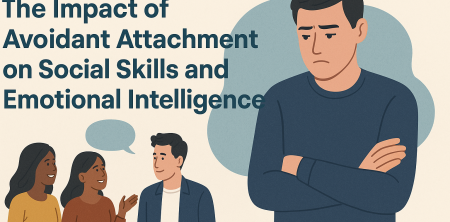
Moreover, avoidantly attached individuals may exhibit nonverbal communication patterns that signal disinterest or discomfort. For instance, they might avoid eye contact, maintain closed body language, or provide short, clipped responses in conversations. Such behaviors can be misinterpreted by others, leading to further social isolation and reinforcing their avoidance.
How Avoidant Attachment Impacts Emotional Intelligence
Emotional intelligence (EI) is typically defined as the ability to recognize, understand, and manage both your own emotions and those of others. This skill set is crucial for forming healthy relationships, resolving conflicts, and fostering empathy. Those with avoidant attachment often face significant hurdles in developing emotional intelligence.
One key area affected is the ability to empathize with others. Empathy requires not only recognizing another's emotions but also sharing in those feelings. Avoidantly attached individuals, who often suppress their emotions, may struggle to connect with the emotional states of others. Their discomfort with vulnerability can create a barrier to the empathetic responses necessary for nurturing relationships.
Furthermore, emotional regulation—an essential component of emotional intelligence—can also be compromised. Avoidant individuals may resort to emotional detachment as a defense mechanism, leading to challenges in processing feelings and effectively responding to emotional situations. This detachment can hinder conflict resolution and contribute to misunderstandings in interpersonal dynamics.
Recognizing Avoidant Attachment in Yourself and Others
Understanding avoidant attachment social skills in yourself or those around you starts with recognizing the signs. Individuals with this style may exhibit behaviors such as:
- Difficulty expressing feelings or needs
- A tendency to withdraw during conflicts
- Preference for solitude over social gatherings
- Reluctance to discuss personal matters
- Nonverbal signs of discomfort, such as crossed arms or avoidance of touch
By acknowledging these traits, individuals can start to work towards overcoming the limitations imposed by avoidant attachment. Self-reflection and awareness are essential first steps in this process.
Practical Strategies to Improve Social Skills and Emotional Intelligence
For individuals with avoidant attachment, improving social skills and emotional intelligence is a journey that requires patience and practice. Here are several strategies that can help: (See: Attachment theory overview.)
1. **Engage in Self-Reflection**
Take time to reflect on your emotional responses and social interactions. Journaling can be a beneficial tool for tracking feelings, thoughts, and behaviors in various situations. By understanding your emotional landscape, you can begin to identify patterns and triggers related to your avoidant attachment style.
2. **Practice Vulnerability**
Start small. Share thoughts, feelings, or experiences with trusted friends or family members. Gradually increasing your level of vulnerability can help ease the discomfort associated with intimacy. As you practice, you'll likely find that opening up can lead to deeper, more satisfying connections.
3. **Enhance Communication Skills**
Consider joining a communication skills class or workshop. These environments provide opportunities to practice social interactions in a supportive setting. Focusing on active listening, maintaining eye contact, and using open body language can facilitate better connections with others.
4. **Develop Empathy**
To build empathy, consciously work on recognizing the emotions of those around you. Pay attention to body language and verbal cues. Try to put yourself in their shoes when navigating conversations, and ask open-ended questions that encourage dialogue about feelings and experiences.
5. **Seek Professional Help**
Therapy can be a powerful resource for individuals looking to navigate their avoidant attachment style. A trained therapist can help unpack past experiences, provide tailored strategies for improvement, and create a safe space to explore emotional expression.
The Role of Relationships in Adapting Social Skills
Relationships serve as a pivotal platform for developing and enhancing social skills and emotional intelligence. While individuals with avoidant attachment may initially resist deeper connections, forming secure relationships can catalyze personal growth.
Supportive partners or friendships can encourage individuals to step outside their comfort zones and practice vulnerability. These relationships can also provide opportunities to observe healthy emotional exchanges, fostering a better understanding of how to engage with others in a constructive manner.
Additionally, secure attachments can help replace the negative beliefs that avoidant individuals may hold about relationships. Positive experiences of intimacy and connection can gradually reshape their outlook on relational dynamics, promoting healthier social skills.
Current Research on Avoidant Attachment
Recent studies continue to shed light on avoidant attachment and its implications in various contexts. Research has shown that avoidant individuals might experience higher levels of anxiety in social situations, leading to avoidance behaviors that further exacerbate their challenges.
Moreover, studies have linked avoidant attachment styles to difficulties in workplace settings, such as challenges in teamwork and collaboration. The implications for leadership and management are significant, as a leader with avoidant tendencies may struggle to foster team cohesion and create an emotionally supportive work environment.
Current research also emphasizes the importance of interventions aimed at addressing avoidant attachment patterns. These interventions not only focus on individual behavioral changes but also emphasize the significance of community and social support in fostering emotional growth.
Long-Term Implications of Avoidant Attachment
The long-term effects of avoidant attachment can be profound if unaddressed. Individuals may find themselves trapped in cycles of loneliness, struggling to form meaningful relationships and fully engage with their emotions. This ongoing avoidance can lead to an array of mental health issues, including anxiety and depression.
Moreover, as individuals age, the impact of avoidant attachment can extend into their familial relationships, influencing how they connect with their children or partners. The cycle can perpetuate across generations, as children observe and replicate their caregivers' behaviors, potentially leading to a continued legacy of avoidant attachment patterns.
Additional Insights into Avoidant Attachment
Avoidant attachment isn’t merely a personal struggle; it can have broader implications in social contexts. For instance, in group settings, individuals with avoidant attachment may appear aloof or disengaged, leading to misunderstandings about their character. This perception can create a feedback loop, where their avoidance is met with social rejection, reinforcing their attachment style. (See: Research on attachment styles.)
New research highlights the role of cultural factors in shaping attachment styles. For example, in collectivist cultures, where community and family ties are emphasized, avoidant attachment might manifest differently than in individualistic societies. Understanding these nuances can help create more effective strategies tailored to specific cultural contexts.
Statistics on Avoidant Attachment
Understanding the prevalence of avoidant attachment can help in recognizing its impact on society. Studies suggest that approximately 25% of adults exhibit avoidant attachment styles. This statistic indicates that a significant portion of the population may struggle with the social skills and emotional intelligence tied to their attachment styles.
Furthermore, avoidant attachment has been linked to various mental health outcomes. Research indicates that individuals with avoidant attachment are more likely to experience symptoms of anxiety, depression, and difficulties in interpersonal relationships. For example, a study found that 70% of individuals with avoidant attachment reported feeling lonely, even in the presence of others.
Comparisons with Other Attachment Styles
To fully understand avoidant attachment, it can be helpful to compare it with other attachment styles, such as secure and anxious attachment. Securely attached individuals tend to have a positive view of themselves and their relationships, often displaying healthy social skills and emotional intelligence. In contrast, anxious attachment is characterized by a preoccupation with relationships and a fear of abandonment, which can lead to different social challenges.
For instance, while avoidantly attached individuals may withdraw from interactions, anxiously attached individuals might cling to relationships, often leading to overwhelming others. This contrast highlights the diverse ways attachment styles can manifest in social behavior. Recognizing these differences can help individuals understand their own patterns and develop strategies tailored to their specific attachment style.
FAQ About Avoidant Attachment and Social Skills
What are the signs of avoidant attachment?
Signs include discomfort with intimacy, reluctance to rely on others, avoidance of emotional discussions, and nonverbal cues like closed body language.
Can avoidant attachment change over time?
Yes, with self-awareness, therapy, and supportive relationships, individuals can work towards more secure attachment styles and improve their social skills.
How can I support someone with avoidant attachment?
Be patient and understanding. Create a safe space for them to express their feelings without pressure. Encourage gradual vulnerability and communicate openly.
Is avoidant attachment solely a negative trait?
While it presents challenges, some characteristics of avoidant attachment can promote independence and self-sufficiency. However, balancing these traits with healthy social connections is key.
How does avoidant attachment affect romantic relationships?
Avoidant attachment can lead to difficulties in intimacy and emotional closeness in romantic relationships, often resulting in partners feeling neglected or unimportant.
Additional Strategies for Building Social Skills
In addition to the previous strategies mentioned, there are several other approaches individuals can take to enhance their social skills and emotional intelligence. These strategies include:
1. **Join Social Groups or Clubs**
Engaging in social activities or clubs based on your interests can provide a low-pressure environment to practice social interactions. Whether it's a book club, a sports team, or an art class, these settings offer opportunities for focused conversations and shared experiences.
2. **Volunteer**
Volunteering for a cause you care about can facilitate connection with others who share similar values. This shared commitment can help foster relationships, as you work together towards a common goal while developing valuable social skills in the process.
3. **Role-Playing Exercises**
Practicing social scenarios through role-playing can help build confidence. This technique allows individuals to rehearse interactions in a controlled environment, making it easier to transfer those skills to real-life situations.
4. **Mindfulness Practices**
Mindfulness can assist individuals in becoming more aware of their emotional responses and social behaviors. Techniques like meditation or deep breathing can help ground you in the moment, reducing anxiety related to social interactions.
Expert Perspectives on Avoidant Attachment
Experts in psychology emphasize the importance of understanding avoidant attachment not just as a label, but as a complex interplay of experiences and behaviors. Dr. Lisa Firestone, a clinical psychologist, notes that recognizing one's attachment style can be a transformative step towards healing. She suggests that “understanding the roots of your attachment style enables you to make conscious choices about your relationships rather than responding automatically out of fear." This insight encapsulates the journey individuals must undertake to improve their social skills and emotional intelligence.
In addition, Dr. Amir Levine, a psychiatrist and author, highlights that “people with avoidant attachment often do not realize how their fear of intimacy can lead to isolation.” His work suggests that addressing these underlying fears is crucial in building healthier relationships and improving social engagement.
Real-Life Examples of Change
Stories of individuals who have struggled with avoidant attachment but successfully improved their social skills can be incredibly motivating. For example, consider a person named Alex, who always felt uncomfortable in social situations. Initially, he avoided parties and gatherings, preferring solitude to interacting with others.
After seeking therapy, Alex learned to identify his patterns of avoidance and gradually began to challenge himself by attending social events, even if only for a short time. He started with small gatherings, where he felt less pressure to engage deeply. Over time, he noticed that he enjoyed connecting with others and felt less anxious about expressing his thoughts and feelings. Alex's journey illustrates that change is possible with commitment and support.
Long-Term Benefits of Addressing Avoidant Attachment
Addressing avoidant attachment and actively working to improve social skills and emotional intelligence can lead to numerous long-term benefits. These include:
- Stronger Relationships: By fostering deeper connections, individuals can enrich their personal and professional lives.
- Improved Mental Health: Enhanced emotional intelligence can lead to better coping mechanisms for stress and anxiety, promoting overall well-being.
- Greater Fulfillment: Building meaningful relationships can provide a sense of belonging and purpose, contributing to a more fulfilling life.
- Increased Resilience: As individuals learn to navigate their emotions and social interactions, they can develop greater resilience, allowing them to tackle challenges more effectively.
Conclusion: Moving Toward Healthier Relationships
While avoidant attachment poses challenges to social skills and emotional intelligence, it is crucial to recognize that change is possible. By understanding the roots of avoidant behavior and actively working towards developing social skills and emotional intelligence, individuals can foster healthier relationships and improve their overall well-being. Through self-awareness, practice, and support, those affected by avoidant attachment can move toward deeper connections, greater emotional understanding, and a richer social life.
```
Trending Now
Frequently Asked Questions
What is avoidant attachment?
Avoidant attachment is a psychological concept describing individuals who maintain emotional distance in relationships, often due to early experiences where their emotional needs were unmet. This attachment style leads to a reluctance to rely on others, emphasizing independence and discomfort with intimacy.
How does avoidant attachment affect social skills?
Individuals with avoidant attachment often struggle with initiating and maintaining conversations, fearing vulnerability and potential rejection. This can result in superficial interactions, making it challenging for them to develop effective social skills necessary for building meaningful relationships.
What are the signs of avoidant attachment?
Signs of avoidant attachment include a strong emphasis on independence, discomfort with intimacy, difficulty expressing emotions, and a tendency to keep relationships superficial. These traits stem from early experiences that shaped their relational patterns.
Can avoidant attachment impact emotional intelligence?
Yes, avoidant attachment can hinder emotional intelligence development. Individuals may suppress their emotions and avoid vulnerability, making it difficult to understand their own feelings and empathize with others, which are key components of emotional intelligence.
How can someone improve social skills affected by avoidant attachment?
Improving social skills for those with avoidant attachment involves gradually practicing vulnerability in safe environments, seeking therapy for deeper understanding, and engaging in activities that promote social interaction. Building confidence in expressing emotions is also crucial.
Have you experienced this yourself? We'd love to hear your story in the comments.

