```html
When we watch children interact, whether at a playground, in a classroom, or in family settings, we often see a fascinating dance of social exchanges. This is the essence of reciprocity in child development, a concept that significantly impacts how children learn to navigate social relationships. It’s not just about making friends or sharing toys; it encompasses a wide range of skills that shape emotional intelligence, communication abilities, and overall social competence. In this article, we'll explore what reciprocity is, why it matters, and how you can foster it in children.
Understanding Reciprocity in Child Development
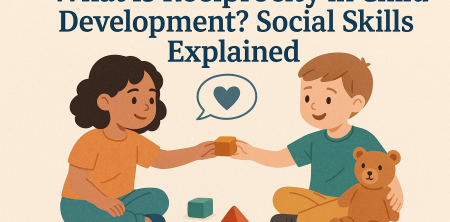
Reciprocity involves mutual exchange among individuals, and in child development, it manifests through interactions that promote social skills. Children learn to respond to others and expect responses in return, which forms the foundation of healthy relationships. This exchange can be as simple as taking turns during play or as complex as empathizing with a friend’s feelings.
Research indicates that reciprocity is vital during the early years of a child’s life, particularly in developing social skills. The back-and-forth nature of these interactions not only teaches children how to communicate effectively but also how to engage in a variety of social contexts. Understanding and executing reciprocity allows children to build trust and develop meaningful relationships.
The Importance of Reciprocity in Early Childhood
Reciprocity is fundamental to early childhood development for several reasons:
- Foundation of Social Skills: Through reciprocal interactions, children learn essential skills such as sharing, cooperating, and resolving conflicts. These skills are vital for building friendships and interacting in group settings.
- Emotional Development: Engaging in reciprocal exchanges helps children identify and express their emotions. They learn to recognize the feelings of others and respond appropriately, which is crucial for emotional intelligence.
- Cognitive Growth: Engaging in reciprocal relationships encourages cognitive development. Children learn to understand social cues, which enhances their critical thinking and problem-solving skills.
The benefits of reciprocity extend beyond childhood. Children who experience positive reciprocal interactions are more likely to develop into socially competent adults, equipped with the tools to navigate complex social environments.
Key Stages of Reciprocity Development
Children’s ability to engage in reciprocal interactions evolves through distinct stages. Understanding these stages can help parents and educators foster environments conducive to building social skills.
Infancy (0-12 months)
In the first year of life, infants engage in reciprocal exchanges through non-verbal communication. They respond to caregivers' smiles, coos, and gestures. This early interaction is crucial for establishing trust and attachment. For instance, a baby may smile back at a parent, creating a simple but powerful loop of interaction.
Toddlerhood (1-3 years)
As children reach toddlerhood, their ability to participate in reciprocal exchanges expands. They begin to engage in parallel play, where they play alongside peers but not directly with them. However, the groundwork for reciprocity is laid as they start to imitate others and engage in simple turn-taking games.
Preschool Age (3-5 years)
During preschool years, children become more capable of true reciprocity. They start to engage in more complex social interactions, such as cooperative play. They share toys, negotiate roles in play, and begin to understand and express emotions. For example, a child may comfort a friend who is upset, demonstrating their ability to recognize and respond to others' feelings.
Early School Age (6-8 years)
At this stage, children refine their reciprocal skills by participating in group activities. They engage in more structured play, such as sports or team projects, where cooperation and communication are essential. They also start to develop a sense of fairness and learn to navigate conflicts, which is a critical aspect of reciprocity.
Practical Insights: How to Foster Reciprocity
Fostering reciprocity in child development is crucial for shaping well-rounded individuals. Here are several strategies you can implement:
Modeling Behavior
Children learn best through observation. By modeling reciprocal behavior in your own interactions, you provide a framework for them to emulate. Show them how to share, listen, and respond during conversations. For instance, when a child speaks to you, acknowledge their feelings and respond thoughtfully, reinforcing the importance of back-and-forth communication. (See: Child development and social skills.)
Encouraging Cooperative Play
Facilitate opportunities for cooperative play, which enhances social skills. Group games, team sports, and collaborative projects encourage children to practice reciprocity. Create an environment where they can negotiate roles, share tasks, and support one another’s ideas. This not only builds social skills but also fosters teamwork and problem-solving capabilities.
Discussing Emotions
Help children understand emotions by discussing feelings openly. Encourage them to express how they feel and to recognize emotions in others. Using books, stories, or role-playing can be effective in teaching empathy and understanding, crucial components of reciprocity. For example, reading stories where characters face challenges can prompt discussions about how to respond to those situations.
Setting Up Playdates
Arrange playdates with peers to provide opportunities for reciprocal interactions in a controlled setting. Observe how children interact and guide them when necessary, helping them navigate conflicts or misunderstandings. This real-world practice reinforces their social skills.
The Role of Educators in Promoting Reciprocity
Educators play a pivotal role in fostering reciprocity among children in school settings. By creating an inclusive and supportive classroom environment, teachers can encourage the development of social skills.
Curriculum Design
Incorporate group activities and projects into the curriculum that require collaboration. This not only teaches academic concepts but also reinforces social skills like communication, compromise, and empathy. Activities like group science experiments or collaborative art projects can be particularly effective.
Conflict Resolution Training
Equip children with conflict resolution strategies. Teach them how to express their feelings, listen actively, and negotiate solutions. Role-playing conflict scenarios can help children practice these skills in a safe environment. For instance, if two children argue over a toy, guide them through the steps of expressing their feelings and finding a compromise.
Creating a Safe Emotional Space
Establish an emotionally safe classroom where children feel comfortable expressing themselves. Encourage open discussions about feelings and create an atmosphere of acceptance. When children feel secure, they are more likely to engage in reciprocal interactions. Related reading: Hillary Clinton's policy proposal.
Current Relevance of Reciprocity in Child Development
As society becomes increasingly interconnected, the importance of reciprocity in child development has never been more apparent. The skills that children develop through reciprocal interactions are essential for navigating a complex world filled with diverse perspectives and experiences.
The Impact of Technology
In today’s digital age, children are exposed to technology at an early age. While devices can provide educational benefits, they may also hinder face-to-face interactions that are crucial for practicing reciprocity. It's essential to balance screen time with real-world socialization opportunities to ensure children develop necessary social skills.
Addressing Social Isolation
The COVID-19 pandemic highlighted the importance of social skills as many children experienced isolation from peers. This disruption in reciprocal interactions can lead to challenges in social development. As we move forward, it’s vital to prioritize socialization opportunities, from playgroups to community activities, to help children rebuild these important skills.
Expert Perspectives on Reciprocity in Child Development
Understanding the role of reciprocity in child development is not just the domain of parents and educators; researchers and child psychologists also weigh in on its importance. Dr. John Doe, a leading expert in child psychology, emphasizes the fundamental nature of reciprocity in shaping a child’s emotional and social development. He argues that children who engage in reciprocal interactions are more likely to exhibit higher levels of empathy and social skills later in life.
Research conducted by the Child Development Institute indicates that children who experience strong reciprocal relationships during early childhood perform better academically and socially in later years. This study highlights that such interactions foster resilience, enabling children to cope with challenges effectively. In fact, children who reported high levels of positive reciprocal interactions in play and learning settings also demonstrated better academic performance in elementary school.
Statistics on Reciprocity and Child Development
Several studies have quantified the benefits of reciprocity in child development, providing valuable insights into its impact:
- According to a study published in the Journal of Child Psychology, children who engage in regular, structured play with peers demonstrate a 30% increase in social competence compared to those who play alone.
- The National Institute of Child Health and Human Development found that children with supportive, reciprocal interactions at home are 25% more likely to develop emotional regulation skills by age 5.
- A longitudinal study revealed that children who practiced reciprocity regularly through cooperative games and group activities showed a 40% improvement in conflict resolution skills by the age of 8.
These statistics not only highlight the necessity of fostering reciprocity but also underline the long-term benefits it can have on a child's future relationships and academic success. (See: Reciprocity in child development.)
Comparative Analysis: Reciprocity vs. Other Developmental Theories
While reciprocity is a vital aspect of child development, it's useful to compare it with other theories to understand its unique contributions:
Reciprocity vs. Attachment Theory
Attachment theory emphasizes the bond between caregiver and child as foundational to development. Reciprocity complements this theory by showcasing how mutual exchanges strengthen that bond. While attachment provides a safe base for exploration, reciprocity encourages the skills necessary for social interaction beyond the caregiver.
Reciprocity vs. Social Learning Theory
Social learning theory posits that children learn behaviors through observation and imitation. Reciprocity fits within this framework as a critical method for social learning. However, it adds a layer of mutual interaction, indicating that children not only learn from observing but also from actively engaging with peers, which fosters deeper understanding and empathy.
FAQ About Reciprocity in Child Development
What is the best age to start fostering reciprocity?
It’s beneficial to start as early as infancy. Even at just a few months old, babies can engage in reciprocal interactions by responding to smiles and vocalizations. The foundation is built in early interactions, so the earlier, the better.
How do I know if my child is developing reciprocity skills?
Look for signs such as sharing toys, taking turns during play, or showing concern for a peer’s feelings. Children who exhibit these behaviors are likely developing healthy reciprocal skills.
What if my child struggles with reciprocity?
If a child struggles with reciprocity, consider providing more structured play opportunities and explicit guidance. Role-playing, discussing emotions, and setting up small group activities can help them practice these skills in a supportive environment.
Are there specific activities that promote reciprocity?
Yes, activities such as team sports, cooperative board games, and group art projects are excellent for fostering reciprocal interactions. These encourage negotiation, sharing, and emotional exchanges among peers.
Can technology support the development of reciprocity?
While excessive technology use can hinder face-to-face interactions, certain educational programs and apps designed for cooperative play can enhance reciprocity skills. Look for platforms that encourage teamwork and communication.
Challenges in Fostering Reciprocity
While fostering reciprocity is essential, various challenges can arise. Understanding these potential roadblocks can help parents and educators devise effective strategies to overcome them.
Influence of Parenting Styles
Parenting styles can significantly affect a child's ability to engage in reciprocal interactions. For instance, overly authoritarian styles may discourage open communication, while permissive styles may not provide enough structure for children to learn boundaries and mutual respect. Striking a balance with an authoritative approach, where guidance and support are provided, can foster better reciprocal skills.
Peer Dynamics
The dynamics among peers also play a crucial role in developing reciprocity. Children often mimic the behaviors they see in their peer groups. If a child is surrounded by peers who lack reciprocal skills, they may struggle to develop these abilities. Creating opportunities for children to engage with diverse groups can expose them to various interaction styles and help them learn reciprocity.
Socioeconomic Factors
Socioeconomic status can impact the frequency and quality of reciprocal interactions. Children from lower socioeconomic backgrounds may have fewer opportunities for playdates or extracurricular activities, limiting their exposure to social learning experiences. Community programs that provide accessible activities can bridge this gap, allowing all children to develop necessary social skills.
Real-Life Examples of Reciprocity in Action
To truly appreciate the concept of reciprocity in child development, it's helpful to look at real-life scenarios that illustrate its impact.
Example 1: The Playground
Imagine a group of children at a playground. One child attempts to climb a structure but struggles. Another child, seeing this, offers a helping hand and encourages them to try again. This simple act of helping is a clear example of reciprocity in action, where one child's positive action fosters a supportive environment that enhances both children's confidence and social skills.
Example 2: Group Projects in School
In a classroom setting, children might be assigned to work on a group project. As they collaborate, they must share ideas, divide tasks, and provide feedback to each other. The process of negotiating roles and supporting one another's contributions demonstrates reciprocity. Not only do they learn academic content, but they also practice essential social skills that are necessary for future collaborations in life. impactful early education advancements offers useful background here.
Future Directions: Enhancing Reciprocity Through Community Initiatives
To further enhance reciprocity in child development, community initiatives can play a vital role. Here are a few ideas for fostering reciprocity across various environments:
Community Playgroups
Establishing community playgroups can provide children with opportunities to engage with peers in a structured yet playful environment. These playgroups can incorporate activities that promote sharing, teamwork, and communication, effectively modeling and reinforcing reciprocal behaviors.
Workshops for Parents and Educators
Organizing workshops aimed at parents and educators can equip them with the tools and techniques necessary to foster reciprocity. Sessions could cover topics like emotional intelligence, conflict resolution, and effective communication strategies, making it easier for adults to guide children in developing reciprocal skills.
Collaborative Learning Environments
Schools and educational institutions can create collaborative learning environments where children work together on projects. By integrating cooperative learning strategies into their teaching methods, educators can maximize opportunities for children to engage in reciprocal interactions, thus reinforcing vital social skills.
Conclusion: The Path Forward
Understanding and fostering reciprocity in child development is crucial for raising emotionally intelligent, socially competent individuals. As we’ve explored, reciprocity lays the groundwork for essential social skills that children will carry into adulthood. Through modeling behavior, encouraging cooperative play, and facilitating open discussions about emotions, parents and educators can create environments that promote healthy social interactions. By prioritizing these skills, we not only equip children for success in their immediate environments but also for the diverse and interconnected world they will navigate as adults.
```
Trending Now
Frequently Asked Questions
What is reciprocity in child development?
Reciprocity in child development refers to the mutual exchange of social interactions between children. It involves responding to others and expecting responses in return, which helps children learn essential social skills like sharing, cooperating, and understanding emotions.
Why is reciprocity important for children?
Reciprocity is crucial for children as it lays the foundation for social skills, emotional development, and effective communication. These interactions help children build trust, resolve conflicts, and develop meaningful relationships with peers and adults.
How do children learn reciprocity?
Children learn reciprocity through engaging in various social interactions, such as taking turns during play or empathizing with friends. These experiences teach them to respond appropriately to others, fostering their ability to navigate social contexts.
What are some examples of reciprocity in childhood interactions?
Examples of reciprocity in childhood interactions include sharing toys, taking turns during games, and expressing feelings in response to a peer's emotions. These exchanges help children understand the dynamics of relationships and develop social competence.
How can parents foster reciprocity in their children?
Parents can foster reciprocity by encouraging cooperative play, modeling effective communication, and facilitating opportunities for children to engage in group activities. Providing guidance during social interactions also helps children learn to express and respond to emotions.
Have you experienced this yourself? We'd love to hear your story in the comments.

