```html
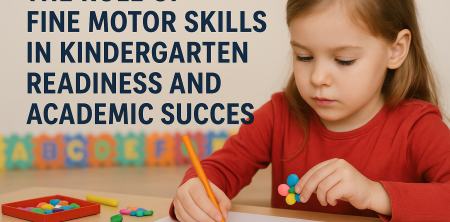
As children prepare to enter kindergarten, parents and educators alike often focus on various academic skills, emotional readiness, and social interactions. However, one vital component that should not be overlooked is fine motor skills. These skills, which involve the coordination of small muscles in the hands and fingers, play a significant role in a child's readiness for kindergarten and their overall academic success. Understanding the importance of fine motor skills can help parents and educators better support young learners during this critical transition.
What Are Fine Motor Skills?
Fine motor skills refer to the precise movements of the small muscles in the hands, fingers, and wrists. They enable children to perform tasks that require hand-eye coordination, dexterity, and control. Common fine motor activities include grasping small objects, manipulating toys, using scissors, writing, and buttoning clothing. These skills develop gradually as children engage in various activities and experiences, and they are crucial for executing more complex tasks as they grow.
Why Fine Motor Skills Matter for Kindergarten Readiness
Fine motor skills are essential for kindergarten readiness for several reasons. First, many activities within the kindergarten classroom require children to use their hands effectively. For instance, children need to be able to hold pencils, crayons, and scissors to participate in art projects, writing exercises, and other hands-on learning experiences.
Secondly, fine motor skills contribute to a child's independence. When children can dress themselves, tie their shoes, and manage their personal belongings, they feel more confident and ready to engage in the school environment. This sense of self-sufficiency is a critical factor in their overall adjustment to kindergarten.
Research on Fine Motor Skills and Academic Success
Numerous studies have shown a strong link between fine motor skills and academic success. A study published in the journal Child Development found that children with better fine motor skills were more likely to excel in reading and math as they progressed through elementary school. The researchers emphasized that fine motor skill development during the preschool years correlates with a child's later academic performance.
Moreover, fine motor skills are closely tied to cognitive development. When children engage in activities that require these skills, they are simultaneously enhancing their problem-solving abilities and critical thinking. For example, assembling puzzles, manipulating building blocks, or engaging in arts and crafts not only refines fine motor skills but also boosts cognitive functions such as spatial awareness and logical reasoning.
Indicators of Fine Motor Skills Development
Parents and educators should be aware of the typical indicators of fine motor skills development in young children. By understanding these benchmarks, they can identify areas where a child may need additional support. Generally, fine motor skills develop in stages:
- 6-12 Months: Babies begin to grasp and shake toys, transfer objects between hands, and explore their environment with their hands.
- 12-18 Months: Children develop the ability to pick up small items, stack blocks, and use simple tools like spoons.
- 18-24 Months: Toddlers can manipulate larger crayons, engage in more complex block structures, and attempt to use scissors.
- 2-3 Years: Children refine their skills by completing simple puzzles, drawing basic shapes, and using child-safe scissors.
- 3-5 Years: Preschoolers can write their names, copy shapes and letters, and perform more intricate tasks like buttoning shirts and zipping jackets.
How to Promote Fine Motor Skills at Home
Fostering fine motor skills is essential for preparing children for kindergarten. Fortunately, there are many engaging and enjoyable activities parents can incorporate into daily routines:
- Arts and Crafts: Provide materials like crayons, markers, scissors, glue, and different types of paper. Encourage children to draw, cut, paste, and create their own art projects.
- Cooking Together: Involve children in meal preparation. Let them stir batter, pour ingredients, and knead dough. These tasks enhance hand strength and coordination.
- Play with Building Toys: Toys like Lego, blocks, and construction sets require children to manipulate smaller pieces, which can help improve their dexterity.
- Practice Writing: Encourage children to practice writing letters, numbers, and their names using various materials, such as chalk, markers, or even finger paint.
- Engage in Outdoor Play: Activities like climbing, swinging, and playing with sand or water can enhance gross motor skills, which are also essential for fine motor skills.
Classroom Activities to Support Fine Motor Skills
While parents play a vital role in developing fine motor skills, educators also have a responsibility to integrate these skills into the classroom environment. Here are some effective classroom activities designed to promote fine motor development: (See: CDC on child development milestones.)
- Manipulative Play: Provide a variety of manipulatives, such as beads, buttons, and puzzles, allowing children to explore and create.
- Writing Centers: Set up a writing center with different writing materials, such as pencils, crayons, and paper. Encourage children to write stories, letters, or create lists.
- Scissor Skills: Incorporate scissor practice into art projects. Teach children to cut along lines or shapes, gradually increasing the difficulty.
- Cooking Projects: Organize simple cooking activities where children can measure, stir, and assemble ingredients, enhancing their hand-eye coordination and strength.
- Outdoor Activities: Incorporate outdoor games that require throwing, catching, and balancing to develop overall motor skills.
Signs of Fine Motor Skills Delays
While some children may naturally develop fine motor skills at different rates, there are signs that may indicate a delay. Parents and educators should look for the following:
- Difficulty holding a crayon or pencil correctly.
- Struggles with basic tasks like buttoning shirts or tying shoes.
- Lacks interest in activities that require hand manipulation, such as arts and crafts.
- Frustration when engaging in tasks that involve fine motor control.
- Limited ability to use scissors or other tools effectively.
If these signs are present, it may be beneficial to consult a pediatrician or an occupational therapist for further assessment and intervention.
Current Relevance of Fine Motor Skills in a Digital Age
In today's increasingly digital world, the emphasis on technology has raised concerns about the impact on children's fine motor skills. With the rise of tablets and smartphones, children are spending more time engaged in screen activities, which can detract from hands-on play that promotes fine motor development.
While technology can offer educational benefits, it's essential to balance screen time with activities that encourage physical interaction and manipulation. Parents and educators should strive to create a well-rounded environment where children can engage in both digital learning and hands-on experiences.
Fine Motor Skills: A Gateway to Social Skills
Developing fine motor skills not only prepares children for academic tasks but also encourages social interactions. Activities that require cooperation, such as group art projects or team-building games with building blocks, foster teamwork and communication. Children learn to express their ideas, share materials, and collaborate on tasks, all of which are critical social skills they will use in kindergarten and beyond.
For example, when children work together to create a collage, they must negotiate roles, share supplies, and offer feedback. These interactions promote language development and teach conflict resolution skills, which are equally important for kindergarten readiness.
Statistics on Fine Motor Skills Development
Data from various educational studies highlight the importance of fine motor skills. According to the American Academy of Pediatrics, approximately 30% of preschool-aged children exhibit delays in fine motor skills development. This statistic raises concerns, as delays in fine motor skills can lead to challenges in academic performance and social interactions. In a survey conducted among kindergarten teachers, 85% reported that children with strong fine motor skills were better able to participate in classroom activities and showed higher levels of engagement. These statistics underscore the need for targeted interventions to enhance fine motor skills in early childhood.
Expert Perspectives on Fine Motor Skills
Occupational therapists emphasize the significance of fine motor skills in early childhood development. Dr. Emily Johnson, a pediatric occupational therapist, notes, "The ability to manipulate objects and control one's hands is foundational for a child's growth. Without these skills, children may struggle with not only academic tasks but also daily life activities." Her insights highlight the important role of fine motor skills in fostering independence and confidence in young learners.
Additionally, early childhood educators like Ms. Sarah Thompson advocate for playful learning. "Integrating fine motor skill activities into play is key. Children learn best when they are having fun, and that includes developing the skills they need for their future," she says. Her perspective reinforces the notion that learning is most effective when it is engaging and enjoyable. (See: HHS on adolescent motor skills.)
How to Identify Fine Motor Skills Activities
With so many options available, identifying effective fine motor skills activities can feel overwhelming. Here's a guide to help you choose activities that are not only enjoyable but also beneficial:
- Age Appropriateness: Ensure activities match the child's developmental stage. Younger children may enjoy simple tasks like tearing paper or stacking blocks, while older preschoolers can handle more complex activities like threading beads or cutting shapes.
- Diversity: Incorporate a variety of activities that engage different aspects of fine motor skills, such as grasping, pinching, squeezing, and cutting.
- Fun Factor: Choose activities that spark interest. If a child is enthusiastic about dinosaurs, for instance, consider engaging them in a dinosaur-themed craft where they can cut out and glue dino shapes.
- Social Interaction: Look for group activities that promote interaction. Games that require teamwork not only foster fine motor skills but also enhance social development.
Incorporating Fine Motor Skills in Daily Life
Fine motor skills development can seamlessly fit into daily routines. Here are some practical tips to incorporate fine motor activities without a hefty time commitment:
- In the Grocery Store: Involve children in shopping by letting them pick out items from the shelves, which encourages reaching and grasping.
- During Family Dinners: Allow children to set the table, which requires them to handle utensils and plates effectively.
- Gardening: Engage kids in planting seeds, pulling weeds, or watering plants, which strengthens their hand muscles and coordination.
- Board Games: Choose games that require moving pieces, rolling dice, and following simple instructions, providing opportunities for fine motor practice.
- Seasonal Activities: Seasonal crafts, like making holiday decorations or gifts, can be great for fine motor skill development while creating lasting family memories.
FAQ About Fine Motor Skills and Kindergarten Readiness
What are fine motor skills?
Fine motor skills are the small movements of the hands and fingers that involve coordination and control, allowing children to perform tasks like writing, drawing, and using tools.
Why are fine motor skills important for kindergarten readiness?
Fine motor skills are crucial for tasks that children will encounter in the classroom, such as holding and using writing utensils, cutting with scissors, and completing hands-on activities. They also promote independence and self-sufficiency.
How can I tell if my child is developing fine motor skills appropriately?
Look for age-appropriate milestones, such as the ability to stack blocks, use crayons, or manipulate small objects. If a child shows significant delays compared to peers, it may be worth consulting a professional.
What activities can help improve fine motor skills?
Activities like arts and crafts, cooking, playing with building toys, and engaging in outdoor play can all help develop fine motor skills in enjoyable ways.
At what age should I start focusing on fine motor skills?
Fine motor skills development starts in infancy and continues through preschool years. It's beneficial to encourage these skills early and consistently as they lay the groundwork for later academic success.
Fine Motor Skills and Emotional Development
Fine motor skills contribute to emotional development as well. As children master tasks that require dexterity, they often experience a sense of achievement. This boost in confidence can enhance their willingness to try new things, both academically and socially. For instance, a child who can tie their shoes may feel proud and more inclined to participate in group activities, leading to improved social interaction.
Additionally, engaging in fine motor activities can serve as a form of self-regulation. Activities like coloring or crafting can calm anxious children and help them focus, providing an outlet for their emotions. This connection between fine motor tasks and emotional health is an essential aspect of preparing for kindergarten.
Impact of Fine Motor Skills on Future Learning
Research suggests that fine motor skills in preschool can predict academic performance well into the later years of schooling. Children with strong fine motor abilities tend to have enhanced writing skills, which play a significant role in their ability to express ideas and communicate effectively. In fact, a study published in Developmental Psychology indicated that fine motor skills developed before age 5 could forecast literacy and numeracy skills at age 8.
As children progress through their education, the need for fine motor skills remains crucial. Subjects like art, science, and even math often require precise hand movements, whether it's drawing graphs, conducting experiments, or crafting models. Thus, early investment in fine motor skills can set a strong foundation for a child's educational journey.
Strategies for Supporting Fine Motor Skills in Diverse Learning Environments
Understanding that not all children learn the same way is key when supporting fine motor skills. Some strategies to consider include:
- Multi-Sensory Approaches: Incorporate activities that engage multiple senses, such as playing with textured materials or using sandpaper letters to aid in letter recognition and writing skills.
- Individualized Activities: Tailor fine motor activities to each child's interests. For instance, if a child loves animals, provide animal-themed crafts or activities to boost their engagement.
- Parental Involvement: Encourage parents to participate in fine motor skill activities at home, reinforcing what children are learning in school.
- Peer Learning: Encourage children to work together on fine motor tasks, fostering collaboration while developing their skills.
Adapting Fine Motor Skill Activities for Children with Special Needs
It's essential to recognize that children with special needs may require modified activities to develop their fine motor skills effectively. Here are some adaptive strategies:
- Use of Adaptive Tools: Provide tools like larger crayons or special scissors designed for easier gripping, making tasks accessible to children with limited dexterity.
- Chunking Tasks: Break activities into smaller, more manageable steps to prevent frustration and build confidence. For example, when teaching a child to tie their shoes, first focus on looping the laces before progressing to the final knot.
- Visual Cues: Use visual aids, such as picture instructions, to help guide children through fine motor tasks.
- Positive Reinforcement: Celebrate small successes to motivate children and enhance their willingness to engage in fine motor activities.
Conclusion: The Path to Academic Success Begins with Fine Motor Skills
Fine motor skills are a critical building block for kindergarten readiness and future academic success. By understanding the importance of these skills and actively promoting their development, parents and educators can help children prepare for the challenges of school and life beyond. Investing in fine motor skills now not only sets the stage for a successful transition into kindergarten but also fosters a love of learning that will serve children well throughout their educational journey.
```
Trending Now
Frequently Asked Questions
What are fine motor skills in early childhood?
Fine motor skills refer to the coordination and precise movements of small muscles in the hands and fingers. These skills are essential for tasks like grasping objects, using scissors, writing, and buttoning clothing, which are crucial as children prepare for kindergarten.
Why are fine motor skills important for kindergarten readiness?
Fine motor skills are vital for kindergarten readiness because they enable children to participate in activities like holding pencils and scissors. Additionally, they contribute to a child's independence, helping them manage personal tasks, which boosts their confidence in a school setting.
How do fine motor skills affect academic success?
Research indicates a strong correlation between fine motor skills and academic success. Children with well-developed fine motor skills tend to perform better in tasks that require hand-eye coordination, which is essential for various learning activities in the classroom.
What activities can help develop fine motor skills in children?
Activities such as playing with building blocks, using scissors, coloring, and engaging in crafts can effectively develop fine motor skills. These activities encourage hand-eye coordination and dexterity, which are crucial for children's readiness for kindergarten.
At what age should children start developing fine motor skills?
Children begin developing fine motor skills in infancy, but significant progress typically occurs between ages 2 to 5. Engaging them in fine motor activities during this period is essential for preparing them for the demands of kindergarten.
Agree or disagree? Drop a comment and tell us what you think.

