```html
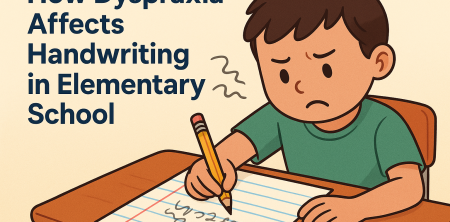
When it comes to learning, one of the most critical skills children develop in elementary school is handwriting. For many students, this is a straightforward task. However, for those with dyspraxia, the process can be a significant hurdle. Dyspraxia and handwriting intersect in complex ways, creating challenges that are often misunderstood. This article explores the impact of dyspraxia on handwriting skills in elementary school students, offering insights, strategies, and support systems to help educators and parents.
What Is Dyspraxia?
Dyspraxia, also known as Developmental Coordination Disorder (DCD), is a neurodevelopmental disorder that affects physical coordination and movement. While it varies in severity, one of its hallmark features is difficulty in performing coordinated movements, including those required for writing. This condition often becomes apparent in early childhood and can persist into adulthood.
Dyspraxia affects individuals differently; some may struggle with fine motor skills, while others may have challenges with gross motor skills like running or jumping. However, for many children, the challenges associated with dyspraxia and handwriting are pronounced, impacting their academic performance and self-esteem.
The Connection Between Dyspraxia and Handwriting
Handwriting is a complex skill that requires the integration of sensory, motor, and cognitive functions. For children with dyspraxia, this integration is often disrupted. They may exhibit difficulties with grip, pressure, letter formation, and maintaining consistent spacing. As a result, their handwriting can appear messy and illegible, which can be frustrating for both the child and their teachers.
Understanding this connection is crucial for educators. Children with dyspraxia may struggle with:
- Fine motor skills: Children with dyspraxia often have weak hand muscles, making it hard to control writing instruments.
- Spatial awareness: These children may have trouble understanding where to place their letters on the page, leading to inconsistent spacing.
- Letter formation: The complexities of forming letters can be overwhelming, resulting in awkward or incorrect shapes.
Signs of Dyspraxia in Handwriting
Identifying dyspraxia in children can be challenging, especially since symptoms vary widely. However, several signs can indicate that a child may struggle with dyspraxia and handwriting:
- Inconsistent handwriting quality: A child's handwriting may vary greatly from day to day, making it hard to assess their actual progress.
- Poor grip: Children with dyspraxia may hold their pencils or crayons too tightly or too loosely, affecting their control.
- Difficulty with writing speed: Children may write significantly slower than their peers, making it challenging to keep up with classroom activities.
- Frequent erasing or crossing out: These children may struggle to get their letters right the first time, leading to constant corrections.
Impact on Academic Performance
The implications of dyspraxia extend beyond handwriting. Children with this condition may face academic challenges that can affect their overall learning experience. Poor handwriting can lead to difficulties in completing assignments, taking notes, and participating in class activities. This can result in:
- Lower grades: Teachers may misinterpret messy handwriting as a lack of knowledge or effort.
- Frustration and anxiety: Struggling with handwriting can diminish a child's confidence and willingness to participate.
- Social challenges: Difficulty in academic settings can lead to feelings of isolation and hinder social interactions with peers.
Strategies for Supporting Children with Dyspraxia
To support children experiencing difficulties due to dyspraxia, teachers and parents must implement effective strategies tailored to individual needs. Here are some practical approaches to enhance handwriting skills:
- Occupational therapy: Working with an occupational therapist can help children improve fine motor skills and develop better handwriting techniques.
- Use of adaptive tools: Tools such as pencil grips, weighted pencils, or slant boards can enhance grip and control.
- Incorporate technology: Allowing children to use tablets or computers for writing can provide an alternative that may reduce frustration.
- Practice and repetition: Encourage regular practice but ensure that it’s engaging — using fun games or activities can alleviate pressure.
- Multi-sensory learning: Engaging multiple senses during practice can help reinforce handwriting skills. For instance, children might write letters in sand or use finger paint to form letters.
The Role of Educators
Teachers play a crucial role in recognizing and supporting students with dyspraxia. Professional development on learning differences can equip educators with tools to create an inclusive classroom environment. Here are a few key responsibilities educators should embrace: (See: Learning Disabilities by WHO.)
- Observe and assess: Regularly monitor students’ handwriting and be alert for signs of dyspraxia.
- Provide modifications: Adjust assignments based on individual capabilities, allowing students to demonstrate understanding in various ways.
- Foster a supportive environment: Encourage peer assistance and create opportunities for students to share their challenges without stigma.
- Encourage open communication: Establish a dialogue with students about their handwriting difficulties and involve them in finding solutions.
Parental Involvement
Parents can also play a pivotal role in supporting their child’s handwriting development. Open communication with teachers, consistent practice at home, and seeking additional resources can make a significant difference. Here are a few tips for parents:
- Establish a routine: Create a designated time and space for handwriting practice, making it a part of the daily routine.
- Be patient and encouraging: Celebrate small victories to boost confidence and motivation.
- Explore resources: Look for books, apps, or websites that focus on improving handwriting skills.
- Use everyday opportunities: Encourage writing during daily activities, such as making a grocery list or writing thank-you notes, to make it more meaningful.
Long-Term Implications
The challenges posed by dyspraxia and handwriting can have long-reaching effects. Children who struggle with these aspects may find difficulties that persist into later stages of education and beyond. However, with early intervention and ongoing support, many individuals learn to manage their symptoms effectively.
Some long-term implications may include:
- Career challenges: Jobs that require extensive writing may be particularly daunting for individuals with a history of dyspraxia.
- Self-esteem issues: Continuous struggles with writing can affect a person’s self-image and confidence in their abilities.
- Continued support: Many individuals benefit from adaptive strategies and continued practice as they transition into adulthood.
- Social perception: The way others perceive handwriting can lead to misconceptions about a person's intelligence or capabilities, impacting personal and professional relationships.
Current Relevance and Research
As awareness of dyspraxia grows, so does research aimed at understanding and supporting affected individuals. Recent studies have focused on the neurological aspects of dyspraxia, exploring how brain development impacts motor skills and, consequently, handwriting. Advances in technology are also paving the way for innovative teaching methods, allowing for more personalized learning experiences.
One promising area of research is the use of digital tools to enhance the educational experience for children with dyspraxia. Tablets equipped with handwriting apps allow students to practice writing in a less pressured environment. These tools can offer feedback and allow for adjustments in real-time, improving learning outcomes.
Additionally, research into the effects of exercise on children with dyspraxia suggests that regular physical activity not only improves coordination but may also have a positive impact on concentration and cognitive skills, which are crucial for learning to write.
Expert Perspectives on Dyspraxia and Handwriting
Experts in child development and special education emphasize the importance of tailored approaches for children with dyspraxia. Dr. Emily Thompson, a pediatric occupational therapist, notes that "handwriting difficulties often overshadow the intelligence and creativity of children with dyspraxia." She advocates for multi-sensory approaches that engage children through visual, tactile, and kinesthetic activities, making learning more accessible and enjoyable.
Educational psychologist Dr. John Anderson suggests that integrating play into learning can be particularly beneficial. "Using building blocks to enhance fine motor skills can translate into better handwriting. It's all about making the process fun and less daunting," he explains.
Additionally, experts recommend self-advocacy as an essential skill. Teaching children how to communicate their needs regarding their handwriting challenges can empower them and foster independence. This self-awareness can ease the pressure they may feel in academic settings.
Dr. Rachel Morgan, a clinical psychologist, emphasizes the importance of emotional support. “Children with dyspraxia often face significant emotional challenges due to their difficulties. Parents and educators should focus on building resilience and emotional intelligence to help these children cope effectively,” she states. (See: Facts about Dyspraxia from CDC.)
Examples of Effective Handwriting Programs
There are various programs designed specifically to enhance handwriting skills in children with dyspraxia. Here are a few noteworthy programs:
- Handwriting Without Tears: This program uses a multi-sensory approach to teach handwriting. It includes engaging materials that help children learn through play.
- Write On!: A program that incorporates games and physical activities, promoting fine motor skills through movement, which can enhance handwriting development.
- OT Toolbox: Offers a variety of resources and activity ideas tailored to developing fine motor skills, which are crucial for effective handwriting.
- Learn to Letter: This app is designed for children to practice their handwriting using interactive activities that adapt to their level.
- WriteStart: A program that focuses on handwriting through holistic methods, integrating art and movement into writing tasks.
These programs can be used in conjunction with individualized strategies to provide a comprehensive approach to improving handwriting for children with dyspraxia.
Comparing Traditional vs. Alternative Writing Methods
When it comes to teaching handwriting to children with dyspraxia, educators and parents often debate the effectiveness of traditional pen-and-paper methods versus alternative approaches like typing or using tablets. Traditional handwriting practices can be beneficial in fostering fine motor skills and muscle memory. However, they can also be frustrating for children with dyspraxia, leading to avoidance of writing tasks altogether.
On the other hand, typing allows for quicker expression of thoughts without the physical constraints of handwriting. Research shows that children who struggle with handwriting may perform better in written assignments when using a keyboard. A study from the University of Washington indicated that students with learning difficulties, including dyspraxia, showed improved written output and greater engagement when using laptops instead of handwritten assignments.
Ultimately, the choice between traditional and alternative methods should be based on individual needs. A combination approach can be effective, allowing children to practice handwriting while also providing opportunities for typing as a means of expression. It’s also important to consider the long-term goal of developing writing skills and confidence, regardless of the method used.
Frequently Asked Questions (FAQ)
What are the common misconceptions about dyspraxia?
Many people believe that dyspraxia only affects motor skills, but it can also impact cognitive processes, emotional regulation, and social interactions. Understanding that it is a multi-faceted disorder helps foster empathy and better support for those affected.
How is dyspraxia diagnosed?
Diagnosis typically involves a comprehensive evaluation by a multidisciplinary team, including pediatricians, occupational therapists, and educational psychologists. They assess motor skills, cognitive abilities, and academic performance.
Can children outgrow dyspraxia?
While some children may show improvement in their symptoms as they grow older, dyspraxia is often a lifelong condition. Early intervention and continuous support can significantly help individuals manage their challenges more effectively. (See: Learning Disorders Treatment by NIH.)
Are there specific games that can help improve handwriting skills?
Yes! Activities such as tracing letters in sand, using playdough to form letters, or playing games that require fine motor skills (like building with blocks) can be beneficial for improving handwriting in children with dyspraxia.
What role does diet play in managing dyspraxia symptoms?
While diet alone cannot cure dyspraxia, a balanced diet can support overall brain health. Omega-3 fatty acids, found in fish and flaxseeds, are often recommended to promote cognitive function and may have a positive impact on motor skills as well.
How can I help my child feel less anxious about writing?
Encouraging a growth mindset is key. Focus on effort rather than perfection, and provide a safe space for your child to express their feelings about writing. Incorporate fun writing activities and celebrate progress no matter how small to help reduce anxiety around the task.
What should I look for in an occupational therapist for my child?
Look for an occupational therapist who specializes in pediatric care and has experience working with children with dyspraxia. They should employ multi-sensory techniques and have a supportive approach to engage your child in therapy.
Are there online resources for parents of children with dyspraxia?
Yes, many organizations and websites provide valuable information, resources, and support groups for parents. Websites like the Dyspraxia Foundation offer guides, articles, and forums for parents to share experiences and strategies.
Conclusion: Building a Supportive Foundation
In navigating the challenges of dyspraxia and handwriting, understanding and support from both educators and parents are paramount. By recognizing the signs early, implementing effective strategies, and fostering an environment of encouragement, we can help children with dyspraxia succeed in developing their handwriting skills. While the journey may be fraught with challenges, it’s important to remember that with the right tools and support, children can flourish and develop the confidence they need to express themselves through writing.
```
Trending Now
Frequently Asked Questions
What are the symptoms of dyspraxia in children?
Symptoms of dyspraxia in children include difficulties with coordination and movement, poor fine motor skills, challenges in writing or using utensils, and issues with spatial awareness. These symptoms can affect daily activities and academic performance, leading to frustration and low self-esteem.
How does dyspraxia affect handwriting?
Dyspraxia affects handwriting by disrupting the integration of sensory, motor, and cognitive functions. Children may struggle with grip, pressure, letter formation, and spacing, resulting in messy and illegible handwriting, which can impact their academic success.
What strategies can help children with dyspraxia improve their handwriting?
Strategies to help children with dyspraxia include using thicker pencils for better grip, practicing handwriting with adaptive tools, implementing fine motor skill exercises, and providing additional time for writing tasks. Creating a supportive environment with encouragement can also enhance their confidence and performance.
Can dyspraxia be diagnosed in elementary school?
Yes, dyspraxia can be diagnosed in elementary school. Early identification is crucial for implementing effective interventions. Teachers and parents should be aware of the signs and seek evaluation from a healthcare professional if they notice significant difficulties in coordination and motor skills.
What support can teachers provide to students with dyspraxia?
Teachers can support students with dyspraxia by adapting classroom activities, providing alternative writing tools, allowing extra time for assignments, and incorporating multi-sensory learning approaches. Understanding the unique challenges these students face can lead to tailored support that enhances their educational experience.
What's your take on this? Share your thoughts in the comments below — we read every one.

