```html
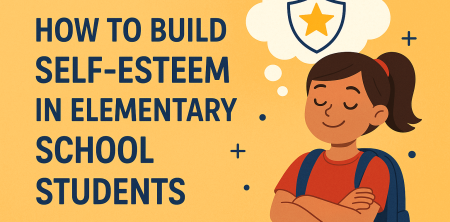
Building self-esteem in students, particularly in elementary school, is crucial for their personal development and academic success. Research shows that children with healthy self-esteem are more likely to engage in school activities, persevere through challenges, and form positive relationships with peers. However, many educators and parents find it challenging to foster this essential trait in young learners. In this article, we’ll explore seven effective strategies that can help you build self-esteem in elementary school students, ensuring they develop into confident, capable individuals.
1. Encourage Positive Self-Talk
One of the most powerful ways to build self-esteem in students is by teaching them the importance of positive self-talk. Children often internalize messages they hear from peers and adults, which can significantly influence their self-perception. To counteract negative thoughts, encourage students to practice affirmations that highlight their strengths and successes.
For instance, you might guide kids through exercises where they write down three things they like about themselves or achievements they’re proud of. Incorporating this practice into daily routines can help reinforce positive self-talk. Teachers can introduce this during morning meetings or as part of a weekly reflection, making it a regular part of the students’ lives.
2. Set Achievable Goals
Helping students set and achieve realistic goals is another effective method to build self-esteem. When children accomplish even small tasks, it instills a sense of accomplishment that enhances their self-worth. Encourage students to set specific, measurable, achievable, relevant, and time-bound (SMART) goals that align with their abilities and interests.
For example, a student struggling with reading might set a goal to read one book a month. When they achieve this goal, celebrate their success to reinforce their capability. Incorporating a goal-setting framework not only helps students feel competent but also teaches them important life skills in planning and self-management.
3. Provide Constructive Feedback
Feedback is essential for growth, but the manner in which it is delivered can significantly affect a student’s self-esteem. Instead of focusing solely on what a student did wrong, aim for constructive feedback that acknowledges effort and progress. For instance, praise the student for their hard work before suggesting areas for improvement.
This approach fosters a growth mindset, encouraging students to view challenges as opportunities to learn rather than as failures. By shifting the focus from performance to effort, you help students understand that their abilities can grow with practice, which is a fundamental concept in building self-esteem.
4. Create a Supportive Environment
A supportive classroom environment is vital for boosting self-esteem in students. When children feel safe and valued, they are more likely to express themselves and take risks in their learning. Establishing classroom norms that promote kindness, respect, and inclusivity lays the groundwork for a positive atmosphere.
Implementing group activities and collaborative projects can also enhance a sense of community. When students work together towards common goals, they build friendships and learn to appreciate diverse perspectives, further reinforcing their self-worth through peer validation.
5. Model Self-Confidence
Students often look to their teachers as role models, which makes it essential for educators to exhibit self-confidence. When teachers display confidence in their abilities and approach challenges with a positive attitude, it sets a powerful example for students. Share your own experiences of overcoming obstacles to demonstrate resilience and self-belief. (See: CDC resources on self-esteem in youth.)
Additionally, using positive language and maintaining an encouraging demeanor can inspire students to adopt a similar mindset. Your attitude and behavior can significantly influence how they view themselves and their potential. Remember, confidence is contagious! (teacher feedback impact)
6. Encourage Participation in Extracurricular Activities
Extracurricular activities provide students with opportunities to explore their interests and develop new skills, both of which are essential for building self-esteem. Encourage students to participate in various clubs, sports, or artistic endeavors that align with their passions. When students engage in activities they love, they often discover hidden talents and develop a sense of belonging.
Participation also fosters teamwork and leadership skills, allowing students to gain recognition for their contributions. Highlighting individual and team achievements during school events or announcements can further bolster their self-esteem, reinforcing that their efforts are valued by the community.
7. Build Resilience Through Challenges
Lastly, teaching students how to cope with setbacks is crucial for building lasting self-esteem. Life is full of challenges, and equipping children with resilience skills can help them face adversity without losing confidence. Encourage them to view mistakes as learning opportunities rather than failures.
Incorporate discussions about famous figures who faced challenges but persevered—such as authors, scientists, or athletes. By sharing these stories, you help students understand that everyone encounters obstacles. This perspective fosters resilience and reassures them that they can overcome difficulties, ultimately strengthening their self-esteem.
Understanding the Role of Parental Involvement
Parental involvement plays a critical role in a child’s self-esteem development. When parents engage positively with their children, offering support and encouragement, it significantly impacts the children’s confidence. Regular communication about their day, acknowledging their feelings, and discussing their experiences can help children feel validated and loved.
Moreover, parents can reinforce the strategies taught in school. For instance, they can help children set goals at home, practice positive self-talk, or provide constructive feedback on homework. By maintaining consistency between the messages children receive at home and school, you can create a cohesive support system.
According to a study published in the Journal of Child Psychology and Psychiatry, children whose parents are actively involved in their education demonstrate higher self-esteem and better academic performance. This underscores the importance of collaboration between educators and parents in fostering a nurturing environment for self-esteem growth.
Leveraging Technology for Self-Esteem Building
In today’s digital age, technology can be a powerful ally in building self-esteem in students. Various apps and online platforms are designed to promote positive self-affirmations, mindfulness, and mental well-being. For example, apps like ThinkUp allow users to record their affirmations and listen to them daily, reinforcing positive self-talk habits.
Additionally, online communities can provide students a space to share their achievements and challenges, gaining support from peers. Virtual workshops and webinars on topics like self-confidence and emotional intelligence can also be beneficial. However, it’s essential to monitor screen time and ensure students are engaging with constructive and positive content.
Statistics show that nearly 60% of students feel pressure to present a certain image online. Teaching students to manage their online presence and understand the difference between reality and social media portrayals can also contribute to healthier self-esteem. By promoting digital literacy and self-awareness, we can help students navigate the challenges of the online world. (See: NIH insights on building self-esteem.)
Real-Life Success Stories
To better illustrate the impact of these strategies, consider the story of a student named Sarah. Sarah struggled academically, which led to a dip in her self-esteem. Her teacher implemented a goal-setting framework, where Sarah set a manageable goal of completing her homework on time for a week. With encouragement and positive feedback, Sarah achieved her goal and began to see herself as capable. Over time, her confidence grew, and she eventually took on more challenging tasks, becoming a leader in group activities.
This transformation was not just about academic success; it was about building a resilient mindset. Sarah learned to embrace challenges instead of shying away from them, demonstrating how powerful self-esteem can be in shaping a student’s overall experience.
FAQs About Building Self-Esteem in Students
1. What are some signs of low self-esteem in students?
Signs of low self-esteem can include frequent negative self-talk, reluctance to participate in class, avoidance of challenges, and difficulty forming friendships. If a child consistently expresses feelings of worthlessness or inadequacy, it may indicate low self-esteem.
2. How can teachers involve parents in building their child’s self-esteem?
Teachers can involve parents by hosting workshops, creating newsletters with tips on fostering self-esteem at home, or organizing events that encourage family participation. Regular communication about the child’s progress and areas of improvement can also help parents feel engaged and informed.
3. Are there specific activities that can help boost self-esteem?
Yes! Activities like group projects, peer mentoring, and talent showcases can be great for building self-esteem. Encouraging students to share their hobbies and talents in front of their peers can help them feel appreciated and recognized.
4. Can self-esteem be improved in older students?
Absolutely! While the strategies discussed primarily target younger students, older students can also benefit from goal-setting, positive feedback, and resilience training. It’s crucial to adapt these strategies to be age-appropriate, using more sophisticated discussions and activities.
5. How long does it take to build self-esteem?
Building self-esteem is a gradual process and varies for each child. Depending on individual experiences and the consistency of supportive strategies, it may take weeks or even months to see significant changes. The key is to remain patient and persistent.
Common Misconceptions About Self-Esteem
There are several misconceptions surrounding the concept of self-esteem that can hinder effective strategies for building it in students. One common myth is that self-esteem should be built primarily through praise. While positive reinforcement is important, over-praising can lead to students developing an inflated sense of self-worth, which may not be sustainable when they face real-world challenges.
Another misconception is that self-esteem is solely an individual trait. In reality, it is deeply influenced by social interactions and environmental factors. Supportive relationships and a nurturing environment play a huge role in helping students build their self-esteem. Teachers and parents should emphasize collaboration and community, demonstrating that self-esteem is not just about personal achievements but also about the connections we make with others.
Building Self-Esteem Through Community Service
Community service can also serve as a powerful tool for fostering self-esteem in students. When students engage in volunteer work, they not only contribute to their community but also gain a sense of purpose and pride in their actions. Participating in service projects helps students realize their ability to make a positive impact, which in turn can build their self-worth.
For instance, organizing a school clean-up day, working at a local food bank, or participating in fundraising events can provide students with opportunities to collaborate with peers while learning valuable lessons about empathy and social responsibility. These experiences can help students see their potential to contribute meaningfully, reinforcing their self-esteem.
Integrating Mindfulness Practices
Mindfulness practices are becoming increasingly popular in educational settings for their potential to enhance emotional well-being and self-esteem. Activities such as meditation, deep breathing exercises, and yoga can help students become more aware of their thoughts and feelings, reducing anxiety and promoting a positive self-image.
For example, starting each day with a short mindfulness session can help students center themselves, clear their minds, and approach their tasks with a more calm and confident demeanor. Mindfulness also assists students in recognizing their strengths and achievements, further contributing to their self-esteem. Schools can collaborate with mental health professionals to introduce tailored mindfulness programs that fit the unique needs of their students.
Statistics on Self-Esteem in Students
Understanding the statistics surrounding self-esteem can shed light on its significance in education. Research indicates that approximately 70% of students experience low self-esteem at some point during their academic journey. This low self-esteem often correlates with negative outcomes such as academic underachievement, behavioral issues, and even mental health challenges.
According to a study by the American Psychological Association, children with high self-esteem are more likely to excel academically and socially. They tend to set higher goals for themselves and are more resilient in the face of adversity. By prioritizing self-esteem in educational strategies, we can proactively address potential issues before they escalate, creating a healthier, more supportive learning environment for all students.
Practical Steps for Educators
Educators can take several practical steps to create an environment that promotes self-esteem among students. Here are a few actionable ideas:
- Start Each Class with Positivity: Begin each lesson with a positive quote or affirmation to set a constructive tone for the class.
- Implement a ‘Mistake Wall’: Create a space where students can share their mistakes and what they learned from them, reinforcing the idea that mistakes are a part of the learning process.
- Facilitate Peer Support Groups: Encourage students to work in pairs or small groups to foster collaboration and support, helping them build confidence through shared experiences.
- Regular Check-Ins: Schedule regular one-on-one check-ins with students to discuss their goals, feelings, and any challenges they may be facing.
Conclusion
Building self-esteem in students is not just an academic concern; it’s a fundamental aspect of their overall development. By implementing these seven strategies—encouraging positive self-talk, setting achievable goals, providing constructive feedback, creating a supportive environment, modeling self-confidence, encouraging participation in extracurricular activities, and building resilience through challenges—you can help foster a strong sense of self-worth in your students. As they grow into confident individuals, they will be better equipped to navigate life’s challenges and pursue their dreams.
```
Trending Now
Frequently Asked Questions
How can teachers help build self-esteem in students?
Teachers can build self-esteem in students by encouraging positive self-talk, setting achievable goals, and celebrating their successes. Integrating activities that promote self-reflection and recognition of strengths can significantly enhance students' self-worth and confidence.
What are some activities to boost self-esteem in elementary students?
Activities such as writing affirmations, setting SMART goals, and engaging in group discussions about personal strengths can effectively boost self-esteem in elementary students. These practices encourage self-reflection and help children recognize their accomplishments.
Why is self-esteem important for elementary school students?
Self-esteem is crucial for elementary school students as it influences their academic success, social interactions, and resilience in facing challenges. Children with healthy self-esteem are more likely to participate in school activities and form positive relationships with peers.
What role does positive self-talk play in building self-esteem?
Positive self-talk plays a significant role in building self-esteem by helping children counter negative thoughts. Teaching students to practice affirmations and focus on their strengths enhances their self-perception and encourages a more positive outlook on their abilities.
How can parents support their child's self-esteem development?
Parents can support their child's self-esteem development by fostering an environment of encouragement, celebrating achievements, and promoting positive self-talk. Engaging in discussions about feelings and reinforcing their child's strengths can also enhance their self-worth.
What's your take on this? Share your thoughts in the comments below — we read every one.

