```html
In today’s diverse classrooms, understanding the multiple learning styles in education has become more essential than ever. Each child comes with a unique set of strengths, preferences, and ways of processing information, which can significantly impact their learning experience. Educators play a crucial role in recognizing and adapting to these various styles to foster a more inclusive and effective learning environment.
The Concept of Learning Styles
The concept of learning styles gained traction in the late 20th century, with various theories emerging to categorize how individuals absorb information. Some popular models include Howard Gardner's Theory of Multiple Intelligences, which identifies eight distinct intelligences ranging from linguistic to interpersonal, and Neil Fleming's VARK model, which categorizes learners into Visual, Auditory, Reading/Writing, and Kinesthetic styles.
Understanding these styles allows educators to tailor their teaching strategies to meet the needs of each child. For example, a student who excels in the visual learning style may thrive when presented with charts and diagrams, while a kinesthetic learner might benefit from hands-on activities. By acknowledging these differences, teachers can enhance engagement and retention of information.
The Importance of Recognizing Learning Styles in Elementary Education
Elementary school serves as the foundation of a child's educational journey. During these formative years, children develop critical cognitive skills, social behaviors, and emotional intelligence. Recognizing multiple learning styles in education at this stage can have lasting effects on a student's academic journey.
Research shows that when instruction aligns with a child’s preferred learning style, it can boost motivation, participation, and overall academic performance. For example, a study conducted by the University of California found that students who engaged in instructional methods that matched their learning styles performed significantly better on assessments than those who didn't. This highlights the importance of adaptive teaching methods that cater to diverse learners.
Practical Strategies for Teaching to Multiple Learning Styles
Implementing multiple learning styles in the classroom doesn’t have to be overwhelming. Here are some practical strategies that educators can adopt to create a more inclusive learning environment:
- Diverse Instructional Methods: Use a variety of teaching methods such as lectures, group discussions, hands-on activities, and multimedia presentations. This approach ensures that visual, auditory, and kinesthetic learners all have opportunities to engage.
- Flexible Grouping: Organize students into diverse groups based on their learning styles for specific activities. This promotes collaboration and allows students to learn from each other’s strengths.
- Learning Stations: Set up learning stations that focus on different styles. For instance, one station could feature visual aids, another could involve auditory resources like podcasts, and a third could include physical activities.
- Choice Boards: Provide students with a menu of options for completing assignments or projects, allowing them to select the method that best suits their learning style.
The Role of Technology in Supporting Learning Styles
Incorporating technology into the classroom can greatly enhance the teaching of multiple learning styles. Digital tools provide endless opportunities for personalized learning experiences. For instance:
- Interactive Software: Programs like Quizlet and Kahoot! allow for gamified learning experiences, appealing to kinesthetic and auditory learners.
- Video Content: Platforms like YouTube and educational apps can provide visual learners with engaging video content that illustrates complex concepts.
- Online Forums: Virtual discussion boards enable students to communicate and share ideas, benefiting those with interpersonal learning preferences.
- Adaptive Learning Platforms: Programs such as DreamBox and IXL adapt lessons to each student’s individual learning pace and style, offering a personalized approach to instruction.
Challenges of Implementing Multiple Learning Styles
While the idea of teaching to multiple learning styles is appealing, it’s essential to acknowledge the challenges that educators may face. One significant obstacle is the misconception that students fall strictly into one learning category. In reality, most children exhibit a blend of styles, making it difficult for teachers to pinpoint the best approach for each individual.
Additionally, the pressure of standardized testing can limit teachers’ flexibility in implementing varied teaching methods. With strict curriculums focusing on measurable outcomes, educators may feel compelled to stick to traditional teaching strategies that do not accommodate diverse learning preferences.
Moreover, not all schools have access to the resources necessary to effectively implement multiple learning styles in education. Budget constraints may hinder the ability to integrate technology, diverse materials, and training for teachers, creating disparities in educational quality. (See: Learning styles overview on Wikipedia.)
Real-World Examples of Effective Implementation
Numerous schools have successfully integrated the concept of multiple learning styles into their classrooms. For instance, the Montessori method emphasizes hands-on, experiential learning, allowing children to explore concepts through activities tailored to their interests and learning styles. This approach has proven effective in fostering independence and critical thinking skills.
Another example is the use of the Responsive Classroom approach, which focuses on creating a safe and engaging environment through social-emotional learning and active teaching strategies. Teachers using this method often incorporate various modalities into their lessons, addressing different learning preferences and enriching students’ educational experiences.
Furthermore, schools adopting the Project-Based Learning (PBL) model encourage students to engage in real-world projects that require collaboration, problem-solving, and critical thinking. By working in teams, students with different learning styles can contribute their strengths, making the learning process more holistic and effective.
Training and Professional Development for Educators
To effectively implement multiple learning styles in education, it's crucial for teachers to receive ongoing training and support. Professional development programs that focus on differentiated instruction can equip educators with the necessary skills to recognize and address the various learning preferences of their students.
Workshops and seminars led by experts in educational psychology and pedagogy can provide teachers with insights into the latest research and strategies for adapting their instruction. Additionally, mentoring programs that pair experienced educators with newcomers can foster collaboration and sharing of best practices.
Moreover, creating a culture of reflection within schools encourages teachers to assess their teaching methods and consider how they can better accommodate diverse learners. This continuous improvement mindset is essential for ensuring that all students receive the support they need to thrive.
The Future of Learning Styles in Education
As we move forward, the conversation around multiple learning styles in education will continue to evolve. Innovations in educational technology and neuroscience are providing deeper insights into how students learn, helping to refine and redefine our understanding of learning styles.
Furthermore, the increasing emphasis on social-emotional learning (SEL) and inclusivity in classrooms will encourage educators to adopt holistic approaches that cater to the emotional and cognitive needs of all students. As schools work towards creating more equitable environments, recognizing and addressing multiple learning styles will remain a priority.
Understanding the Neuroscience Behind Learning Styles
Recent studies in neuroscience have begun to shed light on how different learning styles can affect brain function and retention. For example, research indicates that visual learners often engage the occipital lobe, which processes visual information, while auditory learners may activate different areas involved in sound processing. Kinesthetic learners tend to engage more motor-related areas of the brain, underscoring the importance of movement in their learning process.
This understanding points to the necessity of incorporating diverse teaching methods that stimulate different areas of the brain, enabling educators to cater to the varying ways students interact with information. For instance, a study by the American Psychological Association found that students who were taught using a multimodal approach that combined visual, auditory, and kinesthetic elements exhibited higher levels of retention and understanding compared to those who received instruction through a single mode. This suggests that a one-size-fits-all approach may be less effective than a blended strategy.
Statistics on Learning Styles and Academic Performance
Data on the effectiveness of teaching to various learning styles reveals significant trends. According to a meta-analysis published in the journal Educational Psychologist, students’ academic achievements improved by an average of 30% when instruction was tailored to their learning preferences. Additionally, a survey conducted by the National Education Association found that 75% of teachers believe that understanding student learning styles is essential for effective teaching. This reinforces the idea that recognizing and adapting to learning styles is not just beneficial but necessary in today’s educational landscape. (See: U.S. Department of Education on learning styles.)
Comparing Learning Styles: A Closer Look at VARK
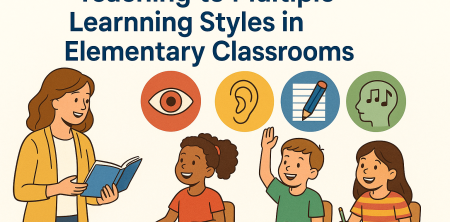
The VARK model categorizes learners into four main types: Visual, Auditory, Reading/Writing, and Kinesthetic. Let’s break down each style for better understanding:
- Visual Learners: These students learn best when they can see information presented visually. Charts, diagrams, and videos resonate with them. For instance, a history lesson that incorporates timelines and maps can significantly enhance their understanding.
- Auditory Learners: Students who fall into this category excel when they hear information. Group discussions, lectures, and audio recordings are effective for them. Incorporating storytelling techniques in lessons can help these learners grasp concepts more deeply.
- Reading/Writing Learners: These learners prefer engaging with text-based material. They thrive on reading assignments and written exercises. Providing them with articles, essays, and opportunities for written reflections can reinforce their learning.
- Kinesthetic Learners: These students learn by doing. They benefit from hands-on activities, experiments, and movement. For example, incorporating role-play into a science lesson can help reinforce concepts effectively through physical engagement.
By recognizing these differences, educators can create lesson plans that cater to all types of learners, ensuring that every student has the opportunity to succeed.
Frequently Asked Questions About Learning Styles
What are the main theories of learning styles?
Two of the most well-known theories are Howard Gardner's Theory of Multiple Intelligences, which identifies various types of intelligences, and Neil Fleming’s VARK model, which categorizes learning preferences into four main types.
How can I determine my child's learning style?
Observing how your child learns best can provide insights into their learning style. Take note of their preferences in activities, whether they like to draw (visual), listen to stories (auditory), read books (reading/writing), or engage in physical activities (kinesthetic).
Are learning styles fixed or can they change over time?
Learning styles can evolve based on experiences and educational exposure. While a student may favor one style at a certain age, they may develop preferences for others as they encounter diverse teaching methods and learning opportunities.
What role does motivation play in learning styles?
Motivation is crucial in learning. When instruction aligns with a student's preferred style, they are more likely to be engaged and motivated to learn. Conversely, when teaching methods do not match their styles, students may struggle with motivation and engagement.
Can teachers effectively address multiple learning styles in a large classroom setting?
Yes, though it may be challenging, teachers can implement strategies such as flexible grouping, choice boards, and learning stations to address various styles in a single lesson. Utilizing technology can also facilitate personalized learning experiences for different learners.
Integrating Social-Emotional Learning with Learning Styles
Another layer to consider is the integration of social-emotional learning (SEL) with multiple learning styles. As educators recognize the importance of emotional intelligence in academic success, aligning SEL with learning styles can create a more holistic educational experience. For instance, students who learn better through interpersonal interactions (often seen in auditory learners) can benefit from collaborative SEL activities that emphasize teamwork and communication skills.
By embedding SEL into lessons tailored to different learning styles, educators can foster a supportive environment where students feel understood and valued. Activities that encourage empathy, self-awareness, and relationship skills can be designed to complement various learning preferences, enhancing both emotional well-being and academic performance.
Case Studies on Successful Learning Style Implementation
Let’s explore some case studies that highlight schools successfully implementing teaching strategies that cater to multiple learning styles: (See: Harvard University's perspective on learning styles.)
Case Study 1: Lincoln Elementary School
Lincoln Elementary adopted a comprehensive approach to address learning styles by introducing differentiated instruction across all grades. Teachers received extensive training on how to create lesson plans that incorporate visual aids, hands-on projects, and collaborative learning experiences. After one year, the school reported a 20% increase in overall student engagement and satisfaction, as evidenced by surveys and classroom observations.
Case Study 2: Crestview High School
Crestview High initiated a mentoring program where students could select mentors based on their learning preferences. This peer-to-peer program facilitated personalized learning experiences, allowing students to engage with content in ways that resonated with them. The result was a noticeable improvement in student performance on standardized tests, especially among those who previously struggled academically.
The Global Perspective on Learning Styles
The recognition of multiple learning styles is not limited to the United States. Globally, educators are increasingly acknowledging the need for diverse teaching strategies. For instance, many countries in Europe have adopted models similar to VARK to ensure that teaching meets varying student needs. In Finland, a leader in educational reform, schools emphasize individualized learning plans that incorporate students' preferred learning styles, which has been linked to their success in international assessments.
In Asia, countries like Japan and South Korea are also beginning to recognize the importance of adjusting teaching methods to accommodate different learning styles, particularly as they face educational pressures from global competitions. Implementing diverse strategies helps students engage more deeply and develop critical thinking skills that are essential in today's world.
Conclusion: Embracing Diversity in Learning
Teaching to multiple learning styles in elementary classrooms is not just a trend; it’s a vital aspect of effective education. By acknowledging the unique ways that children learn, educators can create engaging, supportive, and inclusive environments that promote academic success for all students. Embracing diversity in learning not only nurtures individual potential but also prepares children to thrive in an increasingly complex and interconnected world.
```
Trending Now
- Unlock Your Future: Exciting Frontend Developer…
- this guide on irreversibility in preschool: why young children struggle with reversing actions
- Conservation and Logical Thinking in Middle School Students
- our breakdown of zone of proximal development in reading instruction
- Why Object Permanence Matters for Preschool Readiness
Frequently Asked Questions
What are the different learning styles in education?
The different learning styles in education include Howard Gardner's Theory of Multiple Intelligences, which identifies eight intelligences such as linguistic and interpersonal, and Neil Fleming's VARK model that categorizes learners into Visual, Auditory, Reading/Writing, and Kinesthetic styles.
Why is it important to recognize learning styles in elementary education?
Recognizing learning styles in elementary education is crucial as it helps tailor teaching strategies to individual needs, enhancing motivation, participation, and overall academic performance during these formative years.
How can teachers adapt their teaching to different learning styles?
Teachers can adapt their teaching by using various instructional methods that align with students' preferred learning styles, such as incorporating visual aids for visual learners or hands-on activities for kinesthetic learners, to improve engagement and retention.
What impact do learning styles have on student performance?
Learning styles can significantly impact student performance; when instruction aligns with a child's preferred learning style, it often leads to increased motivation, better participation, and improved academic outcomes.
What strategies can be used to teach to multiple learning styles?
Strategies for teaching to multiple learning styles include using a mix of visual aids, auditory instructions, reading materials, and kinesthetic activities, allowing educators to create a more inclusive and engaging classroom environment.
What's your take on this? Share your thoughts in the comments below — we read every one.

