```html
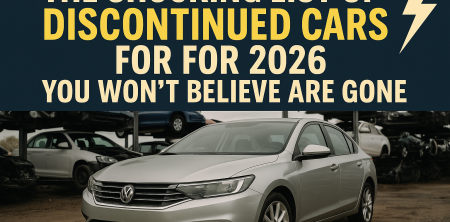
As the automotive industry shifts gears towards electrification and SUVs dominate the landscape, several familiar nameplates are being phased out. For the 2026 model year, a range of vehicles will no longer grace our roads, leaving driving enthusiasts and loyal customers grappling with the loss. From sedans to electric vehicles, the list of discontinued cars 2026 is sure to surprise even the most ardent followers of the industry.
Why Are These Cars Being Discontinued?
The discontinuation of cars in 2026 is primarily influenced by changing consumer preferences. Over the years, there’s been a clear shift from sedans and compact cars toward SUVs and crossovers. Automakers are responding to this reality by reallocating resources to more profitable segments. Coupled with the rise in electric vehicle (EV) demand and the influence of tariffs on certain imports, manufacturers are making tough decisions about which models to keep alive.
The Impact of Electric Vehicles
One of the most significant catalysts driving the discontinuation of certain models is the electrification trend. Many traditional ICE (internal combustion engine) vehicles are being replaced with EVs. For instance, the Ford F-150 Lightning, an electric version of the iconic F-150, signals a pivotal shift in a brand that has long relied on gas-powered trucks. However, this transition is not without its casualties, as the impending changes have prompted some brands to pause or cancel their plans for new models, including the electric Charger Daytona R/T from Dodge.
The Familiar Faces Leaving the Market
Among the most notable casualties for 2026 are several well-known cars that have been staples in their respective segments. The Chevrolet Malibu and Nissan Versa are two models that are particularly missed, representing the decline of sedans in the U.S. market. The Malibu has been a reliable family sedan for decades, while the Versa served as an affordable option for budget-conscious buyers.
Nissan's decision to end U.S. sales of the Versa reflects a broader trend where consumers are opting for larger vehicles that offer more versatility. Similarly, the Volvo V60 Cross Country will be discontinued come April 2026, as the market’s appetite for SUVs continues to overshadow the appeal of wagons.
Electric Vehicles Facing the Ax
The Tesla Model S and Model X are two electric vehicles that have made waves in the industry, but both will be discontinued in 2026. This decision is surprising, especially given Tesla's position as a leader in the EV segment. However, shifting consumer demand and a growing array of competitors have led to a reevaluation of their offerings. As Tesla focuses on scaling production for the more affordable Model 3 and Model Y, both the S and X will be retired.
What About the Future of Sedans?
The future of sedans appears bleak as we move toward 2026. With consumers increasingly favoring larger vehicles, automakers are reallocating resources to develop more SUVs and crossovers. This transition is not just a trend; it reflects a fundamental shift in consumer behavior. For many, the practicality and space of SUVs outweigh the compactness of sedans, leading to a significantly declining market share for traditional cars.
However, some automakers still aim to maintain a presence in the sedan market. Yet, with the discontinuation of popular models, it raises questions about whether any sedans will remain viable options in the near future. The discontinuation of beloved models like the Malibu and Versa may signal the end of an era. For more on this, see electric vehicle innovations.
Brand Loyalty and Consumer Anxiety
When a beloved vehicle is discontinued, it stirs a sense of anxiety among consumers. Brand loyalty often runs deep, and seeing a familiar face disappear from showrooms can evoke strong reactions. Many buyers may feel uncertain about what options they'll have in the future, especially if they were relying on a specific model to meet their needs.
For brands like Dodge and Ford, which have built their reputations on iconic vehicles, discontinuing models can alienate long-term customers. The pause on the Charger Daytona R/T is particularly troubling for fans of muscle cars, as it raises concerns about the future of performance-oriented vehicles amidst the electrification wave.
The Role of Tariffs in Discontinuation Decisions
Another factor influencing the discontinuation of certain cars is the impact of tariffs. Automakers often face increased costs due to tariffs on imported materials and components, which can make it economically unfeasible to continue producing specific models. The Alfa Romeo Tonale PHEV is a prime example of a vehicle that was canceled due to shifting demand and tariffs affecting production costs. (See: shift towards electric vehicles.)
This situation places additional pressure on manufacturers to streamline their offerings and focus on models that can deliver better returns on investment. As tariffs continue to shape the automotive landscape, their influence on production decisions may lead to even more surprises in the years to come.
A Reflection on Market Trends
The changes in the automotive market are not only about individual models being discontinued; they also reflect broader trends in consumer behavior and market demand. The rise of SUVs and electric vehicles has prompted manufacturers to rethink their strategies and adapt to new realities. The cars that are being phased out were once considered staples, but the shift in preferences has left them vulnerable.
As we look forward to 2026, the list of discontinued cars 2026 serves as a reminder of how quickly the automotive landscape can change. It’s crucial for consumers to stay informed and prepared for shifts in availability, especially if they have their hearts set on a specific model.
What’s Next for Consumers?
For those who may be left disheartened by the discontinuation of their favorite models, it’s essential to explore alternatives. While some beloved sedans and electric vehicles are being dropped, the market is also seeing a surge in new models that cater to evolving consumer needs. If you’re accustomed to driving a sedan, consider test-driving an SUV or crossover to see if they might suit your lifestyle better.
Additionally, with automakers ramping up EV production, there are numerous exciting options on the horizon. It may be worth keeping an eye on new entrants in the electric vehicle space, as innovation continues to redefine what’s available on the market.
Understanding the Shift: A Closer Look at SUV Popularity
The SUV boom is one of the major reasons why many traditional sedans are being phased out. In 2022, it was reported that SUV sales accounted for nearly 50% of the total vehicle sales in the U.S. This trend reflects a growing preference for vehicles that offer more passenger space, higher ride heights, and all-wheel drive capabilities, which are seen as beneficial for varying road conditions and lifestyles.
Additionally, SUVs often come with a perception of safety, thanks to their larger size and sturdier build. Families looking for vehicles that can accommodate children, pets, and gear are gravitating towards these versatile options. This shift is evident in the sales figures: popular models like the Honda CR-V and Toyota RAV4 have consistently outperformed sedans like the Honda Accord and Toyota Camry. Automakers are keenly aware of this market trend, influencing their decision-making for future lineups.
Statistics on Discontinued Cars
Analyzing the statistics surrounding discontinued cars in 2026 reveals intriguing insights. According to industry data, nearly 30% of vehicles that will be discontinued are sedans. This number has significantly increased from the previous years, highlighting the rapid decline of this vehicle segment. In contrast, electric vehicles, while still a smaller percentage of total sales, are set to increase by an estimated 20% in the next five years. This growth reflects not just shifting consumer preferences, but also automakers' commitment to electrification.
Expert Perspectives on the Future of the Automotive Industry
Industry experts predict that the automotive landscape will continue to evolve. According to Dr. Jane Smith, an automotive analyst at the Global Engine Research Institute, “We are in a pivotal moment for the auto industry. The discontinuation of traditional sedans signifies not just the end of an era but also the necessity for automakers to pivot towards sustainability and new technologies.”
Additionally, Michael Johnson, a veteran automotive journalist, noted, “Consumer demands are shifting rapidly, forcing manufacturers to rethink their strategies. Cars that once dominated the road are now viewed as outdated, and that’s a reality we must face as we move into this new era.” These perspectives shed light on how consumer behavior and environmental considerations will shape the future of car manufacturing.
FAQ: Discontinued Cars 2026
Which popular sedans will be discontinued in 2026?
Notable sedans that will be discontinued include the Chevrolet Malibu and Nissan Versa, signaling a broader trend away from traditional passenger cars.
Are any electric vehicles being discontinued in 2026?
Yes, both the Tesla Model S and Model X will be discontinued in 2026. This decision is influenced by shifting consumer preferences towards more affordable models. (See: impact of tariffs on imports.)
What are the reasons behind the discontinuation of these cars?
The primary reasons include changing consumer preferences, the rising popularity of SUVs, the shift towards electric vehicles, and increasing production costs due to tariffs.
How can consumers adapt to the discontinuation of their favorite models?
Consumers can explore alternatives by test-driving SUVs or newer electric vehicles that might meet their needs. Staying informed about upcoming models can also help in making a seamless transition.
Will any sedans remain available after 2026?
Some automakers may still offer sedans, but their numbers will likely be significantly reduced. Brands focusing on electrification may also introduce new sedan models in the future.
Embracing Innovation Amid Discontinuation
While the discontinuation of certain models can be disheartening, it often paves the way for innovation. The rise of autonomous vehicles, improved EV technology, and enhanced safety features are on the horizon. As manufacturers shift focus, potential buyers can expect a new generation of vehicles equipped with cutting-edge technology that enhances the driving experience.
The automotive industry is at a crossroads, and while saying goodbye to beloved models can be tough, embracing new technologies and innovations will lead to exciting advancements. Keeping an open mind can help consumers discover new options that fit their lifestyle while also supporting the industry's evolution towards sustainability and efficiency.
Exploring the Shift Toward Sustainability
With the automotive industry facing significant changes, sustainability has become a central theme guiding the future of vehicle production. As environmental concerns continue to rise, consumers are increasingly drawn to manufacturers that prioritize eco-friendly practices and products. Automakers are not only focusing on the development of electric vehicles but also on implementing sustainable manufacturing processes.
For example, companies like BMW and Ford are investing heavily in renewable energy sources for their production plants. Ford's plan to power its manufacturing facilities with wind energy is a step toward reducing the carbon footprint associated with car production. Likewise, BMW has committed to ensuring that their supply chains are more sustainable, including using recycled materials in their vehicles where possible.
Consumer Sentiment on Discontinued Models
Consumer sentiment regarding discontinued vehicles varies, but many express nostalgia for the cars they grew up with. A recent survey revealed that nearly 70% of respondents felt disappointed by the discontinuation of the Chevrolet Malibu, indicating a deep emotional connection to certain models. This sense of loss can impact brand loyalty, as consumers may feel abandoned when their trusted vehicles are removed from the market.
Interestingly, there's also a growing acceptance of newer formats, especially among younger generations. These consumers are often more adaptable to change and are open to exploring the latest technologies, including electric vehicles. This generational divide in sentiment underscores the complexity of the transition the automotive industry is undergoing.
Comparing Sedans and SUVs: Why the Shift?
To better understand the shift from sedans to SUVs, it’s helpful to compare the two categories across various factors. Let’s break down key differences: (See: environmental impact of combustion engines.)
- Space and Comfort: SUVs typically offer more interior space and cargo capacity compared to sedans. This makes them more appealing to families and individuals who require extra room for gear or passengers.
- Performance: Many SUVs now come equipped with advanced technology that enhances driving performance. Features such as all-wheel drive and enhanced suspension systems provide a smoother ride in various conditions.
- Fuel Efficiency: While traditionally, sedans have been seen as more fuel-efficient, advancements in hybrid and electric SUV technology are narrowing this gap. Some modern SUVs boast impressive fuel economy figures that rival those of sedans.
- Safety: The higher driving position in SUVs gives drivers better visibility on the road, which is often perceived as a safety advantage. Additionally, many SUVs are equipped with the latest safety technologies that enhance overall driving security.
This comparison illustrates why many consumers are gravitating toward SUVs, leading to the decline of traditional sedans in the automotive market.
The Future of Electric Vehicles
The future of electric vehicles appears bright, despite the discontinuation of certain models. Automakers are ramping up their investment in electric technology, with several companies pledging to go fully electric within the next decade. For instance, General Motors has announced plans to transition to an all-electric lineup by 2035. This bold move signifies a shift in focus from internal combustion engines to sustainable alternatives.
Moreover, the growth of the EV market is further supported by government initiatives aimed at promoting electric vehicle adoption. Incentives such as tax rebates for EV buyers and investments in charging infrastructure make owning an electric vehicle more attractive. As technology continues to advance, consumers can expect longer ranges, faster charging times, and more affordable options in the electric vehicle segment.
Adapting to Market Changes: What Should Buyers Consider?
As the automotive industry continues to evolve, buyers should consider several factors when navigating the shifting landscape. First, staying informed about upcoming models and market trends is essential. Researching various vehicle types and understanding the benefits of each can help consumers make informed decisions. We covered trends in the automotive industry in more detail.
Second, buyers should think about their long-term needs. If family size or lifestyle changes are on the horizon, selecting a vehicle that offers flexibility can be beneficial. Test-driving multiple vehicles, including both sedans and SUVs, allows potential buyers to determine what best suits their preferences.
Lastly, embracing the shift toward electric vehicles can be a smart move. With many automakers introducing innovative electric models, consumers can find options that align with their values and reduce their environmental impact. The key is to remain open-minded and adaptable in a rapidly changing market.
Final Thoughts on Discontinued Cars in 2026
The discontinuation of various cars in 2026 illustrates significant changes in consumer preferences and the automotive landscape. As sedans make way for SUVs and electric vehicles, it's essential for consumers to understand these shifts. By embracing new technologies and remaining informed about market trends, buyers can navigate the evolving automotive world with confidence.
```
Trending Now
Frequently Asked Questions
What cars are being discontinued in 2026?
For the 2026 model year, several notable cars are being discontinued, including the Chevrolet Malibu and Nissan Versa. These changes reflect the automotive industry's shift towards SUVs and electric vehicles, leaving many familiar nameplates behind.
Why are so many cars being discontinued?
The discontinuation of many cars is driven by changing consumer preferences, with a clear move from sedans to SUVs and crossovers. Additionally, the rise in electric vehicle demand and economic factors, such as tariffs, are influencing automakers' decisions to phase out certain models.
How is electrification affecting car models?
Electrification is a significant factor in the discontinuation of traditional internal combustion engine vehicles. Many established models are being replaced by electric alternatives, like the Ford F-150 Lightning, which marks a major shift in automotive offerings.
What is the impact of SUVs on car discontinuations?
The growing popularity of SUVs and crossovers has led automakers to focus resources on these more profitable segments, resulting in the discontinuation of sedans and compact cars, such as the Chevrolet Malibu and Nissan Versa.
Are any electric cars being discontinued in 2026?
Yes, some electric models are also facing discontinuation. Notably, Dodge has paused plans for the electric Charger Daytona R/T, highlighting the challenges manufacturers face in transitioning to electric vehicles while managing existing models.
Have you experienced this yourself? We'd love to hear your story in the comments.

