```html
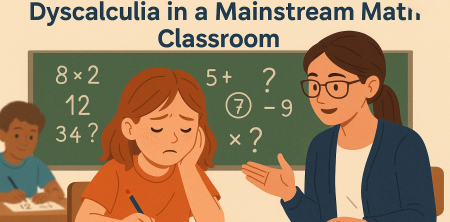
Dyscalculia is often referred to as the math equivalent of dyslexia, affecting a child's ability to understand numbers and perform mathematical tasks. For educators and parents alike, supporting a child with dyscalculia is crucial in helping them thrive in a mainstream math classroom. This article delves into practical strategies to create a supportive learning environment for these children, ensuring they get the help they need to succeed.
1. Understanding Dyscalculia
Dyscalculia is a specific learning disability that impacts a child's ability to acquire mathematical skills. The condition can manifest in various ways, including difficulty with number sense, memorization of arithmetic facts, and learning new math concepts. According to research, approximately 3-6% of the population is affected by dyscalculia, making it an essential issue for educators to address.
Children with dyscalculia often struggle with more than just mathematics; their difficulties can lead to low self-esteem and anxiety regarding schoolwork. Understanding the emotional and cognitive challenges they face is the first step in supporting a child with dyscalculia. By recognizing these challenges, teachers can foster a more inclusive and compassionate classroom environment.
2. Emphasizing Concrete Learning
One effective method for supporting a child with dyscalculia is to incorporate concrete learning experiences. This involves using physical objects to demonstrate mathematical concepts. For instance, using manipulatives such as blocks, counters, or even everyday items can help children visualize numbers and operations.
Concrete learning allows students to touch and manipulate objects, making abstract concepts more tangible. Teachers can encourage children to build equations with blocks or use counters to solve addition and subtraction problems. This hands-on approach can significantly improve understanding and retention of mathematical concepts.
Consider also incorporating real-world scenarios into math lessons. For example, measuring ingredients while cooking or budgeting for a small purchase can provide context and relevance, making math feel more applicable to daily life. This approach not only reinforces concepts but also aids in retaining interest and engagement.
3. Utilizing Technology
In today's digital age, technology can be a powerful tool for supporting a child with dyscalculia. Many educational apps are designed specifically to assist students struggling with mathematics. These apps often incorporate engaging games and interactive tasks that make learning enjoyable.
For example, apps like 'ModMath' and 'Math Learning Center' provide personalized learning experiences tailored to each child's needs. This adaptive technology can help children practice math concepts at their own pace, allowing for a more focused and less stressful learning environment. Additionally, software that incorporates visual animations can further support understanding by illustrating mathematical processes visually.
Moreover, online platforms like Khan Academy offer free resources that allow students to explore math concepts through instructional videos and practice exercises. These platforms can be particularly beneficial for children who may need extra time to digest information at their own pace without the pressure of a classroom setting.
4. Differentiating Instruction
Differentiating instruction is crucial in a diverse classroom where students have varying educational needs. For teachers, this means adapting lessons to cater to different learning styles. For supporting a child with dyscalculia, differentiation can involve modifying assignments, providing alternative assessments, and offering different types of resources.
For instance, when teaching fractions, a teacher might allow students to use pie charts or visual fraction strips to understand the concepts better, rather than relying solely on traditional worksheets. By providing multiple avenues for learning, educators can ensure that students with dyscalculia feel included and capable of succeeding in mathematics.
Educators can also implement tiered assignments that offer varying levels of complexity. For example, while one group may work on basic addition problems, another group could tackle word problems that incorporate real-life scenarios. This flexibility not only accommodates diverse learning needs but also promotes a sense of achievement among all learners.
5. Building a Positive Learning Environment
Creating a supportive atmosphere is essential when supporting a child with dyscalculia. Children need to feel safe and encouraged to take risks, especially in subjects they may find daunting. Teachers can help foster a positive environment by highlighting effort over accuracy, praising small successes, and offering constructive feedback. (See: Understanding Dyscalculia from NIH.)
Encouragement can go a long way in building a child's confidence. Simple strategies such as displaying student work or allowing children to explain their thought processes can help them feel valued and understood, while motivating them to engage more fully in their learning.
Additionally, regular class discussions about overcoming challenges can help normalize the struggles students may face in math. Sharing stories of historical figures who faced and overcame similar challenges can inspire students and promote resilience. Acknowledging that mistakes are part of learning encourages a growth mindset and the belief that they can improve with effort.
6. Collaborating with Parents
Effective collaboration between teachers and parents is vital in supporting a child with dyscalculia. Parents can provide valuable insights into their child's strengths and challenges, helping educators tailor their teaching approaches. Regular communication can lead to a more coherent strategy for addressing a child's needs both at home and in school.
Teachers should consider setting up regular meetings with parents to discuss progress and share strategies that can be applied in both environments. This partnership ensures that a child receives consistent support, reinforcing what they learn in school while fostering confidence at home.
Schools can also provide workshops for parents, helping them understand dyscalculia and teaching them effective strategies they can use at home. This educational outreach can empower parents to become active participants in their child’s learning journey, making them feel more equipped to offer support outside of the classroom.
7. Incorporating Visual Aids
Visual aids play a crucial role in supporting a child with dyscalculia, as they can help clarify complex concepts. Charts, diagrams, and number lines can serve as excellent resources that simplify information and enhance understanding. Visual aids create reference points that can help these students navigate math problems more easily.
For example, using a number line can assist children in grasping addition and subtraction more effectively. It provides a visual representation of how numbers relate to one another, making abstract concepts more accessible. Additionally, incorporating colorful visuals can capture children's attention and make learning more engaging.
Graphic organizers can also be beneficial when teaching problem-solving strategies. They can help students break down multi-step problems into manageable parts, making it easier for them to understand the problem-solving process. Such tools not only aid comprehension but also help students develop their organizational skills in mathematics.
8. Encouraging a Growth Mindset
Promoting a growth mindset is essential when supporting a child with dyscalculia. Children should be encouraged to view challenges in mathematics as opportunities for growth rather than insurmountable obstacles. Educators can model this mindset by sharing their own struggles with learning, highlighting the importance of perseverance and effort.
Teachers can also incorporate discussions about famous individuals who overcame learning difficulties, helping students connect their personal experiences to broader narratives of success. By emphasizing the notion that intelligence can develop with effort, students are more likely to approach math challenges with greater resilience and determination.
Creating classroom activities centered around problem-solving can further reinforce this mindset. Group activities designed to tackle challenging math problems can foster collaboration and emphasize that struggle is a natural part of the learning process. Recognizing and celebrating effort, even in the face of failure, encourages students to keep trying and learning.
9. Providing Regular Feedback
Finally, consistent feedback is a pivotal aspect of supporting a child with dyscalculia. Timely, specific feedback allows students to understand their mistakes and learn from them. It helps guide their learning process and reinforces the progress they are making.
Teachers should aim to provide positive, constructive criticism that encourages students to reflect on their work. This could involve one-on-one sessions where teachers can explain errors, suggest alternatives, and celebrate improvements. By establishing a routine of feedback, students can feel acknowledged in their efforts, bolstering their motivation and confidence in mathematics.
In addition to verbal feedback, written comments on assignments can serve as valuable guides for improvement. It’s important to focus on what students did well, along with areas for growth, to maintain a balanced perspective. Encouraging students to set personal goals based on this feedback can also help them take ownership of their learning journey.
10. Understanding the Role of Executive Functioning
Executive functioning skills are vital for success in academic settings, and children with dyscalculia may also struggle with these skills. Executive functioning refers to a set of cognitive processes, including working memory, flexible thinking, and self-control. These skills allow children to plan, focus attention, remember instructions, and juggle multiple tasks successfully. (See: Dyscalculia Overview by CDC.)
When supporting a child with dyscalculia, it’s essential to recognize that difficulties with executive functioning can impact a child’s math performance. For instance, a child may understand how to solve a problem but struggle with organizing their thoughts to complete it. Teachers can help by breaking tasks into smaller, manageable steps and providing visual schedules or checklists to help students keep track of their progress.
Incorporating strategies that enhance executive functioning can lead to more effective learning experiences. For example, allowing students to use graphic organizers when approaching problems can help them visualize their thought process and stay on track. Simple classroom routines, such as starting each math session with a brief review, can also help reinforce retention and focus.
11. Creating a Structured Routine
Establishing a consistent routine can significantly benefit children with dyscalculia. A structured environment reduces anxiety and provides predictable patterns that can help children navigate their day. For example, having a regular schedule for math instruction with predictable components can help children feel more comfortable and prepared.
Incorporating routines that include breaks can also enhance focus and retention. Giving students short breaks between tasks allows them to recharge and approach learning with a refreshed mindset. Teachers should emphasize the importance of these routines, making them clear and consistent, to help foster a sense of security and stability.
Additionally, routines should include time for reflection, where students can assess what strategies worked or didn’t during a lesson. Encouraging students to discuss their learning processes not only reinforces their understanding but also helps teachers gather insights into which methods are most effective for each individual.
12. Utilizing Peer Support
Peer support can be an invaluable asset in supporting a child with dyscalculia. When children work together, they can learn from each other and build confidence in a collaborative environment. Pairing students in small groups for math activities allows for social interaction and shared learning experiences.
Consider implementing buddy systems where stronger math students assist those with dyscalculia. This can provide both social benefits and academic reinforcement. It’s important to ensure that all students feel valued and included, fostering a sense of community within the classroom. Peer relationships can also help reduce the stigma associated with learning difficulties, making it easier for children to seek help when they need it.
Encouraging group projects that require collaboration on math tasks can also create opportunities for peer learning. These projects can promote not only academic growth but also interpersonal skills, as students learn to communicate and work together effectively.
13. Professional Development for Educators
Ongoing professional development is essential for teachers seeking to enhance their skills in supporting a child with dyscalculia. Educators can benefit from workshops, seminars, and courses that focus on learning disabilities and effective teaching strategies. By staying informed and equipped with the latest research and resources, teachers can better meet the needs of their students.
Schools should encourage staff to collaborate and share best practices, creating a culture of continuous improvement. When educators exchange ideas and strategies, it fosters an environment where innovative methods can thrive, ultimately benefiting students with dyscalculia and their peers.
Consider forming a professional learning community within the school, where teachers can meet regularly to discuss challenges and successes in teaching students with dyscalculia. This collaborative approach can lead to the development of new strategies and provide ongoing support among peers who face similar challenges.
14. Assessing Progress and Adjusting Strategies
Regular assessment of a child's progress is crucial in supporting a child with dyscalculia. Effective assessment allows educators to determine the efficacy of their teaching methods and identify areas where additional support may be needed. This progress monitoring should not only focus on standardized testing but also on ongoing observations and informal assessments.
Using formative assessments, such as quizzes, exit tickets, or math journals, can provide valuable insights into a child's understanding and skills. Based on this data, educators can adjust their instructional strategies accordingly, ensuring that they continue to meet the unique needs of each student. Flexibility in teaching methods plays a significant role in accommodating diverse learners and enhancing their success in mathematics.
Additionally, educators should involve students in self-assessment. Encouraging students to reflect on their performance and set personal learning goals fosters a sense of ownership and can motivate them to engage more deeply with their studies. This practice not only helps identify areas of improvement but also reinforces their understanding of progress.
15. Frequently Asked Questions (FAQ)
What is the difference between dyscalculia and a math learning disability?
Dyscalculia is a specific learning disability that affects a child's ability to understand numbers and perform mathematical tasks. While a math learning disability can refer to a range of difficulties in math, dyscalculia is a more defined condition with specific characteristics.
How can I tell if my child has dyscalculia?
A child may show signs of dyscalculia if they have persistent difficulty with number sense, counting, recalling math facts, understanding math concepts, and performing calculations. If you suspect your child has dyscalculia, consulting with a psychologist or a specialist in learning disabilities can provide a formal assessment.
Can dyscalculia be cured?
While dyscalculia cannot be cured, children can learn strategies and techniques to manage their difficulties effectively. With appropriate support and interventions, children with dyscalculia can succeed academically and develop a positive attitude toward math.
What accommodations can help my child with dyscalculia in school?
Accommodations for children with dyscalculia may include providing extra time on tests, using calculators, allowing the use of visual aids, and offering alternative assessment methods. It's important for parents and educators to work together to determine which accommodations will best support the child's learning needs.
How can I support my child with dyscalculia at home?
Parents can support their child by integrating math into everyday life, using games and activities that make math fun, and providing a positive environment for learning. Encouraging practice with patience and understanding can help alleviate anxiety and improve confidence.
Are there any specific resources or programs designed for children with dyscalculia?
Yes, there are several programs and resources tailored specifically for children with dyscalculia. Websites like the Learning Disabilities Association of America provide lists of resources, tools, and strategies. Additionally, specialized tutoring programs can offer targeted instruction in math, focusing on building foundational skills in a supportive environment.
How can schools better support children with dyscalculia?
Schools can improve their support for children with dyscalculia by implementing comprehensive training programs for educators on learning disabilities, offering access to specialized resources, and fostering an inclusive classroom environment. Creating individualized education plans (IEPs) for students with dyscalculia can also provide tailored support that addresses their specific needs.
Supporting a child with dyscalculia in a mainstream math classroom requires an understanding of their unique challenges and a commitment to creating a nurturing and inclusive learning environment. By employing these strategies, educators can help children thrive, paving the way for a more positive relationship with mathematics and learning as a whole.
```
Trending Now
Frequently Asked Questions
What is dyscalculia and how does it affect children?
Dyscalculia is a specific learning disability that affects a child's ability to understand numbers and perform mathematical tasks. It can lead to difficulties with number sense, memorization of arithmetic facts, and learning new math concepts, ultimately impacting their confidence and emotional well-being.
How can teachers support students with dyscalculia in math class?
Teachers can support students with dyscalculia by incorporating concrete learning experiences, such as using manipulatives like blocks and counters. This hands-on approach helps students visualize mathematical concepts, making them more accessible and easier to understand.
What strategies can parents use to help a child with dyscalculia?
Parents can help by providing a supportive environment that emphasizes patience and understanding. Engaging in activities that involve counting and numbers in everyday situations, as well as using visual aids and manipulatives at home, can reinforce learning and build confidence.
What are the emotional impacts of dyscalculia on children?
Children with dyscalculia often experience low self-esteem and anxiety related to their academic performance. These emotional challenges can affect their overall attitude towards school and learning, making it crucial for educators and parents to provide support and encouragement.
How can concrete learning help children with dyscalculia?
Concrete learning helps children with dyscalculia by allowing them to physically manipulate objects to understand mathematical concepts. This tactile approach makes abstract ideas more concrete, which can significantly enhance their comprehension and retention of math skills.
Agree or disagree? Drop a comment and tell us what you think.

