```html
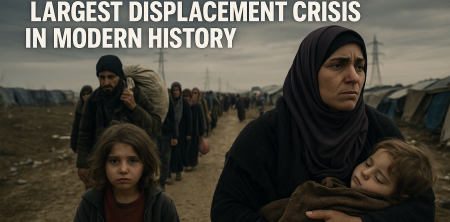
The world faces an unprecedented humanitarian challenge as the United Nations reports that over 117 million people are forcibly displaced across the globe. This staggering figure has positioned us in the midst of what many are calling the largest displacement crisis in modern history. It's a grim scenario fueled by enduring conflicts, natural disasters, and political instability, forcing millions into precarious situations where basic human rights are often compromised. As we delve into this crisis, we must examine its roots, the pressing humanitarian needs, and the responses of various organizations trying to make a difference.
Understanding the Scale of the Displacement Crisis
The displacement crisis we witness today is a culmination of decades, if not centuries, of conflict, persecution, and environmental degradation. From the Syrian civil war that has displaced millions internally and externally to ongoing violence in regions like Myanmar and South Sudan, the causes are as diverse as they are complex. The UN's staggering figure doesn’t just represent numbers but signifies the lives of individuals, families, and communities torn apart by circumstances beyond their control.
These 117 million individuals include refugees who have fled their countries seeking safety, internally displaced persons (IDPs) who have been forced to leave their homes but remain within their national borders, and those who have sought asylum. The impact of this crisis stretches far beyond immediate humanitarian needs; it affects regional stability, economic development, and global peace.
Humanitarian Organizations on the Front Lines
Amidst this crisis, humanitarian organizations like ShelterBox are stepping up to provide essential support. Kerri Murray, the president of ShelterBox USA, emphasizes the urgency of the situation in recent interviews. Organizations like hers are tasked with delivering shelter, food, water, and medical assistance to displaced populations who often find themselves living in overcrowded camps with inadequate resources.
The challenges these organizations face are immense. With millions in need of assistance, funding shortages, logistical hurdles, and deteriorating security conditions can impede their efforts. As the displacement crisis escalates, organizations are scrambling to adapt, innovate, and find new ways to deliver aid effectively. Whether through emergency shelters, water purification systems, or educational programs, these humanitarian efforts are critical to restoring hope and dignity to those affected.
The Role of Policy and Governance
The displacement crisis is not merely a humanitarian issue; it is deeply intertwined with political decisions and international relations. Countries hosting large populations of refugees, such as Turkey, Lebanon, and Uganda, often find themselves under immense pressure. The burden of accommodating displaced people can strain public resources, fuel social tensions, and challenge existing political frameworks.
Moreover, the response from governments around the world is mixed. While some countries have embraced refugees and provided them with opportunities for integration, others have responded with hostility and restrictive immigration policies. This dichotomy illustrates a global governance gap in addressing the root causes of displacement and supporting affected populations.
The Economic Implications of Displacement
The economic implications of the displacement crisis are profound. Host countries often face increased pressure on their economies, public services, and infrastructure. According to reports, welcoming refugees can lead to an initial economic burden, but over time, studies show that refugees can contribute positively to the host economy by filling labor shortages and stimulating local markets.
However, the immediate economic costs can lead to resentment among local populations, especially in regions that are already struggling with high unemployment or economic instability. This creates a complex relationship between displaced people and host communities, which can sometimes erupt into conflict if not managed carefully.
Personal Stories Behind the Statistics
Statistics tell part of the story, but they often fail to capture the human experience behind the numbers. Take, for example, the story of Amina, a Syrian mother who fled her war-torn home with her three children. After a harrowing journey, they now reside in a refugee camp in Lebanon. Amina’s story is one of resilience and survival, but it’s also a stark reminder of the daily struggles faced by millions. Access to education, healthcare, and a stable living situation remains a distant dream for many.
These personal narratives highlight the urgency of addressing not just the immediate needs but also the long-term aspirations of displaced populations. Organizations need to focus on the holistic rehabilitation of these individuals, which includes integrating them into local economies and communities, rather than merely providing short-term aid.
Climate Change and the Displacement Crisis
Climate change is increasingly recognized as a significant driver of displacement. Natural disasters such as hurricanes, floods, and droughts can displace communities and exacerbate existing vulnerabilities. The UN has projected that by 2050, climate change could force an additional 200 million people to leave their homes, adding further strain to the already staggering numbers. (See: WHO fact sheet on migration and health.)
Countries with fragile infrastructures are particularly at risk. For instance, the Pacific Island nations face imminent threats from rising sea levels, while regions in sub-Saharan Africa are grappling with prolonged droughts. Addressing climate-induced displacement requires a multifaceted approach, combining humanitarian action with climate resilience initiatives to prepare communities for the impacts of climate change.
The Global Response to the Displacement Crisis
The international community’s response to the displacement crisis has been varied, with some nations stepping up to provide vital resources and others adopting an indifferent stance. The Global Compact on Refugees, adopted in 2018, aims to enhance international cooperation and share responsibilities for the protection of refugees. Yet, implementation remains inconsistent, and many countries still lack the political will to uphold their commitments.
Moreover, the COVID-19 pandemic has exacerbated the already dire conditions for displaced populations. Restrictions on movement, reduced funding for humanitarian operations, and increased health risks have compounded the challenges faced by those already vulnerable. The pandemic has forced organizations to rethink their approaches to aid delivery, emphasizing the need for innovation and adaptability in the face of ongoing crises.
Community Involvement and Local Solutions
A growing recognition of the importance of community involvement in addressing the displacement crisis is emerging. Local organizations often have the best understanding of the unique needs and circumstances of displaced populations. By empowering these groups and fostering community-led solutions, aid can be more effectively tailored to meet the specific challenges faced by individuals in displacement.
For instance, initiatives that promote local employment opportunities for displaced individuals can help them regain a sense of dignity and purpose while contributing to the local economy. This approach not only alleviates pressure on host countries but also fosters social cohesion and integration.
Looking Ahead: Solutions to the Displacement Crisis
While the displacement crisis presents many challenges, there are also opportunities for meaningful solutions. Addressing the root causes of displacement requires a concerted effort from the international community, including diplomatic initiatives aimed at resolving conflicts and promoting peace. Furthermore, investment in sustainable development can create conditions that prevent displacement from occurring in the first place.
In addition, a focus on resilience-building within both host and refugee communities will be essential. This includes providing education, vocational training, and healthcare access to ensure displaced populations can thrive rather than merely survive. Collaborative partnerships between governments, NGOs, and the private sector can lead to innovative solutions that empower displaced individuals and promote long-term recovery.
The Moral Imperative to Act
At its core, the displacement crisis is a moral issue that challenges our collective humanity. As we witness these staggering numbers, we cannot turn away. The stories of individuals like Amina remind us that behind each statistic is a human life filled with hopes and dreams. The responsibility to respond falls on us all — governments, organizations, and individuals alike.
Ultimately, tackling the displacement crisis requires a blend of compassion, commitment, and courage. It calls for a united global effort to not only alleviate immediate suffering but also to lay the groundwork for a more just and equitable world. The stakes are high, and the time for action is now.
Statistics and Trends in Displacement
Understanding the scope of the displacement crisis necessitates a dive into the statistics that underpin it. As of recent reports, over 53 million people are classified as refugees, with over 48 million identified as IDPs within their countries. This represents a significant rise from previous years, indicating a troubling trend of increasing conflict and environmental crises that force individuals to flee.
According to the UNHCR, nearly 80% of displaced individuals are hosted in low- and middle-income countries. This fact highlights the disparity between the resources available in wealthier nations compared to those facing their own economic challenges. Countries like Turkey, which hosts the largest number of refugees (over 3.6 million), and Colombia, which has seen a spike in internally displaced persons due to the ongoing violence, illustrate the need for global solidarity and support.
Additionally, projections indicate that by 2030, the number of forcibly displaced individuals could rise to over 200 million if current trends continue. Such statistics should serve as a wake-up call for global leaders and organizations to take immediate action in addressing both the causes and effects of displacement.
Expert Perspectives on Solutions
Experts across various fields have weighed in on the best approaches to tackle the displacement crisis. Dr. Judith Kumin, a former UNHCR Director, emphasizes the importance of international cooperation. "No single country can address the complexity of the displacement crisis alone. It requires a concerted effort that involves not just humanitarian aid, but also political will and economic investment," she states. (See: BBC report on global displacement.) (protecting schools during crises)
In contrast, Professor Mark Crispin Miller, an expert in conflict resolution, argues for a more grassroots approach. He insists that empowering local communities is crucial. "When displaced persons are actively involved in the solutions that affect their lives, there’s a greater chance of success. They know their needs better than any external organization," he notes.
This dichotomy in expert opinions underscores the multifaceted nature of the crisis — solutions must be tailored to both local contexts and global dynamics.
Comparative Analysis: Displacement Around the World
Global displacement is not uniform; it varies dramatically across different regions and contexts. For instance, the Middle East has been heavily affected by protracted conflicts, particularly the Syrian civil war, which has led to one of the largest refugee crises in history. In contrast, the displacement situations in regions like Central America are often tied to violence, poverty, and political instability, which differ significantly from the causes in Asia or Europe.
For example, the Rohingya crisis in Myanmar has drawn global attention for its brutal nature and the plight of the Rohingya people, who have faced systematic persecution. In contrast, the Venezuelan crisis reflects a combination of economic collapse and governance issues, with millions fleeing the country to neighboring nations like Colombia and Brazil. Understanding these nuances is vital for crafting targeted interventions that resonate with the specific realities of displaced populations.
Frequently Asked Questions (FAQ) about the Displacement Crisis
What are the main causes of the displacement crisis?
The main causes include armed conflict, human rights violations, political persecution, and environmental disasters. Climate change is increasingly becoming a significant factor, contributing to natural disasters that displace communities.
How can displaced individuals rebuild their lives?
Rebuilding lives involves access to education, vocational training, healthcare, and employment opportunities. Support from humanitarian organizations, local governments, and communities is also crucial in facilitating integration and self-sufficiency.
What is the role of international organizations in the displacement crisis?
International organizations, such as the UNHCR, provide vital support by coordinating humanitarian responses, offering legal protection, and advocating for the rights of displaced individuals. They also play a role in securing funding for relief efforts and promoting international cooperation.
How can individuals help address the displacement crisis?
Individuals can contribute by raising awareness, advocating for policies that support refugees, volunteering with local organizations, or donating to humanitarian efforts. Every action counts in addressing this global challenge.
What are the long-term implications of the displacement crisis?
The long-term implications include potential destabilization of regions, economic strain on host countries, and the loss of human capital. It’s essential to address the root causes of displacement to prevent further crises and promote sustainable solutions.
Future Directions and Innovations in Humanitarian Aid
As the displacement crisis evolves, so too must the strategies employed to address it. Innovations in technology present new opportunities for humanitarian aid delivery. For instance, data analytics can help organizations better understand the needs of displaced populations, allowing for more targeted and effective interventions.
Moreover, the use of mobile platforms for cash transfers can empower individuals to make their own choices in purchasing essential goods and services. This approach not only promotes dignity but can also stimulate local economies by increasing demand for local products.
Organizations are also exploring partnerships with the private sector to enhance resource mobilization and leverage expertise in logistics and supply chain management. This merger of humanitarian and business models could lead to more efficient responses and improved outcomes for displaced individuals. There's a fuller look at human rights and education issues.
The Impact of Displacement on Children
Children represent a significant portion of the displaced population, and their experiences are particularly alarming. According to UNICEF, over 35 million children are currently displaced, many of whom are missing out on education and facing traumatic experiences. Access to education can be drastically hindered in refugee camps, where resources are limited, and many children are forced into labor to support their families.
Organizations like Save the Children are working to address these challenges by establishing temporary learning spaces and providing psychosocial support. The goal is to create safe environments where children can regain a sense of normalcy and continue their education, which is crucial for their long-term development.
Investing in education for displaced children not only helps in their recovery but also benefits host communities by fostering integration and understanding. Programs that cater specifically to the educational needs of displaced children can play a pivotal role in breaking the cycle of poverty and instability.
Addressing Mental Health in Displacement
The psychological impact of displacement is often overlooked, yet it is a critical issue that needs addressing. Many displaced individuals face trauma, anxiety, and depression due to the traumatic events they have experienced, such as violence, loss of loved ones, and the stress of living in uncertain conditions. Mental health support is essential for helping individuals heal and rebuild their lives.
Organizations like the International Organization for Migration (IOM) are increasingly recognizing the importance of mental health services as part of their humanitarian response. Initiatives that provide psychological first aid, counseling, and community support can significantly improve the well-being of displaced individuals.
Moreover, integrating mental health care into primary health services can ensure that those in need receive the help they require. This holistic approach is vital in fostering resilience and promoting recovery among displaced populations.
Conclusion: A Call for Global Unity
The displacement crisis is a complex issue that calls for a multifaceted response. As we continue to navigate this ongoing humanitarian challenge, the need for global unity and collaboration becomes ever more evident. By standing together, sharing resources, and committing to comprehensive solutions, we can work towards alleviating the suffering of millions and creating a future where displacement is no longer a reality for so many.
```
Trending Now
Frequently Asked Questions
What is the largest displacement crisis in modern history?
The largest displacement crisis in modern history involves over 117 million people who are forcibly displaced worldwide due to conflicts, natural disasters, and political instability. This crisis highlights the severe humanitarian challenges faced by individuals and families torn from their homes.
What are the main causes of global displacement?
Global displacement is primarily caused by enduring conflicts, such as the Syrian civil war, political instability, and environmental degradation. These factors force individuals to flee their homes, leading to staggering numbers of refugees and internally displaced persons.
How do humanitarian organizations help displaced individuals?
Humanitarian organizations, like ShelterBox, provide essential support to displaced individuals by delivering shelter, food, water, and medical assistance. They play a crucial role in addressing the immediate needs of those affected by the displacement crisis.
What is the impact of the displacement crisis on global stability?
The displacement crisis significantly affects regional stability, economic development, and global peace. The large number of displaced individuals can lead to social tensions and strain resources in host countries, complicating efforts for sustainable development.
Who are the internally displaced persons (IDPs)?
Internally displaced persons (IDPs) are individuals who have been forced to leave their homes but remain within their national borders. They face many of the same challenges as refugees, including lack of access to basic needs and safety.
What's your take on this? Share your thoughts in the comments below — we read every one.

