```html
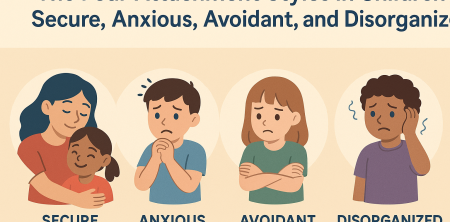
Understanding how children form emotional bonds is crucial for any parent, caregiver, or educator. The concept of attachment styles in children originated from the work of psychologist John Bowlby in the 1950s, and it emphasizes how early interactions with caregivers shape children's emotional and social development. This article will delve deep into the four primary attachment styles: secure, anxious, avoidant, and disorganized. By unpacking these styles, we can better comprehend children's behaviors and needs, ultimately fostering healthier relationships and environments for their growth.
The Foundations of Attachment Theory
Attachment theory emerged as a critical framework for understanding human relationships, particularly during infancy and childhood. Bowlby's research highlighted that children are biologically predisposed to form attachments as a means of survival. These attachments are influenced by the caregiver's responsiveness and emotional availability.
Mary Ainsworth, Bowlby’s colleague, expanded on his ideas through her landmark Strange Situation study in the 1970s. This research categorized children based on their behavior during separations and reunions with their mothers. The various attachment styles identified during this study laid the groundwork for understanding how early relationships impact emotional and social functioning throughout life.
Secure Attachment Style
Children exhibiting a secure attachment style feel safe and comfortable in their environment. They are confident that their caregiver will be responsive to their needs, which fosters a strong sense of security. These children engage in healthy exploration of their surroundings, knowing they have a reliable base to return to.
Indicators of secure attachment often include:
- Comfort with closeness and intimacy.
- Ability to seek comfort from caregivers in times of distress.
- Positive self-image and self-esteem.
- Healthy social relationships with peers.
Research suggests that children with secure attachments are more likely to succeed academically and socially. They develop effective communication skills and are able to express their feelings in constructive ways. Furthermore, secure attachments in childhood often lead to healthier adult relationships. According to a study published in the Journal of Personality and Social Psychology, adults with secure attachments report higher levels of relationship satisfaction and emotional support.
Anxious Attachment Style
In contrast, children with an anxious attachment style often exhibit clinginess and heightened anxiety about separation from their caregivers. These children may have experienced inconsistent responses from their caregivers, leading them to doubt whether their needs will be met. As a result, they may become overly dependent on their caregivers for emotional reassurance.
Characteristics of anxious attachment include:
- Excessive worry about caregivers' availability.
- High levels of distress when separated from caregivers.
- Difficulty calming down after being upset.
- Intense emotional responses to perceived rejection or abandonment.
This attachment style can impact children’s interactions with peers, as their intense need for reassurance can overwhelm others. A study from the American Journal of Orthopsychiatry found that anxious attachment in children is linked to increased behavioral problems and challenges in social interactions. In adulthood, individuals with anxious attachment often experience fear of abandonment, leading to relationship difficulties.
Avoidant Attachment Style
Children who display an avoidant attachment style often seem emotionally distant. These children have generally learned to minimize their emotional needs and may display self-sufficiency due to a lack of responsive caregiving. They often feel that it’s safer to rely on themselves rather than seek comfort from others.
Key traits of avoidant attachment include:
- Difficulty forming emotional connections.
- A tendency to avoid seeking comfort from caregivers.
- Low levels of emotional expression.
- A preference for solitude over social interaction.
Research indicates that children with avoidant attachment may struggle in social settings and have difficulty with intimacy in later relationships. An article in the Journal of Family Psychology revealed that avoidantly attached individuals often face challenges in expressing emotions, which can lead to significant interpersonal issues as adults.
Disorganized Attachment Style
The disorganized attachment style reflects a lack of a clear attachment strategy. Children with this style often exhibit contradictory behaviors, displaying both avoidance and anxiety. This inconsistency usually arises from caregivers who are a source of fear or confusion, such as those who are abusive or neglectful. (See: Attachment theory overview on Wikipedia.)
Children with disorganized attachment may show signs such as:
- Erratic behavior in the presence of their caregivers.
- A mix of clinginess and avoidance.
- Difficulty in regulating emotions and behaviors.
- Exhibiting fear or apprehension towards the caregiver.
The challenges faced by these children can have long-lasting effects. A study published in the Child Development journal indicated that disorganized attachment in childhood is associated with higher rates of behavioral issues and emotional dysregulation. These children may struggle to form healthy relationships later in life, often carrying unresolved trauma into adulthood.
How Attachment Styles Develop
The development of attachment styles in children is influenced by various factors, including caregiver behavior, environmental stability, and individual temperament. Responsive, nurturing caregiving promotes secure attachment, while inconsistent or negative interactions may lead to anxious, avoidant, or disorganized attachments.
For instance, caregivers who are attentive and attuned to their child's needs typically foster secure attachments. Conversely, parents who are emotionally unavailable or overly critical can inadvertently cultivate anxious or avoidant attachment styles. Disorganized attachment often emerges in chaotic or abusive environments where children cannot predict caregiver responses.
Research shows that children’s temperament can also play a role in forming attachment styles. Some children are inherently more sensitive or fearful, making them more susceptible to developing anxious or disorganized attachment styles if their caregivers are not responsive.
Recognizing Attachment Styles in Children
Being aware of the attachment styles in children is essential for parents and educators wanting to support their emotional development. Recognizing behaviors associated with each style can empower caregivers to respond appropriately and foster healthier relationships. Here are some common signs to look for:
- Securely attached children: They seek comfort and return to play after brief separations.
- Anxiously attached children: They may become visibly upset when a caregiver leaves and cling to them upon return.
- Avoidantly attached children: They may not show distress when a caregiver leaves and avoid interaction upon their return.
- Disorganized attached children: They may exhibit confused or contradictory behaviors, such as approaching a caregiver but then freezing or withdrawing.
By observing these patterns, caregivers can tailor their responses to better meet the emotional needs of children, creating a more nurturing environment.
Supporting Healthy Attachment Development
Fostering secure attachment in children requires consistent effort and awareness from caregivers. Here are some practical strategies:
- Be available and responsive: Meeting your child's emotional and physical needs helps build trust and security.
- Encourage exploration: Allow children to explore their surroundings while providing a safe base for them to return to when they need support.
- Practice emotional attunement: Pay close attention to your child's emotional cues and respond appropriately, validating their feelings.
- Model healthy relationships: Demonstrating positive interactions and conflict resolution can teach children how to navigate social dynamics.
Engaging in these practices can help mitigate the risks of developing insecure attachment styles and promote emotional resilience in children.
The Long-Term Implications of Attachment Styles
The attachment styles children develop can have profound implications for their emotional and social functioning throughout life. Securely attached individuals are more likely to form stable relationships, exhibit resilience in the face of challenges, and maintain greater mental health. In contrast, those with insecure attachment styles may struggle with anxiety, depression, and relationship difficulties.
Research by the American Psychological Association illustrates that adults with secure attachments tend to have healthier romantic relationships, characterized by effective communication and emotional support. Conversely, individuals with anxious or avoidant attachment styles often face challenges related to trust, intimacy, and emotional regulation.
Furthermore, understanding these attachment styles can be crucial for mental health professionals working with individuals who have experienced trauma or unstable environments. Recognizing attachment patterns allows for more effective treatment strategies and better support for healing and emotional growth.
Real-Life Examples of Attachment Styles
One of the best ways to grasp how attachment styles manifest in daily life is through real-world examples. Consider two siblings, Alex and Jamie, who were raised in a similar environment but developed different attachment styles due to their interactions with their caregiver.
Alex, who developed a secure attachment style, often approached new situations with confidence. For instance, when he started school, he was eager to explore his classroom, make new friends, and engage with teachers. If he faced challenges, such as difficulty with a new subject, he would seek help from his teachers and parents, knowing they would offer support.
On the other hand, Jamie, who developed an anxious attachment style, exhibited different behaviors. When Jamie started school, she clung to her mother and showed signs of distress during drop-off. Throughout the day, she struggled to engage with classmates, often worrying if her mother would come back. Jamie's anxieties about separation followed her into friendships, making her overly dependent on her friends for reassurance.
These contrasting examples illustrate how the early emotional bonds with caregivers influence children's behaviors and responses to social situations. (See: CDC on children's attachment and mental health.)
Statistics on Attachment Styles
Understanding the prevalence of various attachment styles can provide insight into their impact on child development. Several studies highlight significant trends:
- Approximately 60-70% of children develop a secure attachment style, which promotes positive emotional and social outcomes.
- Research suggests that about 15-20% of children develop an anxious attachment style, often resulting in challenges in emotional regulation and peer relationships.
- Another 15-20% of children demonstrate avoidant attachment behaviors, leading to difficulties in forming emotional bonds with peers and caregivers.
- Disorganized attachment is less common, affecting around 5-15% of children, but it has particularly severe implications on emotional and behavioral health.
These statistics emphasize the importance of addressing attachment styles in children, as a significant proportion may exhibit insecure attachment patterns that can impede their development.
Expert Perspectives on Attachment Styles
Leading psychologists and child development experts stress the importance of understanding attachment styles in children. Dr. Sue Johnson, a clinical psychologist and creator of Emotionally Focused Therapy, emphasizes that “the way we attach to others is rooted in our earliest experiences with caregivers.” She notes that nurturing relationships in early childhood can build a foundation for healthy adult relationships.
Dr. John Gottman, a noted psychologist known for his work on marriage and relationships, also highlights the role of attachment. He states, “Children who feel secure in their relationships at a young age are more likely to develop strong emotional intelligence as adults.” His research supports the idea that securely attached children can navigate social relationships more effectively.
These expert insights reinforce the significance of fostering secure attachments during early development to promote healthy emotional and social outcomes throughout life.
Common Myths About Attachment Styles
There are several misconceptions about attachment styles that can hinder understanding and action. Addressing these myths can help caregivers and educators approach children's emotional needs more effectively:
- Myth 1: Attachment styles are fixed and cannot change.
Reality: While early experiences shape attachment, individuals can develop healthier attachment styles through new relationships and therapeutic interventions. - Myth 2: A child's attachment style solely depends on parental behavior.
Reality: While caregiver responses are critical, a child's temperament and external factors also influence attachment development. - Myth 3: All children with insecure attachment styles will have behavioral issues.
Reality: Children may show resilience despite having insecure attachments, and many can thrive with the right support.
Clearing these myths can help caregivers adopt a more nuanced understanding of attachment, facilitating better support for children.
FAQ About Attachment Styles in Children
What are the signs of secure attachment in children?
Securely attached children display confidence in exploring their environment, seeking comfort from caregivers when needed, and maintaining healthy relationships with peers.
How can I help my child develop a secure attachment?
Be consistently responsive to your child's emotional and physical needs, encourage exploration, and model healthy relationships. Providing a nurturing environment is key.
Can attachment styles change over time?
Yes, while early attachment experiences are influential, individuals can develop new attachment styles through therapy, positive relationships, and personal growth.
What if my child shows signs of insecure attachment?
If you notice signs of insecure attachment, consider seeking support from a mental health professional. Early intervention can help address these issues effectively.
How do attachment styles impact adult relationships?
Attachment styles formed in childhood can affect adult relationships significantly, influencing trust, intimacy, and emotional regulation in romantic partnerships and friendships.
Exploring Cultural Influences on Attachment Styles
Attachment styles don't exist in a vacuum; they can be shaped significantly by cultural contexts. Different cultures may have varying expectations of emotional expression and caregiving, influencing how attachment develops. For example, in collectivist societies, where the emphasis is on familial bonds and community, children may develop attachments that differ from those in individualistic societies, where personal independence is often prioritized.
Research shows that children raised in collectivist cultures might be more attuned to the needs of their caregivers, fostering a unique relational dynamic. For instance, a study published in the International Journal of Behavioral Development found that children in collectivist cultures often display more empathy and cooperation, possibly due to their early experiences emphasizing community and interdependence.
This understanding emphasizes the need for culturally sensitive approaches when addressing attachment styles in children. Caregivers and educators should consider the cultural backgrounds of the children they work with to understand better how these backgrounds may shape attachment behaviors and needs.
Interventions for Insecure Attachment Styles
Recognizing and addressing insecure attachment styles in children can be essential for promoting healthier emotional and social development. Various interventions can be beneficial:
- Therapeutic Approaches: Therapies such as play therapy, family therapy, and attachment-focused cognitive behavioral therapy can help children express their emotions and learn healthier ways to relate to others.
- Parental Training Programs: Educating parents about attachment theory can empower them to respond to their children's needs more effectively and build stronger bonds.
- Support Groups: Connecting with other parents facing similar challenges can provide emotional support and shared strategies for fostering secure attachments.
- School-based Programs: Educators trained in attachment theory can implement programs that promote emotional literacy and social skills among students, helping them navigate relationships more effectively.
By implementing these interventions, caregivers can actively work towards mitigating the effects of insecure attachment styles in children.
The Role of Technology in Attachment Styles
In our increasingly digital world, technology also plays a role in how children form attachments. While technology can sometimes foster connections, it can also lead to emotional distance. For instance, children who spend excessive time on screens may miss valuable face-to-face interactions that are critical for developing secure attachments.
Research has shown that children who spend more time on screens may exhibit higher levels of anxiety and lower levels of social competence. A study published in the Journal of Child Psychology and Psychiatry highlighted that excessive screen time is associated with increased behavioral issues and decreased emotional regulation skills. This trend raises important questions about how caregivers can balance technology use while ensuring children develop secure and healthy attachments.
Encouraging families to engage in technology-free activities, such as family dinners, outdoor play, and shared hobbies, can help mitigate some of the potential negative impacts of screen time on attachment development.
Conclusion: The Importance of Awareness and Intervention
Awareness of attachment styles in children is essential for fostering healthy emotional development and building strong foundations for future relationships. By understanding the characteristics of secure, anxious, avoidant, and disorganized attachment styles, caregivers can take proactive steps to support children in navigating their emotional landscapes.
Ultimately, it is never too late to foster secure attachments — whether in childhood or adulthood. With appropriate interventions, supportive environments, and a commitment to nurturing healthy relationships, we can help children overcome the challenges that accompany insecure attachment styles, leading to a more emotionally resilient generation.
```
Trending Now
Frequently Asked Questions
What are the four attachment styles in children?
The four attachment styles in children are secure, anxious, avoidant, and disorganized. Each style reflects how children interact with their caregivers and how these early relationships influence their emotional and social development.
How does secure attachment affect a child's development?
Secure attachment fosters a strong sense of safety and confidence in children. They are more likely to explore their environment, seek comfort from caregivers during distress, and develop healthy relationships with peers.
What is the difference between anxious and avoidant attachment styles?
Anxious attachment is characterized by a child's fear of abandonment and a need for constant reassurance, while avoidant attachment involves emotional distance, where children may avoid seeking help or closeness from caregivers.
What are the signs of disorganized attachment in children?
Signs of disorganized attachment can include confusion around caregivers, contradictory behaviors, or lack of a clear strategy for seeking comfort. This style often arises from inconsistent or frightening caregiver behavior.
How can caregivers promote secure attachment in children?
Caregivers can promote secure attachment by being responsive to their child's needs, providing consistent emotional support, and fostering an environment where children feel safe to explore and express themselves.
What did we miss? Let us know in the comments and join the conversation.

