```html
The journey of parenthood is often filled with a whirlwind of emotions, joy, and uncertainty. One of the most fundamental aspects of this journey is the bond that develops between a parent and their infant. Researchers have long sought to understand the intricacies of this bond, and one of the most influential tools in this field is the Strange Situation Experiment. Developed by psychologist Mary Ainsworth in the 1970s, this experiment provides crucial insights into attachment styles in infants, which can have profound implications for their emotional development and relationships later in life.
What Is the Strange Situation Experiment?
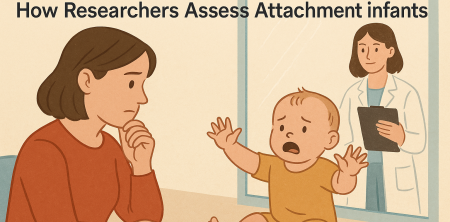
The Strange Situation Experiment is a structured observational study designed to assess the attachment behavior of infants aged between 12 and 18 months. Conducted in a controlled environment, the experiment involves a series of episodes where the infant is introduced to a series of separations and reunions with their caregiver and a stranger. The aim is to observe the child's responses and behaviors during these interactions.
This experiment has garnered significant attention because it categorizes attachment styles into distinct types: secure, anxious-ambivalent, and avoidant. Understanding these styles helps researchers and practitioners identify the emotional needs of children and offers insights into their future social and emotional well-being.
The Structure of the Experiment
The Strange Situation Experiment consists of eight episodes that unfold in a particular sequence:
- Episode 1: The caregiver, infant, and a stranger enter a room together.
- Episode 2: The caregiver and the stranger interact, allowing the infant to explore the environment.
- Episode 3: The caregiver leaves the room, leaving the infant with the stranger.
- Episode 4: The caregiver returns, while the stranger leaves.
- Episode 5: The caregiver departs again, leaving the infant alone.
- Episode 6: The stranger returns to comfort the infant.
- Episode 7: The caregiver returns, and the stranger leaves.
- Episode 8: The caregiver and infant are together, allowing the infant to express their attachment behavior.
Each of these episodes is carefully monitored, and the infant's behaviors are noted, particularly during separations and reunions. The observations reveal how infants react to changes in their environment and the emotional nuances of their attachment to their caregiver.
Attachment Styles Identified in the Experiment
Through the Strange Situation Experiment, Ainsworth identified three primary attachment styles:
1. Secure Attachment
Infants displaying secure attachment typically show distress when separated from their caregiver but are easily comforted upon reunion. They use their caregiver as a base for exploration, demonstrating confidence in their environment. This attachment style is often associated with responsive and sensitive caregiving.
2. Anxious-Ambivalent Attachment
Children with anxious-ambivalent attachment exhibit intense distress when separated but may display ambivalence upon reunion, often seeking closeness yet resisting contact. This may stem from inconsistent responses from caregivers, leading to confusion in the child about their emotional needs.
3. Avoidant Attachment
Infants who show avoidant attachment tend to avoid or ignore their caregiver, particularly during reunions. They may not exhibit distress when separated and often appear indifferent. This style can occur when caregivers are emotionally unavailable or unresponsive.
The Importance of Attachment Theory
Attachment theory posits that the bonds formed in early childhood have lasting implications for emotional and psychological development. Understanding attachment styles through the Strange Situation Experiment allows researchers and practitioners to guide interventions for children in need.
Securely attached children are generally better equipped to handle stress, develop healthy relationships, and exhibit emotional regulation as they grow. Conversely, children with insecure attachment styles may face challenges such as anxiety, low self-esteem, or difficulties in peer relationships. Recognizing these patterns can empower parents, caregivers, and educators to create supportive environments that foster healthy attachments.
Real-World Applications of the Experiment
The implications of the Strange Situation Experiment reach far beyond academic research. Clinicians, educators, and social workers utilize insights gained from attachment theory to shape practices in various fields. Here are a few of the areas influenced by this research: (See: Strange Situation on Wikipedia.)
1. Child Development Programs
Many early childhood education programs implement attachment-informed strategies. Educators trained in attachment theory can create classrooms that foster secure attachments, helping children feel safe and supported as they explore learning opportunities.
2. Parenting Support
Parenting programs often incorporate attachment theory to educate caregivers about the importance of responsiveness to their infants' needs. By understanding how their behaviors influence attachment styles, parents can adjust their approaches to nurture secure attachments.
3. Therapeutic Interventions
For children experiencing trauma or disruptions in attachment, therapists can leverage the findings from the Strange Situation Experiment to create tailored interventions. Understanding a child's attachment style can inform how therapists approach treatment, ensuring they address the underlying emotional needs.
Criticisms and Limitations of the Strange Situation Experiment
While the Strange Situation Experiment has provided valuable insights into attachment theory, it is not without its criticisms. Some researchers argue that the experiment may not capture the full complexity of human attachment, particularly in diverse cultural contexts.
For instance, the experiment is based on Western norms, where independence and self-reliance are often prioritized. In contrast, some cultures place a higher value on communal relationships and interdependence. Critics suggest that the behaviors observed in the Strange Situation Experiment may not accurately reflect attachment styles in non-Western populations.
Moreover, the focus on the mother-infant dyad has drawn scrutiny. Attachment can develop with multiple caregivers, and the dynamics within a family can be complex. Some researchers advocate for broader approaches to studying attachment that consider multiple attachments and the influence of various caregivers.
Current Relevance of the Strange Situation Experiment
Despite its limitations, the Strange Situation Experiment remains a cornerstone of attachment research. In contemporary psychology, the principles derived from this experiment continue to inform our understanding of child development. New studies are emerging that explore the long-term effects of attachment styles on adult relationships and mental health.
Recent research has expanded on Ainsworth's work by exploring the neurological underpinnings of attachment, demonstrating how the brain processes attachment-related experiences. Advances in neuroimaging technologies have allowed scientists to study the impact of early attachment experiences on brain development, leading to exciting new insights.
Attachment Styles Across Cultures
The impact of culture on attachment styles is an area of growing interest. In many cultures, attachment may manifest differently based on societal norms and parenting practices. For example, collectivist societies often prioritize group harmony and interdependence, which may influence caregiver behaviors and the way infants develop their attachment styles.
A comparative study involving Western and non-Western populations found that while secure attachment was a common outcome across cultures, the behavioral expressions of attachment varied significantly. For instance, infants from collectivist backgrounds may show less overt distress when separated from caregivers, as emotional restraint is often valued in these cultures. Understanding these differences can help researchers and practitioners develop culturally sensitive approaches to parenting and early childhood education.
Additional Insights on Attachment Styles
Understanding attachment styles can deepen our knowledge of emotional and relational patterns that extend beyond childhood. Research indicates that individuals often carry these attachment styles into adulthood, influencing romantic relationships and friendships. For instance, securely attached adults tend to have healthier, more stable relationships characterized by effective communication and emotional intimacy.
In contrast, those with anxious or avoidant attachment styles may struggle with relationship dynamics, often exhibiting either clinginess or emotional distance. This correlation underscores the importance of early attachment experiences and their long-term impact on interpersonal relationships.
Influence of Attachment on Mental Health
Attachment styles have been linked to various mental health outcomes, with significant implications for therapy and treatment. Studies have shown that individuals with insecure attachment styles are at higher risk for developing anxiety disorders, depression, and personality disorders. Understanding a client's attachment style can assist therapists in developing effective treatment plans that address these underlying issues.
For example, a therapist working with an avoidantly attached client might focus on building trust and encouraging emotional expression, while someone with an anxious attachment style might benefit from developing coping strategies for managing fears of abandonment. (See: Infant Mental Health by CDC.)
Common Myths about Attachment Styles
There are several misconceptions surrounding attachment styles that can lead to misunderstanding their implications. Here are some common myths:
Myth 1: Attachment Styles Are Fixed
Many believe that attachment styles are unchangeable throughout life. While early experiences significantly shape attachment, it's important to note that individuals can develop new attachment styles through therapy, positive relationships, and personal growth.
Myth 2: Secure Attachment Is the Only Good Attachment Style
While secure attachment is ideal, it's crucial to recognize that those with insecure attachments can still lead fulfilling lives and develop meaningful relationships. Awareness of one’s attachment style can serve as a pathway to growth and understanding.
Myth 3: Insecure Attachments Are Always Harmful
Though insecure attachment styles may pose challenges, they can also serve as opportunities for personal development. Many individuals with insecure attachments can learn to navigate their relational challenges and develop resilience.
Strategies for Fostering Secure Attachments
Creating an environment that encourages secure attachments can have lasting benefits for children. Here are some practical strategies for caregivers and parents:
1. Consistent Responsiveness
Being consistently available and responsive to a child's needs is crucial for developing secure attachments. This doesn't mean catering to every whim, but rather recognizing and appropriately addressing emotional and physical needs.
2. Encourage Exploration
Providing a safe space for exploration is essential. Allowing children to explore their surroundings while knowing they can return to a supportive caregiver fosters confidence and security.
3. Promote Open Communication
Encouraging children to express their feelings and thoughts openly fosters emotional security. This can be achieved through active listening and validating their emotions.
Frequently Asked Questions About the Strange Situation Experiment
What age group is the Strange Situation Experiment designed for?
The experiment is primarily designed for infants aged 12 to 18 months, as this is the developmental stage where attachment behaviors are most observable.
How long does the Strange Situation Experiment take?
The entire experiment typically lasts about 20-30 minutes, with each of the eight episodes lasting a few minutes each, depending on the infant's reactions.
Are there different variations of the Strange Situation Experiment?
Yes, while Ainsworth's original version is the most well-known, researchers have adapted the experiment to assess attachment in different contexts and age groups. These variations help to understand attachment across diverse populations.
Can attachment styles change over time?
Yes, attachment styles can change throughout a person's life due to new experiences, relationships, and therapeutic interventions. Awareness of one’s attachment style is the first step toward growth and change.
Is the Strange Situation Experiment still relevant today?
Absolutely! The principles of the Strange Situation Experiment continue to influence contemporary research and practice in psychology, child development, and mental health. Its insights remain foundational to understanding human relationships.
Impacts of the Strange Situation Experiment on Modern Parenting
The insights gained from the Strange Situation Experiment have not only enriched psychological research but also significantly influenced modern parenting practices. Parents today are more aware of how their attachment behaviors can shape their child's emotional development. For instance, many parenting classes now emphasize the importance of consistent and responsive caregiving as a key factor in fostering secure attachments.
Books and resources on attachment parenting encourage parents to be attuned to their child's needs, promoting behaviors that support a secure attachment. This movement emphasizes the value of empathy, presence, and understanding in nurturing children.
Moreover, as awareness of mental health has grown, parents are also increasingly concerned about the long-term effects of attachment styles on their children's well-being. This has led to a greater emphasis on emotional literacy, encouraging parents to help their children articulate their feelings and understand their emotional experiences.
Long-Term Effects of Attachment Styles in Adulthood
The impact of early attachment experiences often extends well into adulthood, shaping interpersonal relationships, self-esteem, and mental health. Research indicates that securely attached individuals tend to develop healthier romantic relationships, characterized by trust, effective communication, and emotional support. They are more likely to establish intimate connections and navigate conflicts in a constructive manner.
In contrast, adults with anxious attachment styles may experience relationship anxiety or clinginess, driven by fears of abandonment. They might struggle to feel secure in relationships and often seek constant reassurance from partners. On the other hand, those with avoidant attachment styles might find it challenging to engage emotionally, often prioritizing independence over intimacy.
Understanding these patterns can help individuals recognize their relational tendencies and work toward healthier interactions in their personal lives. Therapy focusing on attachment can assist individuals in shifting their attachment styles towards a more secure orientation, fostering resilience and improved relationship dynamics.
Conclusion
The Strange Situation Experiment is more than just a series of observations; it’s a vital tool in understanding the foundations of human relationships. By assessing attachment styles in infants, researchers have laid the groundwork for a deeper comprehension of emotional health throughout life. As we continue to explore the nuances of attachment, we can cultivate environments that promote secure connections, fostering healthier generations to come. The journey of understanding attachment is ongoing, but the insights gained from this classic experiment remain timeless and invaluable.
```
Trending Now
Frequently Asked Questions
What is the Strange Situation Experiment?
The Strange Situation Experiment is a structured observational study developed by Mary Ainsworth to assess attachment behaviors in infants aged 12 to 18 months. It involves a series of separations and reunions with caregivers and strangers to observe the infant's emotional responses and categorize their attachment styles.
How does the Strange Situation Experiment work?
The experiment consists of eight episodes where an infant interacts with their caregiver and a stranger in a controlled setting. This includes separations and reunions that allow researchers to observe the infant's behavior and responses, helping to identify their attachment style.
What are the different attachment styles identified by the Strange Situation Experiment?
The Strange Situation Experiment categorizes attachment styles into three main types: secure, anxious-ambivalent, and avoidant. Each style reflects different patterns of behavior and emotional responses during separations and reunions with caregivers.
Why is the Strange Situation Experiment important?
This experiment is crucial for understanding infant attachment as it provides insights into emotional development and future relationships. Identifying attachment styles can help caregivers and practitioners address children's emotional needs effectively.
At what age is the Strange Situation Experiment conducted?
The Strange Situation Experiment is typically conducted with infants aged between 12 and 18 months. This age range allows researchers to effectively observe attachment behaviors during critical developmental stages.
What did we miss? Let us know in the comments and join the conversation.

