```html
Understanding the dynamics of early childhood development can be a fascinating journey, particularly when exploring the concepts of object permanence in babies and separation anxiety. These two phenomena, while distinct, are intricately connected and play significant roles in how infants interact with their world and the people in it.
What is Object Permanence?
At its core, object permanence refers to the understanding that objects continue to exist even when they are out of sight. This concept was first introduced by developmental psychologist Jean Piaget, who proposed that children under the age of two lack this understanding. According to Piaget, infants perceive the world through their immediate experiences. Before achieving object permanence, if a toy is hidden from view, the child may believe it has vanished entirely.
This cognitive development milestone typically begins to emerge around 4 to 7 months of age and becomes more robust by the time the child reaches about 12 months. As babies develop this understanding, they start to seek out hidden objects, indicating their growing cognitive abilities.
The Development of Separation Anxiety
Separation anxiety is another critical aspect of infant development, usually surfacing between 8 and 14 months. This phase is characterized by distress when the caregiver leaves the room or is no longer visible. Babies may cry, become clingy, or express frustration, signaling their emotional attachment to the caregiver. While this behavior can be unsettling for parents, it is entirely normal and signifies a healthy emotional connection between the baby and caregiver.
As babies begin to understand their surroundings and form attachments, the idea of separation can provoke anxiety. It is essential to recognize that this phase will typically diminish as children grow and develop a more robust understanding of their environments and relationships. However, it is crucial to explore how the concepts of object permanence and separation anxiety intertwine during this formative period.
The Link Between Object Permanence and Separation Anxiety
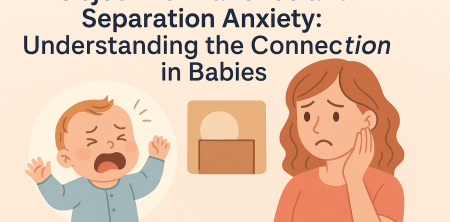
The relationship between object permanence in babies and separation anxiety is fascinating. Understanding this connection can provide insight into how infants process their world and emotional experiences. When a baby starts to grasp the concept of object permanence, they begin to understand that their primary caregiver, while out of sight, is not gone forever. However, if a child struggles with object permanence, they may not yet comprehend that their caregiver will return, which can exacerbate feelings of anxiety during separations.
This cognitive disconnect often manifests as intense distress when the caregiver leaves. For instance, a child who has yet to fully grasp object permanence might perceive their absence as a permanent loss, leading to heightened separation anxiety. Conversely, as a child’s understanding of object permanence strengthens, they can begin to manage separations with greater ease. They may learn to self-soothe or engage with toys while waiting for their caregiver’s return, displaying improved emotional regulation.
Stages of Object Permanence Development
Understanding the stages of object permanence can help caregivers support their child’s emotional development. Generally, there are four key stages through which infants progress:
- Stage 1 (0-4 months): In this initial stage, babies are primarily focused on their immediate sensory experiences. They do not yet search for objects that they can no longer see.
- Stage 2 (4-8 months): During this stage, infants begin to search for partially hidden objects. If a toy is partially covered by a blanket, the child may attempt to reveal it.
- Stage 3 (8-12 months): Babies in this stage can successfully find an object that is completely hidden from view, indicating a more developed understanding of permanence.
- Stage 4 (12 months and beyond): By this point, infants can anticipate where an object might appear and engage in more complex problem-solving.
As parents and caregivers observe these stages, they can encourage exploration and play, which can help children reinforce their understanding of object permanence and alleviate separation anxiety. (See: Understanding object permanence.)
Practical Insights: Supporting Development
Understanding the connection between object permanence in babies and separation anxiety opens up avenues for caregivers to support their child's development effectively. Here are some practical strategies:
- Play Peek-a-Boo: This classic game not only entertains but also helps reinforce the concept of object permanence. It teaches infants that even when a person is out of sight, they still exist.
- Encourage Exploration: Providing a safe space for infants to explore supports their cognitive development. Allow them to engage with various toys and objects; this encourages them to practice searching for hidden items.
- Practice Short Separations: Gradually introducing short separations can help infants become accustomed to being away from caregivers. Start with brief absences and gradually extend them as the child becomes more comfortable.
- Maintain Consistency: Keeping routines consistent can give infants a sense of security. Knowing when a caregiver will be available helps reduce anxiety associated with separations.
These strategies can help mitigate the effects of separation anxiety and foster a better understanding of object permanence as infants grow.
Current Research and Perspectives
Recent studies have explored the connection between object permanence and separation anxiety, affirming Piaget's original theories while also adding new dimensions to our understanding. Research indicates that the development of object permanence is not a linear process; instead, it can be influenced by various factors, including the child’s environment, relationship with caregivers, and even cultural contexts.
For example, a study published in the journal Developmental Psychology highlighted how infants from different cultural backgrounds demonstrate varying timelines of achieving object permanence. In communities where infants have more opportunities for social interaction and engagement, the milestones associated with object permanence tend to be reached earlier. This finding underscores the importance of nurturing environments that promote cognitive and emotional development.
Responding to Separation Anxiety
When separation anxiety surfaces, it can be challenging for both infants and caregivers. Understanding how to respond effectively can alleviate distress for both parties. Here are some tips for addressing separation anxiety in a constructive manner:
- Stay Calm: Infants are highly attuned to their caregivers' emotions. If you remain calm and composed during separations, it can help reassure your child.
- Practice Consistent Goodbyes: Establishing a routine for saying goodbye can help children transition more smoothly. Avoid sneaking away, as this can increase anxiety.
- Offer Comfort Objects: Providing a familiar toy or blanket can provide comfort during separations, reinforcing a sense of security.
- Encourage Independence: Allowing infants to play independently in safe environments can help them build confidence in being apart from their caregivers.
By implementing these strategies, caregivers can help infants cope with separation anxiety while also reinforcing their understanding of object permanence.
Why Object Permanence Matters
Understanding object permanence in babies is crucial not just for developmental psychology but also for practical parenting. A strong grasp of this concept can have lasting implications for a child's cognitive and emotional well-being. For instance, mastering object permanence lays the foundation for future skills such as memory, problem-solving, and emotional regulation.
Studies have indicated that children who develop object permanence skills earlier may also perform better in tasks requiring memory recall. This is particularly important in educational settings where the ability to remember and recognize information is vital for academic success.
Statistics on Object Permanence Development
The timeline for achieving object permanence is surprisingly consistent across varied populations, though individual differences exist. Research indicates that:
- Approximately 50% of infants exhibit signs of object permanence by 6 months.
- By 8 months, around 70% of infants can successfully find hidden objects.
- By 12 months, nearly all infants demonstrate a firm understanding of the concept.
These statistics not only highlight the developmental milestones but also serve as a guide for parents and caregivers to recognize when to engage more with their child to foster these cognitive skills. (See: CDC on infant development milestones.)
Expert Opinions on Object Permanence and Separation Anxiety
Experts in child development emphasize the importance of nurturing environments that facilitate the comprehension of object permanence. Dr. Sarah Johnson, a developmental psychologist, states, "The ability to understand that objects exist even when they are not visible is fundamental for a child’s cognitive development. It also plays a significant role in how they cope with separations and the emotions that accompany them."
Furthermore, pediatrician Dr. Mark Daniels emphasizes, "Parents should recognize that separation anxiety is a natural phase that often coincides with the understanding of object permanence. Responding to it with empathy and support can help ease the transition for both the infant and the caregiver."
Common Myths About Object Permanence
There are several myths surrounding the concept of object permanence that can mislead caregivers. Here are a few:
- Myth 1: Object permanence develops all at once.
Reality: It's a gradual process that unfolds in stages, as outlined earlier. - Myth 2: All babies understand object permanence by 12 months.
Reality: While most do, individual differences can lead to variations in development. - Myth 3: Babies don’t miss their caregivers when they leave.
Reality: Even before they fully understand object permanence, babies can experience distress when separated.
FAQ: Object Permanence in Babies
Q: What age do babies understand object permanence?
A: Most babies begin to show signs of understanding object permanence between 4 to 7 months, with a more robust grasp typically developed by 12 months.
Q: How can I help my baby develop object permanence?
A: Engaging in games like peek-a-boo, encouraging exploration of toys, and practicing short separations can help strengthen your baby's understanding of object permanence.
Q: Is separation anxiety a sign of a problem?
A: No, separation anxiety is a normal phase of development that many infants experience. It indicates a healthy attachment to the caregiver.
Q: How long does separation anxiety last?
A: Separation anxiety typically peaks between 8 to 14 months and will usually diminish as the child grows older and develops better cognitive skills.
Q: Are there cultural differences in experiencing object permanence?
A: Yes, research shows that infants from different cultural backgrounds may experience the development of object permanence at varying times, often influenced by their social interactions and environments.
Q: Can the environment impact the development of object permanence?
A: Absolutely! Environments rich in social interactions and cognitive stimulation can accelerate the development of object permanence in infants.
Q: How can I tell if my baby is struggling with separation anxiety?
A: Signs of separation anxiety can include excessive crying when you leave, clinginess, or refusal to interact with others when separated from you. It's a normal phase, but if it becomes severe or prolonged, consulting a pediatrician may be helpful.
Understanding Variations in Object Permanence Development
It's essential to recognize that every child is unique, and their development will vary. Factors such as temperament, family dynamics, and exposure to different experiences can influence how and when a baby grasps object permanence. For example, some infants may display a high level of curiosity, leading them to explore their environment more thoroughly, which can enhance their understanding of object permanence. In contrast, more cautious infants might take longer to develop this skill.
Encouraging Cognitive Growth Through Play
Play is a natural and vital part of learning for infants. Engaging in interactive play can significantly aid in developing object permanence. Activities such as hiding toys under cups or blankets and encouraging the baby to find them can reinforce the concept in a fun and engaging manner. Additionally, sensory play—like playing with different textures or sounds—can stimulate cognitive development and help babies make connections about their environment.
Connecting Object Permanence to Later Development
The understanding of object permanence doesn't just matter in infancy; it lays the groundwork for more complex cognitive abilities later in life. As children mature, their grasp of object permanence will influence various skills, including memory, problem-solving, and the ability to follow narratives. Children who demonstrate a strong understanding of object permanence tend to engage more thoroughly with their surroundings, leading to deeper learning experiences in toddlerhood and beyond.
Final Thoughts: The Journey of Development
As caregivers, understanding the stages and significance of object permanence in babies can foster a nurturing environment for growth. Each stage of development presents opportunities for connection, learning, and emotional bonding. By providing support, engaging in play, and responding to their emotional needs, you can enhance your child’s cognitive and emotional journey during these formative years.
Understanding these concepts not only enhances the caregiver-child relationship but also equips parents with the tools to promote healthy emotional and cognitive development in their infants.
```
Trending Now
Frequently Asked Questions
What is object permanence in babies?
Object permanence is the understanding that objects continue to exist even when they are not visible. This concept typically begins to emerge in infants around 4 to 7 months of age, allowing them to seek out hidden objects, indicating their developing cognitive abilities.
What age does separation anxiety start in infants?
Separation anxiety usually begins between 8 and 14 months of age. During this phase, babies may show distress when a caregiver leaves, signaling their emotional attachment and the development of their understanding of relationships.
How are object permanence and separation anxiety connected?
Object permanence and separation anxiety are interconnected as both relate to an infant's cognitive and emotional development. As babies learn that objects exist out of sight, they also become more aware of separations from caregivers, which can trigger anxiety as they seek reassurance of their presence.
What are the signs of separation anxiety in babies?
Signs of separation anxiety in babies include crying, clinginess, and frustration when a caregiver leaves the room. These behaviors indicate a healthy emotional attachment and are typical during the developmental phase that occurs between 8 and 14 months.
When do babies fully understand object permanence?
Babies typically develop a robust understanding of object permanence by around 12 months of age. At this stage, they can consistently search for hidden objects, demonstrating their cognitive growth and understanding of the world around them.
Agree or disagree? Drop a comment and tell us what you think.

