```html
Understanding Parallel Play: A Foundation for Learning
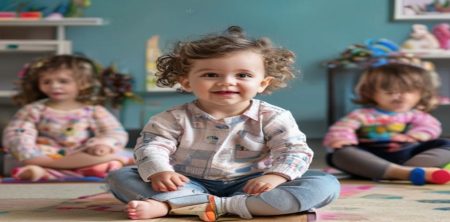
Parallel play in toddler classrooms is a crucial developmental stage where young children engage in activities side by side, yet independently. This form of play is not merely a transitional phase towards more complex social interactions, such as cooperative play, but rather a foundational aspect of a child's social, emotional, and cognitive growth. Understanding the significance of parallel play helps educators design environments that nurture this natural inclination.
Research indicates that parallel play typically occurs between the ages of 2 and 3 years, where children observe and interact with peers without direct engagement. This method of play fosters essential skills such as creativity, problem-solving, and self-regulation. By providing a space that encourages parallel play, educators can facilitate a rich learning experience that caters to toddlers' developmental needs.
The Benefits of Parallel Play in Early Childhood Education
One of the most compelling reasons to emphasize parallel play in toddler classrooms is the myriad of benefits it offers to young learners. Here are some critical advantages:
- Social Skills Development: Even though toddlers play independently, they learn vital social cues by observing their peers. Watching how others handle toys, share space, or express emotions lays the groundwork for future cooperative interaction.
- Boosting Independence: Parallel play encourages autonomy as children select their activities, decide on the level of interaction, and navigate their play experiences. This independence is crucial for building self-esteem.
- Cognitive Growth: Engaging in parallel play activities allows toddlers to explore their interests. As they experiment with different toys and materials, they develop critical thinking and problem-solving skills.
- Emotional Regulation: Playing alongside others helps toddlers learn to manage their emotions. They experience frustration, joy, and cooperation, which are essential for emotional intelligence.
Creating the Right Environment for Parallel Play
To support parallel play in toddler classrooms effectively, the physical environment must be thoughtfully designed. Here’s how educators can create spaces that foster this type of play:
1. Flexible Spaces
Designing flexible learning spaces is key. Classrooms should have various areas equipped with different types of toys and activities. For instance, a block area can encourage construction, while a sensory play table can engage toddlers in tactile experiences. By allowing children to choose where they play, educators facilitate parallel interactions that cater to individual interests.
2. Accessible Materials
Toddlers should have easy access to a diverse range of materials and resources. This accessibility promotes exploration and encourages them to engage in parallel play. Items like art supplies, building blocks, and imaginative play props should be available at their height and within reach, so they can independently select what they want to use.
3. Designated Play Zones
Creating specific zones for different activities helps structure the classroom while giving children the freedom to choose their play. For example, a quiet corner with books and soft seating can invite solitary play, while a more active corner with climbing structures can support energetic play. Zoning encourages children to engage alongside their peers without feeling pressured to interact directly.
Strategies to Facilitate Parallel Play
Once a conducive environment is established, educators can implement various strategies to foster parallel play effectively. Here are some methods that have proven successful:
1. Model Play Behavior
As educators, modeling play behavior is essential. Engage in parallel play yourself, demonstrating how to interact with toys or materials. By showing toddlers how to use items creatively, you invite them to do the same, encouraging them to play alongside you and their peers.
2. Encourage Observation
Encouraging toddlers to observe their peers can be a powerful tool in parallel play. Create opportunities for children to watch others engage with the same materials. For instance, if one child is stacking blocks, another might be inspired to try it too, even without direct interaction. This observational learning is invaluable in building social and cognitive skills.
3. Use Open-Ended Questions
Asking open-ended questions can stimulate children's thinking and inspire them to expand their play. Questions like, "What do you think will happen if you add more blocks?" or "How can you make your tower taller?" encourage toddlers to think creatively and engage with their peers, fostering a sense of connection through play.
Understanding the Role of Educators in Parallel Play
The role of educators in facilitating parallel play is multifaceted. They must observe, guide, and provide support without interrupting the natural flow of play. Here’s how educators can maximize their impact:
1. Observe and Assess
Observation is a powerful tool for educators. By watching how toddlers interact during parallel play, educators can identify children's interests, strengths, and areas for growth. This information can then be used to tailor activities and materials that resonate with the children, making their play experiences more enriching.
2. Foster a Positive Atmosphere
Creating a warm and welcoming classroom environment is crucial for encouraging parallel play. When children feel secure and valued, they are more likely to engage with their peers. Simple strategies, like providing positive reinforcement and celebrating individual achievements, can significantly enhance the sense of community in the classroom.
3. Facilitate Connections
While parallel play is independent, educators can help facilitate connections. For instance, if two children are engaged in similar activities, teachers can gently encourage them to share ideas or take turns. This approach helps toddlers transition to cooperative play while still honoring their need for independence.
Challenges and Solutions in Supporting Parallel Play
While parallel play is beneficial, it comes with its own set of challenges. Here are some common issues educators may face, along with practical solutions:
1. Limited Resources
In many classrooms, resources can be scarce. However, educators can be resourceful in using everyday materials. Items like cardboard boxes, recycled containers, and fabric scraps can be transformed into various play activities that support parallel engagement. Thinking outside the box can yield creative solutions that enrich the learning environment.
2. Social Conflicts
Even in parallel play, conflicts can arise, especially when toddlers vie for the same toys or space. Educators can implement conflict resolution strategies by encouraging kids to express their feelings and find mutually agreeable solutions. Teaching children to communicate effectively is a vital skill that will benefit them throughout their lives.
3. Diverse Learning Styles
Every child is unique, with different learning styles and preferences. To address this, educators can offer a variety of activities that cater to diverse interests. By providing options, such as quiet play, active play, and sensory activities, children can gravitate towards what resonates with them while still participating in parallel play.
Incorporating Family Engagement
Family involvement plays a vital role in reinforcing parallel play principles at home. Educators can promote this connection by offering insights and strategies for parents. Here are some ways to engage families:
1. Share Resources
Providing families with resources, such as articles or workshops on the importance of parallel play, can empower them to support their children’s development at home. Sharing tips on selecting age-appropriate toys that encourage independent play can also reinforce classroom learning.
2. Encourage Family Play Time
Encouraging families to set aside time for play can enhance the importance of parallel play in various settings. Parents can be encouraged to create environments at home that mirror the classroom setup, allowing children to practice skills learned in school while feeling supported by their families.
3. Organize Family Events
Hosting family events that focus on play can foster a sense of community and show parents the benefits of parallel play. Activities like playdays, workshops, or family challenges can engage both children and adults in the importance of supportive play environments.
Current Trends in Early Childhood Education
As educational philosophies evolve, the recognition of the importance of play in early childhood education continues to gain traction. Current trends emphasize the significance of play-based learning, with a focus on parallel play as a mainstay of development. Here are some trends influencing this area:
1. Child-Centered Learning
There’s a strong shift towards child-centered approaches that prioritize play as a vehicle for learning. Educators are increasingly recognizing that allowing children to lead their play experiences fosters deeper engagement and learning outcomes. This philosophy aligns perfectly with the principles of parallel play.
2. Advocacy for Outdoor Play
With the growing emphasis on the benefits of outdoor play, many educators are incorporating natural elements into their classrooms. Outdoor environments provide ample opportunities for parallel play, as children can explore, experiment, and engage in physical activities together while still maintaining their independence.
3. Technology Integration
While technology in early education has its debates, some educators are finding ways to incorporate it positively. Interactive screens or apps can complement parallel play by allowing children to engage with digital play experiences that also promote social interaction.
The Future of Parallel Play in Toddler Classrooms
As the understanding of child development evolves, so too does the perspective on parallel play in toddler classrooms. Educators are increasingly acknowledging the importance of nurturing this form of play as a vital component of early learning.
The future will likely see a greater emphasis on training educators to create environments that support parallel play effectively. Professional development opportunities focused on play-based learning methods, as well as the integration of family involvement, will only enhance the effectiveness of parallel play strategies.
Ultimately, by prioritizing parallel play in toddler classrooms, we are not only supporting children's immediate learning needs but also laying the groundwork for lifelong skills. As educators, when we recognize the power of play, we unlock a world of potential for our youngest learners.
Exploring the Psychological Perspective on Parallel Play
Diving into the psychological aspect of parallel play reveals how this stage serves as a crucial stepping stone in children's social development. According to developmental psychologist Jean Piaget, parallel play is part of the preoperational stage where children begin to form their understanding of the world through direct experiences. This is not merely an individual activity; it's a vital phase that sets the stage for more advanced social behaviors.
Psychologists like Lev Vygotsky emphasize the importance of social interactions in cognitive development. Parallel play allows children to observe their peers, which can inspire them to mimic behaviors and explore new activities. This observational learning is incredibly valuable as children learn to navigate their environment by watching others, forming a basis for future collaborative play.
Statistics on Parallel Play in Early Childhood Settings
Understanding the prevalence and effectiveness of parallel play can be supported by various statistics. A study conducted by the National Association for the Education of Young Children (NAEYC) found that 87% of educators believe that parallel play is an essential part of learning for toddlers. Additionally, 75% of educators reported that they have witnessed improvements in social skills among toddlers who frequently engage in parallel play.
Another survey indicated that children who participated in structured parallel play activities demonstrated a 30% increase in problem-solving skills compared to those who engaged in solitary play. These statistics illustrate the tangible benefits of incorporating parallel play into early childhood education.
Comparing Parallel Play with Other Play Types
It can be helpful to differentiate parallel play from other forms of play to gain a clearer understanding of its unique benefits. Here’s how parallel play compares to solitary and cooperative play:
- Parallel Play: In this type, children play in close proximity but do not interact with one another. They might build with blocks or paint at adjacent easels. The focus is on individual exploration, but they are still influenced by their peers' actions.
- Solitary Play: This occurs when children play alone with little or no interest in what others are doing. While solitary play is crucial for individual exploration and creativity, it lacks the social aspect that parallel play provides.
- Cooperative Play: This is when children start to interact and collaborate on activities. Cooperative play builds on the foundation laid by parallel play, where children learn to share, negotiate, and work together towards a common goal.
Understanding these distinctions can help educators employ different play strategies at various developmental stages, ensuring that toddlers receive a well-rounded play experience.
Frequently Asked Questions About Parallel Play in Toddler Classrooms
1. What age does parallel play typically begin?
Parallel play usually starts around the age of 2 and continues until about age 3. During this time, toddlers prefer to play alongside their peers rather than directly interacting.
2. How can parents encourage parallel play at home?
Parents can promote parallel play by creating play spaces where children can choose their activities. Providing varied toys and materials that can be utilized independently while still being near siblings or peers is beneficial.
3. Is parallel play important for later social skills?
Yes, parallel play is essential for developing social skills. It allows children to observe others, learn social cues, and practice self-regulation, which are all critical for later cooperative play.
4. How do educators assess parallel play in the classroom?
Educators assess parallel play by observing interactions and noting how often children engage alongside each other. They look for signs of shared interest, such as selecting similar toys or mirroring actions.
5. Can parallel play occur in large groups?
Yes, parallel play can occur in larger groups. However, the structure of the environment must allow for individual activities while still being in close proximity to peers for the benefits to manifest.
6. What should educators do if a child prefers solitary play?
If a child consistently prefers solitary play, educators should gently encourage parallel interactions by providing opportunities for them to engage with peers. This can include inviting them to join a nearby activity or providing toys that naturally promote interaction.
Benefits of Parallel Play for Diverse Learners
Parallel play is particularly beneficial for diverse learners, including those with different abilities and backgrounds. For children with special needs, parallel play can serve as a non-threatening way to engage socially without the pressures of direct interaction. This type of play allows them to build confidence at their own pace while still being present in a social environment.
Additionally, parallel play can support English language learners (ELLs) by providing an opportunity to observe and pick up on social cues and language usage through play. Through the context of play, children can learn new vocabulary and phrases organically by watching and listening to their peers, creating a rich, immersive language experience.
The Cultural Perspective on Play
The concept of play varies significantly across cultures, and understanding these differences can enhance the implementation of parallel play techniques in diverse classrooms. In some cultures, play is seen primarily as a communal activity, while others emphasize individual exploration. Recognizing these cultural nuances can help educators create an inclusive environment that respects and integrates various play styles.
For instance, educators can incorporate culturally relevant materials and activities that reflect the backgrounds of the children in the classroom. This practice not only validates the children's experiences but also encourages parallel play by providing relatable contexts in which children feel comfortable and engaged.
Conclusion: The Lasting Impact of Parallel Play
Understanding and supporting parallel play in toddler classrooms is not just about fostering immediate social interactions; it's about laying a foundation for lifelong skills. The skills learned during this stage influence everything from emotional regulation to collaborative problem-solving in later years. As educators and caregivers, recognizing the importance of parallel play allows us to create environments that nurture young children’s growth in all developmental areas. By embracing this approach, we set our youngest learners on a path toward successful and fulfilling social experiences throughout their lives.
```
Trending Now
- this guide on “the role of the more knowledgeable other in vygotsky’s learning theory”
- this guide on “building self-esteem in children with learning disabilities”
- the complete explanation
- our breakdown of “how to request a 504 plan for your child: a step-by-step guide for parents”
- this guide on “how to monitor and update your child’s 504 plan for continued success”
Frequently Asked Questions
What is parallel play in toddler classrooms?
Parallel play is a developmental stage where toddlers engage in activities side by side without direct interaction. It typically occurs between the ages of 2 and 3 years, enabling children to observe their peers and learn essential social cues, fostering creativity and problem-solving skills.
What are the benefits of parallel play for toddlers?
Parallel play offers numerous benefits, including the development of social skills as children observe their peers, encouragement of independence through self-directed activities, cognitive growth from exploring interests, and emotional regulation by learning to manage feelings while playing alongside others.
How can educators support parallel play in classrooms?
Educators can support parallel play by designing environments that provide various engaging activities and materials. Creating spaces that allow toddlers to play independently while being near peers encourages observation and interaction, fostering a rich learning experience tailored to their developmental needs.
At what age does parallel play typically occur?
Parallel play generally occurs between the ages of 2 and 3 years. During this stage, toddlers engage in play alongside other children, observing and learning from each other while maintaining their independence in play activities.
Why is parallel play important for early childhood education?
Parallel play is essential in early childhood education as it lays the foundation for social, emotional, and cognitive development. It helps toddlers build social skills, enhances their independence, promotes cognitive growth, and teaches emotional regulation, all vital for their overall development.
Have you experienced this yourself? We'd love to hear your story in the comments.

