```html
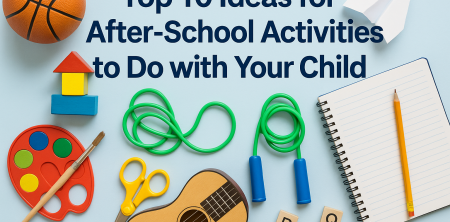
Finding engaging after-school activities for kids can be a challenging yet rewarding task for parents. With a jam-packed school day, it’s essential to choose activities that are not only fun but also support your child's development and interests. In this article, we’ll explore ten ideas for after-school activities that will keep your kids engaged, active, and learning, all while having a blast.
1. Artistic Expression Through Crafting
Art is a fantastic outlet for children to express their creativity. Crafting can take many forms — from painting and drawing to building models or creating scrapbooks. These activities not only stimulate imagination but also enhance fine motor skills and problem-solving abilities.
Consider setting up a crafting station at home stocked with various materials such as papers, colors, scissors, glue, and even recycled items. Organizing themed craft sessions, like holiday decorations or birthday gifts, can make the experience more exciting for your child. Plus, this is a great opportunity to connect with your child and perhaps even join in on the fun!
2. Outdoor Adventures and Nature Walks
Getting outside and exploring nature is an excellent way for kids to burn off energy and learn about their environment. Outdoor activities can range from simple walks in the park to more structured explorations like scavenger hunts or nature photography.
Plan a weekly adventure where you and your child visit different parks or nature reserves. Equip them with a small backpack filled with essentials like a water bottle, snacks, and a notebook for jotting down observations. This encourages curiosity and instills a love for nature while providing a break from screen time.
3. Fun with Science Experiments
Science can be incredibly entertaining, especially when kids can participate in hands-on experiments. Simple projects using household items can ignite a passion for learning. Whether it’s creating volcanic eruptions with baking soda and vinegar or growing crystals from sugar, the possibilities are endless.
Set aside a regular "science night" where you explore different experiments each week. You can find numerous resources online that offer guides and ideas tailored to various age groups. Not only will this nurture critical thinking skills, but it will also make learning feel less like a chore and more like an adventure!
4. Cooking Together
Cooking is an essential life skill, and what better way to bond with your child than in the kitchen? Engaging in cooking activities can teach kids about nutrition, measurements, and following instructions while allowing them to express their creativity through food.
Choose recipes that are age-appropriate and involve simple tasks such as measuring ingredients, stirring, and decorating. You could even have themed nights where you explore different cuisines from around the world. Remember, cooking isn't just about the end product; it’s about enjoying the process and creating memories that will last a lifetime.
5. Sports and Physical Activities
Encouraging physical activity is crucial for children, and there are countless after-school sports and activities to choose from. Whether it’s soccer, swimming, gymnastics, or martial arts, finding a sport that your child enjoys can foster teamwork, confidence, and discipline.
Consider signing your child up for classes or joining a local sports team. Not only will this provide structure to their after-school routine, but it also helps them develop social skills and build friendships. If formal sports aren’t their thing, simply playing catch in the backyard or going for bike rides can be just as beneficial.
6. Reading and Book Clubs
Introducing your child to the joys of reading can be one of the most rewarding activities. Establishing a daily reading routine can help improve literacy skills, spark imagination, and expand vocabulary. To make this experience even more enjoyable, consider forming a small book club with friends or family. (See: CDC guidelines on physical activity for youth.)
Choose a theme or genre each month and encourage your child to discuss their favorite parts of the book. This not only makes reading fun but also enhances comprehension and critical thinking skills. Visits to the library or local bookstore can turn into exciting outings where they can choose their next read.
7. Gardening and Learning About Plants
Gardening is a fantastic after-school activity that teaches kids about the environment, responsibility, and patience. Setting up a small garden at home or even starting with potted plants can be an excellent way to engage your child with nature.
Involve them in the whole process — from selecting seeds, planting, watering, and ultimately harvesting. Discuss the growth cycle and the benefits of plants for our ecosystem. This hands-on experience not only instills a sense of accomplishment but also educates them on sustainability and healthy eating.
8. Music and Dance
Music and dance are powerful forms of self-expression. Encouraging your child to explore these activities can help them develop rhythm, coordination, and confidence. Consider enrolling them in music lessons, dance classes, or even just having a dance party at home.
Incorporating music into your daily routine — whether through sing-alongs in the car or showcasing different genres at home — can expose your child to various cultural experiences. You could also explore musical instruments, encouraging them to play or create their own music. This not only enhances creativity but can also be a great stress reliever.
9. Community Service and Volunteering
Engaging in community service is an impactful way for kids to understand the importance of giving back. Finding local charities or organizations that resonate with your family’s values can help instill a sense of empathy and social responsibility in your child.
Participating in activities like food drives, park cleanups, or volunteering at animal shelters can create lasting memories and teach kids valuable life lessons. It’s a great way to bond as a family while making a positive difference in your community.
10. Building and Engineering Projects
For children with an interest in construction or engineering, building projects can provide hours of entertainment and learning. Whether it’s assembling a model kit, constructing a birdhouse, or creating a fort from household items, these activities can foster imaginative play and problem-solving skills.
Encourage your child to take on various projects that challenge their creativity and technical skills. You can even incorporate basic engineering concepts by discussing the principles of design and structure as you work together on these projects. This not only enhances critical thinking but also promotes confidence in their abilities.
11. Drama and Theater
Engaging in drama and theater activities can significantly boost your child's self-esteem and communication skills. Joining a local theater group or even putting on a play at home allows kids to step out of their comfort zone, express their emotions, and collaborate with peers. This kind of participation can teach them about teamwork, discipline, and the art of performance.
Consider helping your child write a short script or adapt a favorite story into a play. This not only nurtures creativity but also encourages them to think critically about storytelling and character development. Hosting a family performance night can make it even more special, providing a chance for the whole family to support your little star!
12. Technology and Coding
In our rapidly evolving digital world, understanding technology is more important than ever. Introducing your child to coding through engaging games and applications can spark an interest in computer science and problem-solving. There are numerous platforms available, like Scratch and Code.org, that make learning to code fun and interactive for kids.
You could create coding challenges or projects together, like designing a simple video game or building a website. Encourage your child to collaborate with friends on projects or enter coding competitions, which can provide a sense of achievement and community. This not only equips them with valuable skills but also opens up future opportunities in the tech industry.
13. Mindfulness and Yoga
In today’s high-paced world, teaching kids mindfulness and relaxation techniques can be incredibly beneficial for their mental health. Yoga and meditation can help children learn how to manage their emotions and cope with stress. Incorporating a short yoga session into your after-school routine can be a calming way to transition from the school day to home life. (See: Nature article on outdoor learning benefits.)
There are plenty of online resources and apps designed for kids that make yoga fun and accessible. You can even practice mindfulness exercises together, like deep breathing techniques or guided imagery. These practices encourage a sense of peace and can improve focus and concentration, benefiting their academic performance.
14. STEM Projects
Science, Technology, Engineering, and Mathematics (STEM) activities are becoming increasingly essential in our education system. Engaging your child in STEM projects can stimulate critical thinking and problem-solving skills while having fun. You can find various kits and resources that guide you and your child in building robots, conducting experiments, or tackling engineering challenges.
Set up mini-challenges at home, like building the tallest tower using only spaghetti and marshmallows, or designing a simple circuit to power a light bulb. Encouraging your child to ask questions and think creatively can lead to a lasting interest in these fields and possibly inspire a future career.
15. Family Game Nights
Setting aside a dedicated time for family game nights can create special memories while enhancing your child's strategic thinking and social skills. Choose a variety of board games, card games, or even video games that encourage teamwork and cooperation. This can be a fantastic way to disconnect from gadgets and engage in face-to-face interaction.
Rotate the choice of games each week so everyone gets a chance to play their favorites. You could even create your own game or modify existing ones to keep things fresh and exciting. The laughter and bonding during these nights can strengthen family ties and create a positive atmosphere at home.
16. Frequently Asked Questions (FAQ)
What are the benefits of after-school activities for kids?
After-school activities provide numerous benefits for children, including improved social skills, enhanced academic performance, and the development of new interests and hobbies. They also help kids learn time management and responsibility while fostering creativity and physical fitness.
How can I choose the right after-school activities for my child?
Consider your child's interests, strengths, and personality when choosing activities. Try out different options to see what resonates with them. It's also beneficial to involve your child in the decision-making process so they feel a sense of ownership and enthusiasm for their chosen activity.
How much time should kids spend on after-school activities?
The right amount of time varies for each child and family. Aim for a balance that allows your child to explore their interests without feeling overwhelmed. Generally, 1-3 hours per week is a good start, but it’s essential to listen to your child's needs and adjust accordingly.
Are after-school activities expensive?
While some organized activities can come with fees, many options are low-cost or even free. Consider local community programs, libraries, and parks, which often offer free classes and activities. You can also create engaging activities at home to keep costs down.
Can after-school activities help with academic performance?
Yes, many after-school activities, especially those focused on reading and STEM, can enhance academic skills. They can promote critical thinking and problem-solving, which are essential for success in school. Additionally, engaging in various activities helps improve concentration and focus, benefiting overall academic performance.
How can I encourage my child to try new activities?
Make new activities feel exciting by framing them as adventures. Share stories of your own experiences or introduce them to peers who enjoy similar activities. It's important to celebrate their efforts and achievements, regardless of the outcome, to build their confidence and encourage a willingness to try new things.
17. The Importance of Balance
Finding a balance between schoolwork and after-school activities is crucial. Over-scheduling can lead to burnout and stress, while too few activities may limit social interaction and skill development. It’s important to monitor your child's mood and energy levels and be willing to adjust their schedule if they seem overwhelmed.
Encourage your child to communicate how they feel about their activities. Are they excited to go to soccer practice, or do they dread it? An open dialogue can help you understand their interests better and make adjustments as needed. Finding this balance also teaches children about priorities and helps them manage their time effectively as they grow.
18. Social Interaction and Teamwork
Participating in after-school activities often provides kids with valuable opportunities to meet peers, make friends, and work as part of a team. These social interactions can enhance their social skills, such as communication, conflict resolution, and empathy. Activities like team sports, group projects, and clubs create a sense of belonging, helping children to feel more secure and confident in their social environments.
In addition, teamwork in after-school settings can teach kids the importance of collaboration. For instance, working on a group science project requires them to listen to others' ideas, share their own, and collectively solve problems. These experiences set a foundation for important life skills they will need in school and beyond.
19. The Role of Parents in After-School Activities
As a parent, your involvement in your child's after-school activities can significantly influence their experience. Whether it’s attending games, helping with crafts, or engaging in discussions about their interests, your support shows that you care about their passions. This encouragement can boost your child's self-esteem and motivate them to pursue their interests more passionately.
Additionally, being active in these activities can help you bond with your child. Participating together can create lasting memories and serves as a platform for deeper conversations about their thoughts, feelings, and experiences. Your presence can make them feel valued and understood, nurturing a strong parent-child relationship.
20. Adapting Activities for Different Ages
When selecting after-school activities, it's essential to consider your child's age and developmental stage. Younger children might thrive in activities that focus on play and exploration, such as nature walks or simple crafts. As they grow older, they may seek more structured activities that challenge their skills, such as organized sports or academic clubs.
For example, while a toddler might enjoy finger painting, an older child might prefer trying their hand at watercolor painting with more intricate designs. Similarly, a young child might enjoy learning basic coding through games, while a teenager could explore more advanced programming languages or engage in robotics. Tailoring activities to fit their age and interests helps keep them engaged and excited about learning.
Final Thoughts
In summary, fostering after-school activities for kids is about more than just filling their time. It’s about promoting growth, exploration, and joy in their everyday lives. By engaging in these activities, you’ll not only strengthen your bond with your child but also help them develop essential life skills that will serve them well into the future.
```
Trending Now
Frequently Asked Questions
What are some creative after-school activities for kids?
Creative after-school activities include crafting, where children can express their imagination through painting, drawing, or building models. Setting up themed craft sessions with various materials can enhance fine motor skills and problem-solving abilities while providing quality bonding time.
How can I encourage my child to spend more time outdoors?
Encouraging outdoor adventures like nature walks or scavenger hunts can help your child connect with the environment. Plan weekly outings to different parks, providing them with a backpack filled with essentials to foster curiosity and a love for nature while reducing screen time.
What are some fun science experiments for children?
Engaging your child in fun science experiments using household items is a great way to make learning exciting. Simple projects, such as creating volcanic eruptions or DIY slime, spark curiosity and can ignite a passion for science through hands-on participation.
How can after-school activities support my child's development?
After-school activities can support your child's development by enhancing their creativity, problem-solving skills, and physical fitness. Engaging in diverse activities like crafting, outdoor exploration, or science experiments promotes holistic growth and helps them discover new interests.
What are some benefits of crafting for children?
Crafting benefits children by boosting their creativity and fine motor skills. It also encourages problem-solving and critical thinking as they navigate through different projects. Additionally, crafting provides a wonderful opportunity for parents to bond with their children while fostering a sense of achievement.
Have you experienced this yourself? We'd love to hear your story in the comments.

