```html
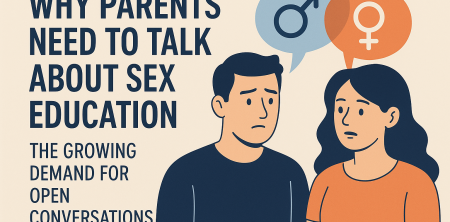
In today’s rapidly evolving landscape, sex education for parents is not just a topic of interest—it’s becoming a crucial conversation that many families are failing to have. A recent social media post highlighted a striking reality: most parents shy away from discussing sex education with their children, even when kids show curiosity or express their concerns. This avoidance is leading to a significant spike in Google Trends searches as families look for resources to help them break the taboo surrounding this vital subject.
1. The Silence That Speaks Volumes
When children ask questions about sex or relationships, the instinct for many parents is to deflect or change the subject. This silence can be deafening. According to experts, avoiding these conversations does more harm than good. Parents may fear that discussing sex will encourage promiscuity or provide too much information, but the reality is quite the opposite. When children are left to find answers elsewhere, they are often exposed to misinformation and potentially harmful ideas.
Recent surveys indicate that nearly 70% of parents feel uncomfortable discussing sex with their children. This discomfort stems from a variety of factors, including personal beliefs, cultural norms, and lack of knowledge. The irony is that this very fear can lead to children taking risks that they might otherwise avoid if they had accurate information from a trusted source.
2. Breaking the Taboo: Why Now?
In recent months, the topic of sex education for parents has surged on social media platforms, with thousands of shares and comments from individuals sharing their own experiences. This viral sentiment emphasizes an urgent need for change. The emotional nature of these discussions—rooted in fear, regret, and a desire for better guidance—has resonated deeply with many, prompting them to seek solutions.
As childhood exposure to online content grows, so does the risk of misinformation. Children are encountering sexual content at increasingly younger ages, often through social media, which can lead to skewed perceptions of relationships, consent, and body image. This reality has made parents more aware of the need for proactive discussions, leading to a surge in online searches for resources about sex education.
3. FOMO: The Fear of Missing Out on Important Conversations
The 'fear of missing out' (FOMO) is not limited to social events; it’s also impacting how parents approach sex education. Many feel a pressure to stay informed and equipped to discuss these topics with their kids. This urgency is often driven by a desire to shield children from the pitfalls of misinformation they might encounter online.
Parents are increasingly worried about how a lack of open dialogue can lead to misunderstandings and risky behaviors among their children. As more stories circulate online about the consequences of neglecting these conversations, such as teenage pregnancies or sexually transmitted infections, this FOMO becomes a catalyst for change. The alarming statistics surrounding these issues further fuel the demand for better sex education for parents.
4. Statistics That Shock and Awaken
Some statistics are eye-opening and serve as a wake-up call for parents. For instance, studies show that children who receive comprehensive sex education are significantly less likely to engage in risky sexual behaviors. In fact, research published in the Journal of Adolescent Health indicates that comprehensive sex education can reduce the likelihood of teen pregnancies by as much as 50%.
Additionally, child psychologists have linked the absence of parental guidance on sex education to increased curiosity-driven exploration that often leads to misinformation. With 80% of teens reporting that they would prefer to learn about sex from their parents rather than peers or the internet, it’s clear that parents have a pivotal role to play in shaping healthy attitudes and behaviors.
5. Creating a Safe Space for Discussion
Establishing a dialogue about sex education requires creating a safe and open environment. Parents can start by allowing their children to express their thoughts and feelings without judgment. Simple strategies like asking open-ended questions can help facilitate these conversations. For example, instead of saying, "You shouldn't think about that," try asking, "What do you want to know?" This technique encourages kids to share their concerns and curiosities openly.
Moreover, integrating discussions about relationships, emotions, and respect can make the topic of sex less daunting. By framing sex education as an important part of growing up—rather than a taboo subject—parents can help demystify the topic for their children and foster a more comfortable atmosphere for ongoing dialogue. (See: CDC on sexual behaviors in youth.)
6. Resources for Parents: Where to Start
As the demand for sex education resources grows, many organizations are stepping up to provide valuable information. Websites like Planned Parenthood and the American Academy of Pediatrics offer comprehensive guides tailored specifically for parents. These resources can help parents feel more prepared and confident in their discussions.
Moreover, educational workshops and community programs are becoming increasingly popular. Many schools are now offering sessions aimed at empowering parents with the necessary tools to engage in conversations about sex education. Participating in these programs can not only enhance knowledge but also connect parents with others facing similar challenges.
7. The Role of Schools in Sex Education
Schools play a pivotal role in shaping how sex education is delivered to children. However, the quality and comprehensiveness of these programs vary widely. In some areas, sex education is limited, while others adopt a more holistic approach, including discussions on consent, relationships, and emotional intelligence.
Advocating for stronger sex education programs in schools can help bridge the gap left by inadequate parental discussions. Parents should engage with teachers and school boards to advocate for better curricula that address these critical topics. Collaboration between parents and educators can lead to a more unified approach to sex education, ensuring that children receive consistent messages from both home and school.
8. Challenges and Misconceptions
Despite the increasing demand for sex education, several challenges and misconceptions remain. Some parents worry that discussing sex will lead to earlier sexual activity among children. However, studies consistently show that providing accurate information correlates with healthier behaviors. Educating children about sex and relationships can empower them to make informed choices.
Another misconception is the belief that it's too early to start these conversations. In reality, children as young as five can begin to understand basic concepts like body autonomy and consent. Delaying these discussions can leave children vulnerable to misinformation and peer pressure as they get older. The earlier parents engage in these dialogues, the better equipped children will be to face real-world situations.
9. The Future of Sex Education for Parents
As the dialogue around sex education for parents continues to evolve, it’s clear that change is necessary. Social media has become a powerful tool for raising awareness and sharing personal stories. This shift is encouraging more parents to step forward and seek the knowledge they need to protect their children.
Ultimately, fostering a culture of openness and honesty around sex education is essential. By breaking the silence and taking actionable steps to educate themselves and their children, parents can help ensure that future generations are equipped with the resources they need to navigate relationships and sexuality responsibly. As the demand for sex education grows, so does the responsibility of parents to engage in these critical conversations.
10. Real-Life Experiences: Parents Share Their Journeys
Hearing from other parents can be incredibly valuable. Many have shared their personal stories about how they approached sex education with their children, revealing both challenges and successes. For instance, one mother recounted how she used popular movies to spark conversations about relationships, love, and respect. By analyzing characters’ choices and consequences, she encouraged her children to think critically about the messages they receive in media.
Another parent mentioned how they set up regular “talk time” where their kids could ask any questions without fear of judgment. This safe space not only fostered a sense of security but also made the kids feel comfortable approaching their parent with anything that was on their mind. These stories illustrate that while every family’s approach may differ, the common thread is the importance of communication.
11. Expert Opinions on Sex Education for Parents
Experts agree that parents play a crucial role in sex education. Dr. Jane Smith, a child psychologist, notes, “When parents take the initiative to talk about sex, it reinforces the idea that it’s a normal part of life. It establishes trust, making children more likely to come to their parents with any issues.” Dr. Smith emphasizes that these conversations should be age-appropriate and evolve over time, allowing for deeper discussions as children grow.
Similarly, educator and author Mark Thompson suggests incorporating discussions about emotions and respect into sex education. “It’s not just about the mechanics of sex; it’s about building healthy relationships. Parents should feel empowered to discuss feelings, consent, and boundaries,” he explains. His insights underline the holistic view of sex education, which can significantly impact a child's understanding of relationships and personal well-being.
12. FAQs about Sex Education for Parents
Q: At what age should I start talking to my child about sex?
A: It's best to start early. Basic concepts such as body privacy and respect can be introduced as young as five. As they grow, you can gradually introduce more complex topics. (See: WHO facts on adolescent health.)
Q: What if my child asks me a question I'm not comfortable answering?
A: It's okay to admit that you don't have all the answers. You can encourage them to explore the topic together or look for credible resources.
Q: How can I make these conversations less awkward?
A: Approach the topic casually. Use everyday situations, such as a relevant news story or a movie, as a springboard for discussion. The more natural you make these conversations, the easier it will be for both of you.
Q: What if my child learns about sex from friends or the internet?
A: Encourage open dialogue about what they learn from other sources. This will help you address any misconceptions and provide accurate information.
Q: How do I handle my child's curiosity about LGBTQ+ topics?
A: Be supportive and open. Respect their questions and provide them with accurate information. It's essential to create an inclusive environment where your child feels comfortable discussing their curiosities.
13. Expanding Conversations: Sex Education Beyond the Basics
Sex education for parents doesn't stop at discussing the mechanics of sex and relationships. It can also encompass topics such as gender identity, sexual orientation, and consent. As society becomes more aware of these issues, parents need to address them appropriately with their children.
For instance, discussing gender identity allows children to understand and respect diversity. It equips them with the knowledge to interact compassionately with peers who may identify differently. Having these conversations early on can help combat discrimination and foster acceptance.
Moreover, conversations about consent are essential in today’s landscape. Teaching children about consent and boundaries empowers them to understand their own rights and the rights of others. It builds a foundation for healthy relationships throughout their lives.
14. The Impact of Digital Education on Parents
As digital media becomes a primary source of information for both parents and children, the importance of reliable online resources cannot be overstated. Many parents are now turning to podcasts, webinars, and online courses designed specifically for them. These platforms provide engaging content that can help demystify sex education and offer practical tips for discussions.
One popular resource is the “Talking to Teens” podcast, which covers a range of topics, including sex education, mental health, and social pressures. It features interviews with experts and provides actionable advice for parents navigating these challenging discussions. Online communities and forums can also play a role, as parents share their experiences and strategies in a supportive environment.
15. The Role of Technology in Teaching Kids
Technology can be a double-edged sword in sex education. While it can expose children to inappropriate content, it can also serve as a beneficial educational tool. Many educational apps and websites provide children with accurate and age-appropriate information about sex and relationships. Parents can guide their children to these resources, ensuring they're getting reliable information.
For example, apps like “Our Whole Lives” offer comprehensive sex education that parents can reinforce at home. By utilizing these tools, parents can help their children understand complex topics in a safe environment and encourage responsible online behavior.
16. Overcoming Cultural Barriers to Sex Education
One significant challenge in discussing sex education is cultural barriers. In many cultures, sex is still considered a taboo subject, making open dialogue difficult. Parents from these backgrounds may feel additional pressure to conform to traditional values, which can hinder their willingness to engage in these conversations.
It's essential for parents to recognize that addressing sex education doesn't mean disregarding cultural values but rather adapting to modern realities. Finding a middle ground can facilitate these discussions while respecting cultural beliefs. For example, parents might incorporate cultural teachings about respect and responsibility into conversations about sex, helping children understand the importance of both.
Support groups can also be beneficial for parents navigating cultural challenges. These groups can provide a safe space to share experiences and strategies, helping parents feel less isolated in their journey.
17. Encouraging Critical Thinking About Media
In our media-saturated world, teaching children to critically analyze the content they consume is vital. Parents can encourage discussions about the portrayal of relationships in movies, television, and music. By examining these portrayals, children can learn to differentiate between unrealistic portrayals and healthy relationships.
For instance, parents might watch a popular film with their children and pause to discuss how characters handle conflicts or express affection. This practice not only opens a dialogue about relationships but also cultivates critical thinking skills. Over time, children will be better equipped to navigate real-life situations and make informed choices.
18. Conclusion: Taking Action for Future Generations
As the conversation around sex education for parents continues to grow, it's essential for families to engage openly and honestly. By equipping themselves with knowledge and resources, parents can foster a generation that is informed, respectful, and confident in navigating their relationships and sexuality.
Taking action now to create a culture of openness in discussing sex education can yield significant long-term benefits for children. When parents embrace their role as the primary educators in their children's lives, they can contribute to healthier, more informed future generations. The journey may seem daunting, but small, consistent efforts can lead to profound change—for families and communities alike.
```
Trending Now
- this guide on the best halloween poems for kids and students of all ages
- The Best 2nd Grade Poems To Delight Your Students
- our breakdown of the top 1000 colleges and universities in the world
- this guide on the 25 best teacher backpacks
- this guide on the best and worst aspects of being a unicorn teacher
Frequently Asked Questions
Why is sex education important for parents to discuss with their children?
Sex education is crucial for parents to discuss as it helps children receive accurate information from trusted sources, reducing the risk of misinformation. Open conversations can empower children to make informed decisions about relationships and sexuality, ultimately promoting healthier attitudes and behaviors.
What are the common reasons parents avoid discussing sex education?
Many parents avoid discussing sex education due to discomfort, fear of encouraging promiscuity, personal beliefs, or cultural norms. This avoidance can lead to children seeking answers elsewhere, often resulting in exposure to misleading or harmful information.
How can parents break the taboo around discussing sex education?
Parents can break the taboo by initiating open, honest conversations about sex education, starting with age-appropriate topics. Utilizing resources like books or online materials can also provide guidance, helping parents feel more confident in addressing their children's questions.
What impact does not discussing sex education have on children?
Not discussing sex education can leave children vulnerable to misinformation, leading to misconceptions about relationships and sexuality. This silence can increase anxiety and risk-taking behavior, as children may not have the knowledge they need to navigate these topics safely.
What resources are available for parents to learn about sex education?
Parents can access a variety of resources to learn about sex education, including books, online courses, and workshops. Many organizations also provide guides and materials specifically designed to assist parents in discussing these topics with their children in a comfortable and informative way.
What did we miss? Let us know in the comments and join the conversation.

