```html
Introduction: A Brewing Storm
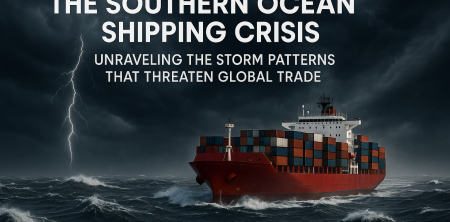
Recent forecasts from Weathernews have raised eyebrows across the globe, warning of a significant escalation in storm frequency in the Southern Ocean, particularly in the South Pacific, South Atlantic, and waters south of Australia for the July–September 2026 period. This alarming prediction underscores the risks posed to vital shipping routes, sparking heated debates among policymakers and logistics experts about trade security. The implications of this potential Southern Ocean shipping crisis stretch far beyond the stormy seas; they touch on the very fabric of global commerce and political stability.
The Southern Ocean's Role in Global Trade
The Southern Ocean is a key artery for international shipping, serving as a critical passage for goods flowing between major markets in Asia, Europe, and the Americas. Shipping lanes in this region are responsible for transporting billions of dollars in cargo each year, including essential goods like food and medical supplies. With more than 90% of the world’s trade being carried by sea, disruptions in the Southern Ocean could have ripple effects throughout the global economy, leading to increased prices and shortages of vital products.
As trade continues to globalize, the importance of stable shipping routes cannot be overstated. The Southern Ocean's storm patterns and their potential increase present a complex challenge that must be addressed by both businesses and governments. How will they adapt to the impending crisis?
Weather Predictions: The Rising Threat
According to Weathernews, low-pressure systems are set to bring increasingly severe weather conditions to the Southern Ocean region. These storms will likely be more frequent than average, causing significant disruptions to shipping schedules. As vessels encounter rough weather, delays are expected to cost billions of dollars in lost cargo and increased insurance premiums.
How serious is this potential Southern Ocean shipping crisis? To put it in perspective, a single storm can delay ships for days or weeks, particularly during peak shipping seasons when demand is high. This could lead to cascading effects on supply chains, causing shortages and price hikes for consumers worldwide.
Political Tensions: The Trade Security Debate
As storm forecasts become more dire, political discussions surrounding trade routes and security are intensifying. Countries that rely heavily on shipping through the Southern Ocean are beginning to reconsider their strategies. For instance, logistics experts are urging governments to develop contingency plans, potentially including diversifying shipping routes or increasing stockpiles of essential goods.
Moreover, the geopolitical landscape is shifting. Nations are looking for ways to protect their interests and ensure the uninterrupted flow of goods. This has led to debates over tariffs, trade agreements, and military presence in strategic maritime zones. The intersection of climate volatility, economic risk, and geopolitical tension makes for a complicated scenario that is likely to escalate as 2026 approaches.
Cape Horn: An Unexpected Safe Zone
In a surprising twist, the region around Cape Horn is forecasted to experience a decrease in storm frequency, making it a rare "safe zone" amid tumultuous Southern Ocean conditions. This counterintuitive finding has intrigued logistics experts who are now considering alternative routes that might bypass the more dangerous areas. For shipping companies, this could be a game-changer, but it also raises questions about the long-term viability of relying on any single route.
What does this mean for shipping logistics? If Cape Horn can indeed offer respite from the increasingly violent storms forecasted elsewhere, it may become a focal point for maritime traffic. However, it’s essential to remember that weather patterns are unpredictable; reliance on one region could lead to vulnerabilities, especially if conditions change unexpectedly.
The Economic Impact: A Multi-Billion Dollar Question
The economic repercussions of the Southern Ocean shipping crisis could be staggering. Delayed shipments could lead to a domino effect, where the cost of goods increases due to scarcity. Retailers and distributors might face higher costs, which would inevitably be passed down to consumers. The National Retail Federation has previously reported that supply chain disruptions can inflate prices by as much as 20% in extreme cases, depending on the severity and duration of the delays. (See: impact of climate change on oceans.)
In addition to direct costs, there are indirect implications, such as increased insurance rates and the potential for financial strain on shipping companies. With every storm forecast, the stakes rise for everyone involved in maritime trade.
Climate Change and the Southern Ocean
The looming Southern Ocean shipping crisis cannot be viewed in isolation. Climate change is playing a pivotal role in altering weather patterns, and the Southern Ocean is no exception. Warmer ocean temperatures can intensify storms, leading to more severe weather events. Scientists have warned that increased greenhouse gas emissions are likely to exacerbate these conditions, making it imperative for global leaders to address climate change comprehensively.
As we move toward 2026, the need for effective climate policies is more urgent than ever. The decisions made today will shape the future of global trade and the environmental health of our oceans. What actions are being taken to mitigate these risks?
Resilience in Logistics: Adapting to Future Challenges
In light of the impending shipping crisis, businesses must become more resilient. This includes reevaluating supply chain strategies, investing in technology to predict weather disruptions, and exploring alternative shipping routes. Companies may also need to enhance their logistic networks by establishing regional distribution centers to reduce reliance on long-distance shipping.
Additionally, companies should consider diversifying their product lines and sources. By not putting all their eggs in one basket, businesses can better withstand disruptions and maintain a competitive edge in volatile markets. Will your business be ready for the storm?
Stakeholder Collaboration: A Necessity for Survival
Addressing the potential Southern Ocean shipping crisis will require collaboration among various stakeholders, including governments, shipping companies, environmental organizations, and researchers. By working together, these entities can develop strategic plans aimed at navigating the challenges posed by climate change and increasing storm frequency.
Through shared information, resources, and technology, stakeholders can create a more robust maritime framework. This collaboration could lead to innovative solutions, such as developing weather-resistant ships or creating real-time data-sharing platforms that keep everyone informed of changing conditions.
Technological Innovations in Shipping
As the maritime industry faces the looming Southern Ocean shipping crisis, technological advancements could provide substantial relief. Innovations such as automated navigation systems and enhanced weather forecasting tools are vital. For instance, companies are increasingly investing in artificial intelligence to optimize shipping routes dynamically based on real-time weather patterns. This adaptation not only minimizes delays but also reduces fuel consumption, contributing to both efficiency and sustainability.
One emerging technology is the use of drones for scouting and monitoring weather conditions in remote ocean areas. These drones can relay critical information about storm formations and wave height, allowing ships to reroute before encountering dangerous conditions. This real-time data can be a game-changer and could lead to fewer accidents and losses in cargo.
Historical Context: Learning from Past Shipping Crises
To better understand the potential impacts of the Southern Ocean shipping crisis, it’s beneficial to look at historical precedents. The 2004 Indian Ocean tsunami, for example, disrupted shipping routes significantly, leading to billions in losses as ports were rendered inoperable. Similarly, the 2011 earthquake and tsunami in Japan caused severe disruptions in maritime logistics, emphasizing how quickly and drastically ocean conditions can change and affect global trade.
In both instances, the shipping industry learned valuable lessons regarding the importance of having contingency plans and the need for rapid response strategies. As we approach the proposed crisis in 2026, these historical events remind us of the vulnerabilities in the shipping sector and why preparation is paramount. (See: climate change and health.)
Regional Economies and the Southern Ocean Crisis
The economic impact of disruptions in the Southern Ocean extends far beyond the shipping companies themselves. Regions that depend heavily on maritime trade, such as Southeast Asia and parts of South America, could experience economic downturns as a result. Countries like Chile, Argentina, and New Zealand rely on shipping for exports of agricultural products, which could see price inflations and delayed shipments.
According to a report by the World Bank, disruptions in maritime trade can lead to GDP contractions of 1-3% in countries heavily reliant on shipping. For smaller economies, this could mean significant job losses and economic instability. Ensuring these economies remain resilient amid the crisis will require targeted government intervention and investment in infrastructure that can withstand more severe weather events.
FAQ: Understanding the Southern Ocean Shipping Crisis
What is the Southern Ocean shipping crisis?
The Southern Ocean shipping crisis refers to a predicted increase in storm frequency and severity in the Southern Ocean, which poses significant risks to global shipping routes and trade. This situation is expected to escalate around the July–September 2026 period.
Why is the Southern Ocean important for shipping?
The Southern Ocean serves as a crucial passage for international shipping, facilitating the transport of billions of dollars in goods between major markets in Asia, Europe, and the Americas. Disruptions in this area can lead to significant economic ramifications globally.
How can businesses prepare for the potential crisis?
Businesses can prepare by reevaluating their supply chain strategies, investing in technology for accurate weather predictions, diversifying shipping routes, and establishing regional distribution centers to minimize reliance on long-distance transport.
What role does climate change play in this crisis?
Climate change contributes to the crisis by altering weather patterns, resulting in more intense and frequent storms in the Southern Ocean. This makes it essential for global leaders to implement comprehensive climate policies to mitigate these impacts.
Can technology help mitigate the impact of the crisis?
Yes, technological innovations such as automated navigation systems, real-time weather forecasting, and drones for monitoring ocean conditions can greatly improve shipping efficiency and safety during storm events.
Emerging Shipping Practices: Adapting to Change
Given the predictions about the Southern Ocean shipping crisis, shipping companies are actively seeking new practices to adapt to changing conditions. One trend gaining traction is the adoption of "just-in-case" supply chain strategies over traditional "just-in-time" models. By keeping larger inventories and building more resilient supply chains, businesses can mitigate the risks associated with shipping delays. This might lead to increased storage costs, but in the long term, it could save companies from the economic fallout of inventory shortages.
Additionally, many shipping firms are investing in green technologies to reduce their environmental impact and navigate regulatory changes. The shift toward more sustainable practices not only helps companies comply with emerging regulations but also appeals to environmentally conscious consumers.
The Role of Insurance in the Southern Ocean Shipping Crisis
As the potential for severe weather increases, insurance companies are closely monitoring the Southern Ocean. Marine insurance covers a wide range of risks, including cargo loss, vessel damage, and liabilities arising from accidents. In light of the predicted crisis, insurers may adjust their policies, premiums, and coverage terms to account for the heightened risks associated with Southern Ocean shipping.
This shift could lead to significantly higher costs for shipping companies, forcing them to either absorb these expenses or pass them on to consumers. As a result, businesses may need to rethink their risk management strategies and consider investing in comprehensive insurance coverage tailored to the unique challenges posed by this crisis.
Shipping Industry Responses: Case Studies and Best Practices
Examining how some companies are already responding to similar challenges can offer valuable insights. For instance, Maersk, one of the largest container shipping companies globally, has begun implementing data analytics to anticipate and mitigate disruptions. By analyzing shipping patterns, weather forecasts, and port conditions, Maersk can optimize its routes and schedules, minimizing delays and safeguarding cargo.
Another example is the use of collaborative networks among shipping firms. Companies are partnering to share resources, data, and best practices—creating a collective framework that enhances resilience against severe weather disruptions. This kind of cooperation can prove beneficial, as it fosters innovation and strengthens overall operational efficiency in the face of impending crises.
Preparing for the Future: Education and Training
As the shipping industry braces for the impacts of the Southern Ocean shipping crisis, education and training for maritime professionals become imperative. Developing a workforce that is knowledgeable about climate resilience, advanced navigation technologies, and effective risk management strategies will be vital for the industry’s future.
Shipping companies are increasingly investing in training programs that focus on these critical areas. By equipping employees with the necessary skills and knowledge, businesses can better navigate the challenges posed by severe weather disruptions and ensure the safety of their operations.
Conclusion: Preparing for the Unknown
The warning signals about an impending Southern Ocean shipping crisis are clear, with weather forecasts predicting more frequent and severe storms. The stakes are high, not only for shipping companies but for economies worldwide. Political tensions are rising, and businesses face the daunting task of preparing for an uncertain future.
As 2026 approaches, the need for proactive measures becomes even more critical. Whether through innovative logistics strategies, climate action, or stakeholder collaboration, the time to act is now. The future of global trade relies on our ability to adapt to the turbulent waters ahead.
```
Trending Now
Frequently Asked Questions
What is the Southern Ocean shipping crisis?
The Southern Ocean shipping crisis refers to the potential increase in storm frequency and severity in the Southern Ocean, particularly between July and September 2026. This escalation threatens vital shipping routes that are crucial for global trade, impacting the transportation of essential goods and potentially leading to economic disruptions.
How does the Southern Ocean affect global trade?
The Southern Ocean serves as a major shipping artery for international trade, facilitating the movement of billions of dollars in goods between Asia, Europe, and the Americas. Disruptions in this region could lead to increased prices and shortages of vital products, affecting the global economy.
What are the weather predictions for the Southern Ocean?
Forecasts from Weathernews indicate that low-pressure systems will cause increasingly severe weather conditions in the Southern Ocean, leading to more frequent storms. These changes could significantly disrupt shipping schedules and result in considerable financial losses for businesses.
What impact will the Southern Ocean storms have on shipping?
The rising storm patterns in the Southern Ocean are expected to lead to delays in shipping schedules, costing billions in lost cargo and increased insurance premiums. This could create ripple effects throughout the global economy, impacting prices and availability of essential goods.
How can businesses prepare for the Southern Ocean shipping crisis?
Businesses can prepare by developing contingency plans, diversifying shipping routes, and investing in weather forecasting technologies. Collaboration with logistics experts and policymakers will also be crucial to adapt to the challenges posed by the anticipated storm patterns in the Southern Ocean.
Agree or disagree? Drop a comment and tell us what you think.

