```html
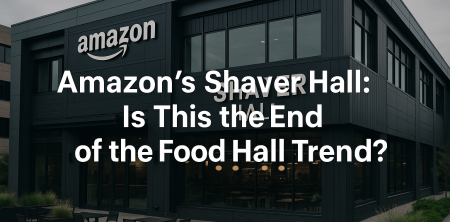
The food hall trend has been a gastronomic sensation of the past decade, captivating food lovers and entrepreneurs alike. However, the recent opening of Amazon's Shaver Hall in New York City has ignited a fierce debate about the future of this culinary phenomenon. A provocative opinion piece published by the New York Post on July 1, 2026, boldly claims that the food hall trend not only needs to die but is already failing miserably. This assertion, coupled with Amazon's unusual promotion of free bananas in the halls, has set social media ablaze, prompting passionate responses from supporters and detractors of food halls.
The Rise of the Food Hall Trend
Over the last several years, food halls have become a staple in urban dining landscapes, offering visitors a diverse array of culinary experiences under one roof. These spaces often feature a mix of established restaurants and emerging food entrepreneurs, providing a platform for creativity and experimentation.
Originally popularized in cities like San Francisco with the Ferry Building Marketplace and in London with Borough Market, food halls quickly spread across the globe. They were celebrated for their ability to bring together different cuisines, promote local businesses, and create a communal dining experience. Many saw them as a response to the growing demand for casual dining experiences, where customers could sample various dishes without committing to a single restaurant.
The Amazon Factor
When Amazon announced the opening of Shaver Hall, excitement surrounded the venture. As a titan of e-commerce, its foray into the food space seemed promising, raising expectations about the potential quality and innovation we might witness. However, the New York Post's article claims the Shaver Hall concept encapsulates everything wrong with the food hall trend.
In an attempt to lure shoppers, Amazon introduced a quirky promotional tactic: free bananas. This gesture, while seemingly benign, was framed in the article as a desperate cry for attention amidst the food hall decline. Critics argue that it underscores a growing trend where large corporations, like Amazon, attempt to dominate the food landscape with gimmicks rather than genuine culinary experiences.
What Went Wrong? A Deep Dive Into the Critique
The New York Post's article paints a bleak picture of the food hall trend, asserting that it has lost its original allure. For many, the food hall experience is about discovery and connection, but the critique suggests that such spaces have devolved into commercialized, soulless environments.
One major concern is the homogenization of offerings. Critics argue that large-scale food halls often prioritize brand recognition over culinary quality. This results in a diluted food culture where independent chefs and unique concepts struggle to compete against established names that dominate the market.
Furthermore, the piece points to the rising costs associated with operating food halls, leading to inflated prices for consumers. As rent and operational costs soar in urban environments, many small vendors find it increasingly challenging to sustain their businesses within these spaces. The article cites examples of once-thriving food halls that have seen tenants cycle in and out, raising questions about the viability of the food hall model.
The Social Media Firestorm
As the article circulated online, it generated a heated conversation across social media platforms. Food enthusiasts, culinary professionals, and casual diners weighed in on the merits and pitfalls of the food hall trend. Some echoed the sentiments expressed in the New York Post, agreeing that the food hall phenomenon had lost its way.
On the flip side, many defended food halls as essential incubators for culinary innovation. Chefs and restaurateurs highlighted how these spaces provide opportunities for new concepts to gain exposure and attract a diverse clientele.
Social media users showcased their experiences in various food halls, sharing vibrant photos of their meals, emphasizing the communal aspect of dining, and expressing their disdain for the overly critical views presented in the article.
Comparing Food Halls to Traditional Dining
To truly understand the food hall trend's place within the dining landscape, it’s useful to compare it with traditional restaurant experiences. Food halls offer flexibility that brick-and-mortar establishments sometimes cannot. Customers can sample a variety of cuisines in one visit, appealing to those who prefer eclectic dining options. (See: food halls trend analysis.)
However, traditional restaurants often provide a focused menu that allows chefs to showcase their culinary expertise without dilution. The New York Post argues that this focused approach may lead to higher quality dishes, as chefs are not under the pressure to cater to a broad range of tastes.
Moreover, traditional dining experiences foster a sense of connection between diners and the chefs who craft their meals. In contrast, food halls can create a detached atmosphere where the experience becomes more about convenience than genuine connection. This sentiment resonated with some readers, who felt that the food hall trend had strayed from its roots of community and engagement.
The Role of Corporations in Food Culture
Amazon’s entrance into the food hall trend raises significant questions about the role of corporations in shaping culinary culture. With massive resources at their disposal, large companies can create buzz and draw crowds, but critics argue that they dilute authentic culinary experiences.
The New York Post’s article suggests that the food hall trend has become a battleground where creativity competes against corporate interests. The idea of free bananas as a marketing gimmick reflects a broader concern about whether food culture is being commodified. Are culinary experiences becoming mere transactions instead of meaningful encounters?
Proponents of smaller, independent food businesses argue that the influx of large corporations could stifle innovation. As established brands dominate the conversation, emerging chefs may struggle to make their mark. This situation raises ethical questions about the sustainability of a food culture that prioritizes profit over passion.
Examples of Successful Food Halls
Despite the critiques, it's essential to acknowledge that not all food halls are facing decline. Some have managed to carve out a niche by prioritizing quality, local partnerships, and community engagement. Examples like the Eataly markets, which blend retail and dining experiences, have thrived by maintaining a focus on authentic Italian cuisine while offering educational components.
In other cities, food halls like The Market Line in New York City and Smorgasburg have attracted considerable crowds by curating unique vendor selections and hosting events that bring communities together. These spaces have successfully adapted to local tastes, emphasizing the importance of community involvement and supporting local artisans.
Such examples point to a potential path forward for food halls, aligning with the core principles that made them popular in the first place. A commitment to quality, sustainability, and local engagement could help revitalize the food hall trend and restore its cultural significance.
The Future of Food Halls: Evolution or Extinction?
As we look ahead, it's unclear whether the food hall trend is poised for evolution or extinction. The intense debate sparked by the New York Post’s article underscores the need for food halls to reassess their roles within the culinary landscape.
For food halls to thrive, they must adapt to the changing needs and preferences of consumers. This may involve leaning into the ethos of supporting local chefs, offering diverse culinary experiences, and fostering community connections. Engaging with customers through unique events and collaborations can help elevate the food hall experience, making it more than just a collection of vendors.
Critics and supporters alike agree that the food hall concept, in its current form, requires reimagining. Whether through focusing on sustainability, quality, or community engagement, there is an urgent need for food halls to return to their roots and rekindle the magic that once made them beloved destinations.
Final Thoughts on the Food Hall Trend
The conversation surrounding the food hall trend, especially in light of the recent criticisms leveled at Amazon's Shaver Hall, reflects broader themes in society regarding consumerism and community. While the future remains uncertain, it’s clear that food halls must evolve to meet the expectations of discerning diners.
As we navigate the complexities of modern dining, it’s crucial for food halls to remain vibrant spaces for culinary innovation, creativity, and community engagement. Whether they will continue to thrive or fade into the background like a passing fad remains an open question. For now, the debate rages on, with food enthusiasts, restaurateurs, and casual diners weighing in on what’s next for the future of the food hall trend.
What Makes a Food Hall Successful?
Understanding the ingredients that contribute to a successful food hall can offer insights into how this trend can be revitalized. First and foremost, a successful food hall must curate an exceptional range of food options. Think unique vendors that offer distinct culinary experiences rather than a repetition of similar concepts. As an example, the Time Out Market in Lisbon has thrived by featuring some of the best local chefs and restaurants under one roof, focusing on quality and authenticity. (See: business impact of food halls.)
Another crucial factor is the ambiance. Food halls need to create a welcoming environment that encourages socializing. This is where thoughtful design comes into play; open spaces, communal tables, and art installations can enhance the dining experience. Consider how the Krog Street Market in Atlanta features a blend of industrial and cozy, making it a popular gathering spot for locals.
Engaging with the community is another key ingredient. Food halls can thrive by hosting events, workshops, and themed nights that draw in local residents. This creates a sense of ownership and belonging among patrons. Food halls like The Source in Denver have successfully hosted everything from cooking classes to seasonal festivals, making them community hubs rather than just dining spots.
Statistics on Food Hall Popularity
Understanding the numerical landscape of food halls can shed light on their relevance in today's dining options. According to a report by IBISWorld, the food hall industry saw an annual growth rate of 3.2% over the past five years. This growth is attributed to changing consumer preferences that favor diverse dining experiences.
Moreover, a survey conducted by Technomic revealed that around 60% of consumers expressed a preference for food halls over traditional dining options, highlighting the appeal of variety and the casual dining experience they offer. This popularity among diners suggests there's still considerable demand for food halls, despite critiques.
Expert Perspectives on the Future of Food Halls
To gain a deeper understanding of the food hall trend, let's look at what industry experts and culinary influencers are saying. Chef and restaurateur Amanda Cohen, known for her acclaimed vegetarian restaurant Dirt Candy, believes that food halls must prioritize their role as incubators for new talent. "If food halls want to survive, they need to focus on giving emerging chefs the opportunity to shine without being overshadowed by corporate giants," she states.
Conversely, food market analyst Mark Murphy argues that the integration of technology can play a significant role in the evolution of food halls. "Embracing innovations like app-based ordering, real-time inventory updates, and customer feedback systems can enhance the dining experience," he suggests. This approach could streamline operations and keep food halls relevant in a fast-paced dining landscape.
The International Food Hall Phenomenon
The food hall trend isn't just limited to the United States; it's an international phenomenon. Cities around the world are experimenting with this model, each adding their own cultural spin. For instance, in Singapore, the Gluttons Bay food court offers a night market experience with a diverse range of local street food vendors. This highlights how food halls can adapt to local customs and tastes, becoming an integral part of the community.
In Europe, the Mercado de San Miguel in Madrid has become a symbol of Spain's culinary culture, attracting both locals and tourists. With its focus on gourmet offerings and artisan products, this food hall showcases how a well-executed concept can thrive even in a competitive market.
What’s Next for Food Halls?
As the food hall trend continues to evolve, several key factors will shape its future. One significant aspect is the shift toward sustainability. Many food halls are exploring environmentally friendly practices, from sourcing local ingredients to minimizing waste. This focus on sustainability not only resonates with eco-conscious consumers but also enhances the overall dining experience.
Additionally, the integration of technology is likely to redefine how food halls operate. Contactless payment systems, app-based ordering, and digital menus can streamline the customer experience while ensuring safety and convenience. Emerging tech trends could even pave the way for virtual food halls, where customers can order from various vendors online and have their meals delivered or prepared for pick-up.
Furthermore, collaboration among vendors could become more prominent. By fostering partnerships among different food operators, food halls can create unique dining events or thematic nights that draw in larger crowds and encourage cross-patronage. This strategy not only enhances the customer experience but also strengthens the community within the food hall itself. (See: community dining experiences.)
FAQ: The Food Hall Trend
What exactly is a food hall?
A food hall is a communal dining space where various vendors offer a range of culinary options, often showcasing local and international cuisines. It's designed to provide a casual atmosphere for diners to sample different foods under one roof.
Are food halls a sustainable trend?
While there are concerns about the sustainability of food halls, especially with rising rents and competition from corporate giants, many successful food halls are adapting their business models to focus on local partnerships and community engagement, which could contribute to their sustainability.
How do food halls differ from traditional food courts?
Food halls often emphasize curated, high-quality offerings and artisan vendors, whereas traditional food courts tend to feature chains and fast-food options. Food halls also typically foster a more social and engaging dining environment.
Can food halls be profitable for small vendors?
While food halls present opportunities for small vendors to gain exposure, profitability can be challenging due to high operational costs. Successful food halls usually provide support through marketing, events, and community engagement to help vendors thrive.
What future trends might impact food halls?
Future trends could revolve around sustainability, with more food halls focusing on zero-waste practices and sourcing local ingredients. Additionally, the integration of technology for enhanced customer service and marketing could play a significant role in shaping the food hall experience.
Are there any notable food halls to visit around the world?
Absolutely! Some noteworthy food halls include Smorgasburg in Brooklyn, New York; The Ferry Building Marketplace in San Francisco; and the Chelsea Market in New York City. Internationally, check out the Mercado de San Miguel in Madrid and Foodhallen in Amsterdam for unique culinary experiences.
What Challenges Do Food Halls Face?
Food halls can encounter various challenges that threaten their success. The rising cost of real estate in urban areas often means higher rents, which can squeeze smaller vendors. Many food halls are located in prime locations that come with hefty price tags. This financial strain can lead to higher menu prices, which may alienate budget-conscious diners.
Moreover, food halls must constantly innovate to keep consumers engaged. The novelty of the food hall experience can wear off, leading to decreased footfall if new vendors or concepts are not introduced regularly. The key to maintaining interest is a rotating selection of culinary offerings that keep patrons coming back for more.
There's also the challenge of navigating health regulations and food safety standards. Vendors must ensure compliance with local health codes, which can be particularly complicated in a shared space. This means food halls must invest in proper facilities and training to ensure all vendors adhere to these standards.
```
Trending Now
Frequently Asked Questions
What is Amazon's Shaver Hall?
Amazon's Shaver Hall is a new food hall concept opened in New York City, aiming to bring a diverse culinary experience to urban diners. It features a mix of established restaurants and emerging food entrepreneurs, designed to showcase innovation in dining.
Are food halls still popular?
Food halls have enjoyed significant popularity over the past decade, but recent opinions suggest that the trend may be waning. The opening of Amazon's Shaver Hall has sparked debate on whether food halls can sustain their appeal in the current dining landscape.
Why are food halls controversial?
Food halls are controversial due to mixed opinions on their sustainability and impact on local businesses. Critics argue that they may dilute the dining experience and contribute to the decline of traditional restaurants, as highlighted in recent articles discussing their future.
What promotional tactics is Amazon using for Shaver Hall?
To attract visitors, Amazon has employed a unique promotional tactic by offering free bananas in Shaver Hall. This unusual gesture has generated buzz and sparked discussions on social media regarding the effectiveness and implications of such marketing strategies.
What are the key features of food halls?
Food halls typically feature a variety of dining options under one roof, including established eateries and new food entrepreneurs. They promote communal dining experiences, allowing customers to sample diverse cuisines without committing to a single restaurant, fostering creativity and local business support.
What did we miss? Let us know in the comments and join the conversation.

