```html
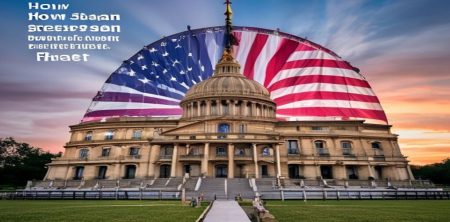
The Great American State Fair, a cornerstone of American summer tradition in Washington, D.C., faced an unprecedented situation this year as it was postponed due to extreme heat. This critical decision came as temperatures soared above 100 degrees Fahrenheit, directly affecting the Fourth of July outdoor festivities that so many look forward to. With over 180 million Americans feeling the brunt of record-breaking heat, the postponement underscores not only the impact of climate change on seasonal celebrations but also the urgent need for safety in extreme weather.
The Temperature Crisis: A National Overview
As the United States enters a new phase of extreme weather patterns, the significance of the Great American State Fair postponement cannot be understated. The nation is currently experiencing a severe heatwave that has gripped large swathes of the country, driving temperatures to alarming levels. From the Midwest to the Northeast, communities have been placed on high alert, with many cities reporting temperatures exceeding 100 degrees Fahrenheit. This situation has rendered many outdoor events unsafe, raising questions about how communities can adapt to a rapidly changing environment.
Reports indicate that major cities such as Phoenix, Las Vegas, and even traditionally cooler areas like Chicago have felt the heat's intensity. In the case of Washington, D.C., the timing couldn’t have been worse, as the fair coincided with the nation's celebration of its 250th anniversary. The Great American State Fair postponement not only disrupted local plans but also served as a stark reminder of the fragility of our seasonal festivities.
The Emotional Toll of Postponed Celebrations
For many, the Great American State Fair is more than just an event; it's a longstanding tradition that signifies community, patriotism, and joy. The anticipation for the Fourth of July is palpable, with families planning months in advance. The announcement of the fair's postponement sent ripples through social media as people expressed their disappointment and shared their concerns over the extreme weather conditions.
Footage of the cancellation quickly circulated on platforms like Instagram and Twitter, amplifying the emotional engagement surrounding the event. Comments ranged from disappointment over missed opportunities to attend the fair to serious discussions about the implications of delaying festivities in the face of such weather. This blend of emotional investment and urgent safety concerns showcases how intertwined our celebrations are with the environment.
Understanding the Science Behind the Heatwave
It's crucial to understand what contributes to such extreme temperatures. Climate scientists have noted that climate change is a significant factor in the increasing frequency and severity of heatwaves across the U.S. As global temperatures rise, the conditions that lead to prolonged periods of heat are becoming more common. The recent heatwave has been exacerbated by a high-pressure system that traps heat and prevents cooler air from sweeping through, resulting in scorching conditions.
According to the National Oceanic and Atmospheric Administration (NOAA), the past decade has seen a gradual increase in average temperatures, leading to unprecedented weather events that disrupt everyday life. This heatwave is just one example of how climate change is altering our seasonal patterns and threatening events that have been held for generations.
Safety First: The Importance of Heat Safety Measures
With the Great American State Fair postponement now a reality, it’s essential to discuss heat safety. Public health officials have been vocal about the dangers of extreme heat, urging communities to stay informed and take precautions. The Centers for Disease Control and Prevention (CDC) has highlighted several guidelines to help mitigate risks during heatwaves:
- Stay hydrated by drinking plenty of fluids, particularly water.
- Avoid strenuous outdoor activity during peak heat hours.
- Wear light, loose-fitting clothing to keep your body cool.
- Check on vulnerable populations such as the elderly and those with pre-existing health conditions.
These measures are critical not just for individual safety but also for public health, as extreme heat can lead to heat exhaustion or heat stroke, which can be fatal if not addressed promptly. The Great American State Fair postponement serves as a wake-up call to prioritize safety and awareness during heatwaves.
Social Media’s Role in Communicating Crisis
The response to the Great American State Fair postponement has been significantly amplified by social media. Platforms like Twitter and Instagram have become vital tools for disseminating information and connecting communities during times of crisis. The need for real-time updates during the heatwave has driven engagement, leading to a steep increase in searches related to heat safety and event status.
Additionally, the emotional weight of the postponement has been felt widely, with many users sharing personal stories of their planned celebrations and expressing their frustrations. The viral nature of this content illustrates how social media not only informs but also shapes public sentiment regarding significant events. The emotional engagement through shared experiences has turned individual disappointment into a collective narrative, resonating with millions who are facing similar challenges. (See: Extreme Heat Safety Guidelines.)
What’s Next for the Great American State Fair?
As of now, officials have indicated that the Great American State Fair's postponement is a temporary measure, with plans to resume festivities when conditions improve. However, the uncertainty surrounding weather patterns poses a challenge for event planners and attendees alike. How do you reschedule an event when extreme weather can disrupt plans at any moment?
Event organizers are looking at innovative solutions to adapt to these changing conditions. For example, some have proposed moving future events to the cooler months or even incorporating more indoor activities to mitigate the impact of heat. Such adjustments could not only ensure safety but also enhance the overall experience for attendees.
Broader Implications: A Call for Climate Awareness
The postponement of the Great American State Fair highlights a more considerable issue: the need for proactive measures against climate change. As communities face increasing weather-related disruptions, there is a growing recognition of the importance of sustainable practices and environmental responsibility.
This situation serves as a reminder of the fragility of our traditions and the need to adapt to an uncertain climate. Advocacy for climate action is more crucial than ever as individuals, communities, and organizations work together to mitigate the impacts of climate change. From supporting local environmental initiatives to advocating for policy changes, everyone has a role to play in addressing this pressing issue.
How You Can Get Involved
In light of the delays and disruptions caused by extreme heat, many are looking for ways to contribute positively. Here are several actions you can take:
- Stay Informed: Follow credible news sources and local updates about weather patterns and safety measures.
- Engage in Community Initiatives: Get involved with local environmental or community organizations focused on climate change awareness and action.
- Advocate for Policy Change: Reach out to local representatives to discuss the importance of climate action and sustainable practices.
- Share Your Voice: Use social media platforms to raise awareness about climate issues and the importance of safety during heatwaves.
As the Great American State Fair postponement serves as a stark reminder of our changing environment, individuals can play a vital role in fostering community resilience and advocating for a sustainable future.
Final Thoughts: Resilience in Tradition and Change
The postponement of the Great American State Fair due to extreme heat is a poignant reminder of the intersection between climate change and our cherished traditions. While it's disappointing for many who had planned to partake in the festivities, it opens the door for crucial conversations about climate awareness and safety.
As we look to the future, it’s essential that we continue to adapt and find ways to celebrate our rich traditions while also prioritizing the health and safety of our communities. The hope is that once the heat subsides, the fair will resume, bringing people together once more for a joyful celebration, even if it looks a bit different than before.
Potential Long-Term Changes to State Events
The Great American State Fair postponement could signal shifts not only in this particular festival but also in how state fairs across the nation approach extreme weather. With climate change projections indicating more frequent heatwaves, organizers may need to revamp their planning strategies. This could include implementing cooling shelters, offering hydration stations, or even scheduling events in the evenings when temperatures are cooler. See also impact of climate change.
Some states have already started to take proactive measures. For instance, in California, state fairs have begun to incorporate more shaded areas and misting tents to help attendees cope with rising temperatures. These adaptations not only help safeguard the health of the visitors but also maintain the celebratory atmosphere that these events are known for.
Comparisons to Other Major Events
The postponement of the Great American State Fair is reminiscent of other major events that have faced similar challenges. For example, the 2020 Tokyo Olympics were postponed due to the COVID-19 pandemic, highlighting how external factors can derail long-standing traditions. Now, we face climate-related postponements, showing that health and safety concerns can arise from multiple sources.
Similarly, music festivals and outdoor concerts have also wrestled with extreme weather conditions. Events like Coachella and Lollapalooza have had to implement strategies to combat heat, including providing shaded areas and emergency response teams to handle heat-related illnesses. The Great American State Fair may need to adopt similar practices to ensure a safe environment for its attendees.
Expert Perspectives on Climate Change and Public Events
Experts in climate science suggest that the trend of postponements could become more common as weather patterns shift. Dr. Jane Goodall, a renowned primatologist and environmentalist, emphasizes that communities must adapt to the reality of climate change. She notes, "Our traditions and celebrations are integral to our culture, but we must ensure they are sustainable and safe." Her insights underline the importance of integrating climate education into community planning. (See: Impact of Climate Change on Heatwaves.)
Additionally, Dr. Michael Mann, a prominent climate scientist, suggests that more localized weather predictions could help event organizers better anticipate dangerous conditions. Improved forecasting technology offers a way to alert communities ahead of time, allowing them to make informed decisions regarding their events.
FAQs About the Great American State Fair Postponement
Why was the Great American State Fair postponed?
The fair was postponed due to extreme heat conditions that posed risks to public safety, particularly during outdoor events on the Fourth of July.
What are the health risks associated with extreme heat?
Extreme heat can lead to serious health issues such as heat exhaustion and heat stroke. Symptoms include heavy sweating, weakness, dizziness, nausea, and confusion. It's essential to stay hydrated and avoid strenuous activities during peak heat hours.
Will the fair be rescheduled?
While officials have stated that the postponement is temporary, the exact rescheduling details will depend on weather conditions and public health guidelines.
How can I stay informed about updates regarding the Great American State Fair?
Follow official social media channels of the fair, local news outlets, and the fair's website for the latest updates and safety information.
What precautions can I take if attending outdoor events during a heatwave?
It's crucial to stay hydrated, wear light clothing, seek shade, and avoid outdoor activities during peak heat hours. Always check on friends and family who might be more vulnerable to heat-related illnesses.
How can I support climate action in my community?
You can engage in local initiatives, support sustainability programs, advocate for eco-friendly policies, and participate in community discussions about climate change solutions.
What innovations are being considered for the future of large outdoor events?
Future innovations may include enhanced cooling systems, better access to hydration, flexible scheduling based on weather forecasts, and increased indoor spaces to accommodate attendees safely.
A Call for Action: Shaping Future Celebrations
The Great American State Fair postponement serves as a critical moment for reflection on how we can sustainably celebrate our traditions. As communities grapple with climate change's realities, adapting our events will be essential for ensuring their longevity and safety. This situation presents an opportunity to innovate and create celebrations that respect our environment while fostering community spirit.
By taking collective action now, we can ensure that future generations continue to enjoy the Great American State Fair and similar events, celebrating resilience and joy in the face of adversity. Let's embrace the challenge and work together to build a safer, more sustainable future for all.
The Socioeconomic Impact of Postponing the Fair
The Great American State Fair postponement also has significant socioeconomic implications that ripple through the local community and beyond. Local vendors, businesses, and artists depend heavily on the fair for a substantial part of their annual revenue. The financial loss from a postponed event can lead to difficulties for small businesses that rely on the influx of visitors for sales. In 2019, the state fair generated an estimated $200 million for the local economy, a figure that has now been disrupted. (See: Climate Change and Extreme Weather.)
Small food vendors, artisans, and exhibitors often invest considerable time and resources preparing for the fair. These preparations may include sourcing materials, hiring staff, and marketing their offerings. With the fair's postponement, many of these businesses face uncertainty about when and how they will recoup their investments. This unpredictability can have a cascading effect on local economies, particularly in regions where the fair is a central economic driver.
Long-Term Adaptations for Future Climate Events
Looking ahead, the Great American State Fair and other events may need to incorporate long-term adaptations to ensure safety in extreme weather conditions. These adaptations could include, but are not limited to:
- Infrastructure Improvements: Investing in better infrastructure to accommodate heat, such as shaded seating areas, cooling stations, and emergency medical facilities can enhance safety.
- Flexible Event Planning: Developing a more flexible calendar that allows for rescheduling events based on weather forecasts could be a game-changer.
- Community Engagement: Involving the community in decision-making processes about fair operations and climate strategies can foster a sense of ownership and responsibility.
- Insurance and Financial Planning: Securing better insurance policies that cover weather-related disruptions can provide some financial relief to vendors and organizers.
Community Responses and Engagement Initiatives
The postponement of the Great American State Fair has spurred various community responses aimed at promoting climate awareness and safety. Some local organizations have initiated campaigns to educate citizens about preparing for extreme weather, emphasizing the importance of community resilience. Workshops and seminars on heat safety, and climate change adaptation strategies, are now being held in various neighborhoods, encouraging participation from all demographic groups.
Social media campaigns have also emerged, where citizens share tips and resources regarding heat safety. These community-driven initiatives not only spread awareness but also foster a sense of solidarity among residents, emphasizing that collective action is necessary in the face of climate challenges.
Exploring Alternatives: Virtual Fairs and Hybrid Events
As the Great American State Fair postponement forces a reevaluation of traditional event formats, organizers can explore the potential of virtual and hybrid events. These alternatives could offer a platform for vendors and artists to reach audiences without the constraints of physical attendance. Virtual fairs can feature live-streamed performances, online shopping for local goods, and interactive community activities. Such formats would not only ensure safety but also expand the fair's reach, allowing participation from those who may not have been able to attend in person. This builds on AI climate model predictions.
This approach provides a unique opportunity to embrace technology in ways that preserve community engagement while adapting to changing circumstances. As we navigate the future, it’s critical to consider how these alternatives can coexist with traditional celebrations, blending the best of both worlds.
Resources for Further Information
For those interested in learning more about climate safety, the Great American State Fair, and how to get involved, various resources are available:
- National Weather Service: Provides up-to-date information on weather alerts and safety tips.
- CDC Heat Safety: Offers guidelines and resources about staying safe during extreme heat.
- Local Community Groups: Engage with organizations focused on climate action and community safety initiatives in your area.
- Fair’s Official Website: Check for updates regarding postponed events, safety measures, and future plans.
In a changing world, these resources can help empower individuals and communities to respond effectively to climate-related challenges while still celebrating the traditions that bring us together.
```
Trending Now
Frequently Asked Questions
Why was the Great American State Fair postponed this year?
The Great American State Fair was postponed due to extreme heat, with temperatures soaring above 100 degrees Fahrenheit. This decision was made to ensure the safety of attendees during a severe heatwave affecting many regions of the United States.
What impact does extreme heat have on outdoor events?
Extreme heat can make outdoor events unsafe, leading to potential health risks for attendees. The postponement of the Great American State Fair highlights the challenges communities face in adapting to increasingly severe weather patterns.
How does climate change affect seasonal celebrations in the U.S.?
Climate change contributes to more frequent and severe weather events, such as extreme heat. This has led to the postponement of traditional events like the Great American State Fair, emphasizing the need for communities to adapt to changing environmental conditions.
What are the emotional effects of postponing traditional events?
Postponing traditional events like the Great American State Fair can lead to disappointment and sadness within communities. These events often symbolize joy, patriotism, and togetherness, making their cancellation feel like a significant loss for many families.
Which cities are most affected by the recent heatwave?
Major cities such as Phoenix, Las Vegas, and even traditionally cooler areas like Chicago have been significantly impacted by the recent heatwave, experiencing temperatures exceeding 100 degrees Fahrenheit and prompting concerns for public safety during outdoor events.
What's your take on this? Share your thoughts in the comments below — we read every one.

