```html
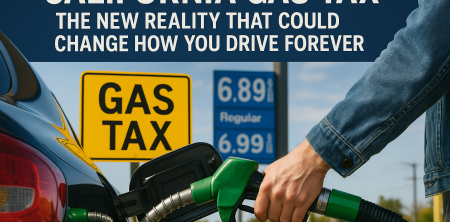
Starting July 1, 2026, drivers across California will see a significant shift in their fuel expenses due to the introduction of a new gas tax. The rate will climb to 63.4 cents per gallon, marking a 2.2-cent increase from the existing 61 cents. This adjustment isn't taking place in a vacuum; it's part of a broader national trend in which states are grappling with rising fuel taxes. With this change, both frustration and financial implications loom large, prompting many to seek alternatives as they navigate the new landscape of gas prices.
The Immediate Impact on California Drivers
The increase in the California gas tax is not just a minor adjustment. For everyday drivers, this change translates into a tangible increase in their monthly expenses. Many families rely on fuel for daily commutes, school runs, and weekend getaways. With the new tax structure, families might find themselves spending significantly more on their fuel bills, leading to a ripple effect on household budgets and overall spending habits.
The California Tax Fee Administration confirmed this hike is part of a broader annual adjustment mechanism that aims to keep pace with inflation and maintain infrastructure funding. Despite the rationale behind these taxes, the timing feels particularly harsh to Californians already feeling the pinch of rising living costs.
Nationwide Trends in Fuel Tax Increases
California is not alone in this endeavor. As the state raises its gas tax, Washington State is simultaneously increasing its fuel tax to 56.5 cents per gallon, while Maryland is adding a smaller increase of 0.6 cents. These increases signal a nationwide trend that is leading many drivers to wonder how much more they’ll need to budget for fuel in the coming years.
This coordinated move among states raises questions about the long-term effects on travel and transportation trends. As gas prices rise, consumers are likely to change their habits — from driving less to considering more fuel-efficient vehicles or even alternative modes of transportation such as public transit.
The Emotional Reaction: Outrage and Frustration
The announcement of the new California gas tax sparked immediate outrage as residents took to social media to voice their frustrations. The emotional reaction is rooted in a broader context of perceived government overreach and financial burden placed on average citizens. Social media platforms lit up with angry posts, memes, and discussions about the fairness of these tax hikes, with many arguing that these costs disproportionately affect lower and middle-income families.
When a tax hike feels like an unwelcome additional burden, it’s only natural for people to vent their frustrations publicly. The combination of rising living costs and the new gas tax creates a perfect storm for discontent. Many families are now forced to reassess their travel plans and budgeting priorities, sparking conversations about whether or not the benefits of driving are worth the costs.
The Broader Financial Implications
The increase in the California gas tax isn't merely an isolated incident; rather, it reflects a larger economic narrative that involves citizens across the country. As fuel taxes rise, we can expect broader implications for various aspects of the economy. Higher fuel prices can lead to increased costs for goods and services, especially those that rely heavily on transportation.
For instance, businesses that depend on fleet vehicles for deliveries might need to adjust pricing strategies to accommodate increased fuel costs. This, in turn, can lead to inflationary pressures in different sectors, affecting everything from groceries to healthcare. Consumers may find themselves paying more for basic necessities, thus compounding the financial strain of the gas tax.
Understanding Fuel Taxation Mechanics
Fuel taxation is a complicated issue that often gets simplified in public discourse. In California, the gas tax is part of a broader system designed to fund transportation infrastructure, including road repairs and public transit initiatives. Still, understanding how these taxes work can clarify why they are so controversial.
In California, the motor fuel taxes are divided into several categories, including state and federal taxes, environmental fees, and local taxes. The combined total for motor fuel taxes has now reached 49.1 cents for gas and 56.1 cents for diesel. These taxes are adjusted annually and can increase based on factors like inflation and the cost of maintaining infrastructure. While the intention is to ensure roads and transit systems remain functional and safe, many residents feel the financial strain of these taxes outweighs their benefits. (See: Transportation and public health impacts.)
Alternatives to Driving: Exploring Your Options
As the California gas tax becomes a reality, many drivers are exploring alternatives to reduce their reliance on fuel. Public transportation systems are gaining renewed interest as people look for ways to save money. Cities such as Los Angeles and San Francisco offer extensive transit options, but many still face challenges regarding accessibility and convenience.
Carpooling is another viable option, allowing multiple people to share the costs of fuel and reduce the overall number of vehicles on the road. Apps and services that facilitate carpooling or ridesharing are becoming increasingly popular, offering a modern solution to rising gas expenses.
Additionally, the increased focus on electric vehicles (EVs) is part of this shift. With California making significant investments in EV infrastructure, including charging stations, many are considering the switch to electric cars as a long-term solution to avoid gas taxes altogether. While the initial investment in an EV might be higher, the potential savings over time could be substantial.
The Future of Fuel Costs: What to Expect
Looking ahead, it's challenging to predict how the California gas tax and similar increases in other states will affect the broader economy. As inflation continues to influence consumer behavior, drivers may need to adjust their expectations regarding fuel costs and budgeting.
Experts suggest that these tax increases might prompt a shift toward more sustainable practices in transportation, encouraging investments in cleaner technologies and public transit systems. Innovation in transportation may lead to less reliance on traditional fuel sources, making the need for gas taxes less critical in the long run.
The Role of Advocacy Groups
In response to rising fuel taxes, various advocacy groups are emerging, aiming to influence legislation and public opinion. These groups are focused on the affordability of transportation, calling for more transparent discussions on how fuel taxes are structured and allocated. They argue that increased public awareness can lead to actionable change, whether through lobbying for tax reforms or pushing for more sustainable transportation investments.
Public forums, community meetings, and social media campaigns are becoming popular avenues for these advocacy groups to voice their concerns. They aim to create a dialogue around finding equitable solutions to transportation funding that doesn’t disproportionately burden specific demographic groups.
Comparative Analysis: Fuel Tax Structures Across the U.S.
Understanding California's gas tax requires looking at how it compares to fuel tax structures in other states. For instance, while California has one of the highest gas taxes in the nation, states like Texas maintain a much lower rate. Texas charges approximately 20 cents per gallon, which raises questions about how states prioritize transportation funding. This disparity can lead to significant differences in road quality and public transportation accessibility.
New York is another example worth noting. With a tax of around 46 cents per gallon, New York's fuel tax is substantial but still lags behind California. However, New York has invested heavily in public transit options, like the MTA, which helps mitigate the burden on drivers. Thus, residents often have viable alternatives to driving. In contrast, California's varied geography and less extensive public transit options mean that many drivers rely heavily on personal vehicles, making the tax burden feel heavier.
Furthermore, states like Florida and Ohio are exploring more innovative tax structures that can better respond to fluctuating fuel prices. These states are considering tying their fuel taxes to vehicle miles traveled (VMT) rather than a flat tax per gallon. This model could provide a more equitable approach to taxation as it would tax drivers based on the actual usage of roadways, not merely the fuel consumption, which might alter driving habits and promote fuel efficiency.
Statistics: The Economic Impact of Fuel Taxes
Several studies highlight the economic implications of rising fuel taxes. According to a report from the American Petroleum Institute (API), each cent increase in fuel taxes can lead to a decrease in consumer spending. For example, if the California gas tax increases by 10 cents, it could potentially reduce consumer spending by $1.1 billion annually. This is significant, especially in a state that already has a high cost of living.
Additionally, a study from the Institute on Taxation and Economic Policy (ITEP) indicates that fuel taxes disproportionately impact low-income households. In California, lower-income families spend an average of 8% of their income on transportation, much higher than the national average of 5%. These statistics illustrate that as fuel taxes rise, the burden on these families can become exacerbated, potentially leading to a cycle of financial strain. (See: Rising fuel taxes and economic impact.)
Expert Perspectives: What Economists Say
Economists have mixed opinions on the efficacy of rising fuel taxes. Some argue that these taxes are necessary for infrastructure maintenance and environmental sustainability. Dr. Sarah Thompson, an economist at the University of California, states, "Gas taxes can disincentivize unnecessary travel and promote the use of more efficient transportation options. However, the timing of these hikes needs to be sensitive to economic conditions." This perspective supports the idea that while taxes can encourage better practices, they can also impose undue burdens during economic downturns.
Conversely, other experts warn that excessive taxation can have detrimental effects on consumer spending power. Dr. Michael Ortiz, a financial analyst, notes, "When people have less to spend on fuel, they might cut back on other necessary expenditures, which can slow down economic growth." This highlights the delicate balance policymakers must maintain when considering fuel tax increases.
FAQ: Addressing Common Concerns About the California Gas Tax
What is the primary purpose of the California gas tax?
The California gas tax primarily funds transportation infrastructure, including road repairs, public transit initiatives, and environmental programs. It aims to ensure that the state's transportation systems remain safe and functional.
How often does the gas tax increase?
The California gas tax is adjusted annually based on inflation and the cost of maintaining infrastructure. This means that fluctuations in economic conditions can lead to changes in the gas tax rate.
Are there any exemptions to the gas tax?
Certain fuels, such as those used for agricultural purposes or specific nonprofit organizations, may qualify for exemptions or reduced rates. However, these exceptions vary and should be verified with state authorities.
What alternatives do I have to reduce my fuel costs?
To mitigate rising fuel costs, consider using public transportation, carpooling with others, or investing in an electric vehicle. Additionally, maintaining your vehicle can improve fuel efficiency, ultimately reducing the amount spent at the pump.
Can advocacy groups really influence gas tax legislation?
Yes, advocacy groups can play a significant role in shaping gas tax legislation. Through lobbying efforts, public campaigns, and community engagement, these groups can raise awareness and push for reforms that address the community's needs more equitably.
The Environmental Considerations of Fuel Taxes
Environmental concerns are closely linked to discussions around fuel taxes. Advocates for higher taxes argue that increasing costs associated with gasoline can encourage users to think twice before driving, reducing overall emissions. California has been at the forefront of policies aimed at reducing greenhouse gases, and the gas tax increase ties into this larger strategy. The state's ambitious climate goals aim for carbon neutrality by 2045, and part of achieving that requires curbing fossil fuel consumption.
In this context, the gas tax can be seen as a tool not only for infrastructure funding but also for environmental stewardship. Data shows that regions with higher gas taxes tend to have lower rates of vehicle miles traveled (VMT), which translates into less congestion and pollution. A study conducted by the California Air Resources Board found that a 10% increase in gas prices typically leads to a 3% reduction in VMT within a year. This correlation suggests that gas taxes are effective in achieving not only revenue goals but also environmental targets.
The Social Equity Debate Surrounding Gas Taxes
As discussions about the California gas tax evolve, so does the conversation around social equity. Critics of the gas tax argue that it disproportionately impacts lower-income individuals who rely heavily on their cars for transportation. These families often have limited alternatives, and the added expense of a gas tax can strain their budgets even further. (See: Gas prices and inflation trends.)
To address these concerns, some proposals have emerged that suggest implementing tiered tax rates based on income or providing rebates for low-income households. These measures aim to mitigate the financial burden on those who are least able to absorb the costs. Additionally, some California legislators are advocating for increased investments in public transportation to provide more accessible options for all residents, regardless of income level.
What Lies Ahead: Potential Changes to the Gas Tax System
With the increasing scrutiny of the California gas tax, potential reforms are already being discussed in legislative circles. Some lawmakers are considering alternatives to the current system, including vehicle miles traveled (VMT) taxes as mentioned earlier. This shift could lead to a more equitable approach by taxing drivers based on how much they actually use the roads rather than simply how much fuel they consume.
Another idea gaining traction is the introduction of carbon taxes that would apply to all fossil fuels, including gas. This could create a more comprehensive framework for addressing climate change while also generating revenue for the state. However, any proposed changes will likely face significant debate, and stakeholders from various sectors will need to weigh in on how best to structure these taxes to ensure fairness and sustainability.
Adapting to a Changing Landscape
As Californians grapple with the new realities brought by the gas tax increase, adaptability will be critical. Whether that means embracing alternative modes of transportation, investing in fuel-efficient vehicles, or participating in advocacy efforts, residents will need to navigate these changes thoughtfully. This moment presents an opportunity for communities to come together, share resources, and forge paths toward more sustainable living.
Ultimately, the discussions surrounding the California gas tax are more than just about dollars and cents; they represent a larger conversation about how society values transportation, the environment, and economic equity. It's a complex issue that will require ongoing engagement from all stakeholders to ensure that California not only thrives economically but also works toward a more sustainable future.
Conclusion: Adapting to Change
The new California gas tax is a stark reminder of the financial realities many drivers face today. As fuel prices continue to rise, Californians — and taxpayers across the nation — will need to adapt their habits, budgets, and even modes of transportation. While the immediate reaction has been one of frustration, it’s essential to look at this situation as an opportunity for change.
By seeking alternatives, advocating for better policies, and prioritizing sustainable practices, residents not only combat the financial impacts of the California gas tax but may also contribute to a more sustainable future. This situation isn't merely an economic hardship; it’s a chance for innovation and transformation in how we think about fuel, transportation, and our environment.
```
Trending Now
Frequently Asked Questions
What is the new California gas tax rate starting July 2026?
Starting July 1, 2026, the California gas tax will increase to 63.4 cents per gallon, which is a 2.2-cent rise from the current rate of 61 cents. This adjustment is part of an annual mechanism designed to keep pace with inflation and support infrastructure funding.
How will the gas tax increase affect California drivers?
The increase in the gas tax will lead to higher monthly fuel expenses for California drivers, impacting family budgets significantly. With rising fuel costs, many families may need to adjust their spending habits, especially for daily commutes and leisure travel.
Are other states also raising gas taxes?
Yes, California is not alone in raising gas taxes. States like Washington and Maryland are also increasing their fuel tax rates, contributing to a nationwide trend that is likely to affect consumers' travel and transportation habits.
What are the reasons behind the gas tax increase in California?
The California gas tax increase is intended to keep pace with inflation and ensure adequate funding for infrastructure. Despite the rationale, many Californians feel the timing is challenging given the current economic climate and rising living costs.
What alternatives can drivers consider due to rising gas prices?
With the anticipated rise in gas prices, many drivers may explore alternatives such as carpooling, using public transportation, or switching to more fuel-efficient vehicles. These changes can help mitigate the financial impact of increased fuel costs.
Agree or disagree? Drop a comment and tell us what you think.

