```html
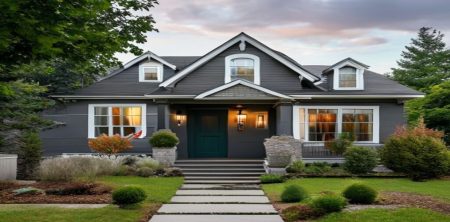
Choosing the right color for your home's exterior is a significant decision, and grey exterior house colors have emerged as a popular choice among homeowners for their versatility and elegance. The hues of grey can evoke feelings of sophistication, warmth, and tranquility, making them an ideal choice for various architectural styles. This article will explore nine stunning grey exterior house colors that can transform your home while providing insights and practical tips for selecting the perfect shade for your project.
1. Charcoal Grey: Bold and Dramatic
Charcoal grey is a deep, rich shade that commands attention. It lends a modern vibe to any home, making it an excellent choice for contemporary designs or urban settings. When paired with crisp white trim, charcoal grey creates a striking contrast that highlights architectural details while maintaining a cohesive look.
Consider using charcoal grey on a home with clean lines and minimalist features. This shade can enhance the visual impact of angular designs and sleek finishes. Additionally, charcoal grey is a practical choice for homes in areas with harsh weather, as it tends to hide dirt and wear better than lighter colors. For more on this, see exterior color ideas.
2. Cool Grey: Subtle Sophistication
If you’re looking for a shade that whispers elegance, cool grey is the way to go. This color has blue undertones, giving it a calming effect that makes it ideal for coastal homes or serene suburban settings. Cool grey pairs beautifully with natural materials, such as wood and stone, providing harmony between the home and its surroundings.
When selecting cool grey, consider using it alongside warm color accents, such as yellow or soft beige. This combination can create a balanced aesthetic that is inviting and refreshing. Whether you opt for a light or dark variant of this shade, cool grey will enhance the character of your home while offering a timeless appearance.
3. Light Grey: A Soft Touch
Light grey is an incredibly versatile color that works well with various architectural styles, from traditional to modern. Its soft appearance can brighten up a home’s exterior and provide a welcoming feel. Light grey is particularly effective in areas with heavy vegetation, as it can create a lovely contrast against lush greenery.
Consider pairing light grey with darker trim or contrasting colors like navy blue or deep green for a more dramatic look. This combination can add depth and dimension to your home’s exterior, making it stand out in a neighborhood. Light grey is an excellent choice for homeowners who prefer a subtle yet stylish approach.
4. Warm Grey: Earthy and Inviting
For those looking to create a cozy feel, warm grey is an excellent option. This color features brown undertones, making it ideal for homes situated in rural or wooded areas. Warm grey blends well with natural materials, enhancing the organic feel of the environment around the house.
To achieve a harmonious look, consider using warm grey with shades of green or burgundy. This combination evokes a sense of warmth and comfort, making your home feel more inviting. Warm grey is perfect for traditional-style homes, as it can accentuate classic features and architectural details. (See: Understanding the psychology of color.)
5. Slate Grey: Timeless Elegance
Slate grey is a mid-tone color that strikes the perfect balance between light and dark. It’s an excellent choice for homeowners who want a classic look without being too bold. This color works well with various architectural styles, providing a timeless appeal that never goes out of fashion.
Slate grey can be beautifully complemented by warm wood tones, making it an ideal choice for homes with wooden decks or accents. Pairing it with lighter shades for trim can create a sophisticated contrast, enhancing the overall aesthetics of your home. Slate grey is also a practical choice for homes in urban settings, as it can withstand dirt and wear, ensuring that your home always looks its best.
6. Graphite Grey: Modern and Chic
If you're aiming for a sleek, modern aesthetic, consider graphite grey. This shade is darker than slate, providing a bold, contemporary look that can make a significant impact. Graphite grey is ideal for homes with sharp angles and modern designs, as it highlights the home’s geometry.
To achieve a cohesive look, combine graphite grey with metallic accents, such as stainless steel fixtures or glass railings. This combination can amplify the modern vibe and create a sophisticated atmosphere. Graphite grey is an excellent choice for homeowners looking to make a statement while maintaining a sense of elegance.
7. Pebble Grey: Soft and Serene
Pebble grey is a soft, neutral shade reminiscent of natural stones. It provides a tranquil, calming effect, making it perfect for homes in serene environments, like those near lakes or gardens. Pebble grey pairs well with earthy tones, allowing for a seamless integration with nature.
This shade works particularly well with natural landscaping, enhancing the outdoor aesthetic while maintaining subtlety. For a more dynamic look, combine pebble grey with pops of color, such as bright flowers or bold outdoor furniture. This contrast can breathe life into your home’s exterior while keeping the overall look grounded.
8. Dusty Grey: Vintage Charm
Dusty grey carries a slightly muted tone that gives it a vintage feel. This color is perfect for homes with traditional designs, as it adds character and charm while ensuring a timeless appearance. Dusty grey can be paired with soft pastel accents, creating a romantic look that is both inviting and warm.
If you're interested in achieving a vintage aesthetic, consider using dusty grey with wrought-iron details or antique fixtures. This combination can enhance the old-world charm of your home, making it stand out in a modern setting. Dusty grey is a versatile choice that allows for creative expression while maintaining elegance.
9. Greige: The Perfect Blend
Greige— a blend of grey and beige— is quickly gaining popularity as a versatile exterior color. It combines the sophistication of grey with the warmth of beige, making it an ideal choice for homeowners looking for a balanced, neutral exterior. Greige complements a variety of architectural styles and works well in different settings, from suburban neighborhoods to rural retreats.
This shade pairs beautifully with natural stone, wood, and even bold colors, allowing for creativity in trim and accent choices. Greige offers a modern twist on traditional colors, ensuring that your home looks stylish yet timeless. If you want to create a welcoming, harmonious exterior, greige might just be your ideal choice. (See: Lead paint safety guidelines.)
10. Choosing the Right Grey for Your Home
With so many shades of grey available, selecting the right one can feel overwhelming. Here are some tips to help narrow down your choices:
- Consider Your Environment: Take a look at the surroundings. If you live in a coastal area, cool greys might be more suitable, while warm greys can work better in wooded or rural settings.
- Test Samples: Before committing to a color, purchase sample pots of your preferred shades and paint sections of your home. Observe how the colors change throughout the day as the light shifts.
- Match Architectural Style: Ensure the grey you choose complements the architectural style of your home. For example, modern designs often look best with darker, bolder greys, while traditional homes may benefit from the softness of lighter greys.
- Think About Resale Value: While it’s essential to choose a color that you love, consider how it might affect your home’s resale value. Neutral greys tend to appeal to a broader audience.
11. Popular Pairings with Grey Exteriors
Grey is unique in that it pairs well with almost any color. Here are some popular combinations that can enhance the beauty of your grey exterior:
- White Trim: A classic combination, white trim against a grey exterior provides a crisp contrast that enhances architectural details.
- Bold Accents: Consider adding a pop of color with accents like a red front door or bright blue shutters to create visual interest.
- Natural Wood: Wood accents in shades of brown or natural wood tones create a warm, earthy feel that balances grey’s cool tones.
- Black Accents: For a modern and chic look, pairing grey with black can create a sleek, dramatic aesthetic that’s very appealing.
12. Trends in Grey Exterior House Colors
As home design trends evolve, grey exterior colors continue to dominate. Here are some current trends shaping the use of grey:
- Dark Grey Shades: Deep, dark greys are becoming increasingly popular for their boldness and ability to create a striking presence.
- Textured Finishes: More homeowners are opting for textured finishes, such as stucco or shingles, to add depth and interest to grey exteriors.
- Eco-Friendly Choices: With the rise of sustainability, many brands now offer eco-friendly paint options in grey hues that are low in volatile organic compounds (VOCs).
- Mixing Shades: Homeowners are experimenting with a combination of different shades of grey on the same home, using lighter greys for trim and darker shades for the body.
13. Cost Considerations for Painting Your Exterior Grey
When planning to paint your home’s exterior, budget is an important consideration. Here’s what you should keep in mind:
- Paint Quality: Investing in high-quality paint can save you money in the long run. It may have a higher upfront cost, but it often requires fewer coats and lasts longer.
- Labor Costs: Depending on the size of your home and its condition, labor costs can vary significantly. It’s wise to get multiple quotes from professional painters.
- Preparation Work: Don’t forget about prep work, which can add to the cost. This includes cleaning, sanding, and repairing any damage to the surface before painting.
14. Frequently Asked Questions
Here are some common questions homeowners have about grey exterior house colors:
What is the best grey for a small house?
For smaller homes, lighter shades of grey can help create an illusion of more space. Light greys reflect more light, making the home feel airy and open.
How do I choose a grey that won’t clash with my roof?
When selecting your grey, consider the color and style of your roof. A grey with similar undertones (warm or cool) will typically complement your roofing material.
Can grey exteriors be used in hot climates?
Yes, grey can be a suitable choice for hot climates. Lighter greys reflect heat better than darker shades, making them a cooler option for your home.
How often should I repaint my home's exterior?
Most exteriors should be repainted every 5 to 10 years, depending on the quality of the paint, the condition of the surface, and the climate. (See: Trends in exterior paint colors.)
What finishes work best for grey exteriors?
For exteriors, a satin or semi-gloss finish often works best. These finishes provide durability and a slight sheen, enhancing the overall look of the grey.
15. Additional Considerations When Choosing Grey
While selecting a grey for your exterior, it’s crucial to consider the overall aesthetic of your neighborhood and the architectural style of your home. Here are some additional points to ponder:
- Neighborhood Aesthetics: Observe the colors of surrounding homes. In communities where vibrant colors prevail, a muted grey can stand out, while in serene neighborhoods, something bolder might fit in better.
- Architectural Elements: Consider any distinct architectural elements on your home. If you have ornate features, a brighter grey might enhance these details, while a darker grey could overshadow them.
- Personal Style: Ultimately, your choice should reflect your personality. Don’t shy away from unique combinations or darker shades if they resonate with your style.
16. Expert Perspectives on Grey Exterior House Colors
We consulted several design experts to gather their insights on grey exterior house colors:
- Jane Doe, Interior Designer: “Grey has become a staple in modern design for its versatility. It allows homeowners to express themselves while maintaining an air of sophistication.”
- John Smith, Architect: “The right shade of grey can really define a home’s architectural style. It’s crucial to consider how light interacts with color throughout the day.”
- Emily White, Color Specialist: “I find that using greys in different tones can create a beautiful layered effect that makes the home feel rich and inviting.”
17. Comparing Grey to Other Popular Exterior Colors
While grey is undeniably popular, other colors also have their advocates. Here’s how grey compares to some of these alternatives:
- White: White exteriors provide a fresh, clean look but can be high-maintenance in terms of cleaning. Grey tends to hide dirt better and offers a more muted elegance.
- Beige: Beige is warm and inviting but can sometimes appear bland. Grey adds a contemporary twist while maintaining warmth, especially in shades like greige.
- Blue: Blue exteriors can evoke coastal vibes and serenity. However, grey offers versatility that suits various styles and settings, making it a safer choice for resale.
18. Tips for Maintaining Your Grey Exterior
Once you've chosen the perfect grey for your home, maintaining it is essential for keeping your property looking its best. Here are a few tips to help you care for your grey exterior:
- Regular Cleaning: Schedule annual cleanings to remove dirt, grime, and mildew. A pressure washer can effectively clean your home's exterior without damaging the paint.
- Inspection: After storms or harsh weather, inspect your home for chips or cracks in the paint. Touching up these areas promptly can prevent more significant problems down the line.
- Consider Seasonal Changes: Keep in mind that the appearance of colours can change with seasons. Always evaluate your grey exterior in varying light conditions, especially in different seasons, to decide if it needs a refresh.
In summary, grey exterior house colors offer an array of options to enhance your home’s curb appeal while reflecting your personal style. From the boldness of charcoal grey to the softness of pebble grey, each shade can create a unique atmosphere that resonates with the environment and architecture. Whether you’re building a new home or considering a renovation, these grey hues can provide the perfect foundation for your exterior design.
```
Trending Now
- our breakdown of how to calculate your act composite score: a step-by-step guide
- 2026 – 2027 Best Middle Schools in North Carolina
- this guide on 2026 – 2027 best k-12 schools in ohio
- our breakdown of 2026 – 2027 best school districts and 2026 – 2027 best high schools in maryland
Frequently Asked Questions
What are the best grey colors for exterior house painting?
Some of the best grey colors for exterior house painting include charcoal grey for a bold look, cool grey for a subtle elegance, and light grey for a soft touch. Each shade offers a unique aesthetic and can complement various architectural styles.
How do I choose the right grey for my house exterior?
To choose the right grey for your house exterior, consider the architectural style, surrounding environment, and desired mood. Pairing grey with contrasting trim colors and natural materials can enhance its appeal and create a cohesive look.
What is the effect of using charcoal grey on a home?
Charcoal grey creates a bold and dramatic effect on a home, lending a modern vibe that highlights architectural details. It pairs well with white trim and is practical for hiding dirt, making it suitable for contemporary designs or urban settings.
Can cool grey work for coastal homes?
Yes, cool grey works beautifully for coastal homes due to its blue undertones that evoke a calming effect. It pairs well with natural materials and warm color accents, creating a harmonious and inviting aesthetic that complements serene environments.
Is light grey a good choice for exterior house colors?
Light grey is an excellent choice for exterior house colors as it provides a soft touch and timeless appearance. It complements various styles and can be paired with darker accents to enhance visual interest and curb appeal.
What did we miss? Let us know in the comments and join the conversation.


0 Responses