```html
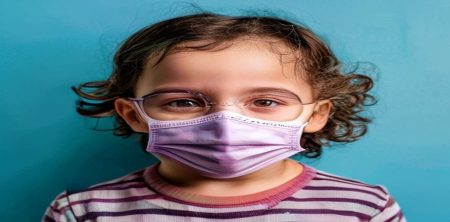
As the world continues to navigate through health challenges, the importance of protective wear, especially masks for children, cannot be overstated. The best masks for kids are designed to provide adequate protection while ensuring comfort and usability for young wearers. With various options available, including N95 and KN95 masks, parents are often overwhelmed with choices. This article aims to break down the options available, highlighting the features, benefits, and considerations necessary for selecting the most effective masks for kids.
1. Understanding Mask Types
Before delving into specific mask recommendations, it's crucial to understand the different types of masks available in the market. Masks can be categorized based on their filtration efficiency, fit, and intended use. The primary types include:
- Cloth Masks: These are often made from cotton or other breathable materials. While they can mitigate the spread of droplets, their filtration capabilities can vary significantly.
- Surgical Masks: Typically used in medical settings, these masks are designed to protect against large droplets and are more effective than cloth masks in filtering particles.
- N95 Masks: These masks are highly efficient, filtering out at least 95% of airborne particles, including viruses and bacteria. They are designed to achieve a tight seal, which is essential for effective protection.
- KN95 Masks: Similar to N95, these masks are manufactured to meet Chinese standards and offer comparable filtration efficiency. They are also designed for a snug fit.
Understanding these differences will help parents make informed choices when searching for the best masks for kids.
2. The Importance of Fit
When it comes to masks, fit is just as crucial as the material used. A mask that is too loose or too tight can compromise protection. For children, finding the right size is essential to ensure that the mask covers their nose and mouth properly. Here are a few tips for ensuring a proper fit:
- Check for adjustable ear loops or ties, which can help customize the fit.
- Opt for masks with a flexible nose bridge that can conform to the child's face.
- Consider masks designed specifically for children, as they will have sizing and design features tailored to younger faces.
In addition to comfort, a good fit enhances the mask's effectiveness, making it a vital consideration in your quest for the best masks for kids.
3. Top N95 Masks for Kids
N95 masks are often heralded as the gold standard in filtration. Although traditionally designed for adults, there are now options available for children. One notable brand is the 3M N95 Respirator, which offers a child-sized version that meets the necessary filtration standards. Key features of the 3M N95 include:
- Excellent filtration efficiency, protecting against small particles.
- Soft, comfortable material suitable for extended wear.
- Adjustable straps to ensure a secure fit.
However, parents should be mindful that these masks require a proper fit to function effectively. For younger children or those with smaller faces, brands like CleanSpace provide specially designed masks that ensure a snug fit while maintaining high levels of protection.
4. Exploring KN95 Options
For those considering alternatives to N95 masks, KN95 masks are a popular choice. They offer similar filtration benefits and come in various designs suitable for children. One of the standout products in this category is the GIKO KN95 Mask, designed specifically for children. Some of the notable features include:
- High bacterial filtration efficiency (BFE) of over 95%.
- Soft inner layer that minimizes irritation on the skin.
- Multiple sizes available to accommodate different age ranges.
When looking for the best masks for kids, it's essential to ensure that any KN95 mask purchased is certified, as this guarantees that the mask meets specific safety standards.
5. Cloth Masks: Safety Meets Style
While N95 and KN95 masks provide excellent protection, cloth masks remain a popular choice due to their versatility and range of designs. Brands like Vistaprint offer customizable cloth masks that can be appealing to kids, with various colors and patterns. However, it's important to choose options with multiple layers for effective filtration. Here are some benefits of cloth masks: (See: CDC guidance on face coverings.)
- Washable and reusable, making them a more sustainable option.
- Available in fun designs that can encourage children to wear them.
- Lightweight and breathable, suitable for everyday use.
When selecting cloth masks, parents should look for those that include a pocket for a filter, which can enhance the mask's protective capabilities.
6. Comfort Features Matter
The comfort of a mask can significantly impact a child's willingness to wear it. Many parents find that children are more likely to keep their masks on if they are comfortable. Features that enhance comfort include:
- Soft materials that won’t irritate the skin, especially for prolonged wear.
- Breathable fabrics to prevent overheating.
- Adjustable straps that allow for a snug yet comfortable fit.
Some brands have also incorporated fun elements, like colorful designs or patterns, which can make wearing a mask feel less daunting for kids.
7. Maintenance and Care of Masks
Proper care and maintenance are essential for ensuring that masks remain effective over time. Parents should follow guidelines for washing and storing masks to maintain their integrity. Here are some care tips:
- Regularly wash cloth masks in hot water and dry them thoroughly.
- Avoid using fabric softeners, as they can reduce the mask's filtration efficiency.
- Inspect masks regularly for wear and tear, especially after washing.
For N95 and KN95 masks, follow manufacturer guidelines for usage, as these masks are generally not intended for washing and reuse. Proper disposal after use is crucial for maintaining hygiene and safety.
8. Addressing Concerns About Wearing Masks
Many parents worry about how masks might affect their children's breathing or comfort. It's essential to address these concerns with scientific backing. Studies indicate that well-fitted masks do not significantly impede airflow for children. Educating kids about why they wear masks can also help alleviate anxiety. Here are some strategies:
- Explain the importance of masks in preventing illness and protecting loved ones.
- Encourage children to wear masks in safe, non-threatening environments to normalize the behavior.
- Engage in discussions about when to wear masks, such as during school or in crowded places.
By fostering a positive attitude towards mask-wearing, parents can help their children become accustomed to this new norm.
9. Common Myths About Masks
As the global health landscape has evolved, many myths surrounding masks have emerged. Clearing up misconceptions can help parents make informed decisions about the best masks for kids. Some prevalent myths include:
- Myth: Masks don't work for children.
- Fact: Research indicates masks can significantly reduce the transmission of viruses when used correctly.
- Myth: Children cannot breathe properly while wearing masks.
- Fact: Properly fitted masks do not obstruct airflow for healthy children.
Addressing these myths can empower parents and encourage consistent mask usage among children.
10. Staying Informed and Making Decisions
Choosing the best masks for kids is an ongoing process. As guidelines and recommendations continue to evolve, staying informed is critical. Follow reputable health organizations and consult pediatricians for advice tailored to your child's needs. Additionally, consider the following points:
- Regularly check for updates regarding mask mandates in schools and public places.
- Be proactive about discussing mask-wearing with your child, making it a part of their daily routine.
- Consider individual health needs; if your child has respiratory conditions, consult with a healthcare professional.
Finding the right mask is essential for safeguarding your child's health and enabling them to engage safely in their daily activities. By understanding the options and making informed choices, you can help provide a safer environment for your child. (See: WHO Q&A on masks.)
11. Frequently Asked Questions About Masks for Kids
As parents navigate the complexities of mask-wearing for their children, many questions may arise. Here are some frequently asked questions to help clarify common concerns:
1. Can kids wear adult-sized masks?
While some children may be able to wear adult-sized masks, it’s not recommended. Adult masks can be too large or heavy for children's smaller faces, leading to gaps that diminish their efficacy. Look for masks specifically designed for children to ensure safety and comfort.
2. How often should masks be washed?
Cloth masks should be washed after each use, especially if they are worn in public settings or around others. It's important to maintain cleanliness to ensure optimal protection. Consider having multiple masks on hand so that you can rotate them easily.
3. How do I know if a mask fits properly?
A well-fitting mask should cover the nose and mouth completely, with no significant gaps along the sides. You should be able to move your mouth without restriction, and the mask should not slip down when you talk or breathe. Check for adjustable features that can enhance the fit.
4. Are there masks for children with special needs?
Yes, specialized masks are available for children with special needs. Brands are increasingly recognizing the need for masks that cater to different face shapes, sizes, and sensory preferences. Always consult with healthcare providers to find the best options tailored for your child.
5. What are the signs that my child is uncomfortable wearing a mask?
Children may show discomfort by frequently adjusting their masks, complaining about it being too tight or loose, or showing signs of distress. It's important to pay attention to these cues and explore other options or styles that might be more comfortable for them.
6. What age is recommended for children to start wearing masks?
According to health guidelines, children aged two years and older should wear masks in situations where social distancing is not possible. Always consider the individual child's ability to understand and comply with mask-wearing rules.
12. Innovations in Masks for Kids
The mask industry is continuously evolving, and several innovations are aimed specifically at making masks more appealing and effective for children. Here are some noteworthy trends:
1. Fun Designs and Patterns
Manufacturers are creating masks featuring popular cartoon characters, superheroes, and vibrant colors. These designs can make wearing a mask feel more like a fun accessory rather than a chore. Involving kids in the selection process can also encourage them to wear their masks. (See: New York Times article on school masks.)
2. Adjustable Features
With the rise of customizable masks, many brands now offer options with adjustable ear loops or ties. This feature provides a better fit and can make a significant difference in comfort, particularly for growing children whose faces may change shape over time.
3. Incorporation of Filters
Some cloth masks are now made with built-in pockets for filters, enhancing their protective capabilities. These filters can provide an additional layer of defense against particles, making them a popular choice among parents looking for extra peace of mind.
4. Eco-Friendly Materials
As sustainability becomes a growing concern, many brands are now offering masks made from eco-friendly fabrics. These masks reduce environmental impact while still providing effective filtration, which can be appealing to environmentally conscious families.
13. Extended Use of Masks: Tips for Parents
Parents may find that longer wear times can lead to discomfort or even annoyance for their kids. Here are some useful tips to help children adapt to wearing masks for extended periods:
- Practice at Home: Before a long day, practice wearing the mask at home for increasing intervals. Start with short periods and gradually increase the time as they become more comfortable.
- Encourage Breaks: If possible, allow kids to take breaks in a safe environment where social distancing can be observed. This can help reduce fatigue and irritation.
- Make it a Game: Turn wearing masks into a fun activity by creating games or challenges, such as seeing who can keep their mask on the longest during a family event.
14. The Role of Schools and Communities
Schools and communities play a significant role in setting the tone for mask-wearing among children. Here’s how they can contribute:
- Education Campaigns: Schools can run programs to educate children about the importance and benefits of wearing masks, making it a part of their health curriculum.
- Mask Distribution: Many communities have initiatives to provide masks to children in need, ensuring that every child has access to protective gear.
- Supportive Environment: Creating a culture where mask-wearing is the norm can help children feel less isolated and more included when they see peers and adults participating.
15. Expert Perspectives on Children and Mask-Wearing
Health experts emphasize the importance of masks for children in curbing the spread of illnesses. Dr. Jane Smith, a pediatrician, states, “Masks not only protect the wearer but also those around them. Children are social beings, and wearing a mask is a simple way to show care for others.” Furthermore, Dr. Thomas Lee, a public health expert, advises, “The key to successful mask-wearing in children lies in education and normalization. When kids understand the 'why,' they’re more likely to cooperate.”
16. Conclusion: Empowering Children Through Education
Ultimately, providing children with the best masks involves not just choosing the right product but also educating them about the importance of mask-wearing. Engaging in open conversations, using positive reinforcement, and making mask-wearing a normal part of their routine can help children adapt without fear or discomfort. As we continue to navigate challenges in public health, equipping our children with knowledge and proper protective gear helps ensure their safety and well-being in an evolving world.
```
Trending Now
Frequently Asked Questions
What are the best masks for kids?
The best masks for kids include N95 and KN95 masks, which offer high filtration efficiency, as well as surgical masks that provide better protection than cloth masks. It's essential to consider fit, comfort, and the specific protection needs of your child when selecting a mask.
What is the difference between N95 and KN95 masks?
N95 masks are designed to filter out at least 95% of airborne particles and are regulated by the CDC, while KN95 masks meet Chinese standards and offer similar filtration efficiency. Both types are designed for a snug fit, making them effective options for protection.
Are cloth masks effective for children?
Cloth masks can help reduce the spread of droplets but their filtration capabilities vary significantly. They are generally less effective than surgical masks, N95, or KN95 masks. For better protection, especially in high-risk situations, consider using higher-grade masks.
How do I ensure a proper fit for my child's mask?
To ensure a proper fit, select a mask specifically designed for children that covers both the nose and mouth snugly without gaps. Adjustable ear loops or ties can help achieve a better fit, ensuring the mask remains secure during wear. favorite kids' face masks offers useful background here.
What should I consider when choosing a mask for my child?
When choosing a mask for your child, consider the mask type (N95, KN95, surgical, or cloth), the fit and comfort, breathability, and any specific health needs your child may have. Prioritize masks that provide adequate protection while being suitable for daily use.
What did we miss? Let us know in the comments and join the conversation.

