The Current Landscape of Mortgage Rates
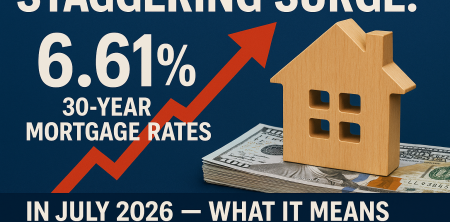
As of July 7, 2026, the mortgage rates have climbed to a notable 6.61%, a significant increase that has sent ripples through the housing market. This rise is not just a number; it’s a psychological hurdle, edging closer to the dreaded 7% mark which has historically been considered a tipping point for homebuyers. The fear of locking out potential buyers has sparked widespread discussions across social media platforms, amplifying the impact of these rates on everyday Americans.
Understanding the Surge in Mortgage Rates
Several factors contribute to the recent spike in mortgage rates. One of the primary drivers is persistent inflation. Economic data released in the previous months indicated inflation rates remaining stubbornly high, which has led to a reevaluation of monetary policy by the Federal Reserve. As they continue to grapple with inflation, the cost of borrowing is affected, resulting in a sharp rise in mortgage rates.
Additionally, strong economic data has fueled investor confidence, which often correlates with increased borrowing rates. When the economy shows signs of strength, lenders may raise rates, anticipating higher demand for loans. This combination of inflation concerns and robust economic indicators creates a volatile environment for mortgage rates.
The Psychological Impact of Mortgage Rates
The rise to 6.61% in mortgage rates has a psychological effect that goes beyond numbers. For many potential homebuyers, these rates evoke a palpable fear of missing out. As rates climb closer to 7%, buyers are scrambling to secure homes before costs escalate further. Social media has become a platform for sharing stark comparisons of monthly payments and overall costs, making the situation even more urgent.
Many are calculating how much more they'll have to pay each month if rates continue to rise, leading to anxiety about affordability and future financial stability. This emotional response is reflected in the increased sharing of mortgage-related posts online, further illustrating how deeply intertwined personal finance is with psychological well-being.
The Impact on Homebuyers
For first-time homebuyers, the rise in mortgage rates can feel like a significant barrier. A 30-year fixed mortgage at 6.61% means higher monthly payments compared to previous rates, which can deter potential buyers from entering the market. A $300,000 mortgage at this rate translates to a monthly payment of approximately $1,920, compared to around $1,600 at a 4% rate. This difference can be substantial for many families, prompting them to rethink their homebuying plans.
Moreover, buyers may have to adjust their expectations regarding home prices and locations. With higher borrowing costs, many will be forced to look at less expensive homes or different neighborhoods to stay within budget. This shift can lead to increased competition in lower-priced markets, which could further drive up prices.
Refinancing Concerns
Current homeowners contemplating refinancing are also facing challenges. The allure of refinancing at a lower rate has diminished as the rates have edged up. Many homeowners who secured loans at lower rates may find that refinancing now would cost them more in the long run. Therefore, those looking to tap into home equity or reduce their monthly payments may decide to hold off, further complicating the housing market dynamics.
For those who do decide to refinance, understanding the long-term implications is crucial. The higher the rate, the longer it will take to recoup closing costs through savings on monthly payments, which can dissuade many from making that choice.
Market Reactions and Trends
The market's reaction to rising mortgage rates has been swift. Home sales have shown signs of slowing as buyers weigh their options in an increasingly expensive environment. Real estate experts are keeping a close eye on trends in the coming months, as persistent high rates could lead to a further slowdown in housing transactions. (See: Federal Reserve monetary policy insights.)
In addition, builders and developers may start adjusting their strategies. If the demand for new homes drops, construction projects may slow, impacting related industries such as materials and labor. This could lead to a ripple effect throughout the economy, showcasing the interconnectedness of housing and overall economic health.
What This Means for Investors
For real estate investors, the surge in mortgage rates presents both challenges and opportunities. While higher rates can slow down the pace of home sales, they can also create a more favorable environment for rentals. As fewer people can afford to buy homes, the rental market may experience an uptick in demand. Investors may want to consider focusing on rental properties as a more stable source of income in this climate.
Additionally, investors should closely monitor the economic indicators that influence mortgage rates. Keeping an eye on inflation rates, employment data, and consumer confidence can provide valuable insights into how the market may evolve. Adjusting investment strategies based on these indicators could lead to more informed decisions in a volatile market.
Advice for Homebuyers and Homeowners
Given the current state of mortgage rates in July 2026, it’s essential for both homebuyers and homeowners to approach their options carefully. Here are a few tips for navigating this challenging landscape:
- Assess Your Financial Situation: Before making any decisions, evaluate your finances. Calculate how higher rates will impact your budget and what you can realistically afford.
- Shop Around: Don’t settle for the first mortgage offer you get. Rates can vary significantly between lenders, so it pays to compare options.
- Consider a Fixed vs. Adjustable Rate: Depending on your circumstances, an adjustable-rate mortgage (ARM) could provide a lower initial rate, though it comes with risks if rates continue to rise.
- Stay Informed: Keep an eye on economic news. Understanding market trends can help you make informed decisions about timing your purchase or refinance.
- Consult a Professional: Engaging with a financial advisor or mortgage broker can provide expert insights tailored to your situation.
The Future of Mortgage Rates
Looking ahead, the trajectory of mortgage rates remains uncertain. Analysts are predicting a range of potential outcomes based on various economic indicators, and opinions vary widely. Some experts believe that rates may stabilize after peaking, while others warn that the inflationary environment could drive rates even higher.
What’s clear is that the current landscape is dynamic, and staying informed is crucial for anyone considering buying or refinancing a home. Keeping abreast of Federal Reserve actions, inflation trends, and other economic factors will be key in navigating the future of mortgage rates.
Predictions and Expert Insights
Experts are divided on how mortgage rates will behave in the coming months. According to a recent survey from the National Association of Realtors, 65% of economists believe that rates could stabilize around the 6% mark if inflation begins to ease. However, if inflation remains stubbornly high, we could see rates climb beyond 7% by the end of the year.
In contrast, investment bank analysts predict a longer-term decline in mortgage rates, driven by potential shifts in Federal Reserve policy as they adapt to changing economic conditions. They suggest that if the economy continues to show signs of weakness, the Fed might pivot and lower interest rates, resulting in more favorable mortgage conditions for homebuyers. Berkshire Hathaway's warning offers useful background here.
Keeping an eye on international events is also crucial. Geopolitical tensions or significant economic shifts in other parts of the world can affect U.S. rates. For instance, the ongoing trade discussions with China and other countries could impact domestic inflation rates and, in turn, affect mortgage rates.
Regional Variations in Mortgage Rates
Mortgage rates do not apply uniformly across the entire United States. Regional variations can be influenced by local economic conditions, housing demand, and state regulations. For example, in high-demand areas like San Francisco or New York City, rates may be more competitive due to increased lender competition, while more rural areas may experience slightly higher rates due to lower competition among mortgage lenders.
According to data from Freddie Mac, as of July 2026, the West Coast is seeing rates that are approximately 0.25% higher than the national average, while regions in the Midwest tend to have slightly lower rates. Knowing these regional differences can be beneficial for both homebuyers and investors as they search for the best options available. (See: CDC on inflation and economic impact.)
Understanding Different Types of Mortgages
With the rise in mortgage rates, it’s important for buyers to understand the different types of mortgage products available. Fixed-rate mortgages are the most common choice, offering consistency over the life of the loan. However, adjustable-rate mortgages (ARMs) can be appealing for those looking to capitalize on lower initial rates.
ARMs typically offer a lower rate for an initial period (say, 5, 7, or 10 years) before adjusting to market rates, which can be advantageous if you plan to sell or refinance before the adjustment occurs. On the flip side, they can introduce volatility once the rates begin to adjust, making it crucial to evaluate your long-term plans before choosing this option.
Another option is government-backed loans, such as FHA and VA loans, which can offer favorable terms for qualifying buyers. These loans often have lower down payment requirements and can be more accessible for first-time homebuyers or those with less-than-perfect credit.
Impact on the Housing Market Overall
The overall housing market is expected to experience significant changes due to rising mortgage rates. Higher rates typically lead to decreased buyer activity, which can result in lower home prices in the long run as sellers adjust their expectations. A slowdown in home sales can also impact the construction sector, leading to fewer new builds and increased competition among sellers.
Moreover, first-time homebuyers, historically a vital segment of the market, may find it increasingly challenging to enter the housing market. With the financial strain of higher monthly payments, many may opt to delay their purchase, thereby reducing the number of homes sold and prolonging the current housing inventory levels. It’s a cycle that can exacerbate affordability issues, particularly in already competitive markets.
Alternative Financing Solutions
In light of rising mortgage rates, many prospective buyers and homeowners are exploring alternative financing solutions. One such option is the use of down payment assistance programs, which can help lower the initial cost of purchasing a home. Various state and local programs aim to assist first-time buyers, making homeownership more attainable even in a high-rate environment.
Another avenue to consider is seller financing, where the seller acts as the lender, allowing buyers to bypass traditional bank financing. This can be particularly beneficial in a tight market where lending standards may be rigid. Furthermore, some sellers may be willing to offer incentives, such as covering closing costs or providing temporary buy-downs on the interest rate, to attract buyers.
How Economic Indicators Affect Mortgage Rates
Understanding the economic indicators that influence mortgage rates is crucial for both homebuyers and investors. Key economic factors such as Gross Domestic Product (GDP), employment rates, and consumer spending all play significant roles in shaping interest rates. For instance, a strong GDP growth can signal increased inflation risks, prompting the Federal Reserve to raise rates to control inflation.
Conversely, if unemployment rates rise or consumer confidence dips, the Federal Reserve may lower rates to stimulate economic activity. Investors and buyers should keep an eye on these indicators as they can help forecast potential changes in mortgage rates, allowing for more strategic planning in home purchases and investments.
FAQs About Mortgage Rates in July 2026
What are the current mortgage rates as of July 2026?
The average mortgage rate as of July 7, 2026, is approximately 6.61%. However, this rate can vary based on individual circumstances and lender offerings. (See: New York Times on mortgage rates.)
Why have mortgage rates increased recently?
Mortgage rates have increased due to persistent inflation and strong economic data which has led to a reevaluation of monetary policy by the Federal Reserve, resulting in higher borrowing costs.
How do rising mortgage rates affect homebuyers?
Rising rates lead to higher monthly payments, which can deter potential buyers from entering the market. It may also force buyers to adjust their home-buying plans, such as considering less expensive homes or different locations.
Is now a good time to refinance my mortgage?
Given the current rates, refinancing may not be advantageous for many homeowners. Those who secured lower rates previously could find it more costly to refinance now. It's essential to evaluate personal financial situations and long-term plans before making a decision.
When can we expect mortgage rates to stabilize or decrease?
Opinions vary among experts on when rates may stabilize or decrease. Some predict stabilization if inflation eases, while others suggest that further rate hikes could occur if inflation remains high. Staying informed on economic indicators is crucial.
What alternatives are available for financing a home in this rate environment?
Alternative financing options include down payment assistance programs, seller financing, and potential incentives from sellers to attract buyers. Exploring these avenues may provide buyers with more flexibility amid rising rates.
The Bottom Line
The rise of mortgage rates to 6.61% in July 2026 highlights a critical moment for homebuyers and homeowners alike. For many, these rates bring anxiety and the fear of missing out on favorable opportunities. Understanding the implications of these rates, evaluating personal financial situations, and considering market trends are essential steps for anyone looking to navigate this challenging environment.
While the housing landscape continues to evolve, those who stay informed and proactive may find a path forward, whether that means purchasing, refinancing, or investing in real estate. The key is to remain adaptable and aware of the changes that lie ahead.
Trending Now We covered current mortgage rate trends in more detail.
Frequently Asked Questions
What are the current mortgage rates as of July 2026?
As of July 7, 2026, mortgage rates have risen to 6.61%. This increase is significant as it approaches the historically critical 7% mark, which can impact homebuyer decisions and the overall housing market.
What factors are causing mortgage rates to rise?
The surge in mortgage rates is primarily driven by persistent inflation and strong economic data. High inflation rates have led the Federal Reserve to reevaluate monetary policy, affecting borrowing costs and resulting in higher mortgage rates.
How does the rise in mortgage rates affect homebuyers?
The increase to 6.61% creates a psychological hurdle for homebuyers, leading to fears of missing out as they rush to secure homes before rates potentially climb higher. This urgency is amplified by social media discussions about affordability.
What is the psychological impact of rising mortgage rates?
Rising mortgage rates evoke anxiety among potential homebuyers as they consider the increased monthly payments and overall costs. The fear of locking out of the market is palpable, driving many to make urgent buying decisions.
What should homebuyers do in a rising rate environment?
In a rising rate environment, homebuyers should assess their financial situation carefully and consider locking in rates sooner rather than later. Consulting with mortgage professionals can help navigate the best options available amidst fluctuating rates.
Agree or disagree? Drop a comment and tell us what you think.

