```html
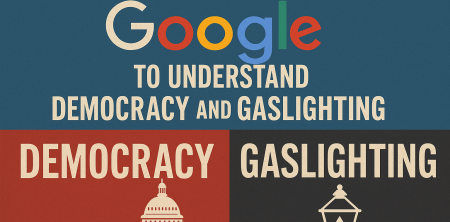
In recent years, Google Trends has provided an intriguing window into the collective psyche of Americans, revealing a significant uptick in searches for political concepts such as 'democracy' and 'gaslighting.' These terms have topped the charts in 2026, highlighting a profound shift in how citizens engage with politics and their environment. What does this surge mean for the future of US democracy trends? Let's unpack this phenomenon and explore the implications behind these searches.
1. A Closer Look at the Trends
The data from Google Trends shows a striking pattern: Americans are increasingly searching for abstract political concepts rather than concrete policies or figures. In 2026, searches for 'democracy' and 'gaslighting' have dominated the top definitions sought by users. This trend signifies a deep-seated anxiety within the populace about the current political climate. Rather than looking for traditional political discourse, people are leaning towards understanding the emotional and psychological aspects of governance.
The increasing searches for 'democracy' reflect a quest for clarity regarding foundational democratic principles. Citizens are examining what democracy means in an era characterized by polarization and frequent challenges to democratic norms. Similarly, the rise in searches for 'gaslighting' indicates a growing awareness of manipulative political communication, suggesting that many feel disoriented by the narratives they encounter in the media and from political leaders.
2. The Emotional Landscape of Political Discourse
This trend towards emotionally charged search terms illustrates a broader shift in political discourse. Instead of engaging with policies or political parties, individuals are grappling with their feelings about the political environment. This emotional engagement indicates a profound fatigue with conventional political discussions, which may lead to increased disenchantment with traditional forms of governance.
Moreover, the focus on psychological and abstract concepts rather than tangible political issues raises questions about the efficacy of traditional political engagement. Are citizens becoming disillusioned with standard political debates? As they seek to understand the nuances behind democracy and manipulation, it seems that many are starting to feel a disconnect from the political structures that were once seen as foundational.
3. Understanding 'Gaslighting' in a Political Context
The surge in searches for 'gaslighting' is particularly telling. In a political context, gaslighting refers to the act of manipulating someone into questioning their reality or feelings. This term has gained traction in recent years, as many citizens report feeling overwhelmed by conflicting narratives presented by political leaders and media outlets. The term resonates with individuals who perceive that they are being misled or manipulated regarding critical political issues.
As the landscape of information becomes increasingly fragmented, the feeling of being gaslit can lead to widespread distrust among the electorate. This distrust undermines citizens' confidence in their institutions and leaders, making them more susceptible to conspiracy theories and radical ideologies. Recognizing this problem is essential for any discourse on the future of US democracy trends.
4. Democracy Under Siege: A Growing Concern
With the ongoing searches for 'democracy,' it’s evident that many Americans are concerned about the state of their political system. This concern is not unfounded, given recent events that have tested democratic institutions, such as the January 6th Capitol riots and various assaults on voting rights across the country. These occurrences have led to heightened anxiety about the integrity and future of democracy in the United States.
As voters feel increasingly disenfranchised, it is essential to understand how these feelings manifest in their searches. The need to seek reassurance and validation regarding democratic principles highlights a broader desire for stability and trust in governance. This search for fundamental understanding could also drive citizens to become more active in political processes, as they strive to reclaim agency over their democracy.
5. Implications of Psychological Engagement in Politics
The psychological engagement of citizens through searches for terms like 'democracy' and 'gaslighting' carries significant implications for political leaders and institutions. Politicians and policymakers must recognize that their constituents are increasingly concerned with emotional and psychological realities rather than solely economic or policy-based issues. This shift requires a new approach to political communication, one that acknowledges and addresses these emotional undercurrents. (See: understanding democracy concepts.)
For instance, political campaigns could benefit from adopting language that resonates on an emotional level, focusing on transparency, empathy, and authenticity. By addressing the concerns that arise from feelings of manipulation and disillusionment, leaders can begin to rebuild trust and foster a more engaged electorate.
6. The Role of Social Media in Shaping Perceptions
Social media platforms have played a pivotal role in shaping public perceptions about democracy and manipulation. With their ability to amplify voices and disseminate information rapidly, these platforms have transformed how citizens engage with politics. However, the same platforms that empower democratic discourse can also facilitate misinformation and gaslighting, contributing to the current state of anxiety regarding democracy.
As individuals navigate their political realities, they often turn to social media for answers. However, this can lead to echo chambers where only certain narratives are reinforced. The reliance on these platforms for understanding complex political concepts can exacerbate feelings of confusion and disconnection from traditional democratic practices. Recognizing the dual-edged nature of social media is essential for understanding the current US democracy trends.
7. Moving Toward a More Informed Electorate
The rising searches for abstract political terms indicate a desire for deeper understanding among the electorate. Citizens are actively seeking more than just surface-level information; they want to comprehend the implications of their political environment fully. This pursuit can lead to a more informed and engaged populace, which is crucial for the health of democracy.
Educational initiatives that focus on teaching citizens about democratic principles, psychological manipulation, and critical thinking can help bridge the knowledge gap. By empowering individuals with the tools to analyze political discourse critically, the electorate can better navigate the complexities of modern governance. This shift toward education may be a vital step in fortifying democracy against manipulation.
8. The Future of Democracy in America
The trends observed in recent years raise critical questions about the future of democracy in the United States. As searches for 'democracy' and 'gaslighting' continue to dominate, it's clear that citizens are grappling with their political realities. The ongoing discourse surrounding these concepts will shape the political landscape for years to come.
Ultimately, the future of democracy will depend on the ability of leaders and institutions to respond to the emotional and psychological needs of the electorate. By fostering transparency, encouraging civic engagement, and addressing feelings of manipulation, there is an opportunity to rebuild trust and strengthen democratic foundations. The evolving nature of politics necessitates a deeper understanding of how citizens feel and think, rather than just what they know.
9. Expert Perspectives on US Democracy Trends
To gain a deeper understanding of current US democracy trends, let’s look at insights from various experts in political science and sociology. According to Dr. Emily Johnson, a political psychologist at the University of Chicago, "The increasing emotional engagement in politics reflects a broader societal recognition that governance is not just about policy but about how those policies affect human lives." This perspective underscores the need for political leaders to connect on a more human level with their constituents.
Similarly, Dr. Michael Thompson, a sociologist specializing in media studies, notes that "social media has transformed the political landscape into an arena where emotional narratives often overshadow factual discourse." He argues that this shift can distort public perception and complicate informed decision-making, leading to greater polarization.
Moreover, a recent study from the Pew Research Center highlights that nearly 70% of Americans believe misinformation has significantly impacted their view of democracy. This statistic reinforces the notion that a collective awareness of the dangers of misinformation is crucial for safeguarding democratic values. (See: definition of gaslighting.)
10. Comparing US Democracy Trends with Global Patterns
When assessing US democracy trends, it’s insightful to compare them with patterns observed in other democratic nations. For instance, many European countries have experienced similar increases in political engagement and emotional discourse, particularly in the wake of crises such as Brexit or the refugee crisis.
In nations like Germany and France, citizens have mobilized around issues of democracy, often framing their protests and discussions in terms of emotional appeals to justice and fairness. This similarity suggests a global trend where citizens are not just responding to political events but are also increasingly defining their political identities through emotional experiences and societal values.
Moreover, in countries with historically lower levels of democratic engagement, such as Brazil and Turkey, there has been a notable rise in citizen activism, often driven by feelings of disillusionment with traditional political structures. This comparison emphasizes that the emotional engagement seen in the US is part of a broader global phenomenon, highlighting a pivotal moment in the evolution of democracy worldwide.
11. Frequently Asked Questions (FAQ)
What does the surge in searches for 'democracy' indicate?
The surge in searches for 'democracy' reflects a growing concern among Americans about the state of their democratic system. It suggests that citizens are actively seeking to understand democratic principles and the implications of current political events.
How does 'gaslighting' relate to political communication?
In politics, gaslighting refers to the manipulation of individuals into questioning their own realities. This trend highlights how conflicting narratives from leaders and media can create confusion and distrust among citizens, leading to a disconnection from democratic processes.
What role does social media play in shaping political perceptions?
Social media has a dual role; it can empower democratic discourse by giving a voice to citizens, but it can also perpetuate misinformation and create echo chambers that distort public perception of political realities.
Why is emotional engagement in politics important?
Emotional engagement signifies that citizens are looking beyond policies to how governance impacts their lives. This shift necessitates that political leaders communicate with empathy and transparency to rebuild trust and engagement in democratic processes.
What can be done to combat misinformation in politics?
Combatting misinformation requires a multifaceted approach, including educational initiatives that teach critical thinking and media literacy, promoting transparency in political communication, and actively engaging citizens in discussions about democratic values.
12. Pathways to Strengthening Democracy
As we reflect on these trends, it becomes imperative to consider pathways to strengthen democracy in the context of the emotional and psychological engagement of citizens. Civic education programs that inform citizens about their rights, responsibilities, and the workings of democratic institutions can empower individuals to actively participate in governance. (See: impact of polarization on democracy.)
Community-building initiatives that foster dialogue among diverse populations can also bridge gaps in understanding and mitigate feelings of alienation. Encouraging participation in local governance and providing platforms for citizen voices can help restore faith in democratic processes.
Finally, promoting accountability among political leaders through transparent practices can ensure that citizens feel their concerns are heard and valued. By addressing these emotional undercurrents, the US can move toward a more resilient democracy that reflects the collective aspirations of its people.
13. Recent Legislative Developments Affecting Democracy
As we explore US democracy trends, it's essential to consider the impact of recent legislative developments. One significant area of concern is voting rights, particularly in the wake of laws passed in various states that critics argue disproportionately affect marginalized communities. For instance, laws that require specific forms of identification can create barriers for those who may not have access to such documents. According to the Brennan Center for Justice, over 30 states have enacted laws that restrict voting access since 2020. This trend raises alarms about the future of democratic participation and representation in the United States.
In response, grassroots organizations and advocacy groups have mobilized to protect voting rights, highlighting a renewed commitment to democratic principles among activists. This grassroots movement indicates that citizens are recognizing the importance of active engagement in safeguarding democracy, demonstrating that while challenges exist, there is also a strong push for reform and advocacy.
14. The Impact of Economic Inequality on Democracy
Another critical factor influencing US democracy trends is economic inequality. Studies have shown that as wealth disparity grows, so too does political polarization and disenfranchisement. According to a report by the Economic Policy Institute, the top 1% of earners have seen their incomes rise significantly over the last few decades, while wages for the bottom 90% have stagnated. This imbalance can lead to feelings of disenfranchisement among lower-income citizens, who may feel that their voices are not heard in a system that seems to favor the wealthy.
This economic divide can also manifest in political engagement levels. Research indicates that individuals from lower socioeconomic backgrounds are less likely to vote or participate in political discussions, feeling that their involvement will not make a difference. Addressing these economic disparities is crucial for fostering a more inclusive democracy and ensuring that all citizens feel empowered to participate in the political process.
15. Final Thoughts on the Evolution of US Democracy
The landscape of US democracy is evolving, shaped significantly by the emotional and psychological dimensions that citizens are increasingly engaging with. As we navigate this complex terrain, it is essential for both leaders and citizens to prioritize understanding, empathy, and active participation. The trends seen in searches for terms like 'democracy' and 'gaslighting' reveal not just concerns, but also opportunities for renewal and growth in the democratic foundation of the nation. By addressing the underlying emotional factors, we can work together to cultivate a healthier and more equitable democratic future.
```
Trending Now
Frequently Asked Questions
Why are Americans searching for democracy more in 2026?
Americans are increasingly searching for 'democracy' as they seek clarity on foundational democratic principles amid political polarization and challenges to democratic norms. This uptick signifies a collective anxiety about the political climate and a desire to understand what democracy truly means today.
What does gaslighting mean in a political context?
In a political context, gaslighting refers to manipulative communication tactics used by leaders to distort reality and confuse citizens. The rise in searches for this term indicates a growing awareness among Americans about how political narratives can disorient and mislead the public.
How do emotional aspects influence political discourse?
The trend of searching for emotionally charged terms like 'democracy' and 'gaslighting' reflects a shift in political discourse. People are more focused on their feelings about politics rather than traditional discussions on policies, indicating a fatigue with conventional political engagement.
What implications do these search trends have for US democracy?
The increase in searches for concepts like 'democracy' and 'gaslighting' suggests a deeper engagement with political emotions, which could lead to greater disenchantment with traditional political structures. This shift may prompt new forms of civic engagement and a reevaluation of democratic processes.
Why is there a focus on psychological aspects of governance?
The focus on psychological aspects of governance, as evidenced by the rise in searches for terms like 'gaslighting,' indicates that Americans are grappling with the emotional impact of political communication. This reflects a desire to understand the emotional manipulation at play in today’s political landscape.
What's your take on this? Share your thoughts in the comments below — we read every one.

