```html
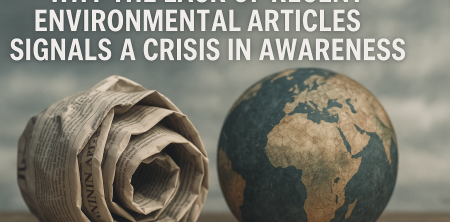
In an age where information flows freely, it’s surprising that we sometimes find ourselves in a vacuum regarding crucial topics like the environment. Recent attempts to search for environmental articles revealed a concerning trend: no relevant articles were available, leaving only mortgage rate data from Fortune published on July 14, 2026. This glaring absence raises important questions about public awareness, media coverage, and the pressing environmental issues we face today.
The State of Environmental Journalism
Environmental journalism has historically played a pivotal role in raising awareness about critical issues such as climate change, pollution, biodiversity loss, and sustainable practices. However, a notable decline in coverage has emerged, particularly in mainstream media. This trend is alarming, as the environment is at the forefront of global challenges. Without adequate reporting, many pressing issues risk being overlooked, leading to a lack of public response and policy action.
Much has been written about the role of environmental journalism in shaping public opinion and government policy. Yet, with recent searches yielding no significant findings in this area, one must wonder: is the media landscape shifting away from environmental topics? Are readers less interested, or are editors prioritizing different subjects?
Understanding the Gap in Coverage
The gap in recent environmental articles could stem from various factors. For one, the media landscape has undergone significant changes over the past decade. The rise of social media has shifted attention towards instant news rather than in-depth reporting. Consequently, environmental issues may not receive the urgent coverage they require. The fast-paced news cycle tends to favor sensational stories, which can overshadow the gradual yet critical changes occurring within our environment. See also Senate climate change facts.
Additionally, financial pressures on news organizations have led to cuts in environmental reporting staff. Many news outlets struggle to sustain their operations, leading to a focus on more immediately profitable areas of journalism, such as finance, politics, and entertainment. This shift could be detrimental to the long-term sustainability of both the media industry and the environment itself.
The Power of Public Interest
Public interest plays a crucial role in how the media shapes its coverage. When issues gain traction among the public, they are more likely to receive media attention. However, this creates a paradox: if environmental articles are not being produced, public interest may wane. How can we rekindle that interest?
One way to engage readers is to highlight the personal impact of environmental changes. For instance, discussing how rising sea levels threaten coastal communities or how extreme weather events affect agriculture can make environmental issues feel more immediate and relatable. By doing this, journalists can bridge the gap between abstract environmental concerns and tangible outcomes that impact readers' lives.
Emerging Environmental Topics to Watch
Despite the current lack of coverage, there are numerous emerging topics in the environmental realm that demand attention. These include:
- Climate Migration: As climate change progresses, communities are being displaced due to extreme weather and rising sea levels.
- Plastic Pollution: With initiatives to reduce plastic use gaining momentum, the effects of plastic pollution on marine life and ecosystems are crucial to explore.
- Renewable Energy Innovations: Advancements in solar, wind, and other renewable energy sources could play a significant role in mitigating climate change.
- Biodiversity Loss: The extinction crisis is intensifying, and understanding its causes and consequences is essential for conservation efforts.
- Urban Green Spaces: The importance of integrating nature within urban environments is becoming increasingly relevant in discussions about sustainable city planning.
Case Studies of Successful Environmental Journalism
While the current landscape might appear bleak, there have been instances where environmental journalism has successfully captured public interest and spurred action. One notable example is the coverage surrounding the Flint water crisis. Investigative reporting brought to light systemic issues related to water safety, leading to national outrage and policy changes.
Another instance is the ongoing coverage of the Amazon rainforest's deforestation. Journalists have utilized visual storytelling, social media campaigns, and data-driven reports to underscore the urgency of protecting this critical ecosystem. Through these efforts, they have successfully engaged a global audience, prompting discussions about conservation and sustainable practices.
The Role of Social Media in Environmental Awareness
Social media platforms have emerged as powerful tools for raising environmental awareness. Activists and organizations leverage these platforms to disseminate information quickly and engage audiences in discussions about pressing environmental issues. Hashtags like #FridaysForFuture and #ClimateStrike have mobilized millions, showcasing the potential of digital media to drive grassroots movements. (See: New York Times Climate Section.)
However, while social media can amplify messages, it also comes with challenges. Misinformation can spread just as quickly, diluting crucial environmental messages. Therefore, it's essential for credible voices in the environmental sector to actively participate in these conversations, ensuring that the information shared is accurate and beneficial.
What Can Readers Do? Taking Action
Readers play a critical role in shaping the narrative around environmental issues. By demanding more in-depth coverage from media outlets, you can help ensure that environmental journalism thrives. This can be done by:
- Engaging with Content: Share, comment on, and discuss environmental articles that resonate with you.
- Supporting Environmental Journalism: Subscribe to publications that prioritize environmental reporting, ensuring they have the resources to continue their work.
- Staying Informed: Follow reputable environmental organizations and news outlets to stay updated on critical issues.
Advocacy and Policy Change
Advocating for environmental issues is crucial, especially when media coverage is lacking. Engaging with local representatives, attending town hall meetings, and joining environmental organizations can help amplify your voice. These platforms allow you to express your concerns about environmental issues and advocate for necessary policy changes.
Moreover, grassroots campaigns have proven effective in shifting public policy. The youth-led climate strikes that gained momentum in recent years demonstrate the power of collective action. When people come together for a common cause, they can drive significant change. Insights on Senate education refusal offers useful background here.
Conclusion: The Call for Environmental Advocacy
The recent search results not yielding any relevant environmental articles is more than just a statistic; it reflects a troubling trend in media coverage of environmental issues. As we navigate this complex landscape, it's essential for readers, journalists, and advocates to unite in raising awareness and driving change. There’s no denying that the environment is a pressing issue that requires immediate attention. By fostering a culture of inquiry and concern, we can ensure that the environment stays at the forefront of public discourse.
In a world where information is at our fingertips, let’s make it a priority to explore the environmental stories that matter. The absence of recent articles should not deter our commitment to understanding and advocating for a sustainable future. After all, every voice counts in the fight for our planet.
Common Misconceptions About Environmental Issues
When discussing environmental topics, several misconceptions often arise that can hinder effective communication and action. Let’s address a few of these:
- Climate Change is a Distant Problem: Many people believe climate change is a future issue affecting only distant generations. In reality, its effects are already being felt globally with extreme weather events, droughts, and floods disrupting lives today.
- Individual Actions Don’t Matter: While systemic change is crucial, individual actions collectively can lead to significant impacts. Small changes, like reducing waste or choosing sustainable products, can influence larger systems.
- Environmental Issues Are Not Urgent: Some believe that since there are no immediate visible effects, action can be postponed. This outlook ignores the rapid changes occurring and the need for urgent action to prevent irreversible damage.
Statistics on Environmental Impact
Statistics can provide a clearer picture of the environmental crisis we face. Here are some key figures that illustrate the scale of the challenges:
- According to the IPCC, global temperatures have already risen by approximately 1.1°C since the late 19th century due to human activities.
- Over 8 million tons of plastic enter the oceans each year, affecting marine life and ecosystems, according to the United Nations.
- A study published in the journal "Nature" estimated that 1 million species are at risk of extinction due to habitat loss, climate change, and pollution.
- In 2020, renewable energy sources accounted for 29% of global electricity generation, showcasing the potential for a transition toward sustainable practices.
Expert Perspectives on Environmental Journalism
Experts in the field of journalism and environmental science often weigh in on the importance of comprehensive environmental reporting. According to Dr. Robert Bullard, a prominent environmental justice advocate, "Environmental journalism must reflect the voices of those most affected by environmental degradation. Their stories are crucial for understanding the broader implications of climate change." This highlights the need for diverse perspectives in environmental reporting.
Moreover, Dr. Angela Glover Blackwell, founder of PolicyLink, points out that "The media has a responsibility to not only report on environmental issues but to connect these issues to social justice." This interconnectedness emphasizes that environmental journalism should strive to address how climate change disproportionately affects marginalized communities.
Environmental Journalism in Different Regions
The scope and challenges of environmental journalism can vary significantly across regions. In developing countries, for example, journalists often struggle with limited resources and government censorship. Yet, local reporters are critical in uncovering issues related to deforestation, air pollution, and water safety. By covering these topics, they provide vital information that can galvanize communities and lead to local activism.
In contrast, in more developed regions, environmental journalism faces the challenge of competing with an overwhelming amount of information. Here, the focus may shift towards more sensational stories or trending topics, often sidelining in-depth environmental reporting. However, innovative approaches, such as investigative documentaries or multimedia storytelling, can help overcome these challenges, drawing attention to pressing environmental issues. (See: Nature Environmental Science Articles.)
Frequently Asked Questions About Environmental Articles
1. Why are environmental articles important?
Environmental articles raise awareness about critical issues affecting our planet, influence public opinion, and can lead to meaningful policy changes. They inform readers about the latest research, trends, and local actions related to environmental sustainability.
2. How can I find credible environmental articles?
To find credible environmental articles, look for established news outlets, academic journals, and reputable environmental organizations. Websites like National Geographic, The Guardian's environment section, or the Environmental Protection Agency (EPA) can be reliable sources. We covered Engaging climate activities for youth in more detail.
3. What role do social media play in environmental advocacy?
Social media platforms allow for rapid dissemination of information and can mobilize grassroots movements. They provide an avenue for activists to share their messages, connect with wider audiences, and organize events related to environmental causes.
4. How can I get involved in environmental journalism?
Getting involved in environmental journalism can start with writing about local issues, volunteering with environmental organizations, or joining journalism programs focused on environmental topics. Building a portfolio of relevant articles can also help in gaining attention from media outlets.
5. What are some effective ways to advocate for environmental issues?
Effective advocacy can include engaging with local policymakers, participating in community clean-up events, attending public forums, and utilizing social media to raise awareness. Forming or joining community groups focused on sustainability can also amplify efforts.
Future Directions for Environmental Journalism
Looking ahead, there are promising developments in environmental journalism. The emergence of data journalism is paving the way for more informed reporting through the use of statistics and visualizations that can clarify complex issues. Collaborative journalism, where multiple outlets work together on environmental stories, can also enhance coverage and reach broader audiences.
Additionally, as audiences demand more transparency and accountability, there is a growing expectation that journalists will report on the corporate and governmental actions related to environmental issues. This trend could lead to more investigative stories that uncover hidden impacts of major industries on the environment.
Through these evolving practices, environmental journalism can continue to adapt and shine a light on critical issues, ensuring that public discourse remains engaged and informed about our planet's health.
The Importance of Educating Future Generations
One critical aspect of fostering environmental awareness is educating the next generation. Schools play an essential role in this, integrating environmental studies into curricula from an early age. Programs that promote outdoor learning, sustainability practices, and scientific inquiry can help children understand the significance of protecting our planet.
Initiatives like the Green Schools program have seen success in encouraging eco-friendly practices within educational institutions. These programs empower students to engage in conservation projects, such as recycling, tree planting, and energy-saving measures. By involving students in hands-on activities, they can witness the impact of their efforts, nurturing a lifelong commitment to environmental stewardship. (See: U.S. Environmental Protection Agency.)
Comparative Analysis of Global Environmental Policies
Examining environmental policies across different countries offers valuable insights into effective strategies and areas for improvement. For instance, countries like Sweden and Denmark have implemented aggressive policies aimed at reducing carbon emissions and promoting renewable energy. Sweden aims to achieve net-zero emissions by 2045, supported by policies that encourage investments in green technology and public transportation.
In contrast, countries with emerging economies may struggle to balance economic growth with environmental sustainability. For example, while India has ambitious renewable energy goals, it grapples with significant pollution challenges due to rapid industrialization and urbanization. This comparison highlights the importance of tailored approaches to environmental policies that consider local contexts and needs.
Innovations in Environmental Technology
Technological advancements are paving the way for innovative solutions to environmental challenges. Electric vehicles (EVs) have become a focal point in the transition towards sustainable transportation. Companies like Tesla have revolutionized the automotive industry, pushing traditional manufacturers to invest in electric alternatives.
Additionally, developments in carbon capture and storage (CCS) technology could play a crucial role in mitigating greenhouse gas emissions from industries. This technology captures CO2 emissions at their source, preventing them from entering the atmosphere. While still in its infancy, CCS has the potential to be a game-changer in the fight against climate change.
Building a Community around Environmental Awareness
Communities play a pivotal role in driving environmental awareness and action. Local organizations, clubs, and initiatives can foster a sense of belonging and shared purpose among residents. For example, community gardens not only promote local food production but also serve as educational platforms for sustainable practices.
Neighborhood clean-up events, tree planting days, and awareness campaigns can engage residents and encourage active participation in environmental conservation. By building community around these efforts, individuals feel empowered and connected, turning awareness into action.
Conclusion: The Future of Environmental Journalism
As we look toward the future, the landscape of environmental journalism is both challenging and full of potential. By harnessing the power of technology, community engagement, and educational initiatives, we can amplify the voices that matter and ensure that environmental issues remain in the spotlight. You can contribute by staying informed, advocating for change, and supporting quality journalism that prioritizes our planet’s health. Every effort counts, and together, we can make a significant difference. Related reading: Senate's stance on climate education.
```
Trending Now
Frequently Asked Questions
Why is environmental journalism declining?
Environmental journalism is declining due to various factors, including the rise of social media, which prioritizes instant news over in-depth reporting. Financial pressures on news organizations also contribute to this trend, leading to less coverage of critical environmental issues and a focus on more sensational stories.
What are the consequences of a lack of environmental articles?
The absence of recent environmental articles can result in decreased public awareness and engagement with pressing issues like climate change and pollution. This gap in coverage may hinder policy action and prevent necessary discussions on sustainable practices and biodiversity loss.
How has social media affected environmental awareness?
Social media has shifted public attention towards quick news updates, often sidelining in-depth environmental reporting. As a result, critical environmental issues may not receive the urgent attention they deserve, leading to a lack of awareness and understanding among the general public.
What role does media play in environmental issues?
Media plays a crucial role in shaping public opinion and influencing government policy regarding environmental issues. Through comprehensive coverage, journalism can raise awareness about climate change, pollution, and sustainability, prompting public response and necessary action.
Are readers losing interest in environmental topics?
While it may seem that readers are losing interest in environmental topics, the decline in coverage is more likely due to editorial priorities and the fast-paced nature of news. Environmental issues may not be as prominently featured, resulting in a perception of decreased public interest.
What's your take on this? Share your thoughts in the comments below — we read every one.

